Wisconsin Duck Zone Boundaries
It can be incredibly frustrating to plan a duck hunting trip in Wisconsin, only to second-guess whether you're even in the right zone, risking a citation or, worse, impacting conservation efforts. Many hunters have felt that knot of anxiety trying to decipher a map line that seems to run right through their favorite marsh. This guide is here to untangle the confusion, meticulously explaining Wisconsin's duck zone boundaries, their implications for your hunting strategy, and how you can confidently navigate them for a successful season.
The Essential Role of Wisconsin's Duck Zone Boundaries
For new and seasoned waterfowl hunters alike, the concept of hunting zones can feel like an unnecessary layer of complexity. You just want to get out there and enjoy a crisp autumn morning in the marsh! But these zones aren't arbitrary lines drawn on a map; they're a critical tool in managing our precious migratory bird populations and ensuring fair hunting opportunities for everyone across our diverse landscapes. Understanding their purpose makes navigating them a lot less daunting.
Why Zones Exist: Managing Migratory Birds and Hunter Opportunity
Wisconsin sits squarely in the Mississippi Flyway, a major migratory route for millions of ducks, geese, and other waterfowl. These birds don't arrive or depart on a single, uniform schedule. Migration patterns are influenced by everything from weather fronts in Canada to local food availability, meaning birds arrive in northern Wisconsin much earlier than they might in the southern parts of the state. If we had one statewide season, hunters in the north might miss the peak migration entirely, or hunters in the south might overharvest resident birds before the main migration even arrives.
Zones allow the Wisconsin Department of Natural Resources (DNR), in cooperation with the U.S. Fish and Wildlife Service, to tailor season dates and bag limits to match the specific timing of migrations and the ecological needs of different regions. This adaptive management helps prevent overharvest in one area while maximizing hunting opportunity where and when birds are present. It's a balancing act, ensuring that both the birds and the hunters benefit from carefully planned regulations. Without this zonal system, it would be impossible to manage the vast and varied movements of species like mallards, wood ducks, and divers effectively across the entire state.
A Look Back: Evolution of Wisconsin's Waterfowl Zones
The current duck zone system wasn't born overnight; it's the result of decades of biological research, hunter input, and adaptive changes. Historically, Wisconsin's waterfowl regulations were simpler, but as data on migration patterns, habitat changes, and hunter pressure accumulated, the need for more nuanced management became apparent. Early on, the state might have been divided into a simple north and south, but over time, the unique ecological characteristics of the Mississippi River corridor demanded its own specific considerations.
These changes are not made lightly. They involve extensive surveys, analysis of harvest data, public meetings, and collaboration with federal agencies. For instance, the creation of the Mississippi River Zone was a direct response to understanding how significantly that particular floodplain ecosystem influences waterfowl movements and hunter access, setting it apart from the general inland hunting. This continuous evolution means that zones aren't set in stone forever; they can, and do, change as conditions warrant, which is why staying informed about the latest Wisconsin Waterfowl Seasons and Zones is crucial.
The Ripple Effect: How Zones Influence Hunting Decisions
The existence of these duck zones fundamentally shapes how many of us plan our waterfowl seasons. For hunters living near a boundary, it might mean deciding whether to hunt closer to home or travel a short distance to take advantage of an earlier or later opener. For those who hunt multiple areas, it requires a meticulous understanding of when and where they can legally pursue ducks. This isn't just about legality; it's about strategy.
For example, a hunter might start their season in the Northern Zone to catch the early migration of local birds and the first pushes from Canada, then shift their focus to the Southern Zone as those birds move south later in the season. Similarly, the unique dates of the Mississippi River Zone might draw hunters from adjacent inland areas. The zones dictate not just when you can hunt, but how you can optimize your time in the field, making them a cornerstone of any effective waterfowl hunting plan in Wisconsin.
A Deep Dive into Wisconsin's Primary Duck Zones
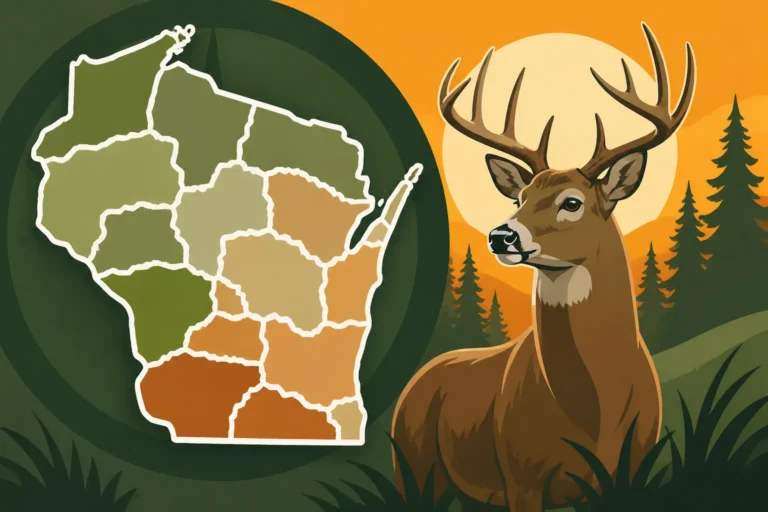
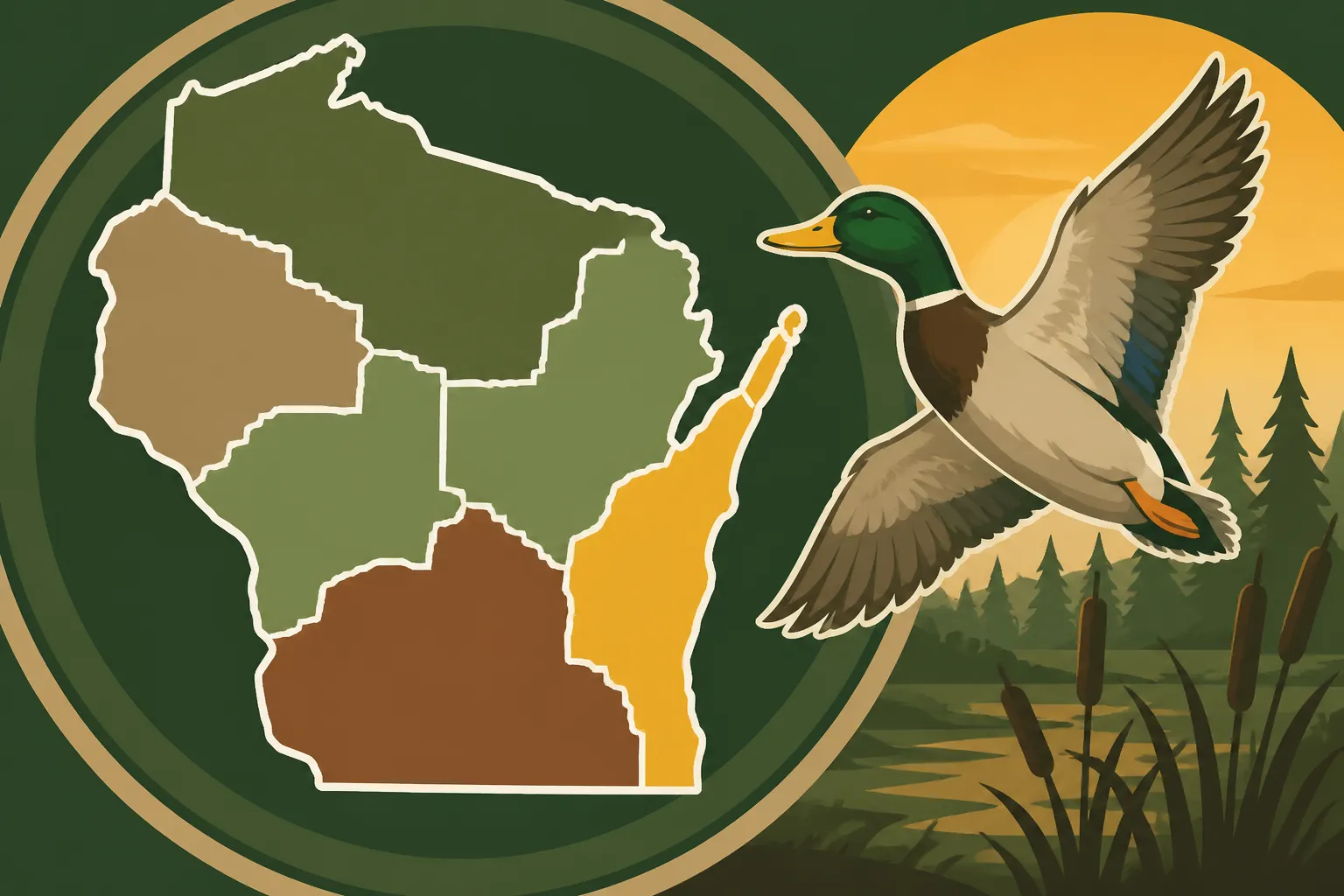
Wisconsin is divided into three primary duck hunting zones: the Northern Zone, the Southern Zone, and the Mississippi River Zone. Each has distinct boundaries, season dates, and characteristics that cater to the migratory patterns and local conditions of that particular region. Getting familiar with these zones is the first step to becoming a more effective and compliant waterfowl hunter.
The Northern Zone: Early Birds and Forested Waters
The Northern Zone generally encompasses the northern half of Wisconsin, characterized by its vast forests, numerous lakes, and extensive wetlands. This region experiences colder temperatures earlier in the fall, which prompts an earlier duck migration compared to the southern parts of the state. Consequently, the Northern Zone typically has the earliest opening dates for duck season. This allows hunters to target local breeding birds and the first waves of migrants from Canada before they push further south.
Hunting in the Northern Zone often involves smaller, secluded waters, beaver ponds, and wild rice beds in contrast to the large agricultural areas found further south. Species like wood ducks, teal, and early-migrating mallards are common targets, along with some divers on larger lakes. Hunters in this zone often find success jump-shooting smaller creeks or setting up discreet spreads in hidden backwaters. Given the wilder nature of the landscape, understanding how to read the water and adapt to varying conditions is paramount. If you're planning on Hunting Wisconsin Waterfowl on Marsh and River in this region, prepare for a true wilderness experience.
The Southern Zone: Farm Fields, Flowages, and Later Seasons
The Southern Zone covers the lower half of Wisconsin, a region dominated by agricultural landscapes, larger river systems like the Rock and Fox, and numerous managed flowages and wetlands. This zone experiences a milder autumn, meaning ducks tend to stay longer and the bulk of the migration arrives later in the fall. Therefore, the Southern Zone's duck season typically opens later than the Northern Zone's, allowing hunters to coincide with peak migration through this part of the state.
Hunters in the Southern Zone often focus on field hunting in cut corn or soybean fields, capitalizing on feeding mallards and geese, or setting up large decoy spreads on expansive marshlands and flowages such as Horicon Marsh or the Sheboygan Marsh. Species encountered here include a wide variety of dabblers and divers as the season progresses. The later season also means dealing with colder weather and potentially frozen waters, which presents its own set of challenges and tactical considerations. It's a completely different kind of hunt compared to the north, often involving more gear, larger spreads, and scouting for prime feeding locations.
The Mississippi River Zone: A Unique Flyway Corridor
The Mississippi River Zone is a distinct, linear zone that runs along Wisconsin's western border, encompassing the main channel and adjacent backwaters of the Mississippi River. This corridor is a world unto itself, a superhighway for migratory waterfowl that often defies the inland patterns. The sheer volume and diversity of birds passing through or staging here are incredible. Due to its unique ecological dynamics and significant role in the flyway, it operates under its own specific season dates, which are often different from both the Northern and Southern Zones.
Hunting in the Mississippi River Zone can be spectacular, attracting a mix of dabblers and a significant number of diving ducks like canvasbacks, redheads, and bluebills. Access often involves boats, and hunters frequently target expansive backwater sloughs, main channel islands, or managed areas within the Upper Mississippi River National Wildlife and Fish Refuge. Understanding the specific regulations and access points for Hunting Mississippi River Backwaters is key to a successful hunt in this unique and heavily trafficked waterfowl region. The river's vastness and ever-changing sandbars and channels present significant navigational and hunting challenges, but the rewards can be immense.
| Duck Zone | General Location | Typical Season Opening | Primary Habitat Types | Key Species (Common) | Unique Considerations |
|---|---|---|---|---|---|
| Northern Zone | Northern half of Wisconsin | Early to Mid-September | Forested lakes, small marshes, beaver ponds, wild rice | Wood ducks, teal, early mallards | Earlier migration, more secluded hunting, jump-shooting |
| Southern Zone | Southern half of Wisconsin | Late September to Early October | Agricultural fields, large marshes, river flowages | Mallards, pintails, divers (late season) | Later migration peak, field hunting opportunities, larger bodies of water |
| Mississippi River Zone | Western border along Mississippi River | Mid to Late September | Main river channel, extensive backwaters, islands | Canvasbacks, redheads, mallards, gadwall | Unique migration corridor, heavy boat traffic, diverse diver species |
Note: Specific season dates and bag limits vary annually. Always consult the current Wisconsin Waterfowl Regulations pamphlet for exact information.
Navigating the Intricacies of Zone Delineation
One of the biggest headaches for waterfowl hunters is knowing precisely where one zone ends and another begins. These boundaries aren't always marked by a convenient sign or a change in landscape. Often, they follow seemingly arbitrary roads, power lines, or hydrological features. Misinterpreting a boundary can lead to hunting out of season, which is not only illegal but also undermines the management efforts designed to protect the very resource we cherish.
Pinpointing the Exact Boundaries on Maps and in the Field
The official Wisconsin DNR waterfowl regulations pamphlet provides detailed descriptions and maps of all duck zone boundaries. These descriptions usually involve specific county lines, highways, state roads, or natural features like rivers. For instance, a common boundary might follow State Highway 29 or a specific county line. It's essential to get your hands on the most current regulations every year, as these details can sometimes change.
In the field, things can get tricky. A boundary might follow a small, unmarked road, or even cut across a large body of water. This is where modern technology becomes an invaluable ally. Mapping applications like GoHunt or OnX Hunt offer detailed satellite imagery and property line overlays that can also show game management zones. By downloading the appropriate state land layers and boundary information, you can use your smartphone or GPS device to see exactly which zone you're in, even if you're offline. Always double-check your location before you set up your spread.
Common Boundary Blunders and Costly Errors
It's easy to make mistakes, especially when you're excited about an opening day hunt. One common blunder is assuming that a well-known landmark, like a major town or a large lake, lies entirely within a single zone. For example, a boundary might cut right through a county that has popular waterfowl hunting areas on both sides of the line. Another mistake is relying on outdated information; if you used last year's regulations without checking the new ones, you could easily be in violation if a boundary shifted even slightly.
Hunters also sometimes misunderstand the concept of a boundary when it runs through a large body of water. If the line bisects a lake, for instance, half the lake could be open while the other half is still closed. This requires extra diligence and precision in your setup. These errors can lead to expensive fines, confiscation of gear, or even loss of hunting privileges, which is a devastating outcome for any passionate hunter. Don't let enthusiasm override meticulous planning and verification.
Leveraging Digital Tools and Local Knowledge for Accuracy
To avoid these pitfalls, embrace the resources available. As mentioned, mobile mapping apps are fantastic. Before you even leave home, you can scout potential hunting spots virtually and trace the zone boundaries to understand where they lie relative to your chosen access points. The Wisconsin DNR's "Hunt Wild Wisconsin" app is also a free, invaluable resource that provides real-time access to regulations, maps, and boundary information, even offline.
Beyond digital tools, don't underestimate the power of local knowledge. Chat with other reputable waterfowl hunters at local sporting goods stores or conservation club meetings. They often have firsthand experience with tricky boundaries and can offer practical advice. However, always cross-reference their anecdotal information with official DNR maps and regulations to ensure accuracy. A combination of digital precision and local wisdom is your strongest defense against boundary confusion.
How Zone Boundaries Shape Your Waterfowl Season
The impact of duck zone boundaries extends far beyond just knowing when and where you can legally hunt. They fundamentally alter the entire strategy of your waterfowl season, influencing everything from the species you target to the type of gear you bring and even your choice of hunting companions. Embracing these differences allows for a more adaptive and ultimately more successful hunting experience.
Understanding Varied Season Dates and Bag Limits
The most obvious impact of zones is on the specific Wisconsin Duck Season Dates by Zone. As we've discussed, the Northern Zone typically opens earlier to align with the first pushes of migrants, while the Southern Zone has a later opener. The Mississippi River Zone usually has its own unique split season structure, often with an early opening and then a later re-opening after a short closure. This staggered approach means that an astute hunter could, theoretically, extend their season by shifting between zones.
But it's not just about openers. Each zone also has specific closing dates and, crucially, may have variations in the overall Wisconsin Duck Daily Bag Limit for certain species. While federal frameworks set overall limits, states can impose more conservative restrictions based on local populations or management goals. This means that while you might be able to take a certain number of mallards in one zone, another zone might have a different regulation for a specific species if local populations are a concern. Always consult the official regulations for the precise daily and possession limits applicable to your chosen zone and species.
Species-Specific Differences and Conservation Efforts
Beyond general bag limits, zones can also play a role in species-specific conservation efforts. Certain zones might have specific restrictions on species like pintails, canvasbacks, or scaup if those populations are under particular stress or if their migration patterns are more concentrated in one area at a specific time. For instance, diver duck populations might be more prevalent at certain times on large bodies of water like those found in the Mississippi River Zone, necessitating specific regulations to manage their harvest.
The ability to implement these nuanced rules on a zonal basis is a powerful tool for wildlife managers. It allows them to protect vulnerable species without unduly restricting hunting opportunities for more robust populations in other areas. As hunters, respecting these species-specific regulations is paramount to our role as conservationists. It's not just about taking game; it's about ensuring sustainable populations for future generations to enjoy.
Crafting a Multi-Zone Hunting Strategy
For dedicated waterfowl hunters, the existence of multiple zones offers an exciting opportunity to maximize their season. Imagine starting your season with early wood ducks and teal in the Northern Zone, perhaps near the Chequamegon-Nicolet National Forest, taking advantage of the initial migration. As the season progresses and temperatures drop, you could then shift your focus to the Southern Zone, targeting feeding mallards in flooded timber or harvested cornfields. Later still, you might dedicate a weekend or two to the unique experience of the Mississippi River Zone, chasing divers on big water.
This kind of multi-zone strategy requires careful planning, scouting, and a precise understanding of the regulations for each area. It's not for the faint of heart, often involving more travel and different gear setups. However, for those willing to put in the effort, it provides an unparalleled opportunity to experience the full spectrum of Wisconsin's diverse waterfowl hunting. You'll need different calls, different decoys, and perhaps even different specialized clothing like Waders for Wisconsin Marsh Hunting depending on which zone and habitat you're pursuing birds in.
Beyond the Zones: Comprehensive Waterfowl Preparation
While understanding duck zone boundaries is a critical component of successful and legal waterfowl hunting in Wisconsin, it's just one piece of a larger puzzle. A truly comprehensive approach requires attention to licensing, gear, and an ongoing commitment to staying informed about all regulations. Overlooking these details can be just as detrimental as misinterpreting a zone line.
Essential Licensing and Legal Requirements
Before you even step foot in a marsh, you need to ensure all your paperwork is in order. In Wisconsin, this means having a valid hunting license, a Wisconsin waterfowl stamp, and a federal duck stamp. Additionally, you must be HIP (Harvest Information Program) certified. This federal requirement helps wildlife agencies gather crucial data on migratory bird harvests, which directly informs management decisions. Obtaining your Wisconsin HIP Certification for Bird Hunters is quick and easy, typically done when you purchase your license through the GoWild system.
Beyond these basic requirements, remember to carry your licenses and stamps with you while hunting. Digital copies on your phone are often acceptable, but having a physical copy or a printed version as a backup is always a good idea, especially in remote areas where cell service might be spotty. Remember, a warden's check could happen at any time, and being unprepared can lead to unnecessary complications.
Gear Considerations for Diverse Wisconsin Waterfowl Habitats
The type of gear you need will vary greatly depending on which zone you're hunting and the specific habitat you're targeting. For example, hunting small beaver ponds in the Northern Zone might only require a backpack, a few decoys, and a call. However, pursuing divers on the vast waters of Lake Winnebago or the Mississippi River will demand much more, perhaps a boat, dozens of decoys, and specialized Layout Blinds and Marsh Boats for concealment.
Regardless of the specific hunt, some gear is universally important: your shotgun (patterned for your chosen load and choke), plenty of non-toxic shot (which is required for all waterfowl hunting in Wisconsin, so be sure you know Where Nontoxic Shot Is Required in Wisconsin), appropriate camouflage clothing suitable for the weather, and a reliable retrieving dog if you have one. Don't forget safety gear, especially if you're hunting from a boat or in cold conditions – life vests, dry bags, and first-aid kits are non-negotiable.
The Importance of Staying Informed on Regulation Changes
Waterfowl hunting regulations, including zone boundaries, season dates, and bag limits, are not static. They are reviewed and adjusted annually by the DNR and federal agencies based on population surveys, habitat conditions, and hunter feedback. What was true last year might not be true this year. Therefore, it is absolutely paramount to consult the most current Wisconsin Waterfowl Regulations pamphlet every single season before you head out.
These pamphlets are available online through the Wisconsin DNR website and often at local license vendors. Don't rely on memory or what you heard from a buddy; always verify the official document. Subscribing to DNR email updates or following their social media channels can also help you stay abreast of any late-breaking changes or important announcements regarding waterfowl seasons.
The Future of Waterfowl Management and Hunter Engagement
Wisconsin's duck zone boundaries, like all hunting regulations, are not set in stone. They are part of an adaptive management strategy that responds to changing conditions, population dynamics, and public input. Understanding how these changes occur and how you can contribute is an important part of being a responsible and engaged hunter.
How Zone Changes Are Proposed and Implemented
Any proposed changes to Wisconsin's duck zones or other waterfowl regulations typically originate from biological recommendations by DNR wildlife scientists. These recommendations are based on extensive data, including aerial surveys of breeding grounds, harvest reports, banding data, and assessments of habitat conditions. These findings are then presented to federal authorities, specifically the U.S. Fish and Wildlife Service, which establishes the overarching frameworks for migratory bird hunting seasons.
Once federal frameworks are set, the Wisconsin DNR then proposes specific season dates, bag limits, and zone delineations within those federal guidelines. This process involves public review, often including regional meetings and opportunities for written comments. The state Natural Resources Board then reviews and votes on the final regulations. It's a transparent, data-driven, and publicly informed process designed to balance conservation needs with hunter opportunity.
Your Voice Matters: Hunter Involvement in Management Decisions
As hunters, we have a vital role to play in the future of waterfowl management in Wisconsin. Our input is crucial during the public comment periods when regulations are being reviewed. Whether it's advocating for specific season structures, raising concerns about local habitat conditions, or providing feedback on the effectiveness of current zone boundaries, your voice contributes to better management. You can often find opportunities to comment on proposed regulations through the Wisconsin DNR website.
Beyond direct input, participation in hunter surveys, reporting your harvest accurately, and supporting conservation organizations like Ducks Unlimited or local conservation groups further contributes to the knowledge base that informs these decisions. Responsible stewardship means not just adhering to the rules, but actively engaging in the process of shaping them. By staying informed and participating, you help ensure that Wisconsin's rich waterfowl hunting traditions continue to thrive for generations to come.
Disclaimer
Please remember that hunting regulations, including zone boundaries, season dates, and bag limits, can change annually. Always consult the most current official Wisconsin Department of Natural Resources (DNR) waterfowl hunting regulations pamphlet before heading into the field. This guide is for informational purposes only and should not be considered a substitute for the official regulations.