Wisconsin Nonresident Licence Options
Venturing into a new state for a hunting trip is an exciting prospect, but the bureaucratic maze of licenses, tags, and regulations can feel like a bigger challenge than finding a trophy buck. It's truly frustrating trying to decipher nonresident hunting options when everything feels geared towards locals, especially with differing costs and application deadlines. This comprehensive guide will walk you through the various nonresident license options available in Wisconsin, ensuring you understand what you need, how to get it, and how to plan a successful hunt in the Badger State.
Navigating Nonresident Hunter Requirements
Wisconsin warmly welcomes nonresident hunters, recognizing the significant contribution they make to conservation efforts and local economies. However, the state also has a responsibility to manage its wildlife populations effectively, which often means different rules and fee structures for those coming from out of state. It's not about making things difficult; it's about balancing opportunity with sustainable management, and sometimes, that means a few extra hoops to jump through for nonresidents.
Why Nonresident Rules Exist
The fundamental reason for separate nonresident hunting regulations boils down to resource allocation and conservation funding. Residents often contribute to state conservation agencies through various taxes and fees year-round, not just when they purchase a license. Therefore, nonresident fees are typically higher to help offset the costs of wildlife management, habitat restoration, and enforcement that benefit all hunters, regardless of their home state. This ensures that the beautiful forests, thriving deer herds, and abundant waterfowl you come to Wisconsin to enjoy are well-maintained for generations to come.
Imagine a scenario where thousands of hunters from Illinois, Michigan, or Minnesota suddenly descended on Wisconsin's prime hunting grounds without any differential in cost or quota. It would quickly put immense pressure on local game populations and public lands. So, these rules help manage that influx, ensuring everyone has a fair shake and the wildlife can sustain itself. It's a system designed to protect the very thing we all love: healthy game populations and accessible hunting opportunities.
General License Structure Overview
Wisconsin's hunting license structure, for both residents and nonresidents, operates through the "Go Wild" system, a modern online portal that manages all hunting, fishing, and trapping licenses. For nonresidents, this means a straightforward digital process, but understanding which specific licenses and stamps you need for your chosen quarry is crucial. Typically, you'll need a general nonresident hunting license first, and then build upon that with species-specific authorizations like deer tags, turkey permits, or waterfowl stamps.
The system is designed to be comprehensive, but the sheer number of options can be overwhelming at first glance. You might encounter choices for archery, gun, or muzzleloader deer hunts, various turkey periods, or specific waterfowl zones. It’s not a one-size-fits-all approach, and careful planning is essential to ensure you're covered for every part of your planned hunt. Before you even start clicking buttons, it's wise to have a clear idea of what game you're targeting and during what season.
Key Nonresident License Options
Wisconsin offers a diverse range of hunting opportunities, from whitetail deer to turkeys and migratory birds. Each pursuit comes with its own set of nonresident license requirements, and understanding these specifics is paramount to avoid any last-minute scramble or, worse, running afoul of regulations. Let's break down the most popular options.
Deer Hunting Licenses for Nonresidents
Deer hunting is, without a doubt, the most popular pursuit in Wisconsin, attracting thousands of nonresidents each year. The state offers distinct seasons for archery, crossbow, and gun hunting, and nonresidents have access to all of them, though usually at a higher price point than residents. For example, a nonresident gun deer license typically includes a single antlered deer tag, with additional antlerless tags available for purchase based on the management zone. The structure for Wisconsin Deer Seasons and Zones is quite detailed, so familiarizing yourself with the specific county or zone you plan to hunt is crucial before buying your tags.
If you're an archery enthusiast, you'll need the appropriate nonresident archery license, which covers both vertical bows and crossbows. Many hunters choose to participate in both the early archery and the gun seasons, often requiring separate licenses. It's a significant investment, but for many, the chance to hunt Wisconsin's legendary whitetails, especially during the peak rut, is well worth it. Keep in mind that depending on where you hunt, you might also need to be aware of Wisconsin Baiting and Feeding Bans, which can impact your hunting strategy.
Turkey Hunting Opportunities
Wisconsin's wild turkey population is robust, offering fantastic hunting for nonresidents, particularly during the spring season. However, unlike deer, spring turkey hunting operates on a limited quota system divided into seven zones and six hunting periods. Nonresidents must apply for a spring turkey permit during an application period, usually in December, and success in the draw is not guaranteed. If you don't draw a tag, you might still have a chance to purchase a leftover authorization later, but these are first-come, first-served and can sell out quickly. Information on Wisconsin Spring Turkey Zones and Periods will be vital for your application.
The fall turkey season is generally less restrictive, with nonresidents able to purchase over-the-counter tags for specific zones. This offers a more flexible option if you miss the spring draw or prefer hunting later in the year. The cost for a nonresident turkey authorization is considerably higher than for residents, but the quality of hunting can be exceptional, with good populations throughout much of the state.
Bear and Elk Application Process
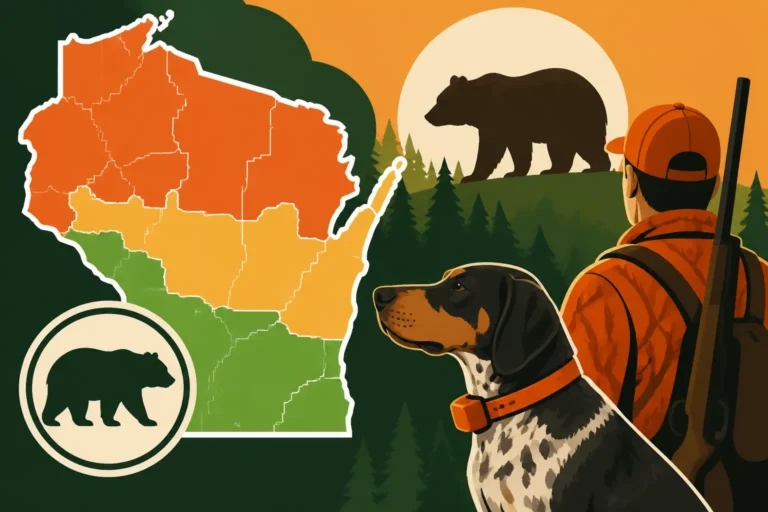
Hunting black bears and elk in Wisconsin is a highly coveted opportunity, and for nonresidents, it's even more of a long-shot endeavor due to the preference point system. Wisconsin Bear Preference Points and Zones dictate that you'll need to apply annually and accumulate points for many years before you even have a realistic chance of drawing a tag, especially in the more popular zones. The application period typically runs in December, and missing it means missing out on building points for that year. It's a game of patience, often taking over a decade for a nonresident to draw a bear tag.
Elk hunting is even more exclusive. While nonresidents can apply for an elk tag, the number of tags is extremely limited, often just one or two per year for the general public, making the odds astronomically low. Most tags are allocated to Wisconsin residents. Despite the slim chances, many nonresidents still apply, hopeful for a once-in-a-lifetime opportunity. You can find more details on Wisconsin's Record Elk Hunt to understand the scale of this unique opportunity.
Small Game and Waterfowl Packages
If deer, bear, or turkey aren't your primary target, Wisconsin also offers excellent nonresident opportunities for small game and waterfowl. A general nonresident small game license will cover you for species like squirrels, rabbits, ruffed grouse, and woodcock. This is a great, often more affordable way to experience Wisconsin's wild lands. For upland birds, you might want to look into Ruffed Grouse and Woodcock Hunting in Wisconsin for specific strategies and areas.
For waterfowl, nonresidents will need a base nonresident small game license, along with a state waterfowl stamp and a federal duck stamp. Additionally, specific Wisconsin Waterfowl Seasons and Zones exist, and you'll need to be aware of bag limits and species restrictions. Hunters often combine small game and waterfowl pursuits, spending mornings in a duck blind and afternoons flushing grouse. It’s a fantastic way to maximize your time and investment in a Wisconsin hunting trip.
The Go Wild System for Nonresidents
The Go Wild system is Wisconsin's integrated platform for all hunting, fishing, and trapping licenses. As a nonresident, this will be your primary portal for purchasing licenses, applying for draws, and even registering your harvest. While generally user-friendly, navigating it for the first time as an out-of-stater can still raise a few questions.
Navigating Online Purchases
The Go Wild website (gowild.wi.gov) is where you'll create an account and manage all your Wisconsin hunting credentials. You'll need to provide personal information, and if you've hunted in Wisconsin before, your existing customer ID will link your history, including any preference points. When purchasing licenses, the system will guide you through available options, clearly distinguishing between resident and nonresident fees. It’s important to double-check your selections, especially for species-specific tags, to ensure you’re getting the right authorization for your intended hunt.
Many nonresidents find tools like those offered by GoHunt invaluable for keeping track of opening dates, application periods, and even public land boundaries, which can be particularly tricky when you're not a local. While the Wisconsin DNR website is your official source, supplementary apps, like some features from GoHunt, can help you organize your research and planning. Make sure your account information is up-to-date, especially your mailing address, as some permits or tags might still be sent via postal service, although most are digital now.
Required Certifications
Beyond the basic licenses, nonresidents often need specific certifications or stamps. For instance, anyone hunting migratory birds (ducks, geese, woodcock, dove) needs to complete a Harvest Information Program (HIP) certification annually, which is a quick series of questions about your previous year's migratory bird harvest. This is typically done directly through the Go Wild system when you purchase your waterfowl stamp.
If you plan to hunt with a firearm or bow, and haven't previously completed a hunter safety course or don't have proof of a prior hunting license from Wisconsin or another state, you might be required to take Wisconsin Hunter Safety and Mentored Hunting. While experienced hunters are often exempt with proof of previous licenses, newer hunters or those bringing along a young hunter will need to ensure compliance. The Go Wild system is generally smart enough to prompt you for these requirements based on your age and stated hunting history.
| License Type | Nonresident Adult Cost (Approx.) | Key Requirements/Notes | Application Deadline (If Applicable) |
|---|---|---|---|
| Annual Gun Deer | $160 – $180 | Includes 1 antlered tag; antlerless tags sold separately. | OTC |
| Annual Archery/Crossbow Deer | $160 – $180 | Includes 1 antlered tag; antlerless tags sold separately. | OTC |
| Annual Small Game | $80 – $90 | Covers rabbits, squirrels, grouse, woodcock, etc. | OTC |
| Spring Turkey | $60 – $70 (plus application fee) | Draw system; specific zones/periods. | Early December |
| Fall Turkey | $40 – $50 | OTC; specific zones. | OTC |
| Bear Application (Preference Point) | $5 – $10 | Mandatory annual application for preference points. | Early December |
| Bear License (Once Drawn) | $250 – $300 | Issued after drawing a tag. | Varies (after drawing) |
| Elk Application | $10 – $15 | Draw system; extremely low odds for nonresidents. | Late May |
| Federal Duck Stamp | $25 – $30 | Required for waterfowl hunters (purchase USPS or Go Wild). | N/A |
| Wisconsin Waterfowl Stamp | $7 – $8 | Required for waterfowl hunters. | OTC |
| HIP Certification | Free | Required annually for migratory bird hunters. | Done with waterfowl stamp purchase |
Note: Costs are approximate and subject to change. Always verify current prices and regulations on the Wisconsin DNR website.
Special Considerations for Nonresidents
Beyond the basic license purchases, nonresidents face a few unique situations that require careful attention, particularly when it comes to coveted species or introducing new hunters to the sport. Being prepared for these nuances can make a significant difference in your overall hunting experience in Wisconsin.
Preference Points for Controlled Hunts
For species like bear and spring turkey, Wisconsin utilizes a preference point system to manage harvest and ensure fairness in limited quota draws. As a nonresident, accumulating these points is crucial, especially for bear. Each year you apply for a bear permit and are unsuccessful, you accrue one preference point. The more points you have, the better your odds of drawing a tag in subsequent years. This system is detailed in Wisconsin Bear Preference Points and Zones. It's a long game, often requiring a decade or more of consistent applications for nonresidents to draw a bear tag in popular zones.
For spring turkey, a similar system exists, though the wait times are generally much shorter, and many nonresidents can draw a tag within a few years, especially if they are flexible with their zone and period choices. The key takeaway is to apply every year during the designated application period, even if you don't plan to hunt that specific year. Those points are valuable and can only be earned by participating in the annual drawing.
Required Stamps and Endorsements
In addition to your base hunting license, certain game species or hunting methods require additional stamps or endorsements. Waterfowl hunting, as mentioned, requires both a state and federal waterfowl stamp, as well as the HIP certification. These aren't just extra fees; they directly fund critical wetland conservation and restoration efforts, ensuring healthy habitats for ducks and geese. You'll typically purchase the Wisconsin waterfowl stamp through the Go Wild system, and the federal stamp can often be bought there too, or at your local post office.
For archery hunters, the single archery/crossbow license covers both methods, so no separate endorsement is needed if you choose to switch between a vertical bow and a crossbow within that season. It's always best practice to review the Wisconsin Waterfowl Seasons and Zones regulations booklet well in advance of your hunt to ensure you haven't overlooked any required stamps for your specific targets.
Mentored Hunting for Newcomers
Wisconsin offers an excellent Mentored Hunting Program, which is particularly beneficial for nonresidents looking to introduce a new hunter to the sport, regardless of age. Under this program, an unlicensed mentee (any age) can hunt small game, deer, or turkey with a licensed mentor (18 years or older) without needing to complete a hunter safety course. The mentor must be fully licensed for the game being hunted, remain within arm's reach of the mentee, and only one firearm or bow can be shared between them.
This is a fantastic way to bypass the hunter safety requirement for a first-time hunt, allowing a younger family member or friend to experience Wisconsin hunting firsthand. It's a great opportunity to share the passion without the initial hurdle of a course. However, if the mentee decides to continue hunting in future years, they will eventually need to complete their own hunter safety certification. You can find more details about the program in Wisconsin Hunter Safety and Mentored Hunting.
Planning Your Wisconsin Nonresident Hunt
Successfully planning a nonresident hunting trip to Wisconsin involves more than just buying licenses. You need to consider season dates, scouting, land access, and crucial regulations like those concerning CWD. A well-thought-out plan will not only increase your chances of success but also ensure a smooth and enjoyable experience.
Understanding Season Dates and Zones
Wisconsin has a complex tapestry of hunting seasons, with different start and end dates for various species and often differing by zone or even county. For instance, the general Wisconsin Gun Deer Season Dates are a nine-day stretch in November, but early archery season can start much earlier, and late archery extends into January. Wisconsin Deer Management Zones (Northern Forest, Central Forest, Farmland, and CWD Management) further dictate antlerless tag availability and sometimes even season lengths.
Nonresidents absolutely must pore over the Wisconsin Department of Natural Resources (DNR) hunting regulations annually. These are available online well in advance of the seasons. Don't rely on last year's dates or general knowledge; always check the current year's regulations. Missing a season opener or, worse, hunting out of season, can lead to serious penalties and ruin your trip. This level of detail is something where platforms like GoHunt can really help you visualize the dates and boundaries.
Public vs. Private Land Access
Access to hunting land is a critical concern for any hunter, but especially for nonresidents who may not have established connections. Wisconsin boasts an impressive amount of Public Hunting Land in Wisconsin, including vast county forests, national forests like the Chequamegon-Nicolet, and numerous state wildlife areas. These lands are open to everyone, but they can experience significant hunting pressure, especially during opening weekends. Scouting these areas well in advance using online maps or tools like the DNR's "Hunt Wild" app is highly recommended.
However, some of the best hunting, particularly for trophy whitetails, often occurs on private land. As a nonresident, gaining access to private property requires respectful communication and asking for Getting Private Land Permission in Wisconsin. Many farmers and landowners are gracious, but it's essential to ask well in advance, understand their specific rules, and always leave the property in better condition than you found it. Never assume access; always ask permission, even for retrieving downed game.
CWD and Carcass Movement
Chronic Wasting Disease (CWD) is a serious concern in Wisconsin, particularly in the southwestern and parts of the southeastern regions of the state. Which Wisconsin Counties Have CWD are often subject to specific Wisconsin Carcass Transport Rules and Wisconsin CWD Sampling and Test Sites. As a nonresident, you need to be acutely aware of these regulations, as they can impact how you process and transport your harvested deer back to your home state.
Generally, whole carcasses cannot be transported out of CWD-affected counties or, in some cases, out of Wisconsin entirely, unless specific processing steps are taken (e.g., boning out the meat, removing brain and spinal column). Many counties offer voluntary or mandatory CWD testing. It’s vital to understand these rules to avoid citations and to help prevent the spread of this devastating disease. Check the latest DNR guidelines for CWD zones and regulations before your hunt.
Cost and Application Deadlines
Understanding the financial investment and critical dates for license applications is arguably the most practical aspect of planning your nonresident Wisconsin hunting trip. Nonresident fees are substantially higher than resident fees, reflecting the earlier discussion about conservation funding.
General Price Ranges
The table above gives you a good approximate idea of costs, but let's delve a bit deeper. A basic nonresident annual gun deer license, for instance, typically costs around $160-$180. Compare that to a resident license, which is usually under $30. This price difference is consistent across most license types. An annual nonresident archery or crossbow license is in a similar price range to the gun deer license. If you're planning to hunt both archery and gun deer seasons, you'll need both licenses, doubling your base deer license cost.
Small game licenses for nonresidents are usually in the $80-$90 range, while a nonresident spring turkey permit (if drawn) typically costs around $60-$70, plus a small application fee. These prices can add up quickly, especially if you plan to pursue multiple species. Budgeting for your licenses is as important as budgeting for your travel, lodging, and gear.
Critical Application Dates
While many licenses (like general deer and small game) can be purchased over-the-counter (OTC) right up to or during the season, several highly sought-after permits require applications far in advance. Missing these deadlines means missing the opportunity for that year entirely.
- Bear and Spring Turkey: The application period for both bear preference points and spring turkey permits typically opens in early December and closes around December 10th. This is arguably the most crucial deadline for nonresidents hoping to hunt these species.
- Elk: The application period for the Wisconsin elk hunt usually runs from early May to late May. Given the incredibly low odds, many treat this as a small annual lottery ticket.
- Leftover Spring Turkey Authorizations: If you miss the draw or are unsuccessful, leftover spring turkey authorizations usually go on sale in late March, with sales staggered by zone. These are first-come, first-served and can sell out very quickly, so having your Go Wild account ready and being logged in right when sales open is essential.
It's a lot to keep track of, but the Wisconsin DNR website, and supplementary tools from GoHunt, are your best friends for staying on top of these dates. Mark your calendar, set reminders, and make sure you apply during the correct windows. Don't let a missed deadline be the reason your Wisconsin hunting adventure gets postponed.
Disclaimer
Please be aware that hunting regulations, season dates, and license fees in Wisconsin can change annually. The information provided in this guide is for general informational purposes only and should not be considered legal advice. Always consult the official Wisconsin Department of Natural Resources (DNR) website and current year's hunting regulations for the most accurate and up-to-date information before planning and executing your hunt.