Slings for a Long Northwoods Walk
There's nothing quite like the crisp air of a Wisconsin autumn or a frosty Northwoods morning, but that romance can quickly fade when your rifle or shotgun feels like a lead pipe digging into your shoulder after miles of walking. We've all been there: shifting the weight from one aching shoulder to the other, trying to juggle a firearm while navigating thick brush or steep coulees. This guide is all about finding the perfect sling to transform those grueling treks into comfortable, hands-free journeys, keeping you focused on the hunt, not the ache.
Why a Good Sling is Non-Negotiable for Northwoods Hunting
Let's face it, hunting in Wisconsin, especially in our vast Northwoods or the rugged Driftless Area, isn't always a stroll through a manicured park. You're often covering miles of uneven terrain, pushing through dense tangles, and scrambling over downed timber. A cheap, ill-fitting sling can be more of a hindrance than a help, leading to fatigue and missed opportunities. Investing in a quality sling isn't about luxury; it's about practical necessity for the serious Wisconsin hunter.
The Strain of Carrying a Bare Rifle All Day
Imagine this: you've been still-hunting a cedar swamp for hours, or perhaps you're working your way along a ridge top, hoping to intercept a cruising buck. Every step with a bare rifle, clutched awkwardly in one hand or balanced on a shoulder, drains your energy. Your arm aches, your shoulder protests, and your concentration wavers. By the time you spot that wary whitetail, your muscles are screaming, and your shooting arm feels like dead weight. This isn't just about discomfort; it directly impacts your ability to make an ethical, accurate shot when the moment finally arrives. The fatigue sets in insidiously, building up hour after hour, making what should be an enjoyable experience feel like a chore.
A rifle without a proper sling is also more prone to accidental bumps and scrapes. You might be carefully pushing through a stand of young aspens, and clink – your scope hits a branch. Or worse, you slip on some wet leaves, and your firearm takes an unexpected tumble. This kind of wear and tear, or potential damage to your optics, can be easily mitigated by keeping your hands free and your rifle securely slung.
Navigating Challenging Terrain with Comfort
Wisconsin's diverse landscapes throw a lot at us. From the dense conifer forests up north, where you might be Hunting the Wisconsin Northern Forest for Deer, to the steep, broken terrain of the Hunting the Wisconsin Driftless Area with its treacherous coulees and ridge tops, having both hands free is a game-changer. Picture yourself crossing a beaver marsh, where you need to carefully place each foot to avoid a misstep into deep muck, or climbing a steep bank while trying to maintain your balance on loose rock. With a sling, your firearm is secure on your back or shoulder, leaving your hands free to grab a sapling for stability, use trekking poles, or even hold your binoculars to glass a distant ridge.
Think about the winter months, too, when snow cover can add another layer of difficulty. Trying to break trail through deep snow with a rifle in hand is exhausting. A good sling allows you to use your hands to push snow aside, brace yourself, or manage other gear like a Sleds and Drags for Snow Country. It's about efficiency and safety, ensuring that you can focus on the path ahead, not just on keeping a grip on your firearm.
Different Types of Slings and What Works Best in Wisconsin
The world of slings might seem simple, but there's actually a fair bit of variety out there. For the Wisconsin hunter facing long walks, understanding the differences can make a huge impact on your comfort and readiness in the field.
Traditional Two-Point Slings
The classic two-point sling is probably what most people envision. It attaches to your firearm at two points: usually one near the buttstock and one closer to the fore-end. These slings are simple, effective, and widely available. They allow you to carry your rifle across your back or over one shoulder. Materials range from traditional leather to modern nylon and neoprene. Leather slings offer a timeless aesthetic and impressive durability, molding to your shoulder over time. However, new leather can sometimes be stiff or squeaky, which isn't ideal for quiet movement in the woods. Nylon slings are often lightweight, strong, and relatively inexpensive, but cheaper versions can feel stiff or cause chafing. Neoprene, often seen in a padded design, offers excellent grip and some stretch, which can make a heavy rifle feel lighter.
For many hunters, a quality two-point sling is all they need. Its simplicity means fewer moving parts to break or get tangled. When you're carrying your Rifle Setups for Wisconsin Deer or shotgun for Grouse and Woodcock Hunting in Wisconsin, a well-adjusted two-point sling keeps your firearm secure, but still accessible for a relatively quick draw.
Padded Slings for Comfort on Long Hauls
If "long Northwoods walk" is the core of your hunting experience, then a padded sling should be at the top of your list. The difference in comfort between a thin strap and a well-padded sling, especially when carrying a heavier rifle like a .30-06 or even a slug gun, is monumental. Padded slings distribute the weight of your firearm much more evenly across your shoulder, preventing that sharp, digging pain that can sideline you early in the day. Materials like thick neoprene, memory foam, or closed-cell foam are often encased in durable fabric.
Think about a long trek into a remote public land area, perhaps far off a logging road to find a spot that sees fewer hunters. You're loaded down with your rifle, a backpack full of Packs for a Day on Public Land, and essential layers of Clothing for a Wisconsin November. A padded sling ensures that the firearm isn't the primary source of discomfort, allowing you to maintain focus and energy. Some padded slings even have a textured or rubberized backing to help prevent the sling from slipping off your shoulder, which is a huge bonus when navigating uneven ground or bending over to check tracks.
Materials Matter: Durability and Quietness
The material of your sling isn't just about comfort; it's about reliability and stealth.
- Leather: A classic choice, known for its rugged durability and aesthetic appeal. It can be stiff initially but breaks in beautifully. However, it can absorb water and become heavier in wet conditions, and new leather might squeak until well-oiled and broken in – a sound that carries far in a quiet forest.
- Nylon/Cordura: Extremely durable, lightweight, and often more affordable. It's resistant to water and mildew. Look for designs with soft edges or neoprene sections to prevent chafing. High-quality nylon is generally quiet, but some cheaper weaves can be noisy rubbing against clothing or themselves.
- Neoprene: Often found in padded slings, neoprene offers excellent cushioning and a bit of stretch, which helps absorb shock and make the firearm feel lighter. It's also water-resistant and provides good grip, making it less likely to slide off your shoulder, especially with bulky winter jackets.
- Rubberized Backing: Many modern slings incorporate a rubberized or textured backing, regardless of the primary material. This feature is fantastic for keeping the sling securely on your shoulder, preventing frustrating slips every few steps.
When you're sneaking through a thicket, the last thing you want is the squeak of leather or the rustle of a cheap nylon sling giving away your position. Choose materials that remain quiet even when wet or cold, and that won't degrade quickly in the often-harsh Wisconsin weather.
| Sling Type/Material | Pros | Cons | Ideal Wisconsin Use |
|---|---|---|---|
| Traditional Leather | Durable, classic look, long-lasting, molds to body | Can be stiff/noisy when new, heavier when wet, less padding | General hunting, less strenuous walks, aesthetic preference |
| Nylon/Cordura | Lightweight, strong, water-resistant, affordable | Can be stiff if unpadded, some cheaper versions noisy | Versatile, good for moderate walks, budget-friendly |
| Padded Neoprene | Excellent comfort, good grip, shock absorption, quiet | Can be bulkier, may have some stretch depending on design | Long treks, heavy firearms, cold/wet weather, active hunting |
| Hybrid (Padded Nylon/Neoprene) | Combines durability of nylon with comfort of neoprene | Can be pricier, may still be somewhat bulky | All-around best for long Northwoods walks and varied conditions |
Key Features to Look for in a Wisconsin Hunting Sling
Beyond just the type and material, a few specific features can elevate a sling from "okay" to "indispensable" for the Wisconsin hunter. These details contribute to comfort, functionality, and ultimately, your success in the field.
Adjustability for Different Body Types and Layers
Wisconsin weather is famously unpredictable, meaning your hunting attire can vary wildly from light layers in early archery season to bulky parkas and bibs in late muzzleloader season. A good sling needs to be easily and quickly adjustable. You want to be able to cinch it up tight when you're navigating rough terrain or crawling through thick cover, and then loosen it quickly for a comfortable shoulder carry or when shedding layers. The adjustment buckles or slides should operate smoothly and quietly, even with gloved hands.
Think about how often you might layer up or down throughout a long day. If your sling isn't easily adjustable, it's either too tight and uncomfortable, or too loose and constantly slipping. This seemingly small detail can save you a lot of frustration and energy. When you're checking current gear trends on platforms like GoHunt, pay close attention to reviews that mention ease of adjustment.
Swivels and Attachment Points: Reliability is Key
The swivels and attachment points are the unsung heroes of any sling system. They connect your sling to your firearm, and if they fail, your entire sling becomes useless, and your rifle hits the ground.
- Quick Detach (QD) Swivels: These are increasingly popular and for good reason. They allow for rapid attachment and removal of the sling from your firearm, which can be handy for storage, cleaning, or when transitioning to a shooting bench. Ensure the QD swivels are made of high-quality steel and lock securely.
- Traditional Swivels: These use a screw or pin to attach to swivel studs on your rifle. Look for robust metal construction; cheap plastic or flimsy metal can wear out or break, especially under the constant movement of a long walk. Double-check that the swivel studs on your firearm are also securely mounted and not wobbly.
- Mounting Type: Ensure the sling comes with the correct mounting hardware for your firearm. Most modern hunting rifles come with swivel studs, but some older models or tactical firearms might require different attachment methods.
Reliability here is paramount. You don't want your sling to fail when you're miles into the Hunting Wisconsin Northern Forest for Deer, possibly on remote ground where First Aid Kits for Remote Northwoods Ground are also essential. Always test your swivels and attachment points before heading into the field.
Weather Resistance for All Wisconsin Seasons
Wisconsin's hunting seasons throw everything at us: warm rains in September, freezing sleet in November, and deep, dry snow in December. Your sling needs to stand up to it all.
- Water Repellency: Materials that shed water rather than absorb it are crucial. A waterlogged sling becomes heavier, colder, and can stay wet against your clothing, making you uncomfortable. Look for treated nylon, neoprene, or water-resistant leather.
- Flexibility in Cold: Some materials, particularly cheaper plastics or stiff nylon, can become rigid and noisy in freezing temperatures. A good sling will remain pliable and quiet, allowing for comfortable movement even when the mercury plummets.
- Corrosion Resistance: Metal hardware on your sling should be corrosion-resistant. This might mean stainless steel, coated brass, or other treated metals to prevent rust and ensure smooth operation season after season. This is especially important if you hunt near the Great Lakes or the Mississippi River where humidity can be higher.
Your gear should work with you, not against you, regardless of what Mother Nature decides to throw your way. If you're wearing Boots for Wisconsin Swamps and Snow and Insulated Boots for All-Day Sits to brave the elements, your sling should be just as resilient.
Carrying Techniques for Optimal Comfort and Readiness
Having the right sling is only half the battle; knowing how to use it effectively for comfort and quick access to your firearm is the other. Different situations call for different carrying methods, and mastering a few can significantly enhance your hunting experience.
Shoulder Carry vs. Backpack Style Carry
These are the two primary ways most hunters utilize a two-point sling.
- Shoulder Carry: This is the most common method. The sling goes over one shoulder, allowing the rifle to hang at your side, either pointing down or slightly forward.
- Pros: Quick access to the firearm, especially for right-handed shooters who carry on their right shoulder with the muzzle pointing back, or on the left shoulder with the muzzle forward. It's good for terrain that allows for relatively open movement and where you expect a quick shot.
- Cons: Can be tiring on one shoulder over long distances, especially with heavier rifles. The rifle can swing or bump against your leg, potentially making noise or hitting brush. It's less secure for hands-on activities like climbing or pushing through very dense cover.
- Backpack Style Carry (or "African Carry"): This involves wearing the rifle across your back, with the sling over both shoulders like backpack straps. The muzzle can point up or down, depending on preference and safety.
- Pros: Distributes weight evenly across both shoulders, significantly reducing fatigue on long walks. Keeps hands completely free for climbing, navigating thick brush, or carrying other gear. Offers maximum security, preventing the rifle from swinging or getting caught. Ideal for long treks to and from your hunting spot, or when you anticipate a more strenuous journey.
- Cons: Slower to bring the rifle into a shooting position compared to a quick shoulder carry. It requires practice to unshoulder smoothly and quietly.
Many hunters will use a backpack carry for the long walk in, then switch to a shoulder carry when they get into a hot zone or start to still-hunt more actively. Practicing transitions is key to making this effective and quiet. You can find excellent instructional videos on how to smoothly transition from a backpack carry to a shooting position, often demonstrated by reputable hunting outfitters or gear companies like those you might find featured on GoHunt.
Keeping Your Firearm Ready for a Quick Shot
While comfort is important, a hunting sling should never compromise your ability to quickly and effectively engage a target.
- Adjusting Sling Tension: When you're actively hunting, you want enough tension to keep the rifle secure against your body, but loose enough to allow for a quick draw. If it's too tight, you'll fight it. If it's too loose, it will flop around. Finding that sweet spot comes with practice.
- Quick Release Features: Some slings incorporate quick-release buckles or fasteners that allow you to rapidly detach the sling or lengthen it instantly. These can be useful for quickly going from a secure backpack carry to a shooting position, or for dropping the sling entirely if you need to ditch it for a quick, unencumbered stalk.
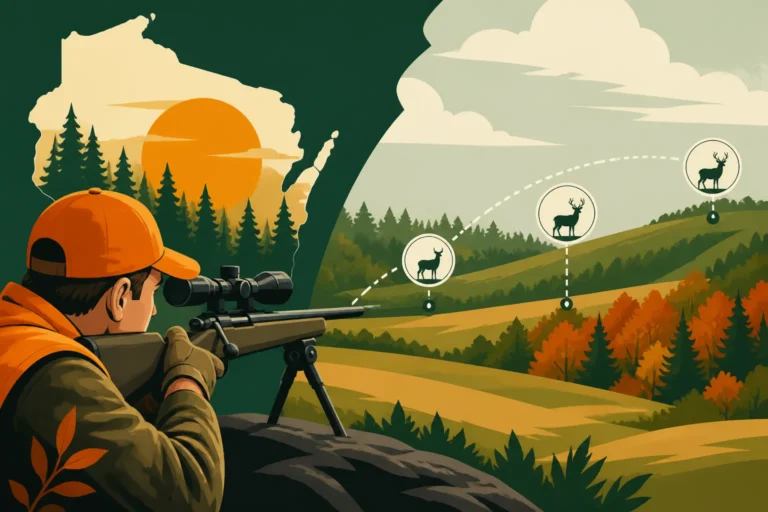
- Practice Drawing: Spend time at home (with an unloaded firearm, of course!) practicing drawing your rifle from various sling positions. See how quickly and quietly you can bring it to your shoulder. This muscle memory will be invaluable when a deer steps out unexpectedly as you're navigating a Reading a Ridge Point for Deer Movement or crossing an open field. Even if you're primarily pursuing Long Shots Across a Wisconsin Coulee, getting on target quickly is crucial.
Using Your Sling with a Backpack
Often, a long Northwoods walk involves carrying a hunting backpack in addition to your firearm. Integrating the sling with your backpack for comfort and efficiency is vital.
- Over the Backpack Straps: For a shoulder carry, you can wear the sling over your backpack straps. This often works well, as the backpack padding can add extra comfort for the rifle sling.
- Under the Backpack Straps: Some hunters prefer to wear the rifle sling under their backpack straps for a more secure, "sandwiched" carry. This works best with thin, low-profile slings. However, it can make it harder to quickly remove the sling or rifle without taking off your pack.
- Dedicated Backpack Attachment Points: Some hunting backpacks are designed with dedicated attachment points or straps for securing a rifle. If your pack has this feature, it's often the most comfortable and secure option for long hauls, allowing you to completely free up your shoulders from the rifle's weight.
Experiment with different configurations at home before your hunt. Load up your pack, sling your rifle, and walk around your yard. Simulate climbing over obstacles. See what feels most comfortable and efficient for you. Every hunter's body and gear setup is a little different, so what works perfectly for one might not for another.
Disclaimer
This article is for general informational purposes only and does not constitute professional advice. Laws, prices and regulations vary by location and change over time. Consult a qualified professional for guidance on your specific situation.