Frame Packs for Boning Out a Deer
There's nothing quite like the feeling of dropping a beautiful Wisconsin whitetail deep in the backcountry, far from any road. But that initial rush often gives way to a daunting question: "How on earth am I going to get this deer out of here?" Dragging a whole deer through swamps, over fallen timber, or up a steep Driftless Area coulee can be brutal, if not impossible. This comprehensive guide will walk you through everything you need to know about using a robust frame pack specifically for boning out a deer and efficiently packing your harvest out of the most challenging Wisconsin terrain.
Why a Frame Pack is Essential for Backcountry Wisconsin Hunting
When you're pushing miles into the vastness of the Chequamegon-Nicolet National Forest or navigating the rugged topography of the Driftless Area, the method you choose for game retrieval can make or break your hunt. A frame pack isn't just a luxury; it's often a necessity for serious backcountry hunters in Wisconsin.
The Reality of Remote Kills and Tough Terrain
Imagine you've successfully harvested a mature buck two miles back into a remote state forest, perhaps after executing some expert Still-Hunting Wisconsin Cedar Swamps tactics. The exhilaration is real, but so is the impending physical challenge. Dragging a whole deer, especially a heavy-bodied Wisconsin buck, through thick brush, over downed trees, and across wetlands is a Herculean task. It's not just physically draining; it's also incredibly inefficient and can damage the meat. Public lands in Wisconsin, from the sprawling county forests to the rugged river bottoms, often require significant effort to penetrate, and getting a full animal out intact is a logistical nightmare without the right gear.
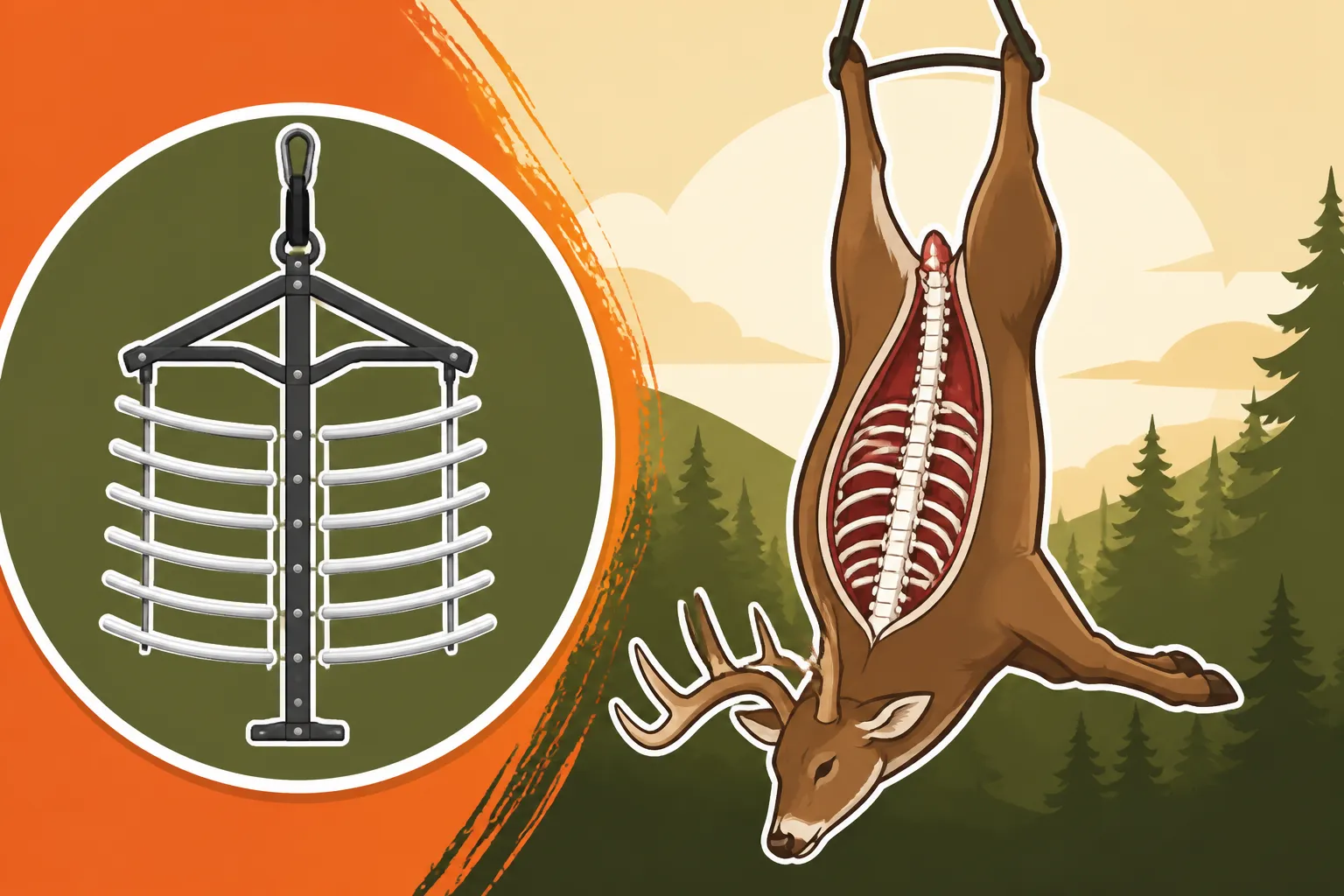
This is where boning out and a frame pack truly shine. Instead of one massive, unwieldy load, you're breaking the deer down into manageable sections. This method allows you to leave the bulk of the weight (bones, hide, entrails) in the field, reducing the load by a significant percentage. While you might still need to make multiple trips for a very large deer or if you're bringing out the antlers and cape, each trip is far more efficient and less punishing on your body. The ability to navigate dense cover and steep inclines with a balanced, heavy pack far outweighs the effort of boning out in the field. It means you can go deeper, hunt harder, and ultimately, be more successful without dreading the recovery process.
Maximizing Meat Care in Varied Wisconsin Temperatures
Wisconsin's hunting seasons span a wide range of temperatures. Early archery season, often coinciding with When Wisconsin's Archery Season Opens, can be surprisingly warm, with daytime highs still reaching into the 60s or even 70s. In these conditions, getting the deer cooled down quickly is paramount to preserving the meat. Boning out a deer in the field dramatically increases the surface area exposed to air, allowing the meat to cool much faster than leaving it in a full carcass. This quick cooling is critical in preventing spoilage.
A good frame pack, especially one designed with a dedicated meat shelf or expandable main compartment, facilitates this. You can place your boned-out meat, meticulously cleaned and tucked into breathable game bags, directly onto the frame. This keeps the meat elevated, allowing air circulation around it and preventing it from being compressed and insulated against your back. For those mid-season hunts or even Muzzleloader Tactics in December Cold when temperatures plummet, while spoilage is less of an immediate concern, the ease of transport and protection from snow or dirt is still invaluable. Quality game bags are also key here; they protect the meat from flies, dirt, and debris while allowing it to breathe. The combination of efficient boning and a well-ventilated frame pack ensures that your hard-earned venison arrives home in the best possible condition, no matter what Mother Nature throws at you.
Key Features to Look For in a Wisconsin Frame Pack
Choosing the right frame pack for boning out a deer involves more than just picking something that looks rugged. You need specific features that cater to heavy, awkward loads and the demanding nature of backcountry Wisconsin hunting.
Frame Material and Load Capacity
The heart of any good frame pack is, of course, its frame. For packing out boned-out deer, an external frame system is generally preferred over internal frame packs that are more geared towards traditional backpacking. External frames offer a rigid structure that can handle substantially more weight and allow for better weight distribution of non-uniform loads like game quarters. Look for frames constructed from robust, lightweight materials such as aircraft-grade aluminum. This material offers an excellent strength-to-weight ratio, which is crucial when you're already carrying a heavy load of meat.
A quality frame should be capable of handling well over 100 pounds comfortably. Think about it: a decent-sized Wisconsin buck might yield 60-80 pounds of boned-out meat, plus you might be adding the cape, antlers, your rifle or bow, and your day hunting gear. You need a frame that won't flex, creak, or worse, break under pressure. Some of the top hunting-specific frame pack manufacturers, like GoHunt and others, design their frames with dedicated load shelves or meat hauling systems that integrate seamlessly. These systems are engineered to carry the bulk of the weight low and close to your body, maintaining your center of gravity and making those tough ascents and descents more manageable, especially when navigating terrain that requires Entry Routes on Steep Driftless Ground.
Suspension System and Comfort
A strong frame is useless without a comfortable and adjustable suspension system. This is the crucial interface between the heavy load and your body. The goal is to transfer the majority of the pack's weight to your hips, relieving your shoulders, which can quickly fatigue under heavy loads. Look for generously padded and highly adjustable shoulder straps. They should conform to your body shape without digging in. The sternum strap is also important for stabilizing the pack across your chest.
However, the hip belt is perhaps the most critical component. It should be wide, thickly padded, and rigid enough to support substantial weight without collapsing or rolling. A good hip belt will literally hug your hips, distributing the load effectively. Furthermore, ensure the pack has an adjustable torso length. This allows you to fine-tune the fit to your specific body dimensions, which is vital for long-distance comfort, especially if you're Hunting the Wisconsin Northern Forest for Deer where long hauls are common. Breathability in the back panel and shoulder straps is another often-overlooked feature. Mesh or channeled padding helps airflow, reducing sweat buildup, which can lead to chafing and discomfort on extended pack-outs. Spending the time to properly adjust and fit your pack before the season is an absolute must; don't wait until you're trying to haul out a deer.
Bag Options, Meat Shelves, and Compression Straps
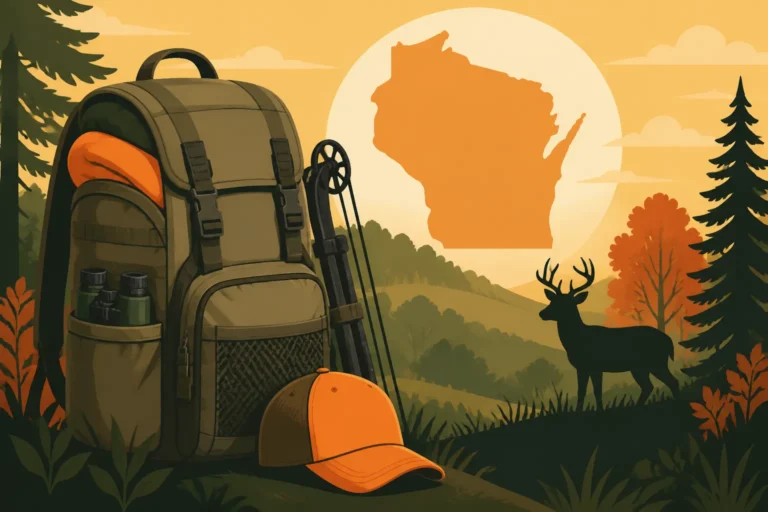
The versatility of a frame pack often comes down to its bag system. Many frame packs are designed with a modular approach, featuring a dedicated "load shelf" or "meat shelf" between the rigid frame and an attached main pack bag. This shelf is where you'll place the game meat, typically inside game bags, keeping it separate from your personal gear. This separation is key for hygiene and preventing blood from contaminating your other items. The main pack bag then cinches down over the meat, compressing it against the frame.
Look for a pack that offers multiple attachment points and robust compression straps. These straps are vital for cinching the load down tight, preventing any shifting or swaying as you move. A load that shifts can throw you off balance, making walking treacherous and quickly tiring you out. Some systems, like those offered by GoHunt, also feature accessory bags or expandable main compartments that can be detached or expanded depending on your needs for a particular hunt. This modularity means you can use a smaller setup for a day hunt or expand it to carry out a full deer. Consider packs that have internal or external pockets for storing essential items like your knife, game bags, water, and emergency supplies within easy reach, even when the main compartment is loaded with meat. The ability to secure antlers (if desired) to the exterior of the pack without them catching on every branch is another practical consideration.
Practical Application: Boning Out and Packing a Deer in Wisconsin
The best frame pack in the world won't do you much good if you don't know how to efficiently bone out a deer and properly load it. This is where preparation and practice pay off.
The Boning Out Process in the Field
Field boning a deer is a skill that comes with practice, but the basics are straightforward. First and foremost, safety and hygiene are critical. Wear clean gloves and have a sharp, sturdy knife (or two). Once your deer is down, secured, and has expired, you'll want to move quickly, especially in warmer weather. The primary goal is to remove the four quarters (front and hind legs), the backstraps, and the tenderloins. Some hunters also take the neck meat, rib meat, and trim.
Start by carefully skinning the deer enough to expose the major muscle groups. Work deliberately, keeping the meat as clean as possible. You can remove the quarters by separating them at the joints or, more commonly, by following the muscle seams. The backstraps run along the spine and are relatively easy to peel off. The tenderloins are inside the body cavity, against the spine, and require a bit more finesse to extract without puncturing the intestines. As you remove each section of meat, immediately place it into a clean, breathable game bag. These Game Bags for Warm September Days are designed to protect the meat while allowing it to cool. If you plan to keep the cape for a mount, ensure you make the proper cuts and leave plenty of hide. If you're packing out the skull and antlers, you might separate the head from the spine and clean it thoroughly. For a deeper dive, consider techniques covered in Bone Saws Versus the Gutless Method. Remember, the cleaner you are in the field, the less work you'll have back at camp.
Loading and Balancing Your Frame Pack
Once your deer is boned out and bagged, it's time to load your frame pack. Proper loading is paramount for comfort and stability. Start with the heaviest items closest to your back and centered as much as possible. If your pack has a dedicated meat shelf, this is where your bagged quarters will go. Arrange them to distribute the weight evenly across the frame. Often, the two hindquarters are the heaviest; place one on each side of the central spine of the frame. The backstraps and tenderloins can fill in gaps or be placed in a top bag.
Use the pack's compression straps liberally. Cinch everything down tightly against the frame to minimize shifting. Any movement of the load will throw your balance off and quickly lead to fatigue. If you're bringing out the antlers, they can typically be secured to the top or side of the pack using additional straps, ensuring they don't catch on overhead branches. Before heading out, lift the loaded pack and adjust the shoulder straps and hip belt again. Do a few squats or steps to feel how the load shifts and make any final adjustments. Practicing loading your pack with sandbags or other heavy items at home can make a world of difference when you're doing it for real, cold, and tired in the field. Some manufacturers, including GoHunt, often provide video tutorials on their websites demonstrating optimal loading techniques for their specific pack systems.
Hauling Your Harvest Out: Tips for Wisconsin Terrain
With your pack loaded and adjusted, the final challenge is the haul out. Pacing is key. Don't try to sprint out; take slow, deliberate steps. Short, frequent breaks are far better than pushing yourself to exhaustion. Hydration is also incredibly important, so make sure you have enough water in your Packs for a Day on Public Land. If you're navigating steep inclines, uneven ground, or Recovering a Deer From a Coulee Bottom, trekking poles can be invaluable for maintaining balance and taking some strain off your knees.
Wisconsin terrain can be unforgiving. You might encounter thick brush, swamps, rocky ridges, or slippery leaves. Focus on placing your feet deliberately, especially when crossing obstacles or descending steep slopes. If possible, consider the advantage of having a hunting partner. Two hunters can share the load, making multiple trips less taxing, or even carry out larger deer in a single, well-distributed load. For example, one hunter could take the front quarters and gear, while the other takes the hindquarters and antlers. Be mindful of scent, especially if you plan to return to hunt the area. While you’ve boned out the deer, there will still be residual blood and scent on your pack. If you’re hunting in an area prone to attracting scavengers like coyotes or bears, be aware of your surroundings, especially if you leave a partially loaded pack for a second trip. And finally, when facing the challenge of Getting a Deer Out of a Wisconsin Swamp, plan your route carefully, staying on the firmest ground possible to avoid sinking with a heavy load.
Maintenance and Longevity of Your Frame Pack
A high-quality frame pack is an investment, and like any good piece of gear, it will serve you for many seasons if properly cared for. Neglecting it after a successful hunt can lead to odors, mold, and premature wear.
Cleaning Your Pack After a Successful Hunt
After a long, successful pack-out, the last thing most hunters want to do is clean their gear. However, this is a critical step for a frame pack used for meat. Remove all bags, straps, and components that can be detached. Your primary focus will be on the meat shelf and any parts of the main bag that came into contact with the game bags. Even with good game bags, there will likely be some blood residue, dirt, and animal hair.
Start by hosing down the frame and affected areas of the pack. Use a mild, unscented soap or an enzymatic cleaner specifically designed for hunting gear to break down blood and eliminate odors. Avoid harsh detergents or bleach, which can damage the fabric and coatings. Scrub gently with a soft brush, paying close attention to seams, zippers, and any crevices where blood or dirt might collect. Rinse thoroughly until all soap residue is gone and the water runs clear. The goal is to remove all organic material to prevent bacteria growth and lingering odors that could spook game on future hunts.
Inspecting and Storing for Future Seasons
Once your pack is thoroughly clean, the drying process is paramount. Hang the pack in a well-ventilated area, out of direct sunlight, allowing all components to air dry completely. Never store a damp pack, as this is an open invitation for mold and mildew, which can destroy fabrics and create persistent, unpleasant smells. This might take a day or two, so be patient.
After drying, take the time to inspect your pack. Check all stitching, buckles, zippers, and straps for any signs of wear, fraying, or damage. Look for any stretched elastic, cracked plastic components, or torn fabric. Addressing minor issues now, such as reinforcing a loose seam or replacing a worn buckle, can prevent a major failure in the field next season. Many quality pack manufacturers, including those like GoHunt, offer replacement parts or repair services, which speaks to the longevity of their products. Store your clean, dry, and inspected frame pack in a cool, dry place away from direct sunlight and extreme temperatures. An unconditioned garage or shed might work, but a closet or basement is often better to protect the fabric and plastic components from degradation over time. Proper storage ensures your pack is ready for your next Wisconsin hunting adventure, whether you're chasing deer in Late Antlerless Hunting in Wisconsin or exploring new public land.
Frame Pack Features Comparison Table
To help you visualize the different aspects we've discussed, here's a quick comparison of key frame pack features for boning out a deer:
| Feature | Description | Ideal for Wisconsin Hunting | Benefit for Boned-Out Deer |
|---|---|---|---|
| Frame Type | External vs. Internal Frame designs. | External | Superior for heavy, awkward loads; keeps weight off back. |
| Frame Material | Aluminum, carbon fiber, or composite materials. | Aircraft-grade Aluminum | High strength-to-weight ratio, durability. |
| Load Capacity | Maximum weight the pack can comfortably carry. | 100+ lbs | Handles full boned-out deer, gear, cape, antlers. |
| Suspension | Padded shoulder straps, adjustable torso length, hip belt. | Highly Adjustable | Transfers weight to hips; prevents shoulder fatigue; custom fit. |
| Meat Shelf | Dedicated platform to secure game meat directly to the frame. | Essential | Keeps meat separate from gear; allows airflow for cooling. |
| Compression | External straps to cinch down and stabilize the load. | Robust & Numerous | Prevents load shifting; enhances stability on rugged terrain. |
| Bag System | Integrated main bag, modular bags, or standalone frame. | Modular/Expandable | Versatile for day hunts or full pack-outs; adapts to load size. |
| Breathability | Airflow channels in back panel and shoulder straps. | Important | Reduces sweat buildup; increases comfort during strenuous activity. |
| Durability | Ripstop fabrics, heavy-duty zippers, reinforced stitching. | High | Withstands abrasion from brush, heavy loads, and repeated use. |
Disclaimer
This article is for general informational purposes only and does not constitute professional advice. Laws, prices and regulations vary by location and change over time. Consult a qualified professional for guidance on your specific situation.