Handling Bear Meat Safely
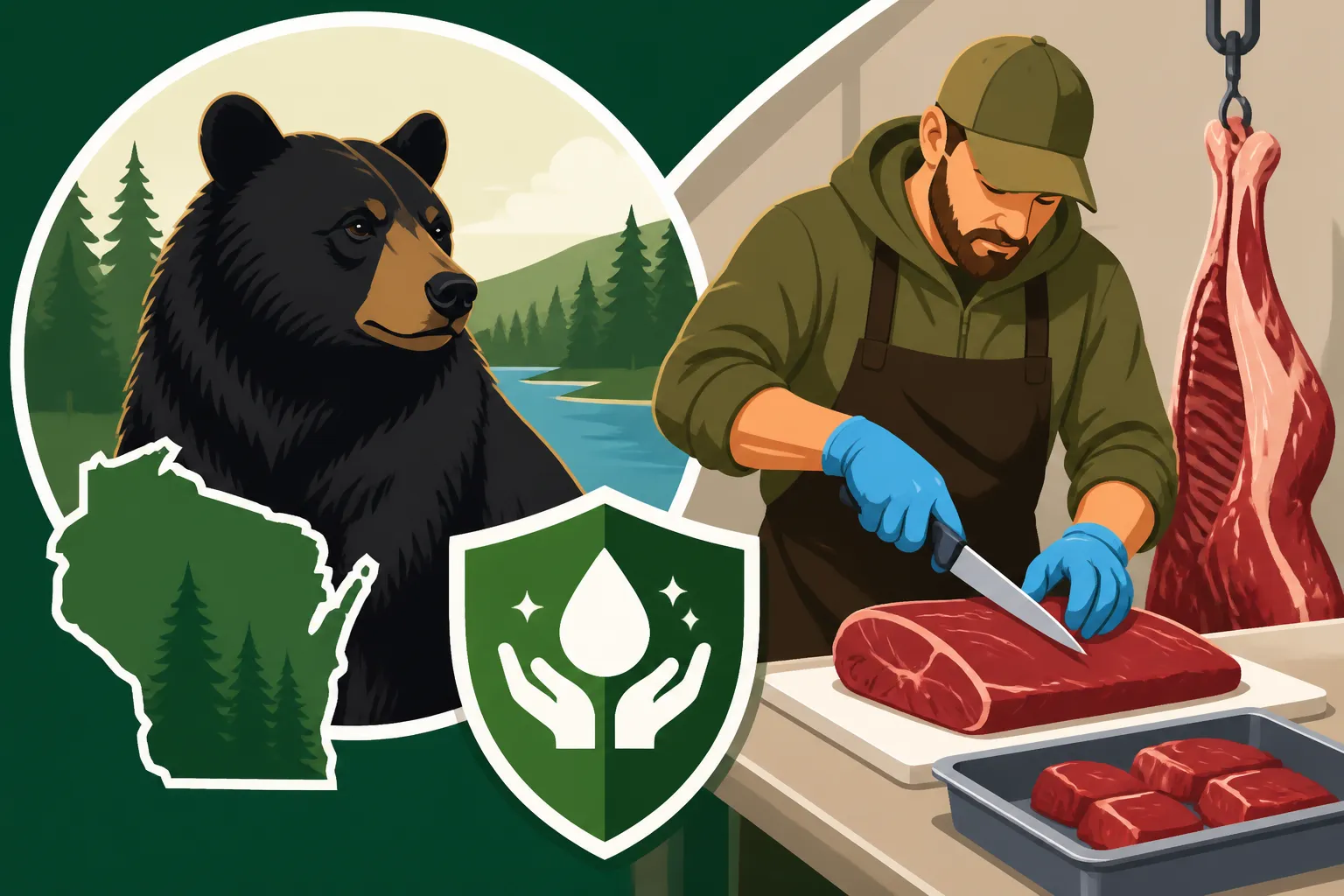
You've just experienced the thrill of a successful bear hunt in Wisconsin, a truly incredible accomplishment! That rush of adrenaline, the challenge of the chase – it's something special. But once the excitement settles, a new challenge emerges: ensuring that magnificent bear meat makes it to your dinner plate safely and deliciously. Many hunters feel a bit overwhelmed at this stage, worrying about things like parasites, especially trichinella, or how to handle the unique, sometimes strong, flavor profile of bear. And let's be honest, getting a huge animal like a bear field-dressed and cooled properly can feel like a monumental task. This guide is here to walk you through every critical step of handling your Wisconsin bear meat, from the moment of harvest all the way to your freezer, so you can savor every last bite without a single worry.
Prompt Field Dressing and Rapid Cooling are Non-Negotiable
The absolute first and most critical step in ensuring quality bear meat is getting it field-dressed and cooled down as quickly as humanly possible. This isn't just about preserving flavor; it's about food safety. Bear meat, like all game, begins to degrade rapidly, especially in warmer temperatures. Unlike deer, bears have a thick layer of fat that can hold heat for a very long time, and that heat is the enemy of good meat.
The Immediate Priority: Gutting and Skinning
As soon as your bear is down and secure, the clock starts ticking. Your priority should be to remove the internal organs to stop heat generation and then to skin the animal. Don't delay. If you're out in the Northwoods, far from camp, this means getting to work right there. For those who've hunted the big bruins, you know that a full-grown Wisconsin bear can be an absolute beast to move. If you're on public land, especially in areas like the Chequamegon-Nicolet National Forest, this might mean a significant drag or calling in some serious backup. The goal is to get that hide off. The hide acts like an insulating blanket, trapping all that body heat. Think about the incredible insulation of a bear's fur – it's designed to keep them warm, which is the exact opposite of what you want for the meat.
Once field-dressed, you might consider quartering the bear in the field, especially if it's a large one, to make transport easier. This also exposes more surface area to the air, aiding in cooling. Be meticulous with your cuts to avoid contaminating the meat. Having a clean tarp or game bags can make a huge difference here. You want to keep dirt, hair, and other contaminants away from the exposed meat. Remember, sanitation from the get-go directly impacts the final product. It's a lot of work, but every effort you put in now pays dividends later. For tips on similar field situations, you might find some useful insights in a guide like Field Dressing a Deer in Cold Weather, keeping in mind the scale difference for a bear.
Getting the Carcass Cooled Down Rapidly
After skinning, the next big hurdle is dropping that core body temperature. If you're hunting during Wisconsin's warmer early bear seasons, this is even more critical. Ideally, you want to get the quarters into a cooler filled with ice or in a walk-in cooler within a few hours. If you're hours away from such facilities, you'll need to be creative. Prop the carcass open, away from direct sunlight, allowing air to circulate. Placing ice bags directly into the body cavity can also help significantly.
Many hunters use heavy-duty game bags to protect the meat from insects and dirt while still allowing it to breathe. These aren't just for transport; they're vital for field cooling. If you have to transport the meat in warmer conditions, even for a relatively short drive, make sure it’s in a cooler with plenty of ice. Don't just throw it in the back of your truck without protection. The surface of the meat will quickly form a crust (a "pellicle") if exposed to air, which is good, but the internal temperature is what really matters. A good practice, especially if you're using resources like the GoHunt app for mapping and planning your hunt, is to identify nearby processing facilities or ice sources before you even hit the woods. Having a plan for rapid cooling will save you a lot of headache and potentially, a lot of meat.
Processing and Butchering Your Bear
Once you've got the bear cooled down, the real work of turning it into freezer-ready packages begins. This process, while similar to deer, has some unique considerations due to the bear's anatomy and fat content.
Breaking Down the Carcass
Whether you're doing it yourself or taking it to a professional, understanding the basic breakdown is helpful. Bears have tough connective tissue and thick fat layers. This isn't necessarily bad; bear fat can be rendered for cooking or soap, but it's often where some of the "gamey" flavor resides. For butchering yourself, you'll want sharp knives and possibly a bone saw. Separate the major muscle groups – hindquarters, shoulders, loins, and backstraps. The ribs can be tricky, but excellent for barbecue or stew meat.
When cutting, pay close attention to removing as much silver skin, gristle, and large pieces of fat as possible from the muscle meat intended for steaks, roasts, or ground bear. This is a critical step in mitigating any strong flavors some bears might have. Younger bears often have milder tasting meat, while older boars, especially during the rut, can have a more intense flavor. It's a hands-on, often messy, job, but knowing how to break down an animal properly is a rewarding skill. You can find more general processing advice in resources like Butchering a Deer at Camp, applying similar principles to your bear.
Trimming, Grinding, and Packaging
After breaking down the main cuts, the real trimming begins. For steaks and roasts, you want clean, lean muscle. Any pieces with significant fat or connective tissue should be set aside for grinding. Grinding bear meat is an excellent way to utilize many cuts, and it's fantastic for chili, burgers, sausages, and meatloaf. Many hunters will mix bear trim with pork fat (usually around 20-30%) when grinding to improve texture and moisture, as bear meat can be quite lean once trimmed, and this also helps with some flavor modulation.
When packaging, use quality freezer paper, vacuum sealer bags, or heavy-duty freezer bags. Label everything clearly with the cut and date. Proper packaging prevents freezer burn, which can ruin the taste and texture of your hard-earned meat. Investing in a good vacuum sealer is truly a game-changer for long-term storage of any wild game. You've worked too hard for this meat to let it get freezer-burned after a few months.
Preventing Trichinellosis: The Most Important Step
This cannot be stressed enough: all bear meat must be cooked to a safe internal temperature to kill trichinella parasites. This is not a suggestion; it's a mandatory safety measure. While the prevalence of trichinella in wild bears varies by region and year, it is always a risk that must be addressed.
Understanding Trichinella and Its Risks
Trichinella spiralis is a parasitic nematode (roundworm) that can infect various carnivores and omnivores, including bears, and can be transmitted to humans who consume undercooked meat from an infected animal. The larvae encyst in muscle tissue, and if ingested, they mature in the human intestine, reproduce, and then new larvae migrate into human muscle, causing a condition called trichinellosis (or trichinosis). Symptoms can range from mild digestive upset to severe muscle pain, fever, and in rare cases, even death. It's a serious illness, and hunters need to be aware.
The good news is that preventing it is straightforward: proper cooking. Freezing alone is generally not sufficient to kill all strains of trichinella in bear meat, unlike some other parasites in different species. While some specific strains might be killed by prolonged freezing at extremely low temperatures, it's not a reliable method for hunters without commercial-grade freezers capable of maintaining temperatures well below 0°F for extended periods. Therefore, cooking is your primary defense.
Cooking Bear Meat to a Safe Temperature
The USDA recommends cooking all wild game meats, including bear, to an internal temperature of 160°F (71°C). Some sources even recommend a slightly higher 170°F (77°C) for extra caution, especially for ground meats. This temperature ensures that any trichinella larvae present are destroyed. You must use a meat thermometer to confirm the temperature. Do not rely on visual cues like color.
Here's a quick reference table for safe cooking temperatures:
| Meat Type | Minimum Internal Temperature |
|---|---|
| Wild Game (Bear, Boar) | 160°F (71°C) |
| Ground Meat (Beef, Pork) | 160°F (71°C) |
| Poultry (Chicken, Turkey) | 165°F (74°C) |
| Whole Cuts of Beef, Pork, Lamb | 145°F (63°C) (with 3-minute rest) |
For larger cuts like roasts, make sure the thermometer is inserted into the thickest part of the meat, avoiding bone. For ground bear patties, check the center of the patty. This is where using the right equipment for your hunt, as discussed in Rifle Setups for Wisconsin Deer or Muzzleloaders for a Wisconsin December, is just as important as using the right cooking tools in your kitchen.
Maximizing Flavor and Long-Term Storage
Beyond safety, you want your bear meat to be delicious. Wild game often has a distinct flavor, and bear is no exception. With proper handling and preparation, it can be incredibly tender and rich.
Mitigating Strong Flavors
As mentioned, proper trimming is key. Removing excess fat and connective tissue goes a long way. Beyond that, marinating can be very effective, especially for cuts that might come from an older boar. Marinades with acidic components (vinegar, wine, citrus juice) can help tenderize the meat and infuse it with complementary flavors. Dairy products like buttermilk or yogurt are also popular for soaking game meat, as their enzymes help break down proteins and can mellow stronger flavors.
Some hunters find that soaking bear meat in saltwater for a few hours (or even overnight) before cooking can draw out some of the stronger flavors. Experiment with different spices and cooking methods. Bear meat takes well to slow cooking methods like stewing, braising, or roasting with vegetables, which also helps ensure it reaches that critical internal temperature. Don't be afraid to experiment with your favorite recipes from other red meats, keeping the temperature requirement in mind. The GoHunt community often shares fantastic wild game recipes, so that might be a place to find some inspiration.
Freezing and Beyond
Properly packaged bear meat, stored in a deep freezer at 0°F (-18°C) or colder, can last for 12 months or even longer. Vacuum sealing is the gold standard for preventing freezer burn and maintaining quality. If you're using freezer paper, wrap tightly, pressing out as much air as possible, and then overwrap with freezer tape.
Consider turning some of your bear meat into sausage, jerky, or canned bear stew. These methods not only extend shelf life but also offer different ways to enjoy your harvest. Making sausage is a great way to use up trim and create a versatile product that can be used in many dishes. Just remember, any processed bear meat (like jerky) must also reach the safe internal temperature during its preparation process. The efforts you put into Handling a Bear After the Shot will be well rewarded when you're enjoying delicious bear meals months later.
A Note on Bear Fat
Don't discard all that beautiful bear fat! Bear fat, particularly from a healthy, well-fed animal, renders down into a clear, odorless lard that is excellent for cooking, baking, and even making soap. It has a high smoke point and can be used just like other animal fats. It's truly a traditional and valuable byproduct of a bear harvest. Just cube the fat, slowly render it in a pot over low heat, strain it, and store it in jars in the refrigerator or freezer.
Making the most of your bear harvest means respecting the animal and utilizing as much as possible. With careful field handling, diligent processing, and absolutely critical attention to cooking temperatures, your Wisconsin black bear will provide many delicious, safe meals for you and your family. Enjoy the bounty of the wild!
Disclaimer
The information provided in this guide is for general informational purposes only and does not constitute professional advice. Hunting regulations and safety guidelines can change, and it is the hunter's responsibility to consult the most current Wisconsin Department of Natural Resources (DNR) regulations and guidelines. Always prioritize safety in the field and when handling wild game.