Posting a Drive on a Wisconsin Swamp
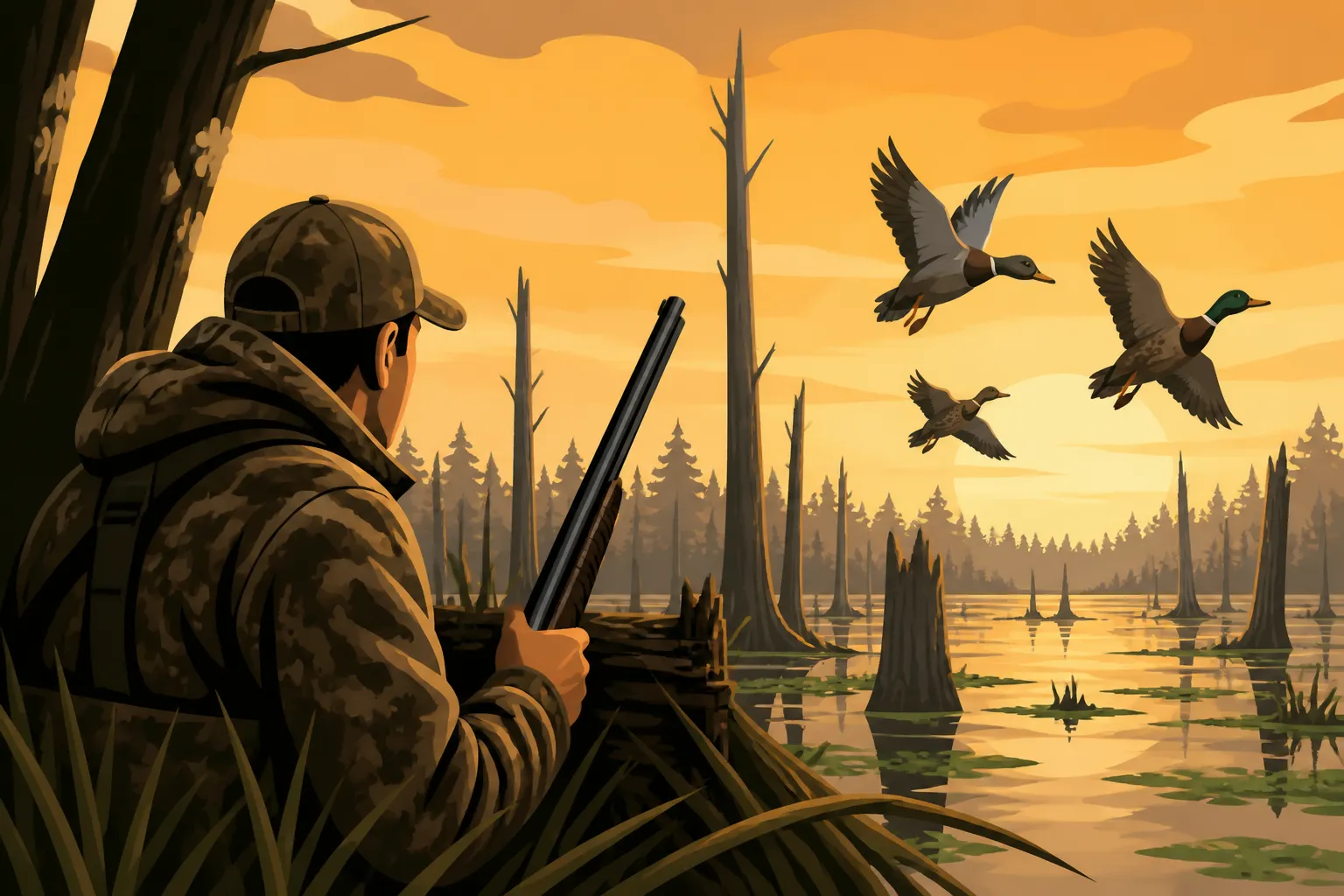
There's nothing quite like the unique challenge and camaraderie of a deer drive, especially when you're navigating the thick, often unforgiving terrain of a Wisconsin swamp. Many hunters have felt that frustration of deer slipping out unseen, or the sheer difficulty of moving quietly through mucky ground and dense cover. This guide is all about mastering the art of posting a deer drive in those challenging swamp environments, giving you the best chance to outsmart those swamp-savvy whitetails.
Understanding Wisconsin Swamps and Deer Behavior
Wisconsin's swamps aren't your average woods; they're complex ecosystems that deer use extensively for survival, especially during hunting season. Understanding how deer utilize these areas is the first step to a successful drive.
The Dynamics of Swamp Habitat
Swamps in Wisconsin vary wildly, from vast cedar swamps up north to lowland alder thickets and willow bottoms found in other parts of the state. What they all have in common is a mix of dense cover, often difficult footing, and standing water. Deer seek out these areas for security. It's their sanctuary from hunting pressure, offering excellent thermal cover in cold weather and thick visual protection year-round. They know these places inside and out, often having escape routes and travel corridors that are barely discernible to human eyes. When planning a drive, you’re not just looking at a patch of woods; you're looking at a deer's fortress. Ignoring the specific characteristics of the swamp you're hunting is a common mistake, leading to blown drives and frustrated hunters. You've got to respect the swamp and its residents.
How Deer Use Swamps for Escape
When pressured, deer don't always bolt out of a swamp in a straight line. They often use the thick cover to circle back on drivers, slip out the sides, or simply lie down and let the disturbance pass. Bucks, especially mature ones, are masters of this game. They know where the water is deepest, where the thickest tangles offer the most concealment, and where they can sneak along the edge of human activity undetected. They might stage in a small island of high ground within the swamp, waiting for the optimal moment to make their move. This is why just pushing through isn't enough; you need a strategic approach to intercept them. Understanding these subtle escape tactics is crucial for effective posting. Knowing where deer are most likely to try and peel off or double back helps determine where your posters need to be positioned for maximum effectiveness.
Key Roles and Responsibilities in a Swamp Drive
A successful swamp drive is a coordinated effort, much like a well-choreographed dance. Everyone needs to know their role, understand the plan, and be able to execute it safely and effectively.
Defining Driver and Poster Roles
In any deer drive, you typically have two main groups: the drivers and the posters (sometimes called blockers). The drivers are the ones pushing through the swamp, making noise, and systematically moving the deer. Their job isn't to necessarily shoot deer, but to keep the animals moving in the desired direction. This requires patience, keen awareness of their surroundings, and maintaining communication. The posters, on the other hand, are positioned strategically along the expected escape routes. Their role is to remain absolutely still, vigilant, and ready to take a shot when a deer is pushed past them. They are the ones who will ideally get a shot opportunity. Everyone involved needs to understand that a swamp drive is rarely about the drivers getting shots; it's about setting up the posters for success.
Crucial Communication and Safety Protocols
Communication is paramount in a swamp drive, even more so than in open timber, because visibility can be extremely limited. Before anyone steps foot into the swamp, a clear plan must be established. This includes:
- Designated Boundaries: Everyone needs to know the exact start and end points of the drive, as well as the lateral boundaries. Using an app like GoHunt can be incredibly helpful here, as it allows you to mark boundaries, waypoints, and even track everyone's movement in real-time (if cell service allows, or if maps are pre-downloaded).
- Signaling: Establish clear verbal or whistle signals for "start," "stop," "deer sighted," and "shot taken."
- Safe Lanes of Fire: Posters must understand their safe shooting lanes. In thick swamp cover, this often means very close-range shots and knowing exactly where other hunters are. Never shoot at sound or movement; positively identify your target and ensure a safe backdrop. Remember, safety always comes first, especially when hunting with others. Make sure everyone is aware of the Wisconsin Blaze Orange and Pink Rules for visibility.
- Check-ins: Regular check-ins, even if just visual confirmation, are crucial to ensure everyone is on track and safe.
- Emergency Plan: What if someone gets stuck in the muck, or a hunter is injured? A pre-arranged emergency plan, including designated meeting points and knowledge of basic first aid, is essential.
Taking the time to go over these details before the drive begins will not only increase safety but also boost the chances of a successful outcome.
Strategic Posting and Driving Tactics
The real art of a swamp drive lies in the strategic placement of posters and the methodical approach of the drivers. It's about funneling deer where you want them, not just pushing them randomly.
Identifying Natural Funnels and Escape Routes
Before you even think about putting boots on the ground, spend a good amount of time studying aerial maps. Apps like GoHunt or other mapping tools are invaluable here. Look for subtle transitions:
- Narrowings in the Swamp: Areas where the swamp becomes narrower, or pinches down between higher ground, are prime spots for posters. Deer will naturally try to funnel through these choke points.
- Edges of Upland: Where the dense swamp cover meets dry, open timber or a field edge, deer often exit. These transition zones are high-traffic areas.
- Hardwood Ridges or Islands: Sometimes there are small "islands" of hardwoods or higher ground within a large swamp. Deer might use these as staging areas before deciding which way to exit. Posters placed at the downwind side of these islands can be highly effective.
- Logging Roads or Old Trails: Any kind of established path, even if overgrown, can serve as a travel corridor for deer moving through the swamp.
- Wind Direction: Always consider the wind. Posters should be positioned downwind of the expected deer movement. Drivers, too, need to understand how the wind will carry their scent and sound. Deer will almost always try to use the wind to their advantage, circling downwind of perceived threats. If you are hunting a specific Hunting a Funnel Between Two Swamps, then wind direction is doubly important.
It’s often beneficial to have a couple of mobile posters or "floaters" who can quickly reposition if deer are consistently breaking out in unexpected areas. This requires excellent communication and flexibility.
Effective Poster Placement and Stand Selection
Once you've identified potential funnels, the next step is precise poster placement. This isn't just about standing anywhere on the edge; it's about finding the perfect spot.
- Concealment is Key: Posters must blend into their surroundings. In thick swamp edges, this might mean tucking into a cluster of evergreens, behind a large downed log, or setting up a simple ground blind. Movement is the enemy; deer will spot you instantly in open areas. Consider using natural cover to break up your outline.
- Elevated Positions: If possible, an elevated position like a portable treestand or saddle can give a poster a better vantage point over thick swamp vegetation. This is especially useful if you're trying to see over tall reeds or willow thickets. Just ensure your entry and exit routes to the stand are quiet and do not disturb the area before the drive.
- Downwind Advantage: Posters should always be positioned downwind of the direction the deer are expected to travel. This way, their scent is carried away from the approaching deer.
- Clear Shooting Lanes (but not too clear): You need clear lines of sight for a safe shot, but avoid clearing out so much brush that you expose yourself. Find natural openings that offer a shooting window while maintaining cover.
- Pinch Points and Intersections: Place posters where two or more escape routes converge, or where a narrow strip of dry land forces deer past a certain point.
- Patience and Stillness: Once in position, posters must become statues. Every rustle, every fidget, can alert a wary swamp deer. This can be challenging when the weather turns cold, so wearing proper Boots for Wisconsin Swamps and Snow and warm layers for Cold Weather Sitting Strategy is critical.
A well-placed poster, even if they don't see a deer for hours, can be the linchpin that turns a chaotic push into a successful harvest.
Driving Tactics for Maximizing Deer Movement
The drivers' role is to methodically push the swamp, encouraging deer to move towards the posters without spooking them into an unpredictable escape.
- Slow and Steady Wins the Race: This isn't a race. Drivers should move slowly and deliberately, pausing frequently. A consistent, low-level disturbance is more effective than sudden bursts of noise. This gives deer time to react and move, rather than immediately busting out in an unknown direction.
- Maintain Spacing: Drivers need to maintain consistent spacing across the width of the swamp. If gaps open up, deer will inevitably slip through them and circle back or exit undetected. Using calls or light shouting at regular intervals can help drivers stay aligned.
- Work the Thickets: Don't shy away from the nastiest, thickest parts of the swamp. These are often where the biggest, most cautious bucks will be bedded. Drivers should make sure to push through every dense tangle and cluster of cover.
- Utilize Natural Barriers: If one side of the swamp is bordered by a river or a road, drivers can lean on that boundary, using it as a "wall" to help funnel deer towards the open side where posters are waiting.
- Scent and Sound Discipline: While drivers are making noise, they still need to be mindful of their scent and movement. Wearing appropriate layers and trying to move as quietly as possible through the muck can help guide deer rather than send them into a full panic.
- Knowing When to Call It: Drivers also need to know when to conclude the drive. Pushing too far past the designated end point can compromise poster positions and create unsafe shooting conditions.
- Coordination with Deer Drives With Three or Four Hunters: If your group is small, adjusting the width of your drive and the number of posters is crucial. A smaller group might need to focus on a smaller, more contained section of swamp.
By executing a slow, deliberate, and coordinated push, drivers can effectively move swamp deer, increasing the opportunities for the waiting posters.
Safety and Recovery Considerations
Hunting in swamps presents unique challenges not only in terms of strategy but also safety and the practicalities of retrieving game. These aspects demand careful planning and respect for the environment.
Navigating Hazardous Terrain Safely
Wisconsin swamps are beautiful but can be treacherous. Muck, hidden logs, deep water, and tangled vegetation are constant hazards.
- Footwear is Non-Negotiable: Invest in good quality, knee-high rubber boots, or chest waders if the water is consistently deep. Waders like those from LaCrosse or Frogg Toggs can make a huge difference in comfort and safety. Nothing ruins a drive faster than cold, wet feet, or worse, taking a tumble into frigid water.
- Walk Slowly and Deliberately: Test the ground with each step. Use a walking stick or a sturdy branch for balance and to probe for deep spots or hidden obstacles.
- Be Aware of Your Surroundings: It's easy to get disoriented in the homogenous cover of a swamp. Use a GPS device or a mapping app like GoHunt on your phone to track your location and maintain your bearing. Pre-download maps, as cell service is often non-existent in remote swampy areas. Regularly check your position against the overall drive plan.
- Buddy System: Never hunt alone in a truly remote or dangerous swamp. Even if you're a poster, ensure someone knows your general location and when to expect you back.
- Weather Conditions: Pay close attention to the forecast. Freezing temperatures can turn swamp water into a thin, unpredictable layer of ice, making movement even more dangerous. Rain can make the muck even deeper and more difficult to traverse.
Your safety and the safety of your hunting partners must always be the top priority. No deer is worth a serious injury.
| Role | Primary Goal | Movement Style | Key Considerations |
|---|---|---|---|
| Driver | Push deer towards posters | Slow, deliberate, noisy | Maintain spacing, work thick cover, clear communication |
| Poster | Intercept deer from escape routes | Still, silent, vigilant | Concealment, safe shooting lanes, downwind position |
Recovering Deer from Challenging Swamp Terrain
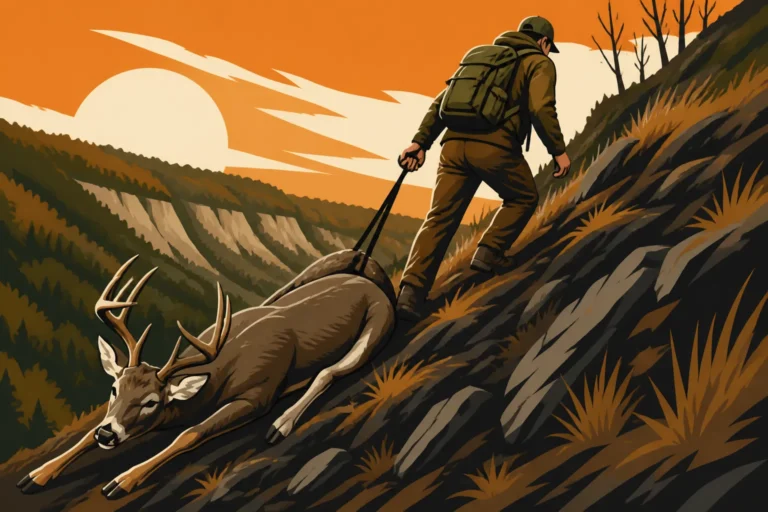
Congratulations, you've successfully pushed a deer, and a poster made a good shot! Now comes the next challenge: Getting a Deer Out of a Wisconsin Swamp. This can be one of the most physically demanding parts of swamp hunting.
- Mark the Spot: If a deer goes down in the swamp, immediately mark the last known spot with something highly visible – flagging tape, a brightly colored hat, or a GPS waypoint. Swamps can quickly swallow up a downed animal in the dense vegetation.
- Blood Trailing: Blood trailing in a swamp is often difficult. The ground cover, standing water, and sometimes a lack of clear blood trails mean you need to be extra meticulous. Go slow, look for disturbed vegetation, broken twigs, or even overturned leaves. If the blood trail is sparse, expand your search in circles around the last confirmed spot.
- Tools for Extraction:
- Deer Sleds: Even on bare ground, a good deer sled can make pulling a deer through mud and over obstacles much easier. In winter conditions, Sleds and Drags for Snow Country are invaluable.
- Ropes and Pulleys: Sometimes, getting a deer out of a deep hole or over a particularly nasty section requires mechanical advantage. A sturdy rope and perhaps a small pulley system can be a lifesaver.
- Extra Hands: This is where the camaraderie of a deer drive truly shines. More hands on a rope make an impossible task much more manageable. Don't hesitate to ask for help from your hunting partners.
- Field Dressing: Consider if field dressing the deer in situ will make the extraction easier. Removing the guts will lighten the load significantly, though it can be a messy job in a swamp. Ensure proper disposal of entrails away from water sources.
Hunting a swamp in Wisconsin isn't just about the hunt itself; it's about respecting the land, planning meticulously, and being prepared for the unique challenges it presents. With good strategy, clear communication, and a focus on safety, your next swamp drive can be both successful and memorable.
Disclaimer
Hunting is an inherently dangerous activity. The information provided in this guide is for informational purposes only and should not replace proper hunter education, safety training, and adherence to all Wisconsin hunting regulations. Always prioritize safety, understand your equipment, and be aware of your surroundings.