How Many People Apply for Wisconsin Bear
If you've ever dreamt of heading into the woods for a Wisconsin black bear hunt, you've likely stared at the application forms and felt a mix of excitement and dread. The truth is, drawing a Wisconsin bear tag can feel like winning the lottery, and for good reason—thousands of eager hunters apply each year for a limited number of coveted permits. This comprehensive guide will break down the numbers, explain the system, and offer insights to help you navigate the competitive world of Wisconsin bear applications.
The Steep Climb to a Wisconsin Bear Tag
Let's face it, getting a bear tag in Wisconsin isn't easy. It requires patience, a bit of strategy, and a whole lot of luck. The sheer volume of applicants compared to the number of available permits makes it one of the most sought-after big game drawings in the state. Many hunters spend years accumulating preference points, holding onto the hope that their number will finally be called. It's a rite of passage for many, applying year after year, sometimes for a decade or more, before finally getting the chance to pursue one of Wisconsin's magnificent black bears.
Understanding the Preference Point System
The Wisconsin Department of Natural Resources (DNR) uses a preference point system for bear permits, and understanding it is absolutely critical if you ever want to draw a tag. Simply put, for every year you apply for a bear permit and aren't drawn, you receive one preference point. These points accumulate, and the more points you have, the better your chances are in subsequent drawings. It's designed to give loyal, long-term applicants a better shot, but it also means newer applicants face an uphill battle.
Imagine you're a new hunter, fresh out of your hunter safety course, dreaming of a bear hunt. You apply for a permit, perhaps for Zone A, the most popular and challenging zone to draw. You don't get it, but you earn a point. The next year, you apply again, don't get it, and now you have two points. This process continues, year after year, slowly inching you closer to that elusive tag. It's a game of long-term commitment, and many seasoned hunters have upwards of 10-12 points, or even more, before they finally draw in the highly sought-after zones. The system rewards persistence, but it certainly tests your patience, especially when you consider that a significant number of people apply each year, further saturating the applicant pool. To truly get a handle on the journey ahead, it's worth exploring all the details of Wisconsin Bear Preference Points and Zones.
Recent Application Numbers and Trends
The demand for Wisconsin bear tags continues to be incredibly high, reflecting the growing interest in big game hunting and the healthy population of How Many Black Bears Wisconsin Has. For instance, in a recent application period, the Wisconsin DNR reported that over 135,000 individuals applied for roughly 11,500 available permits. Let that sink in for a moment: over ten times more applicants than available tags. This stark reality underscores why drawing a tag takes so many preference points for most hunters.
Looking back over the years, the trend in bear application numbers has generally been on an upward trajectory. More and more people are recognizing the unique challenge and reward of bear hunting in Wisconsin. While the total number of permits issued fluctuates slightly based on the bear population and harvest goals, the number of applicants consistently far outstrips supply. This creates a highly competitive environment, particularly in the northern zones, where bear densities are higher and hunting opportunities are perceived as better. This consistent demand means that the "point creep" phenomenon is real; the number of points required to draw a tag often increases year after year, making it an even longer wait for those just starting out. Resources like GoHunt can provide detailed historical draw odds, allowing applicants to see exactly how many points it has taken to draw in specific zones over time.
Diving Deep into Wisconsin's Bear Zones
Wisconsin isn't just one big bear hunting area; it's divided into several distinct zones, each with its own characteristics, bear population, and, crucially, its own set of application numbers and draw odds. Understanding these zones is paramount to developing a successful long-term strategy for acquiring a tag.
Zone-Specific Demand and Quotas
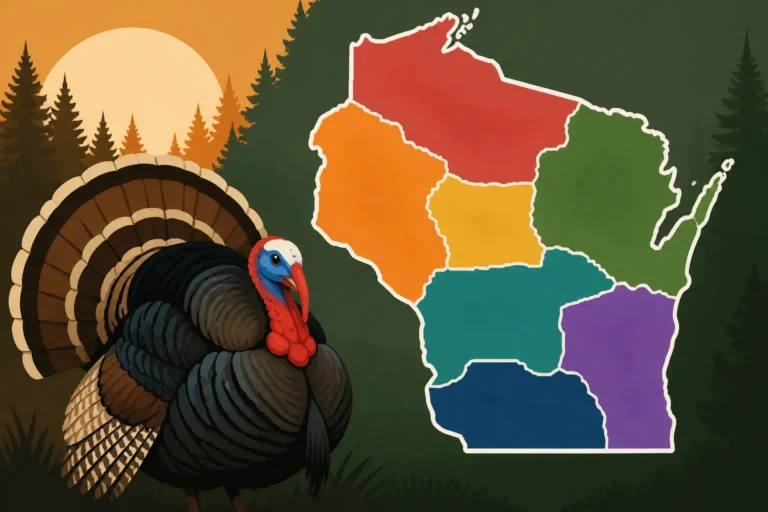
Wisconsin currently manages its black bear population across six distinct zones: Zones A, B, C, D, E, and F. Each zone has a different habitat, bear density, and consequently, a different level of hunter demand. For instance, Zone A, covering a significant portion of northern Wisconsin, is consistently the most applied-for zone. This is largely due to its vast tracts of public land, excellent bear habitat, and traditionally higher bear populations. Hunters often believe their chances of encountering a bear are greater in Zone A, leading to fierce competition for permits.
Conversely, zones like B or F, which might have different geographic or habitat characteristics, often see slightly lower application numbers, though they are still very competitive. Zone D, for example, encompasses parts of central Wisconsin, offering a different type of terrain and hunting experience. The DNR sets specific quotas for each of The Six Wisconsin Bear Zones annually, based on population estimates, harvest objectives, and scientific modeling. These quotas directly influence how many tags are available in each zone, and naturally, where demand is highest, the number of tags issued still pales in comparison to the hopeful applicants. Therefore, your choice of zone when you apply for points, or when you finally decide to try to draw, significantly impacts your wait time.
The Impact of Harvest Quotas on Drawing Odds
The number of available bear tags in Wisconsin is not arbitrary; it's carefully determined by the DNR through a scientific process to manage the bear population sustainably. These harvest quotas are established each year, taking into account factors like estimated bear population, reproduction rates, historical harvest data, and public input. Once the total statewide quota is set, it's then allocated among the different bear zones.
This allocation directly influences your drawing odds. For example, if Zone A has a quota of 2,000 bears, but 50,000 people apply for that zone alone, your odds are clearly much lower than in a zone with a quota of 500 bears and only 5,000 applicants. The competitive nature of the draw means that even small fluctuations in the quota or application numbers can have a noticeable effect on how many preference points you might need to eventually draw. This is where researching Wisconsin Bear Harvest Trends becomes useful, as it can give you an idea of the long-term management goals and success rates in different areas. Many hunters use platforms like GoHunt to track these quotas and compare them against historical application data, helping them make informed decisions about where to apply their points to maximize their chances.
Strategies for Navigating the Bear Tag Lottery
Given the intense competition for Wisconsin bear tags, having a strategic approach is essential. Simply applying and hoping for the best is a recipe for a very long wait. Thoughtful planning can help you shorten your journey to a bear hunt.
Accumulating Preference Points Wisely
The most straightforward, albeit long-term, strategy is to consistently apply for a preference point every single year. Even if you know you won't be able to hunt for a few more years due to time or financial constraints, applying for just the point ensures you're always building toward that future opportunity. The cost to apply for a preference point without applying for a tag is minimal, making it an incredibly worthwhile investment in your hunting future. Many hunters start accumulating points as soon as they are old enough, understanding that the wait can be lengthy, sometimes exceeding a decade for the most coveted zones.
Consider this: if you skip even one year, you lose the opportunity to gain a point, effectively pushing your draw date back even further. It's not uncommon for hunters to apply for 10, 12, or even 15 years before they successfully draw a tag in a popular zone. Consistency is key, and treating the preference point application as an annual ritual will put you in the best position when your time eventually comes. Remember that these points are your golden ticket, and they only expire if you draw a tag and then decline it, or if you simply stop applying for a number of years. It’s always good to refresh your memory on When Wisconsin Bear Points Expire to avoid any costly mistakes.
Applying to Less-Pressured Zones
While the lure of Zone A's abundant bears and vast northern forests is strong, a strategic alternative for some hunters is to consider applying to less-pressured zones. These zones, perhaps with different habitat types or slightly lower bear densities, often require fewer preference points to draw a tag. This means you might get a tag much sooner, potentially cutting years off your wait. For example, if you're a new applicant, or someone with only a few points, applying for a zone that historically takes fewer points might allow you to experience a bear hunt in 3-5 years rather than 10-15.
Of course, there are trade-offs. A zone with lower demand might have different terrain or hunting challenges. It might require different tactics, perhaps more emphasis on still-hunting or using different baiting strategies, depending on the regulations of that specific zone. However, the experience of a bear hunt, regardless of the zone, is truly unforgettable. It’s about getting out there, learning, and enjoying the pursuit. Before committing to a specific zone, thoroughly research the past draw odds and expected point requirements. Platforms like GoHunt provide excellent tools for analyzing Wisconsin Bear Point Wait Times by Zone for each zone, giving you a clear picture of what to expect.
Here’s a simplified look at how competitive things can get, using approximate numbers:
| Bear Zone | Typical Preference Points to Draw (Resident) | Recent Annual Permit Quota | Recent Annual Applicants (Approx.) | Odds (Applicants per Permit) |
|---|---|---|---|---|
| Zone A | 12-14+ | 2,000 – 2,500 | 50,000 – 60,000 | 20-30:1 |
| Zone B | 8-10 | 1,500 – 2,000 | 30,000 – 40,000 | 15-20:1 |
| Zone C | 5-7 | 1,000 – 1,500 | 20,000 – 30,000 | 15-20:1 |
| Zone D | 6-8 | 800 – 1,200 | 15,000 – 25,000 | 15-20:1 |
| Zone E | 10-12+ | 500 – 800 | 15,000 – 20,000 | 20-30:1 |
| Zone F | 4-6 | 400 – 600 | 8,000 – 12,000 | 15-20:1 |
Note: These numbers are estimates based on recent trends and can vary significantly year to year. Always check the official Wisconsin DNR regulations and draw reports for the most current information.
Beyond the Application: What Comes Next
Finally drawing a Wisconsin bear tag is a momentous occasion, a culmination of years of patient waiting. But the journey doesn't end there; it's only just beginning. Once you have that permit in hand, a whole new phase of preparation and responsibility kicks in.
Understanding Draw Results and Point Expiration
After months of anticipation, the Wisconsin DNR typically announces bear draw results in May or June. You can usually check your status online through your Go Wild account or by receiving a notification via email. The feeling of seeing "Successful" next to your name is indescribable – a mix of relief, excitement, and perhaps a touch of disbelief that your long wait is finally over. It's crucial to confirm your draw status promptly and understand what it means for your preference points.
When you successfully draw a bear tag, your accumulated preference points are used up, and you revert to zero points for the next application cycle. This is often referred to as a "use it or lose it" system for points, meaning you essentially cash them in for that tag. This is why many hunters apply for so many years; they're saving up their points for that one, big draw. Be aware of the deadlines for accepting your permit and purchasing your bear license. Missing these deadlines can result in forfeiting your permit and, even worse, losing all those hard-earned preference points, which would be a truly devastating outcome after such a long wait. Ensure you understand When Wisconsin Bear Points Expire so you don't accidentally let your investment lapse.
Preparing for Your Hunt Once You Draw
Drawing a bear tag is just the start of the adventure. The next step is to immerse yourself in preparation. Wisconsin offers different bear hunting methods, primarily baiting, still-hunting, and hunting with dogs. Your chosen method, and the zone you drew, will dictate much of your preparation. For example, if you plan on Baiting Bears in Wisconsin, you'll need to start planning your bait site locations, securing barrels, and understanding baiting regulations well in advance of the season start date. This usually happens in the summer months, allowing bears to become accustomed to the bait.
If you're considering Running Bear Hounds in Northern Wisconsin, you'll need to ensure your dogs are in peak condition, trained, and familiar with tracking bear scent. This often involves working with experienced hound hunters or joining a club. Regardless of your method, extensive scouting is vital. Learn the terrain of your zone, identify potential bear travel corridors, feeding areas, and bedding sites. Familiarize yourself with all the hunting regulations, including legal shooting hours, carcass tagging procedures, and Wisconsin Bear Registration Rules. The bear season dates vary by method and zone, so ensure you know the specific Wisconsin Bear Season Dates by Method for your hunt. This is your long-awaited opportunity, so put in the work to make it a safe and successful one!
Disclaimer
Please note that hunting regulations, season dates, and permit quotas are subject to change by the Wisconsin Department of Natural Resources (DNR). Always consult the most current official DNR hunting regulations pamphlet or their website before planning any hunting activities. This article is intended for informational purposes only and does not supersede official regulations.