The Central Wisconsin Elk Herd Size
For many of us who cherish Wisconsin's wild places, the idea of elk roaming our forests again is nothing short of magical. While the larger northern herd often captures the headlines, there's a smaller, quieter story unfolding in the heart of the state: the Central Wisconsin Elk Herd. This guide will dive deep into the current size and status of this remarkable herd, exploring its journey, challenges, and the incredible effort behind its slow but steady growth.
The Quiet Resurgence: Understanding the Central Wisconsin Elk Herd's Current Status
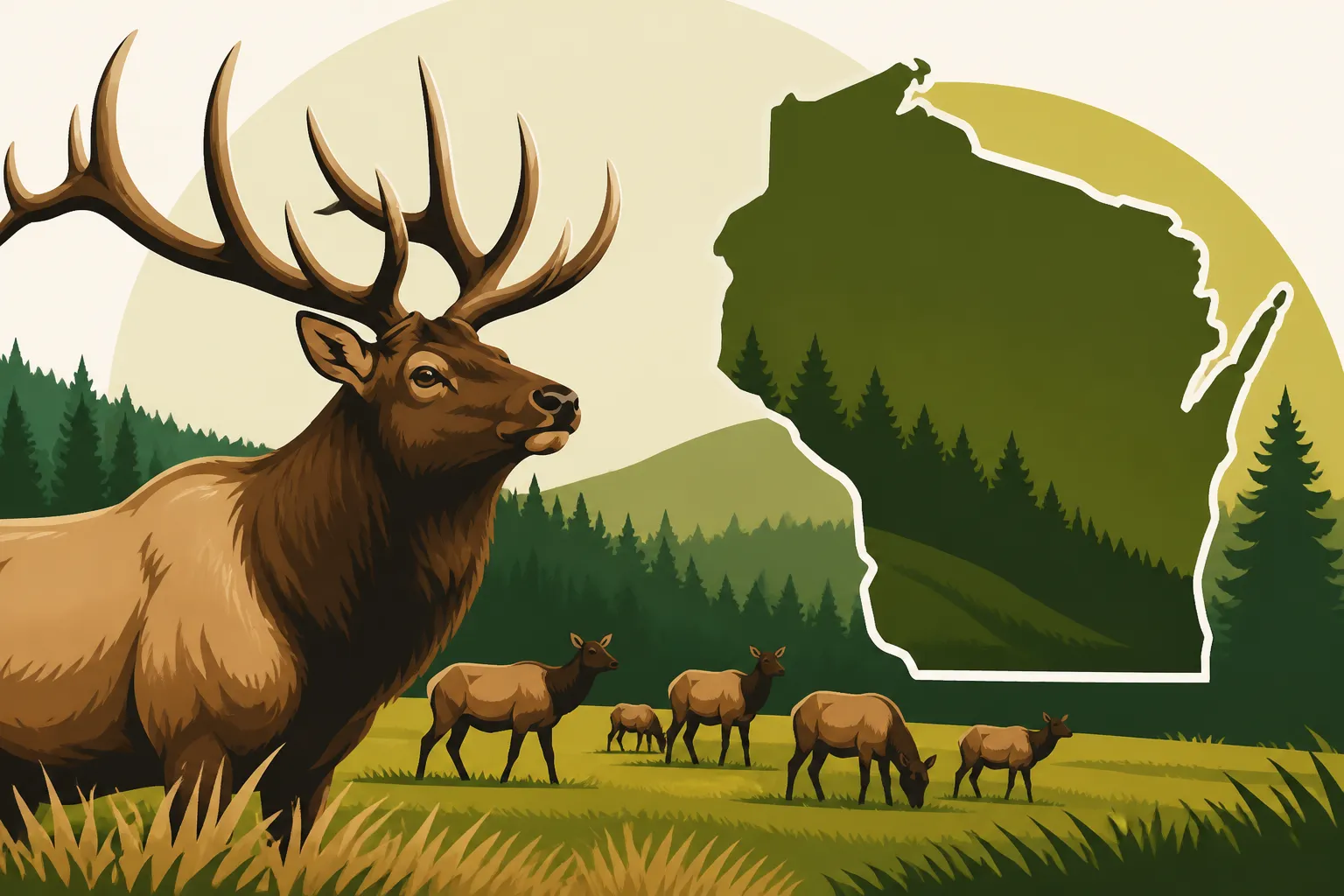
When you think of elk in Wisconsin, your mind probably jumps to the vast forests of the north, near Clam Lake or Black River Falls. But there's a distinct and equally important herd making its home in central Wisconsin, primarily centered around Jackson County and the Black River State Forest area. This herd, though significantly smaller than its northern counterpart, represents a vital expansion of elk range in the state and is a testament to dedicated conservation efforts.
Estimating wildlife populations is never an exact science; it's more like a highly educated guess based on surveys, aerial counts, and observation. The Central Wisconsin Elk Herd has seen a gradual but consistent increase in numbers since its reintroduction. Unlike the northern herd which benefited from earlier releases and more expansive, contiguous wilderness, the central herd has had a unique set of challenges and opportunities in a landscape that blends forest with more agricultural and developed areas. The most recent estimates show a healthy, albeit modest, population growth, indicating that these animals are successfully adapting and reproducing in their new home. This steady upward trend, though perhaps not as dramatic as some might hope, is a huge win for a species that was once completely extirpated from the state.
The terrain here is a mix of pine barrens, oak forests, and wetland complexes, which provides a diverse habitat for elk. They find shelter in the dense cover of the forest and forage in the openings and younger growth. This mix means their movements can be a bit more spread out, and their presence sometimes less obvious than in purely wilderness settings. It takes keen observation and a patient approach to truly appreciate the elk that call this region home. When you're out scouting for deer, for example, using a tool like GoHunt's mapping features can help you identify these diverse habitat types, giving you a better understanding of where elk might also be moving, even if your primary focus isn't on them.
A Journey Back: The Reintroduction Efforts and Early Days of Central Elk
The story of elk in Wisconsin is one of triumph, a testament to what dedicated conservationists, sportsmen, and communities can achieve when working together. For hundreds of years, elk were a prominent part of Wisconsin's ecosystem, but by the late 1800s, overhunting and habitat loss led to their complete disappearance. Bringing them back has been a long and thoughtful process.
The reintroduction of elk to Wisconsin began in 1995 with the release of 25 elk from Michigan into the Clam Lake area of the Chequamegon-Nicolet National Forest. This was the start of what we now know as the Northern Herd. However, the vision didn't stop there. Recognizing the potential for a second, distinct herd, efforts turned to central Wisconsin. You can read more about the broader statewide efforts in How Elk Returned to Wisconsin.
In 2015, the Central Wisconsin Elk Herd was established with the release of 23 elk near Black River Falls, sourced from Kentucky. These animals were carefully chosen, health-screened, and acclimated before being released into their new environment. The Black River State Forest and surrounding lands offered a promising mosaic of habitats, though distinct from the deep Northwoods. The goal was not just to put elk on the ground but to establish a self-sustaining population that could thrive and expand its range over time. This crucial second reintroduction marked a significant milestone, ensuring that Wisconsin's elk population wasn't confined to a single geographic area, which helps with genetic diversity and resilience against localized events.
The initial years were spent monitoring these animals closely, tracking their movements, and observing their reproductive success. It was a period of learning, understanding how these elk adapted to the central Wisconsin landscape, and what challenges they faced. This hands-on management approach, from ear tagging and collaring to public education, has been fundamental to the herd's establishment. For a detailed look at both herds, check out The Clam Lake and Black River Elk Herds.
Habitat, Challenges, and Future Outlook for Central Elk
The central Wisconsin landscape presents a unique blend of opportunities and challenges for elk. This isn't the vast, unbroken wilderness of the Rocky Mountains, nor is it entirely the dense, contiguous forest of the far northern reaches of the state. Instead, the central herd thrives in a patchwork of state forest, county forest, and private land, often interspersed with agricultural fields and smaller communities.
Habitat and Food Sources: The Black River State Forest area provides crucial habitat, offering dense coniferous swamps for winter cover, mixed hardwoods for acorn production, and scattered open areas and grasslands for foraging. Elk are adaptable grazers and browsers, utilizing a variety of plant species. They feed on grasses, forbs, and the tender shoots of trees and shrubs. This diverse diet allows them to utilize different parts of their range throughout the year. However, this proximity to agricultural land can sometimes lead to crop depredation issues, which require careful management and communication with landowners.
Challenges to Growth:
- Vehicle Collisions: One of the most significant threats to the central herd's growth is vehicle collisions. With a more fragmented landscape and more roads than truly remote areas, elk can wander onto highways, especially during rutting season or when migrating between food sources and cover. These incidents can be devastating to a small, growing population.
- Disease Monitoring: Just like any wildlife population, disease is a constant concern. Chronic Wasting Disease (CWD), while more prevalent in deer in other parts of Wisconsin, is closely monitored in the elk herds. The strict health screening of reintroduction animals and ongoing surveillance efforts are critical to preventing disease outbreaks. For more on general disease concerns, you might find Wildlife Diseases Wisconsin Hunters Watch informative.
- Predation: While wolves are less common in the core central elk range compared to the northern forest, coyotes and black bears can pose a threat, particularly to calves. As the herd grows, it becomes more resilient to individual losses, but in the early stages, every animal counts. Discussions about Wolves and Wisconsin Elk Calves are more focused on the northern herd but highlight important considerations for any elk population.
- Human-Wildlife Conflict: Living closer to human populations can bring unique challenges, from unintentional disturbances by recreationists to potential poaching. Education and awareness are crucial to ensure the public understands how to coexist with these magnificent animals.
Future Outlook: Despite these challenges, the outlook for the Central Wisconsin Elk Herd is positive. The slow and steady growth is encouraging, and the dedicated efforts of the Wisconsin Department of Natural Resources (DNR) and various conservation groups continue to support the herd. Future management will likely focus on habitat improvements, continued monitoring, public education, and potentially, in the distant future, limited hunting opportunities similar to the extremely rare draws for the northern herd. These are often discussed in annual updates and are subject to population health and growth targets, with applications such as those mentioned in Wisconsin Elk Application Dates being highly competitive.
Here's a quick comparison of Wisconsin's two elk herds:
| Feature | Northern Elk Herd (Clam Lake) | Central Elk Herd (Black River Falls) |
|---|---|---|
| Reintroduction Year | 1995 | 2015 |
| Source of Elk | Michigan | Kentucky |
| Primary Habitat | Chequamegon-Nicolet National Forest, large contiguous wilderness | Black River State Forest, mixed public/private lands, pine barrens |
| General Size | Larger, several hundred animals | Smaller, currently growing |
| Primary Challenges | Habitat connectivity, wolves | Vehicle collisions, fragmented habitat |
| Hunting Opportunities | Extremely limited, lottery-based | Currently none, potential for future limited draws |
Experiencing Elk: Viewing and Engagement Opportunities
While hunting for the Central Wisconsin Elk Herd is not currently an option—and for good reason, as the herd is still in its crucial growth phase—there are incredible opportunities to experience these majestic animals in their natural habitat. For many, simply catching a glimpse of a wild elk is a profound experience, a connection to Wisconsin's wild past and hopeful future.
Best Times and Places for Viewing: Elk are most active during the early morning and late evening hours, especially around dawn and dusk. These are prime times to see them foraging in open areas or moving between bedding and feeding sites. During the fall rut, typically from mid-September into October, bulls become much more vocal and visible as they bugle and spar for breeding rights. This is an incredibly exciting time to be in elk country, as the sounds carry far through the crisp autumn air. The core areas around the Black River State Forest, particularly near known feeding grounds or clearings, are your best bets. Local forest roads and designated viewing areas can provide access without disturbing the animals. For more general viewing tips, see Elk Viewing in Wisconsin.
Respectful Observation is Key: When seeking out elk, remember that these are wild animals, and their well-being is paramount.
- Maintain Distance: Always keep a respectful distance. If the elk react to your presence by looking up, moving away, or becoming agitated, you're too close. Use binoculars or a spotting scope for a closer look.
- Be Quiet: Elk have excellent hearing. Move slowly and speak softly, if at all.
- Stay Undetected: Avoid wearing strong perfumes or colognes, and consider scent-free clothing if you're serious about observing them.
- Never Feed Elk: Feeding wild animals habituates them to humans, which can lead to dangerous encounters and is detrimental to their natural behaviors.
- Follow Regulations: Adhere to all state park and forest rules regarding access, parking, and public conduct.
Staying Informed and Supporting Conservation:
The DNR regularly provides updates on the status of both Wisconsin elk herds, including population estimates, reintroduction progress, and management plans. Checking their official channels is the best way to get the most accurate and up-to-date information. Conservation groups also play a vital role in habitat improvement and advocacy, and supporting their efforts helps ensure a bright future for Wisconsin's elk.
Even if you're primarily a deer or turkey hunter, understanding the broader ecosystem is crucial. Platforms like GoHunt can be invaluable for staying current on various wildlife news, understanding different hunting zones, and even looking at topographical maps that might reveal potential elk travel corridors in areas where they are expanding their range. While their primary utility is often for western big game, the mapping and information resources can be adapted to general wildlife observation and understanding local landscapes. The journey of the Central Wisconsin Elk Herd is a living testament to successful wildlife recovery, and by being informed and respectful observers, we can all play a part in its continued success.
Disclaimer
This article is for general informational purposes only and does not constitute professional advice. Laws, prices and regulations vary by location and change over time. Consult a qualified professional for guidance on your specific situation.