Best Wisconsin Counties for Grouse
Finding ruffed grouse consistently in Wisconsin can sometimes feel like chasing a phantom, especially with their populations known for their ups and downs. Many hunters feel the frustration of walking miles of what looks like perfect cover only to hear nothing but the crunch of leaves underfoot. This guide is here to cut through the guesswork and help you pinpoint the best Wisconsin counties for grouse, focusing on where the habitat is prime and the opportunities are real, giving you a better shot at hearing that thunderous flush.
The Heart of Grouse Country: Understanding Key Habitats
If you want to find ruffed grouse, you first need to understand where they like to hang out. It’s not just any woods; grouse are particular about their living arrangements, and knowing their preferences is half the battle.
Aspen and Young Forests – The Grouse Gold Standard
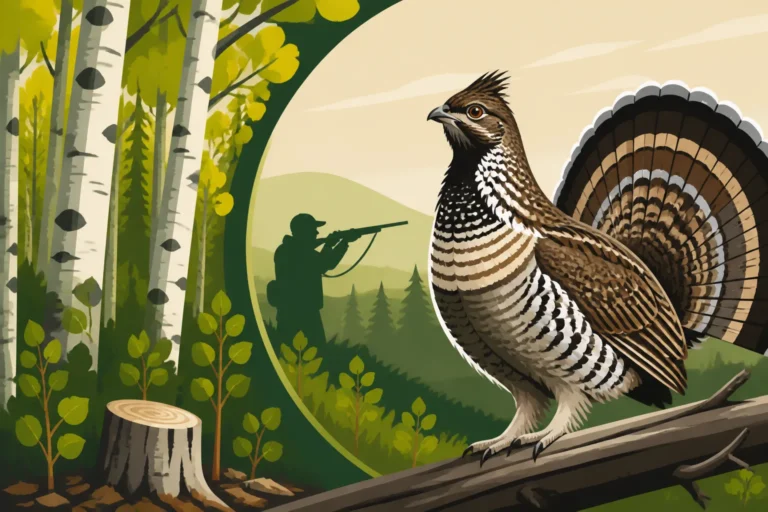
When it comes to prime grouse habitat, young aspen stands are the undisputed champions. These aren't the ancient, towering timber tracts that might come to mind when you think of a mature forest. We're talking about dense, young woods, typically less than 25 years old, that have grown up after a clear-cut or significant disturbance. The reason for this preference is simple: survival and sustenance.
Young aspen trees provide an incredible bounty for grouse. In the winter, the buds and catkins of aspen are a critical food source, packed with energy to help them survive the harsh Wisconsin cold. Grouse can often be found "budding" high in the trees on frosty mornings, filling their crops. Beyond food, the sheer density of young aspen stems offers unparalleled protection from aerial predators like hawks and owls, and ground predators like coyotes and foxes. Imagine trying to fly or run through a thicket of saplings so dense you can barely walk through it – that’s the grouse’s natural fortress. Without this dense cover, they're much more vulnerable. Aspen Management and Wisconsin Grouse is crucial for maintaining these environments.
Different age classes of aspen serve different purposes throughout a grouse's life cycle. Very young stands, perhaps 5-10 years old, are often used by hens with broods for bugging and protection. As the stands mature to 10-25 years, they become ideal drumming and nesting cover, offering both overhead canopy and dense understory. Older aspen, while still providing some food, loses the critical dense understory that grouse rely on for safety, making it less productive. This is why active timber management, often involving clear-cutting, is so vital for maintaining healthy grouse populations. Without it, these early successional habitats would simply grow into mature forests, pushing grouse out.
Mixed Woods and Alder Runs – More Than Just Aspen
While aspen is king, grouse certainly don't limit themselves to it entirely. Mixed hardwood forests, especially those bordering aspen stands, also play a significant role. Here, grouse can find a variety of food sources beyond aspen buds, such as berries, seeds, and occasionally acorns, depending on the tree species present. These mixed woods can provide important roosting cover and a change of scenery, especially during milder weather or when birds are moving between different feeding areas.
Alder thickets are another important habitat component, not just for their aesthetic appeal but for the cover and insect life they support. While woodcock are famously drawn to these wet, dense areas, grouse will also use them, particularly for drumming sites and escape cover. These thickets often grow along stream bottoms or in low-lying areas, creating incredibly dense patches that are difficult for predators to penetrate. It's not uncommon to flush a grouse from the edge of an alder run, especially if it's adjacent to a good aspen patch. For more on these areas, check out Woodcock Hunting Wisconsin Alder Runs.
The real magic often happens in the transition zones, where different cover types meet. Think of the edge where a young aspen cut blends into a mature hardwood ridge, or where an alder swamp meets a pine stand. These "edges" are natural travel corridors and feeding areas for many wildlife species, including grouse. They offer diverse food options, varied cover for different activities throughout the day, and often provide thermal protection. Learning to identify these transition zones on a map or with a tool like GoHunt can significantly increase your chances of finding birds, as grouse rarely stay confined to a single, monolithic habitat type for long.
Factors Shaping Wisconsin's Grouse Landscape
Understanding habitat is one thing, but knowing the broader forces at play helps contextualize why certain counties might be hot one year and cooler the next. It’s all part of the natural rhythm of the wild.
The Ruffed Grouse Cycle and Its Impact on Counties
One of the most fascinating and frustrating aspects of ruffed grouse hunting in Wisconsin is the infamous population cycle. Historically, ruffed grouse populations across their northern range, including Wisconsin, have followed a roughly 8 to 10-year boom-and-bust cycle. During the peak years, birds seem to be everywhere, flushing from every patch of cover. During the lows, you can walk for hours without seeing a feather. This cycle is influenced by a complex interplay of factors, including predator populations, disease, and habitat changes, though the exact mechanisms are still debated. For a deeper dive into current trends, you can read Wisconsin Ruffed Grouse Numbers Today.
What this means for hunters is that the "best" counties can fluctuate. A county that was stellar during a population peak might be relatively quiet during a trough. However, counties with consistently excellent habitat tend to fare better during the downturns and rebound faster during the upswings. They provide a stronger foundation for the population, even when the overall numbers are low. Knowing Where Wisconsin Sits in the Grouse Cycle in any given year can help manage your expectations, but focusing on prime habitat remains the most reliable strategy regardless of where the cycle is. The duration of these fluctuations is detailed in How Long the Grouse Cycle Runs.
It's also worth noting that the cycle isn't always uniform across the entire state. Some regions or even individual counties might experience their peaks and troughs at slightly different times, or with different magnitudes. This often comes down to local habitat conditions, pressure from predators, and even localized weather patterns during critical nesting and brooding periods. Therefore, while a statewide cycle gives a general idea, understanding localized trends is key.
Forest Management and Public Land Opportunities
Wisconsin is blessed with an abundance of public land, and much of it is actively managed in ways that directly benefit ruffed grouse. The Wisconsin Department of Natural Resources (DNR), along with county forestry departments and the U.S. Forest Service, play a critical role in creating and maintaining the young forest habitat grouse need. These agencies use timber harvest, prescribed burns, and other silvicultural techniques to promote early successional stages.
County forests, in particular, are unsung heroes for grouse hunters. These vast tracts of land, managed by individual counties, often have very active logging programs designed to provide sustained timber yields while also benefiting wildlife. This constant creation of new aspen clear-cuts and regenerating forests is what keeps grouse habitat fresh and productive. Wisconsin County Forest Hunting offers some of the best and most consistent grouse opportunities in the state because of this proactive management. Similarly, the Chequamegon-Nicolet National Forest, a massive federal property, also has ongoing timber management plans that create excellent grouse cover, though the scale can make finding specific cuts more challenging without good maps. See Chequamegon-Nicolet National Forest Hunting for more.
For hunters, this means doing your homework. Agencies often have public access to timber harvest plans or maps showing recent cuts. Websites and mapping tools like GoHunt are invaluable for overlaying land ownership with timber activity, allowing you to identify likely grouse spots from the comfort of your home. Focus on areas marked for recent cutting, or those that show signs of early regeneration on aerial imagery. These are the places where grouse are most likely to thrive and provide consistent action.
The Role of Weather and Predation
While habitat and population cycles are major drivers, weather and predation also play supporting roles in the grouse equation. Severe winters, especially those with prolonged periods of deep, crusted snow, can make it difficult for grouse to find food and thermal cover, impacting their survival. More critically, cold, wet springs can decimate chick survival. Grouse chicks are very vulnerable to hypothermia, and a prolonged period of rain and low temperatures shortly after hatching can significantly reduce the number of young birds entering the fall population.
Predation is a constant pressure on grouse populations. Everything from hawks, owls, and eagles to coyotes, foxes, and bobcats preys on grouse. However, healthy, dense habitat is the best defense against predation. When grouse have ample, thick cover to hide in, they are much harder for predators to catch. Poor habitat, conversely, makes them easy targets, and even if predator numbers are moderate, grouse populations can still suffer. This reinforces the idea that focusing on the quality of the habitat is paramount, as it's the primary factor grouse have in their favor against their numerous adversaries.
Pinpointing Wisconsin's Top Grouse Counties
Now for the exciting part: where do you actually go? While grouse can be found in pockets across much of the state, some counties consistently stand out due to their extensive public lands and active habitat management.
Northern Wisconsin – The Traditional Stronghold
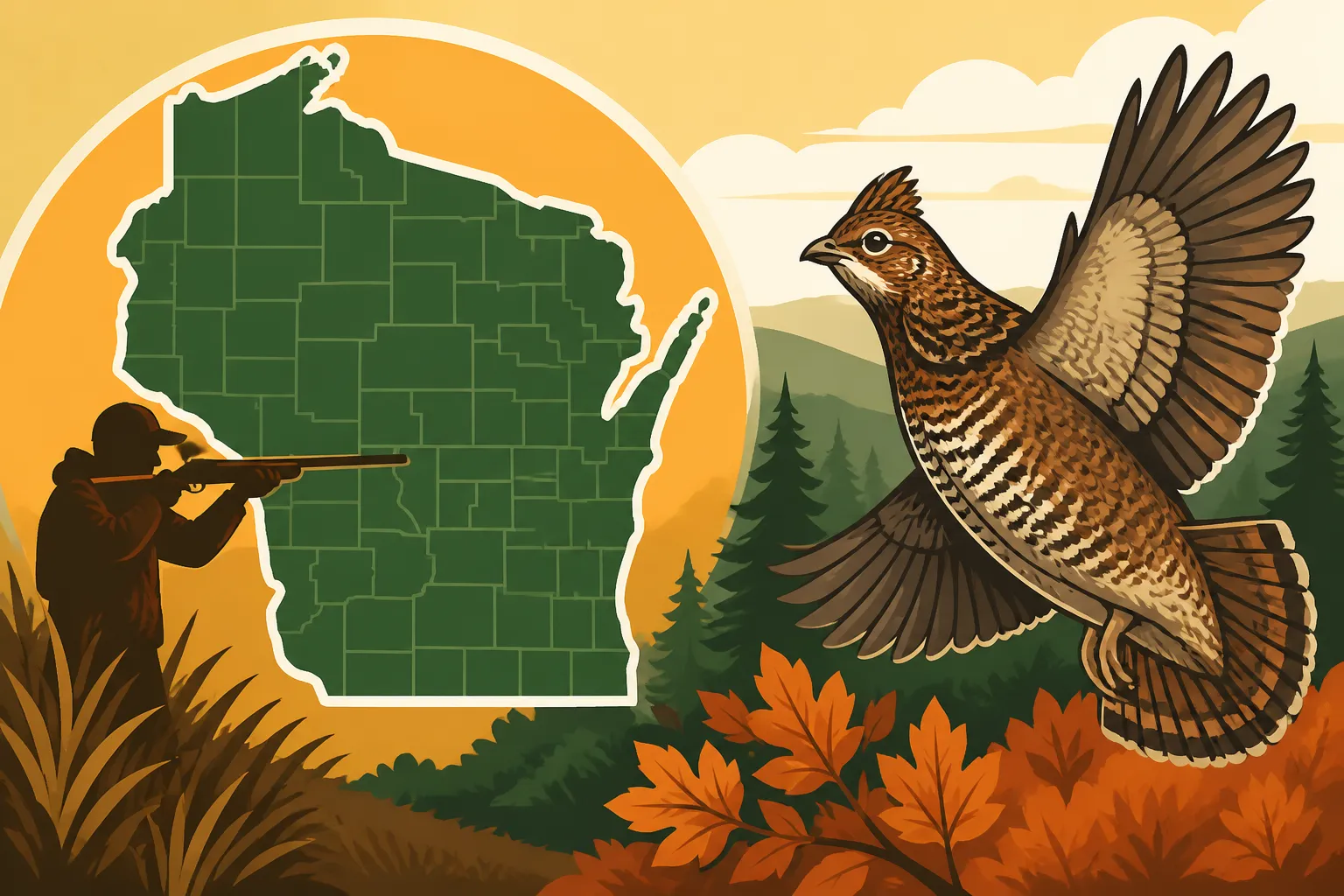
Northern Wisconsin is the legendary heart of ruffed grouse country, and for good reason. It boasts vast expanses of public land, including numerous county forests and significant portions of the Chequamegon-Nicolet National Forest, that are actively managed for timber. This management creates the mosaic of young aspen and mixed forest grouse absolutely need.
Counties that frequently appear on "best of" lists for grouse in the north include:
- Rusk County: Known for its extensive county forest and active timber management, Rusk County often provides excellent grouse habitat.
- Price County: Another northern gem with large county forest holdings and a history of good grouse numbers.
- Sawyer County: Similar to Price, with significant public land and good forest diversity.
- Bayfield County: Home to portions of the Chequamegon National Forest and a robust county forest system, offering vast areas to explore.
- Iron County: Far up north, Iron County has a wild, remote feel and plenty of managed forest land.
- Ashland County: Adjoining Bayfield and Iron, it shares similar characteristics of ample public land and good grouse cover.
- Forest and Florence Counties: These eastern northern counties are heavily timbered and managed, offering prime ruffed grouse opportunities.
- Marinette and Oconto Counties: While having diverse habitat, these counties still offer significant managed forests in their northern reaches that hold grouse.
- Langlade County: Often overlooked, Langlade County has a considerable county forest and active logging, providing great opportunities.
Hunting these big woods can be daunting. Without a dog, it requires a lot of footwork to cover ground and bump birds. Flushing Grouse Without a Dog means being methodical, walking into the wind, and pausing frequently to listen and scan. With a good bird dog, these counties become a paradise for watching a dog work. Focus your efforts on clear-cuts that are 10-25 years old. These areas often appear as dense, light-green patches on aerial maps. Look for these "young aspen cuts" and walk the edges and interiors. For specific strategies on these areas, refer to Grouse Hunting Wisconsin Aspen Cuts.
Central Wisconsin – Emerging Opportunities
While the Northwoods often gets all the glory, Central Wisconsin is increasingly recognized for its excellent grouse hunting, offering a different landscape and often less pressure. These counties feature a mix of state forests, county forests, and other managed public lands that provide a surprising amount of quality grouse habitat.
Key Central Wisconsin counties to consider:
- Jackson County: Home to the vast Black River State Forest, Jackson County offers a mix of aspen, pine, and oak. Active timber management here creates a lot of grouse habitat.
- Clark County: With a large county forest system, Clark County is an underrated spot for grouse, especially in its northern and western sections.
- Monroe County: Shares habitat with Jackson, particularly on the edges of the Black River State Forest and other public tracts.
- Juneau and Adams Counties: While more known for deer, these counties have significant managed forests and wildlife areas that hold grouse, particularly where young aspen and oak regeneration is present.
- Wood County: Features the Mead Wildlife Area, which, while primarily wetland, also has upland sections managed for timber and wildlife that can hold grouse.
These Central Wisconsin areas can offer a slightly different hunting experience. While still heavily forested, you might encounter more oak and pine in the mix, alongside the crucial aspen. Hunters here should still focus on timber cuts, especially those dominated by aspen. These areas might also see slightly less hunter traffic than some of the more famous northern destinations, offering a potentially more serene hunting experience. Using resources like the Wisconsin Public Access Lands Maps can help identify specific hunting grounds in these counties.
Lesser-Known Gems and Scouting Resources
Don't limit yourself only to the biggest, most obvious counties. Good grouse cover can exist in smaller, overlooked pockets across the state, especially in areas with active logging on either public or private lands with permission. Sometimes, the "best" spot is the one nobody else is looking at.
To find these lesser-known gems, and to optimize your hunting in the prime counties, effective scouting is non-negotiable. Modern tools are your best friend here. Platforms like GoHunt and the Using the Wisconsin Hunt Wild App are incredibly powerful. They allow you to:
- Identify Public Lands: Clearly delineate public boundaries, including county forests, state forests, and national forests.
- Overlay Aerial Imagery: See the landscape from above, which is crucial for identifying timber cuts. Look for patches of lighter green, indicating young, regenerating forest.
- Access Timber Harvest Information: Some mapping apps or county forest websites provide information on recent and upcoming timber sales, which are goldmines for grouse habitat.
- Check Property Lines: If you're considering hunting near private land, these apps make it easy to see boundaries and avoid trespassing.
By using these resources, you can zoom in on specific sections of a county forest or national forest, identify cuts that are likely 10-25 years old (remember How Old a Cut Should Be for Grouse!), and plan your routes before you even step foot in the woods. This is an essential step in Scouting Wisconsin Public Land Before Season.
Here's a comparison of some top grouse counties:
| County | Primary Public Land Type | Key Habitat Features | General Hunting Pressure | Best For (Dog/No Dog) |
|---|---|---|---|---|
| Rusk | County Forest | Extensive young aspen, mixed hardwoods | Moderate | Both |
| Price | County Forest, National Forest | Diverse forest, good aspen regeneration | Moderate | Both |
| Sawyer | County Forest, National Forest | Strong aspen component, good alder runs | Moderate | Both |
| Bayfield | National Forest, County Forest | Vast, wild areas, pine/aspen mix | Moderate-High | Dog (more ground) |
| Jackson | State Forest (Black River) | Aspen, oak, pine mix, consistent timber cuts | Moderate | Both |
| Clark | County Forest | Aspen-heavy in northern parts, often overlooked | Low-Moderate | Both |
| Langlade | County Forest | Good mix of forest types, active management | Low-Moderate | Both |
| Forest/Florence | County Forest, National Forest | Remote, heavy timber, strong aspen concentration | Low | Dog (vastness) |
Strategies for Hunting Prime Grouse Counties
Knowing where the grouse are is only part of the equation; knowing how to hunt them effectively in these prime Wisconsin counties is the other. It takes a combination of good scouting, patient footwork, and leveraging modern tools.
Understanding Cover Types and Timber Age
This cannot be stressed enough: grouse are tied to young, regenerating forest, primarily aspen. When you're looking at maps, whether on your computer at home or in the field with an app, you need to develop an eye for identifying these crucial cover types. Look for patches that appear lighter green on aerial photos, often with a somewhat uniform texture, indicating dense, young growth. These are typically clear-cuts that are somewhere between 10 and 25 years old. The younger side (10-15 years) might hold more broods and offer extremely dense cover, while the older side (15-25 years) can be more open underfoot but still provide excellent food and escape cover. Remember the guidance in How Old a Cut Should Be for Grouse to maximize your chances.
Beyond just aspen, pay attention to the edges and transitions. Where a young aspen stand meets an older hardwood ridge, or where a conifer plantation borders a regenerating cut, these "edge" habitats are often magnets for grouse. Birds will use the different cover types for various needs throughout the day – feeding in one, dusting in another, and seeking thermal cover in a third. Don't be afraid to walk these transition zones, as grouse will often hold tight there. GoHunt is particularly good for this, allowing you to quickly scan large areas and zero in on promising cuts and their edges. You can often see the distinct lines where forest management has occurred, creating these ideal breaks in the canopy.
Footwork, Dogs, and Patience
Hunting grouse in Wisconsin's big woods is a physical endeavor. Whether you're hunting with a dog or going it solo, covering ground is essential. A good bird dog can dramatically increase your success, as their nose allows them to locate birds that you would walk right past, and they can often point or flush birds within shooting range. However, many successful grouse hunters don't use dogs. If you're Flushing Grouse Without a Dog, the key is to slow down. Don't simply stride through the woods. Pause frequently, often for 10-20 seconds. Grouse are masters of holding tight, and that sudden silence and stillness from you can sometimes make them nervous enough to flush.
Walk methodically, trying to cover all the promising looking pockets of cover. Grouse often prefer to run or walk before flying, so pushing through dense thickets is crucial. Pay attention to any sign: tracks in soft dirt, droppings, or even the subtle sound of a bird moving ahead of you. Hunting after a light, fresh snow can be incredibly productive, as you can often read tracks and pinpoint where birds have been feeding or roosting, giving you a distinct advantage. Early mornings and late afternoons are often the most active times, but grouse can be found at any point in the day, especially if the weather is mild. The more ground you cover in good habitat, the higher your odds.
Leveraging Technology for Success
In today's hunting world, technology can be a huge asset for grouse hunters. Mobile apps like GoHunt have revolutionized how we approach public lands. Before you even leave home, use the app to:
- Scout Remotely: Identify public land boundaries, zoom in on aerial imagery to find clear-cuts and dense young growth, and mark potential hunting spots.
- Navigate in the Field: Use the GPS functionality to keep track of your location, navigate to marked spots, and know precisely where property lines are, preventing accidental trespassing. This is especially vital in vast areas like the Chequamegon-Nicolet.
- Track Your Progress: Log your routes, mark flushes, and identify areas of high bird activity. This data can be invaluable for future hunts.
- Access Offline Maps: Make sure to download maps for offline use, as cell service can be spotty or non-existent in many of Wisconsin's prime grouse territories.
The detail provided by tools like GoHunt, combined with a little research into county forest timber sale maps (often available on county websites), gives you a powerful advantage. You can spend less time guessing and more time hunting productive cover. For detailed tips on using these resources, revisit Scouting Wisconsin Public Land Before Season. By combining traditional woodsmanship with modern tech, you'll be much more efficient and effective in your pursuit of Wisconsin's magnificent ruffed grouse.
Disclaimer
This article is for general informational purposes only and does not constitute professional advice. Laws, prices and regulations vary by location and change over time. Consult a qualified professional for guidance on your specific situation.