Duck Migration Timing Through Wisconsin
There's nothing quite like the anticipation of a good duck hunt, but boy, can those feathered friends be fickle! One week your favorite marsh is teeming with birds, the next it's eerily quiet, leaving you scratching your head and wondering where everyone went. Understanding the intricate dance of duck migration through Wisconsin is crucial for consistently finding success, and this guide is here to help you decipher the patterns and stay on the birds, even when they seem to vanish.
Understanding the Drivers of Duck Migration in Wisconsin
Duck migration isn't some random flight; it's a complex, instinct-driven journey influenced by a handful of critical environmental factors. For us hunters in Wisconsin, grasping these drivers is like getting a peek into the ducks' playbook. It's how we anticipate their movements, predict when new birds will arrive, and ultimately, put ourselves in the right place at the right time. Ignoring these signs means you'll spend more time wondering and less time shooting.
The Crucial Role of Weather Fronts
When we talk about duck migration, weather is always at the top of the list, and for good reason. Major cold fronts, especially those sweeping down from Canada and the Dakotas, are the primary engine driving birds south. These aren't just chilly breezes; we're talking about those intense systems that bring a noticeable drop in temperature, often accompanied by strong north winds and maybe even some precipitation. These fronts signal a significant change, telling the ducks that winter is on its way, and it's time to move.
Conversely, prolonged periods of unseasonably warm weather can severely delay the migration. If the northern states and even Canada are experiencing mild conditions, ducks simply won't feel the urgent need to push south. This can lead to frustratingly slow hunting in Wisconsin, as fewer new birds arrive, and the local populations become highly educated and scattered. It's a classic scenario where you're dressed for winter, but the ducks are still lounging around like it's September, forcing hunters to adapt tactics for stale birds.
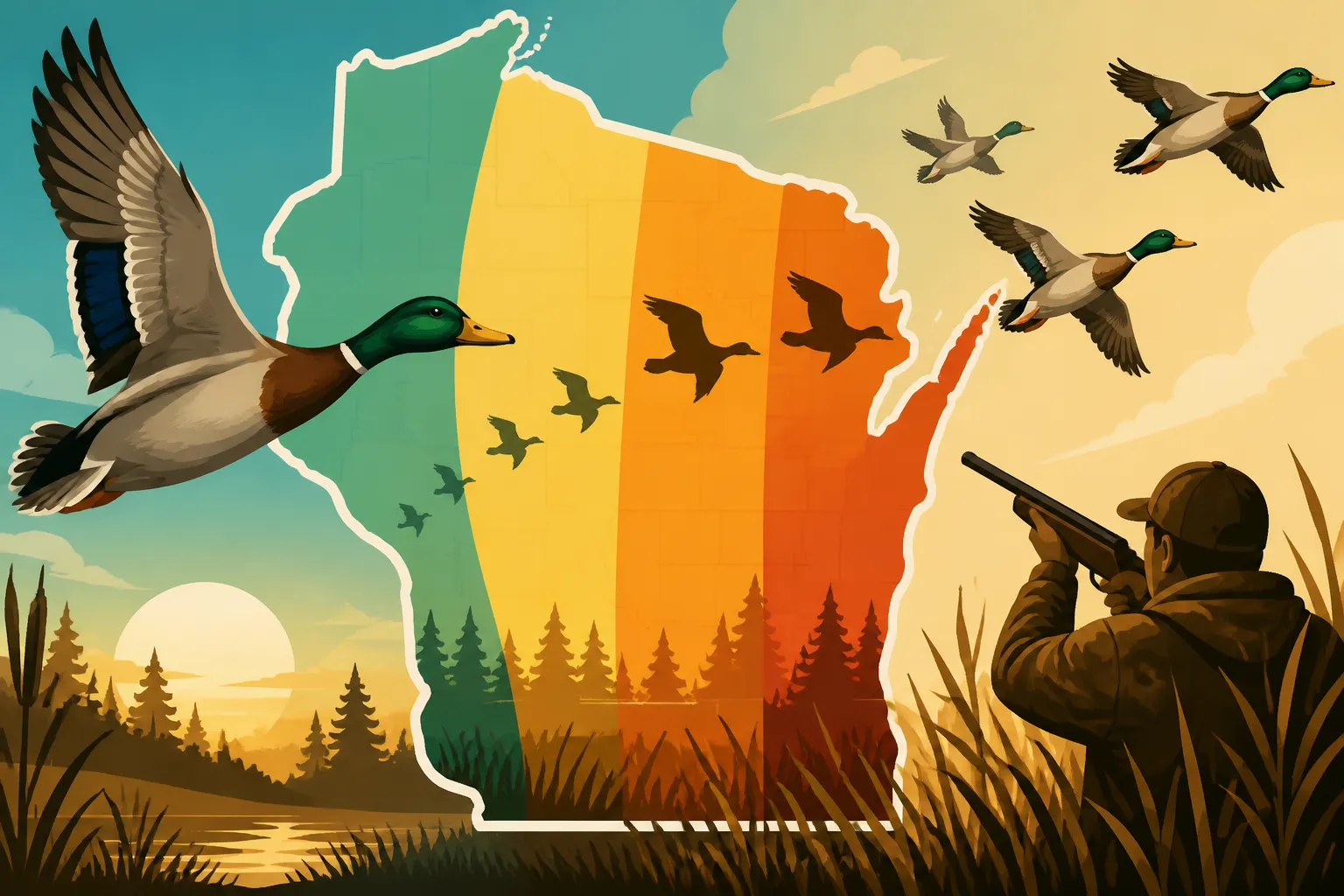
Wisconsin's geographical position is truly unique, acting as a crucial funnel in the Mississippi Flyway. As birds migrate from the vast breeding grounds of the prairie potholes and boreal forests, they often converge on our state before continuing their journey south. This means that when a significant weather system does push birds, Wisconsin often sees massive influxes, transforming quiet marshes into bustling waterfowl highways. Watching the weather maps for big cold fronts pushing out of Manitoba or Saskatchewan is an absolute must for any serious Wisconsin duck hunter.
Think about the difference between a crisp, bluebird day with light winds versus a gray, blustery day with a driving north wind. On the former, ducks might be loafing, taking their time, or sticking to familiar patterns. On the latter, especially after a dramatic temperature drop, you're more likely to see groups of birds pushing hard, flying higher, and looking for new, open water. These are the days when a well-placed decoy spread and some aggressive calling can truly pay off, as fresh, unpressured birds are often more willing to commit.
Water Conditions and Ice Formation
Beyond the air temperature, the state of the water itself is an enormous factor in duck migration. Ducks need open water for resting, feeding, and escaping predators. Shallow marshes, small ponds, and even temporary sheet water in flooded fields are often the first to freeze when temperatures drop. When these vital resources lock up, it's a clear signal for ducks to move to larger, deeper bodies of water that remain open longer, like major rivers, large lakes, or managed flowages with aeration.
An early, widespread freeze across northern and central Wisconsin can trigger a mass exodus of dabblers from those areas. Imagine waking up to find your favorite cattail marsh, which was full of mallards just yesterday, now covered in a solid sheet of ice. Those ducks didn't just disappear; they moved south, likely to the next available open water, whether that's a larger lake in southern Wisconsin or already into Illinois. This rapid freezing can create intense, short-lived "mega-flights" as thousands of birds are displaced all at once.
The patterns of ice-up across the state dictate the pace and destination of many migrating waterfowl. Rivers, with their flowing currents, often remain open much longer than still water bodies. This is why you see a concentration of ducks along the Wisconsin River, the Mississippi River, or other major waterways later in the season. These "refuge" areas become critical waypoints for birds that are trying to extend their stay in Wisconsin for as long as possible before the inevitable deep freeze. Hunting Mississippi River Backwaters is a completely different game than marsh hunting because of this factor.
Consider a year with a mild autumn versus one where a sudden cold snap hits in late October. In the mild year, you might have ducks lingering in shallow water well into November, slowly trickling south. In the harsh year, you could have all your shallow marshes frozen solid by Halloween, pushing a massive volume of birds through in a much shorter, more intense window. Hunters who pay attention to these ice forecasts, almost as much as air temperature, are better prepared to react and adjust their hunting locations.
Food Availability in Wetlands and Fields
Ducks are driven by two primary instincts: survival and procreation. During migration, survival means fuel, and fuel means food. The availability, or depletion, of natural food sources is a powerful motivator for ducks to keep moving. As aquatic vegetation, seeds from smartweed or wild rice, and insect populations dwindle in northern regions, ducks are forced to seek richer feeding grounds further south. They're constantly assessing the energy balance: is it worth staying here and burning more calories to find less food, or is it better to move on?
Harvested agricultural fields, particularly those with waste corn or soybeans, become incredibly important food sources, especially for mallards and geese. As the corn is picked in the fall, leftover kernels scatter across the fields, creating a high-energy buffet for migrating waterfowl. These fields can hold immense numbers of birds, drawing them away from natural wetlands during the day. This is why Field Hunting Geese in Southern Wisconsin or ducks often becomes a productive strategy in farm country.
The sheer volume of ducks feeding in an area can quickly deplete available food sources. If tens of thousands of birds stop in a particular wetland or group of fields for a week, they can literally eat themselves out of house and home. This natural depletion, combined with colder temperatures and ice formation, creates a cascading effect that pushes birds further south. They're not just moving to escape the cold; they're moving to find their next meal.
In the late season, when many natural wetland foods are frozen or exhausted, waste grain in agricultural fields becomes absolutely paramount. A severe cold front that pushes ice across the entire state will force birds to find any remaining open water and the last vestiges of reliable food. This often concentrates ducks in predictable patterns, flying from roosting water to specific feeding fields, making them vulnerable to hunters who have scouted their routes diligently. Understanding what Late-Season Food Sources for Whitetails are available can also help you understand duck patterns in agricultural areas, as ducks and deer often utilize similar waste grain.
Typical Migration Phases and Species Movement
The duck migration through Wisconsin isn't a single, uniform event. Different species have different timetables, almost like various waves hitting the shore. Knowing which ducks arrive when, and what conditions trigger their movements, can help you tailor your hunting strategies to the specific birds you're likely to encounter throughout the season.
Early Season Movers Teal, Wood Ducks
The first real signs of migration often appear even before the main waterfowl season kicks off, or right at the beginning. Blue-winged teal are notorious early migrants, often pushing through Wisconsin in late August and September. They're sensitive to the first hints of cold weather up north and will bail out quickly. Their small size and preference for shallow, ephemeral waters mean they can be here today, gone tomorrow. You really have to hit the timing right to catch a good flight of teal. Hunting Teal in September often requires chasing those first few cool snaps.
Wood ducks, while many are local breeders, also experience significant migratory movements. Our resident wood ducks will typically linger into October, especially if acorns are plentiful, but their numbers often swell with birds moving south from Minnesota and northern Wisconsin. They are incredibly beautiful birds and are often found in timbered wetlands or along river bottoms where good cover and food abound. Like teal, they are generally less tolerant of hard freezes and will move on relatively early.
The hunting window for these early season movers can be surprisingly short and intense. A week or two of favorable conditions might see a fantastic push of teal, only for them to vanish overnight with the next cold front. This makes early season hunting a game of opportunity and quick reactions. You might not see the same consistent numbers as later in the season, but when you hit it right, it can be some of the most exciting and fast-paced shooting of the year.
Strategies for hunting these early birds often involve focusing on smaller, shallower water bodies, hidden sloughs, and flooded timber. They respond well to realistic decoys and soft, contented calling. Since they're often the first birds to feel hunting pressure, it's important to keep your spreads simple and your movements subtle. Getting into your spot well before legal shooting hours, before the sun hits the water, is often key to catching them as they come off their roosts.
Mid-Season Arrivals Mallards, Wigeon, Gadwall
As October progresses, Wisconsin typically sees the arrival of the "main event" – the mallards, along with good numbers of wigeon, gadwall, and pintails. This is often when the duck hunting really kicks into high gear across the state. These birds are generally hardier than teal and wood ducks and are willing to linger as long as open water and food sources remain abundant. They're often coming from the northern prairie states and parts of Canada, pushed by more significant cold fronts than those that moved the early birds.
Mallards, being the adaptable birds they are, will readily settle into both natural wetlands and agricultural areas. If conditions are good – meaning plenty of waste grain and large, open water for resting – they can linger for weeks, creating incredible hunting opportunities. However, these birds are also the most pressured, and they become wise quickly. A marsh that was hot one weekend can be dead the next if the birds get hammered.
This mid-season period often sees a mix of local birds, early migrants that have paused, and the fresh push of new birds. It's a dynamic time when you might encounter a wide variety of species in your bag. This is also when scouting becomes paramount. Identifying new puddles created by rain, finding freshly cut cornfields, or noticing new groups of birds consistently flying into a specific area is how you stay on top of their movements. Tools like GoHunt, with its detailed mapping capabilities, can be a game-changer for identifying potential hot spots and access routes during this crucial phase. Scouting Wisconsin Public Land Before Season is not just for deer hunters, it's vital for ducks too.
Hunting strategies for this period often involve larger decoy spreads, more aggressive calling, and being prepared to hunt a variety of habitats. You might be in a marsh in the morning, then move to a field edge in the afternoon. The key is flexibility and constantly adjusting to where the birds are actually feeding and resting. Pay close attention to the wind, as mallards in particular often prefer to land into the breeze, making decoy placement critical.
Late Season Divers and Hardier Ducks
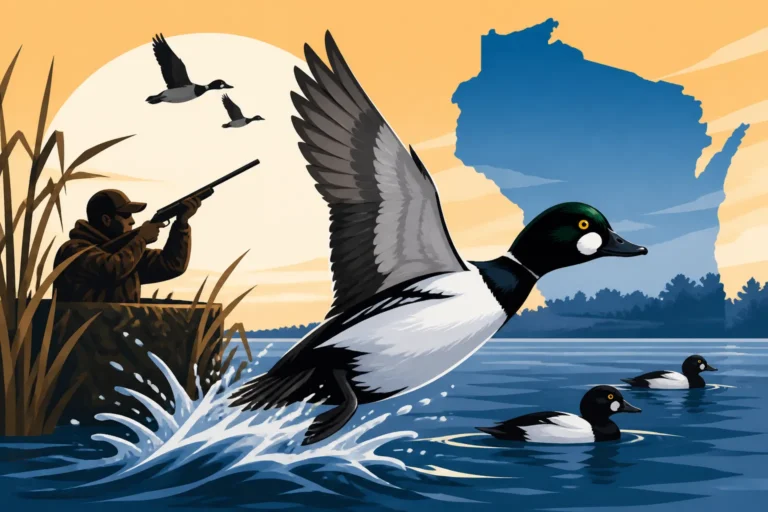
As November turns to December and the real cold sets in, the migration shifts again. Many of the dabbling ducks will have continued their journey south, leaving behind the hardier species and the diver ducks. This is when you'll start to see significant numbers of scaup (bluebills), canvasbacks, redheads, and goldeneyes. These birds prefer large, deep water bodies that resist freezing, such as the Great Lakes shoreline, Lake Winnebago, or expansive sections of the Mississippi River. Diver Hunting on Wisconsin Open Water presents unique challenges and rewards, often requiring different gear and tactics than marsh hunting.
Black ducks, which are incredibly tough and resilient, and common goldeneyes are often the last ducks to leave Wisconsin. They can tolerate extremely cold temperatures as long as there's open water for them to forage and rest. You might find them in small pockets of open water on otherwise frozen lakes, along the edges of major rivers, or even feeding in estuaries where saltwater meets fresh (though less common in Wisconsin's interior). These are truly cold-weather warriors, and pursuing them often means enduring bitter conditions yourself.
Hunting during the late season demands a different mindset and different gear. You're often dealing with frigid temperatures, ice, and strong winds. The ducks that remain are incredibly wary and have seen it all. They've been shot at across multiple states, and they're focused purely on survival. Your spreads might need to be larger, decoys need to be ultra-realistic, and concealment needs to be absolute perfection. Cold Weather Sitting Strategy is as important for ducks as it is for deer.
For diver ducks, specifically, the focus shifts to open water strategies. Large, spread-out decoy rigs, often featuring a mix of diver species, are common. Hunters often utilize layout blinds on big water or hunt from boats positioned in strategic locations. Success in the late season often boils down to patience, perseverance, and an unwavering commitment to enduring the elements for a chance at these hardy birds.
Regional Differences in Wisconsin Duck Migration
Wisconsin is a big, diverse state, and it’s no surprise that duck migration patterns aren't uniform from top to bottom. What works for a hunter in the vast marshes of Horicon isn't necessarily the same as what works for someone hunting a small flowage in northern Wisconsin. Understanding these regional nuances is key to adapting your approach and finding birds wherever you choose to hunt.
Northern Forests and Flowages
In the northern reaches of Wisconsin, where the vast pine and hardwood forests dominate, the duck season is often a game of "get 'em while you can." These areas, characterized by numerous small lakes, beaver flowages, and winding rivers, are usually the first to experience hard freezes. This means the duck migration window up north is often shorter and more intense than in other parts of the state. Early cold snaps can push resident birds and early migrants out relatively quickly.
While the numbers of migrating birds might not be as staggering as in the southern agricultural zones, northern Wisconsin often offers a different kind of duck hunting experience. You're typically dealing with less hunting pressure, and the birds you do encounter might be more local or from the initial pushes, making them slightly less wary. The focus here is often on wood ducks and resident mallards early in the season, often found in secluded beaver ponds or along slow-moving rivers.
Strategies for hunting up north often involve focusing on those hidden, out-of-the-way spots that other hunters might overlook. Smaller, more portable decoy spreads are practical, and jump shooting quiet stretches of river can be very productive. Knowing When Wisconsin's Archery Season Opens can also give you a sense of when other hunters are out and about in these areas. Since the freeze-up is early, you really need to capitalize on the first few weeks of the season before the birds are forced to move on.
Central Sands and Shallow Marshes
Moving south into the central sands region, areas like Necedah National Wildlife Refuge, Meadow Valley, and Wood County Wildlife Area become incredibly important staging grounds. This region, with its expansive shallow marshes, cranberry bogs, and managed flowages, attracts a wide variety of waterfowl during migration. It's often where birds pause, refuel, and regroup before making their next push south. The timing here can be incredibly dynamic, with new birds arriving and departing almost daily.
The success of hunting in these areas is often heavily dependent on water levels. Good rainfall or managed water levels can create ideal feeding and resting conditions, holding thousands of birds. Conversely, drought conditions can significantly reduce the attractiveness of these marshes, pushing birds to areas with more reliable water. Hunters in this region need to be vigilant about checking water levels and scouting extensively.
These central marshes can attract a fantastic mix of dabblers and some divers, especially during the peak migration in October and early November. You might see everything from pintails and wigeon to significant numbers of mallards and black ducks. These areas act as crucial waypoints on the flyway, drawing birds in from various northern routes. Wisconsin Waterfowl Hunting on Marsh and River really comes to life in these central regions.
Hunting these areas requires patience and a good understanding of the local landscape. Large public hunting areas like Horicon Marsh (though further south and east) provide similar challenges in terms of navigating vast, open water and understanding how birds use different sections. Hunting Horicon Marsh Waterfowl is a masterclass in large marsh hunting. Scouting from observation points, identifying bird flight lines, and being willing to walk or use a small boat or kayak to get into less-pressured spots are common tactics.
Southern Farmlands and Large Rivers
Southern Wisconsin, particularly the southwestern Driftless Area and the southeastern agricultural belt, is the last major stop for many migrating ducks before they leave the state entirely. This region offers a potent combination: vast expanses of waste grain in harvested corn and soybean fields, and major bodies of open water like the Mississippi River, the Wisconsin River, and large lakes that often stay open late into the season.
The Mississippi River is a flyway superhighway, drawing in an incredible diversity and volume of ducks, especially divers like canvasbacks and bluebills, but also significant numbers of mallards and geese. The backwater sloughs, islands, and main channel provide endless opportunities and challenges for waterfowl hunters. These birds often use the river as a constant, moving south as ice encroaches further north, making river hunting a late-season staple. Hunting Mississippi River Backwaters is a uniquely rewarding experience.
Agricultural fields in counties like Dodge, Columbia, or Rock become critical feeding grounds, particularly for mallards. These ducks will often roost on large, open water and fly out to feed in specific fields, creating predictable flight patterns that hunters can capitalize on. This is where field hunting, often requiring layout blinds and large decoy spreads, really shines.
The duck season often extends longest in these southern areas, sometimes offering decent hunting well into December, as long as open water holds. However, with more birds and longer opportunities often comes increased hunting pressure. Hunters need to be exceptionally mindful of legal shooting hours Wisconsin Legal Shooting Hours, scouting new feeding areas, and using advanced calling and decoy strategies to entice wary birds. This is also where understanding your Wisconsin Duck Daily Bag Limit and Wisconsin Federal Duck Stamp Rules is most critical due to the sheer volume of birds and hunters.
How to Stay Ahead of the Migration and Find Success
The key to consistently successful duck hunting in Wisconsin isn't just about showing up; it's about being informed, adaptable, and a bit obsessive. Since migration is a constantly moving target, you need strategies to stay on top of the birds and predict their next move.
Constant Scouting and Adaptability
The single most important thing you can do is scout, scout, scout! Duck migration is dynamic, and what was true yesterday might not be true today. This means driving backroads, using optics to scan fields and marshes, checking water levels, and looking for new concentrations of birds. Don't rely solely on word-of-mouth; verify it yourself. If you're seeing new birds, identify what brought them in – a cold front, a new food source, fresh open water.
Being adaptable is also crucial. If your go-to spot is frozen solid, or if the birds aren't there, don't be afraid to pull stakes and move. Hunters who lock themselves into one location, regardless of bird activity, often end up with empty straps. This might mean having a few different spots scouted out in various types of habitat – a marsh, a river, a field – so you can pivot quickly based on conditions and bird movement. Tools like the onX Layers for Wisconsin Land Status or GoHunt can be invaluable for identifying potential new public access points or areas with less pressure on the fly. You can mark potential roosting spots, feeding areas, and travel corridors, saving you precious time when the migration is on.
Weather Forecasting and Its Predictive Power
Become a student of the weather. Don't just look at the next day's forecast; pay attention to the long-range outlook and, more importantly, what's happening north of Wisconsin. Major cold fronts pushing down from the Dakotas or Canadian prairies are your biggest indicators of new birds. Look for sustained north winds and significant temperature drops. These are the systems that will push the next wave of migrants into the state.
Understanding how quickly ice will form is also vital. A forecast of several nights below freezing, especially if combined with calm conditions, means shallow water bodies are going to lock up fast. This will tell you that the birds in those areas will be moving. Conversely, if a strong warm front pushes back north, expect migration to slow down or even reverse slightly, as birds linger or spread out again. The more you connect weather patterns to actual bird movements you observe, the better you'll become at predicting future flights.
Community and DNR Reports
While your own scouting is paramount, don't ignore the collective wisdom of the hunting community. Local bait shops, gas stations in rural towns, and online forums dedicated to Wisconsin hunting can provide valuable anecdotal information. Hunters are often eager to share their successes (and frustrations), and these reports can confirm your own observations or alert you to patterns you might have missed. Just remember to take everything with a grain of salt and cross-reference with your own eyes.
The Wisconsin DNR often provides general migration updates or seasonal outlooks, especially for major managed areas. While they won't give you daily flight reports for your specific marsh, their broader overview can help you understand general trends, population estimates, and where the bulk of birds might be staging. Checking these reports in conjunction with your own scouting and weather monitoring creates a more complete picture of the migration.
| Migration Phase | Typical Period | Key Species (Primary Focus) | Weather/Water Conditions | Hunting Tactics |
|---|---|---|---|---|
| Early Season | Sept – Early Oct | Blue-winged Teal, Wood Ducks | Mild to cool, shallow water open, first light freezes possible | Small spreads, subtle calling, jump shooting, focus on hidden sloughs |
| Mid-Season | Mid Oct – Mid Nov | Mallards, Gadwall, Wigeon, Pintails | Colder fronts, some marsh ice-up, large lakes/rivers open, peak fall colors | Larger spreads, more aggressive calling, field/marsh flexibility, scouting new food |
| Late Season | Late Nov – Dec (Jan) | Divers (Scaup, Cans), Goldeneye, Black Ducks, Mallards | Cold to frigid, widespread ice-up, only major rivers/deep lakes open | Large diver rigs, layout blinds on big water, extreme concealment, thermal clothing |
Challenges and Rewards of Hunting Migrating Ducks
Let's be real, duck hunting in Wisconsin isn't always glamorous limits and epic flights. It's often cold, wet, and can be frustratingly slow. But that's part of the journey, and understanding the highs and lows is just as much a part of the experience as pulling the trigger.
The Frustration of Unpredictability
Every duck hunter knows the feeling: you put in the time scouting, set up the perfect spread before dawn, shiver in the blind for hours, and then… nothing. The ducks just didn't fly. Or maybe they flew high, ignoring your calls and decoys, pushing south on a mission. This unpredictability is perhaps the most frustrating aspect of hunting migratory waterfowl. A mild winter up north means fewer birds make it to your part of Wisconsin, and those that do are spread out.
There's nothing quite like hearing reports of "the big push" happening just south of you, or watching your buddies in another state post pictures of limits, while your local marsh is still eerily quiet. It can feel like you've missed the boat, or that the birds are actively avoiding your county. These are the days that test your resolve, but they're also the days that teach you patience and how to appreciate the little victories. It might mean getting out more often, checking more spots, or even traveling a bit further to stay in the migration.
The Thrill of a Fresh Flight
Despite the frustrations, there's absolutely nothing like being in the marsh when a fresh flight of birds hits. It's truly magical. One day it's quiet, and the next, the skies are full of ducks, swirling and dropping into your spread with reckless abandon. These are the unpressured birds, often traveling hundreds of miles, looking for their first meal and a safe place to rest. They decoy aggressively, respond eagerly to calls, and make all those cold, quiet mornings worth it.
Catching a fresh push means experiencing waterfowl hunting at its absolute peak. The adrenaline rush as a flock locks up and commits, wings cupped, feet down, is an unforgettable feeling. It's the reward for all that diligent scouting, weather watching, and early morning effort. These are the stories you tell around the campfire at deer camp, the memories that keep you coming back year after year. Sharing that experience in a duck blind with friends, watching the teamwork of callers and retrievers, is part of the deep tradition of Wisconsin waterfowl hunting.
This article is for general informational purposes only and does not constitute professional advice. Laws, prices and regulations vary by location and change over time. Consult a qualified professional for guidance on your specific situation.