Hunting Teal in September
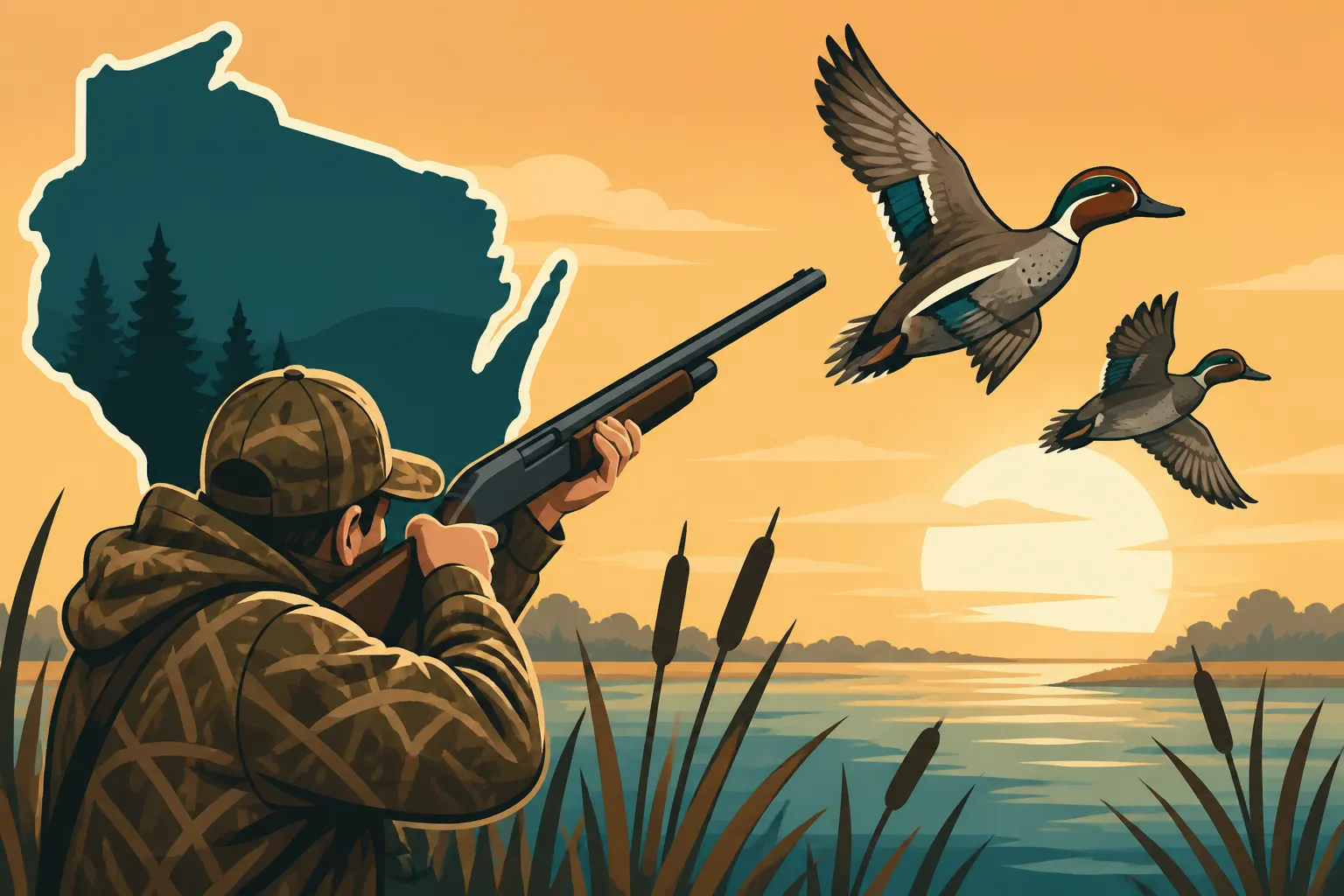
There's nothing quite like that first whisper of a cool breeze in late August, hinting at the change of seasons and igniting the anticipation for waterfowl season. For many of us in Wisconsin, though, the wait for regular duck season feels like an eternity. That's where the early September teal season swoops in like a flock of low-flying blue-wings, offering a thrilling early start to the year and a unique hunting challenge. This guide will help you understand the magic of teal hunting, from identifying these speedy little rockets to the gear and tactics that will put them in your bag.
The Unique Thrill of Wisconsin's Early Teal Season
The early September teal season in Wisconsin is truly a gift for waterfowl enthusiasts, a chance to shake off the summer rust and get back into the marsh long before the main duck migration truly kicks off. It's a special window, usually only open for about nine days in the first half of September, specifically designed to target the abundant blue-winged and green-winged teal that stage in our wetlands before their long journey south.
Why Teal Hunting is a Different Ballgame
Teal hunting isn't your typical late-season mallard hunt. The conditions are often still quite warm, sometimes downright summery, which means you're not bundled up in heavy waders and insulated parkas. Instead, it's lighter clothing, possibly bug spray, and the quiet beauty of a September dawn. What really sets it apart, though, is the sheer speed and acrobatic flight of these birds. Teal are rockets – they fly fast, they bank hard, and they can disappear as quickly as they appear. This makes for incredibly exciting, fast-paced shooting action that tests even the most seasoned wingshooter. It's a fantastic way to sharpen your reflexes and get ready for the more diverse flights later in the year.
The Opportunity to Scout and Connect with Nature
Beyond the shooting, early teal season offers a valuable opportunity to immerse yourself in Wisconsin's wetlands and observe the landscape before peak hunting pressure. You can scout out new public land spots, identify preferred roosting and feeding areas, and simply enjoy the tranquility of the marsh as summer transitions into fall. It’s a chance to see different migratory birds, marvel at the lush late-summer vegetation, and reconnect with the natural world. Many hunters use this time not just to hunt teal, but to gather intel on other duck species that might be moving in later, or to assess water levels and available food sources in their favorite hunting grounds.
Identifying Teal: Speed Demons of the Marsh
Accurate identification is absolutely crucial during the early teal season. You're specifically allowed to target blue-winged and green-winged teal, but other species like wood ducks or even early-migrating mallards might be present. Shooting a non-teal species during the early season can lead to severe penalties, so always be 100% sure before you pull the trigger.
Blue-winged vs. Green-winged Teal: Key Differences
While both are small, fast-flying ducks, blue-winged and green-winged teal have distinct characteristics. Blue-wings are typically the first to arrive and dominate the early September flights. They're often seen in larger flocks and have a noticeable sky-blue patch on their secondary wing coverts, which is visible in flight, especially when they bank. The males (drakes) have a prominent white crescent on their face, making them quite distinctive. Green-winged teal are generally a bit smaller and even faster, with an iridescent green speculum (wing patch) that's less obvious until they're closer. Their drakes have a chestnut head with a shimmering green eye-patch bordered in white. Learning these identifiers in the field, often in low light or at high speed, is the ultimate challenge. Many hunters practice with binoculars or even just by observing flight patterns to hone their skills before season.
| Feature | Blue-winged Teal | Green-winged Teal |
|---|---|---|
| Size | Slightly larger, but still small | Smallest dabbling duck, very compact |
| Flight Speed | Very fast, agile, erratic | Extremely fast, almost blur-like |
| Distinctive Mark | Sky-blue wing patch (visible in flight), drakes have white facial crescent | Iridescent green speculum (wing patch), drakes have chestnut head with green eye-patch |
| Flocking Behavior | Often in larger, tighter flocks | Can be in smaller groups or mixed flocks |
| Arrival in WI | Typically earlier, abundant in early September | Slightly later, common in mid-to-late September |
| Vocalization | Soft "peep" or "teet" | High-pitched whistle or short "krick-krick" |
Understanding Teal Behavior and Habitat
Teal are dabbling ducks, meaning they feed by tipping up in shallow water rather than diving. They love shallow marshes, flooded fields, ephemeral wetlands, and the edges of larger bodies of water that have abundant emergent vegetation like smartweed, pondweed, and sedges. These areas provide both food (seeds, aquatic insects) and cover. They're often most active in the early morning and late evening, flying low over the water to feed. During the warmer parts of the day, they might raft up in more open water or loaf in thick cover.
Understanding their daily routine is key. Scouting is paramount: observe where they fly in, where they land, and where they seem to be feeding. You can use aerial maps, available through resources like GoHunt, to identify potential shallow water habitats and then follow up with on-the-ground scouting to confirm water levels and bird activity. Look for areas with a mix of open water and thick vegetation – that's often where the magic happens.
Essential Gear and Tactics for Successful Teal Hunting
Hunting teal successfully is all about preparation, speed, and concealment. The early season conditions also dictate specific gear choices that differ from a blustery November duck hunt.
Firepower and Ammunition for Fast Flyers
When it comes to shotguns, anything from a 12-gauge to a 20-gauge will work, but the key is a gun you can swing fast and point instinctively. Since teal are small and move incredibly quickly, a more open choke like Improved Cylinder or Modified is usually preferred to give you a wider shot pattern. For ammunition, you'll be using non-toxic shot, as required for all waterfowl hunting. Steel shot in sizes #6 or #7 is ideal for teal; their small body mass means you don't need heavy loads, and the increased pellet count in smaller shot sizes increases your chances of connecting with these elusive targets. Make sure you're aware of Waterfowl Loads for Wisconsin Divers, even though teal are dabblers, the principles of non-toxic shot apply. Carrying enough shells is also a good idea; with the fast action, you might go through more than you expect!
Decoy Spreads and Calling Techniques
Teal are often responsive to decoys, especially small, realistic spreads. You don't need a huge spread; a dozen or two teal decoys are usually plenty, often mixed with a few wood duck decoys to add realism, as they share similar early season habitat. Place them in shallow water, often right on the edge of emergent vegetation, leaving a landing zone in front of your blind. A jerk cord can also add lifelike movement to your spread, which can be very effective on passing birds.
Calling for teal is less about complex sequences and more about subtle reassurance. A simple teal whistle, mimicking their high-pitched "peep," or a few short, high-pitched quacks on a duck call can be enough to draw their attention. Overcalling can be detrimental; often, seeing the decoys is enough to bring them in. The best approach is to gauge their reaction and adjust your calling accordingly.
Concealment and Mobility in the Marsh
Given the warm weather, you'll want breathable, lightweight camouflage. Natural gear patterns that blend into marsh grasses or cattails are perfect. Good waders are essential, as you'll often be setting up in shallow water or navigating muddy edges. Waders for Cattail Marsh Hunting explains why quality, comfortable waders are indispensable. Many hunters opt for chest waders that offer flexibility for deeper pushes into the marsh. A lightweight, portable blind or natural cover brushed in with local vegetation works best. Teal are keen-eyed, so remaining absolutely still and hidden until the moment to shoot is paramount. Remember, these birds often fly low, so your blind height and profile are important. Mobility is also key; being able to pick up and move if the birds aren't working your spot can make all the difference, especially when Jump Shooting Wisconsin Rivers or other narrow waterways.
Navigating Regulations and Public Land for Teal
Hunting any migratory bird comes with specific regulations, and teal are no exception. Knowing the rules and where you can legally hunt will ensure a safe and successful season.
Understanding Wisconsin's Teal Season Regulations
The early teal season in Wisconsin is a distinct hunting period, typically held for a short period in September, preceding the regular duck season. It's vital to check the current Wisconsin DNR regulations each year for the exact dates, shooting hours, and bag limits. Generally, the daily bag limit for teal is six birds, which can be a mix of blue-winged and green-winged teal. Shooting hours are often sunrise to sunset during this early season, differing slightly from the regular duck season.
Beyond the specific teal season rules, all migratory bird hunters in Wisconsin must possess a valid small game license, a Wisconsin Waterfowl Stamp, and a Federal Duck Stamp if they are 16 years of age or older. Additionally, you must be HIP (Harvest Information Program) certified. Wisconsin HIP Certification for Bird Hunters is easy to obtain and is a federal requirement that helps wildlife agencies gather important harvest data. Make sure you understand Wisconsin Federal Duck Stamp Rules as well, as this is a critical component of conservation funding. Always carry all necessary licenses and stamps with you while hunting.
Finding Prime Public Land Teal Opportunities
Wisconsin boasts an impressive amount of public hunting land, much of which contains excellent teal habitat. State Wildlife Areas, State Forests, and even some County Forests with wetlands can be hotspots. Areas like Horicon Marsh, Meadow Valley Wildlife Area, and numerous smaller wetlands scattered across the state, especially in the southern and central regions, can offer fantastic teal hunting. When planning your hunt, explore resources like the Wisconsin DNR's Hunt Wild app or online public land maps. These tools, often similar to those offered by GoHunt, can help you identify open public acreage and locate shallow water areas or impoundments that teal frequent. For more general information, Public Hunting Land in Wisconsin provides an excellent overview of your options.
It's important to scout these areas beforehand, checking water levels and bird activity. Access points can sometimes be limited, so knowing your entry and exit routes is crucial, particularly if you're using a Marsh Boats and Push Poles to access more remote spots. Don't be afraid to put in some legwork; often the best teal hunting is found a little off the beaten path, away from the easiest access points where other hunters might concentrate. Even smaller, overlooked potholes and flooded pockets of timber can hold good numbers of birds if they offer food and shallow water. For specific, renowned locations, Hunting Horicon Marsh Waterfowl is a great resource, but remember that big, popular marshes can see significant pressure during peak times.
Conclusion: Embrace the Early Season Excitement
The early September teal season in Wisconsin is truly a gem, a fantastic way to kick off the fall hunting rhythm. It's a challenging, fast-paced hunt that demands quick reflexes and keen identification skills, but the rewards are immense – not just in teal for the dinner table, but in the sheer joy of being out in the marsh under a September sky. By understanding teal behavior, equipping yourself with the right gear, and respecting the regulations, you'll be well on your way to a memorable and successful early season.
Disclaimer
Please remember that hunting regulations, season dates, and bag limits can change annually. Always consult the most current Wisconsin Department of Natural Resources (DNR) hunting regulations and publications before heading into the field. This guide is for informational purposes only and does not supersede official regulations.