Diver Hunting on Wisconsin Open Water
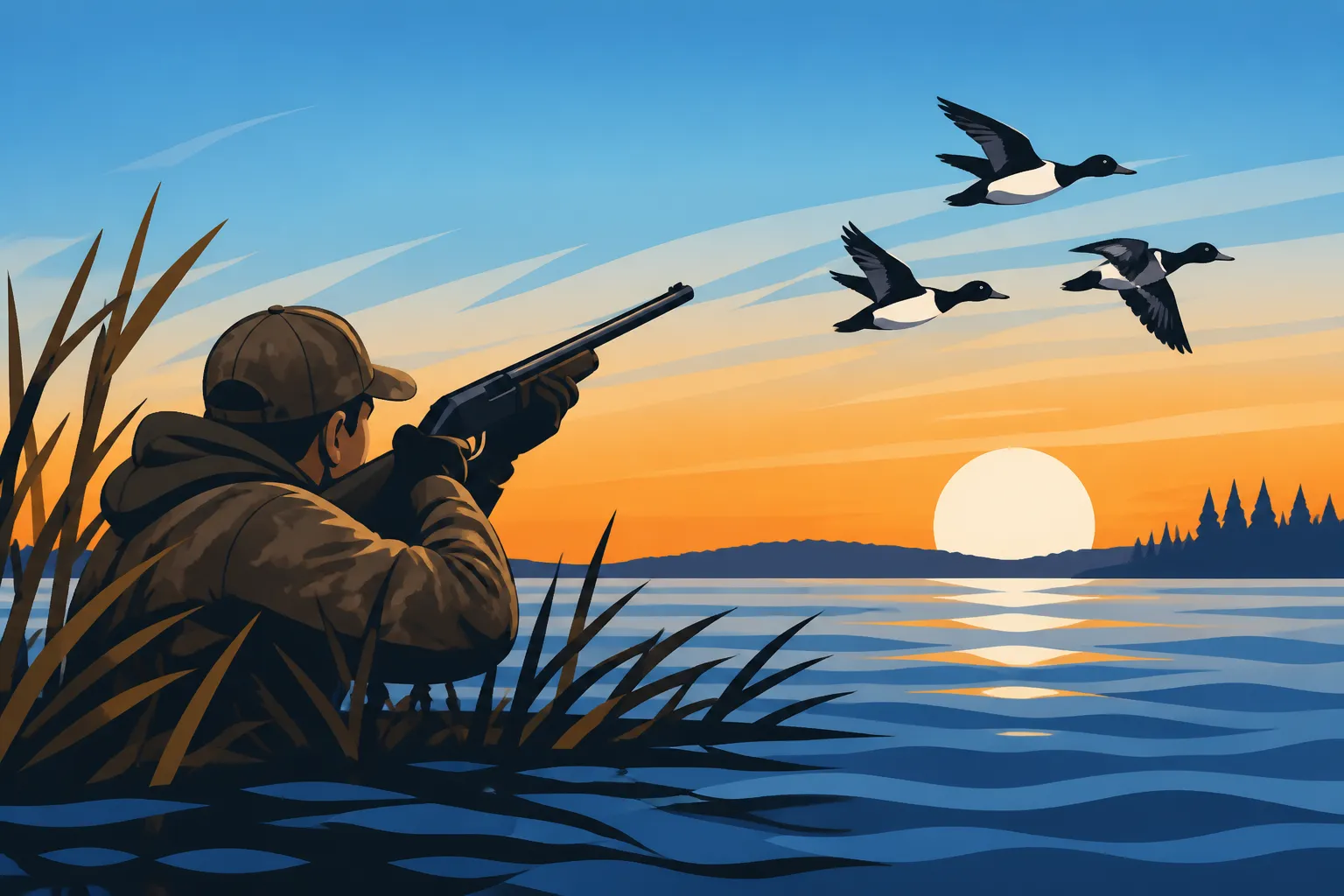
Hunting diver ducks on Wisconsin's vast open waters is a completely different ballgame than sneaking into a cattail marsh for puddle ducks. It's a challenging endeavor that demands specialized gear, a deep understanding of these hardy birds, and a healthy respect for the elements. If you've ever felt the sting of a strong north wind ripping across Lake Michigan or looked out at an expanse of white-capped waves wondering where to even start, this guide is for you. We're going to dive deep into what it takes to successfully pursue canvasbacks, redheads, and bluebills on Wisconsin's big lakes and rivers.
Understanding Wisconsin's Open Water for Divers
Wisconsin boasts some incredible open water habitats that act as crucial migration corridors and feeding grounds for various diver duck species. Unlike dabbling ducks that feed in shallow waters, divers prefer deeper areas where they can, well, dive for their food. This means you'll often find them congregating on vast expanses of water, far from shore, making them notoriously difficult to access and hunt without the right approach.
Key Open Water Bodies
When we talk about open water in Wisconsin for diver hunting, a few key areas immediately come to mind. The sheer scale of these waters dictates a different hunting strategy compared to smaller, more sheltered wetlands.
- Lake Michigan and Lake Superior: These Great Lakes are truly massive and hold incredible numbers of migrating divers, especially during the peak of the fall migration. Hunters often focus on the bays and nearshore reefs that offer some protection and food sources. Areas like Green Bay on Lake Michigan are particularly renowned for their diver populations. Hunting these waters requires serious boats and extreme caution due to unpredictable weather.
- Lake Winnebago System: This vast, shallow lake system, including Lake Winnebago itself and connected lakes like Butte des Morts and Poygan, offers expansive open water. While not as deep as the Great Lakes, its sheer size creates similar open water conditions. It's a huge staging area for divers, and many local hunters specifically target its wind-swept expanses. You'll find a lot of birds here, but also a lot of other boat traffic. For specific insights into the opportunities here, you might want to read more about Diver Ducks on Lake Winnebago.
- Mississippi River Backwaters: While often thought of for puddle ducks, certain sections of the Mississippi River, particularly the wider pools and open channels, attract significant numbers of divers. These areas can be incredibly productive, especially where currents create nutrient-rich feeding grounds. Hunters often focus on deeper areas and main channel edges. For broader river hunting information, check out Hunting Mississippi River Backwaters.
Navigating these large water bodies means being aware of their unique characteristics. The currents, depths, and potential for sudden weather changes are always a factor. Understanding these environments is the first step toward a safe and successful hunt.
Understanding Diver Species Behavior
To hunt divers effectively, you really need to get inside their heads (or at least understand their basic biology and habits). Divers are built for underwater foraging, with their legs set further back on their bodies, making them powerful swimmers but awkward on land. This anatomical difference affects everything from their flight patterns to their feeding habits and how they react to decoys.
- Canvasbacks: Often called the "King of Ducks," canvasbacks are big, fast-flying birds known for their distinct profile. They prefer deep, clear water bodies with abundant submerged aquatic vegetation, especially wild celery. They fly in V-formations or undulating lines, and when they commit to a spread, they can come in hard and fast. Their wary nature means your setup needs to be pristine.
- Redheads: These striking ducks are often found alongside canvasbacks, though they're a bit more adaptable to various aquatic plants and even mollusks. They're strong flyers and often decimate spreads with enthusiasm, but their flocks can be less structured than canvasbacks. They're a favorite among many diver hunters due to their willingness to decoy.
- Scaup (Bluebills): Both Greater and Lesser Scaup are commonly referred to as "bluebills" and are abundant divers. They prefer large, open bodies of water and feast on a variety of aquatic invertebrates and small fish, making them less reliant on specific vegetation. Bluebills often fly in large, undulating flocks and can be very responsive to large decoy spreads, making them a good target for volume shooting.
- Goldeneyes and Buffleheads: While smaller and not typically the primary target of a dedicated diver hunt, these species are often encountered. Goldeneyes are strong, fast fliers, usually found in small groups. Buffleheads are tiny, agile, and often dart around, providing a challenging shot. They prefer deeper, clear water and feed on aquatic insects and crustaceans.
Understanding what each species is looking for in terms of food and resting areas, as well as their flight characteristics, will directly influence your scouting efforts and decoy spread configuration. Knowing their habits is key to predicting where they’ll be and how they’ll react.
Essential Gear and Decoy Spreads for Diver Hunting
Diver hunting on open water isn't a minimalist affair. The conditions demand robust gear, and the birds require specific decoy presentations. Skimping on quality here can mean not only a missed opportunity but also a dangerous situation.
Specialized Boats and Motors
This isn't the kind of hunting where a small johnboat will cut it. You need a vessel capable of handling rough water, carrying a substantial amount of gear and decoys, and ensuring your safety.
- Stable Waterfowl Boats: Look for boats specifically designed for big water hunting. Layout boats are popular for ultimate concealment, but they often require a tender boat. More commonly, hunters use robust, deep-V aluminum or fiberglass boats (16-20+ feet) that can ride out waves and provide a stable shooting platform. Brands like Lund or Alumacraft, often found at Wisconsin marine dealers, are common choices for their durability and stability. These boats should have high sides to prevent swamping and ample storage for all your equipment.
- Reliable Motors: A powerful and reliable outboard motor is non-negotiable. You'll often be running miles offshore and dealing with strong currents and winds. Having enough horsepower (often 50HP or more, depending on boat size) to get you out of trouble quickly is critical. Always carry a secondary, smaller kicker motor or a fully charged electric trolling motor as a backup. A dead main motor far from shore is a nightmare scenario. For those looking at options for their marsh boats, knowing about Layout Blinds and Marsh Boats can provide some helpful cross-reference.
- Navigation and Safety Gear: Beyond the standard safety equipment (life jackets, flares, horn), open water hunting demands more. A GPS unit (or a reliable marine chartplotter) is essential for marking spreads, navigating in fog or low light, and returning safely to shore. A marine-band VHF radio is also crucial for communication, especially if cell service drops out on big water. Using a robust mapping tool like those found on GoHunt can help you pre-plan routes and mark potential hazards or hot spots before you even launch.
Remember, the cost of a good, safe boat is an investment in both your success and your life. Don't compromise.
Decoy Strategies for Diver Ducks
Divers are social birds that often travel in large flocks, and your decoy spread needs to reflect that. It’s not just about numbers, though, it's about presentation and realism.
- Quantity is King: Unlike puddle ducks, diver spreads often number in the dozens, sometimes hundreds, to create the illusion of a large, safe feeding or resting area. Aim for at least 50-100 decoys for a truly effective open water spread. A mix of species (canvasbacks, redheads, bluebills) mimics natural rafts of birds.
- The "J" Hook or Fishhook Spread: This is a classic and highly effective diver spread. It involves deploying a long string of decoys (the "stem" of the J) that extends downwind from your boat or blind, with a cluster or curve of decoys (the "hook") upwind. Divers typically fly upwind, see the long string, and then swing into the calmer water inside the "hook" to land. This funnels them right into your shooting zone.
- Long-Line Rigs: To manage such large numbers of decoys efficiently, long-line rigging is essential. This involves stringing multiple decoys (5-10+) onto a single heavy line, with a large anchor at one end and a buoy at the other. This allows you to deploy and retrieve dozens of decoys quickly. For insights into effective setups, you might consider articles like Decoy Spreads for Wisconsin Divers. Make sure your anchors are heavy enough to hold in strong currents and winds; nothing is more frustrating than a spread that drifts apart.
- Movement and Realism: Adding movement to your spread can be a game-changer. Jerk strings, flapping decoys, or even motorized swimming decoys can add lifelike action. Beyond that, ensure your decoys are clean and well-maintained. Faded, dirty, or damaged decoys look unnatural and can flare wary birds. A fresh coat of paint can make a world of difference.
Setting a big diver spread is hard work, especially in choppy water, but the reward of a flock of canvasbacks diving into your decoys makes it all worthwhile.
Appropriate Clothing and Waders
Open water hunting means exposure to the full force of Wisconsin's autumn and winter weather. Staying warm, dry, and safe is paramount.
- Layering is Crucial: Forget cotton. Start with a moisture-wicking base layer, add insulating layers like fleece or wool, and top it off with a waterproof and windproof outer shell. You'll be sweating while setting decoys and then sitting still in freezing temperatures. The ability to add or remove layers is key to regulating your body temperature. Consider robust gear from brands like Sitka, Kuiu, or even budget-friendly options that prioritize warmth and waterproofness.
- Insulated Waders and Boots: Chest waders are a must for deploying and retrieving decoys, especially when anchoring or adjusting lines. Opt for heavy-duty, insulated waders with cleated or felt soles for better grip on slippery boat decks or river bottoms. Pair them with equally insulated, waterproof boots that offer excellent traction and support. You'll be standing for long periods in potentially wet, cold conditions, and cold feet will ruin your hunt faster than anything. For specific advice on footwear, see Waders for Wisconsin Marsh Hunting.
- Hand and Head Protection: Your hands and head lose heat rapidly. Waterproof, insulated gloves (or multiple pairs) are essential. A warm, windproof hat that covers your ears is also critical. Many hunters also swear by hand warmers, especially the chemical packets, to tuck into gloves or pockets for those brutal cold fronts.
Always pack extra clothing, even if it's just a dry set in a waterproof bag, in case you get wet. Hypothermia is a very real danger on open water.
Tactics for Success on Big Water
Once you have your gear and an understanding of the birds, it's time to put it all together with smart tactics that adapt to the dynamic open water environment.
Scouting and Location Selection
Effective scouting is the bedrock of a successful diver hunt. You can have the best gear, but if the birds aren't there, you're just out for a boat ride.
- Pre-Season Reconnaissance: Before the season even opens, spend time on your chosen water body. Use binoculars and spotting scopes from shore or a boat to locate traditional diver staging areas, feeding grounds, and travel lanes. Look for rafts of birds. Pay attention to wind direction on days you see birds; this influences where they'll rest and feed. Many hunters use advanced mapping systems, like those offered through GoHunt, to drop pins on locations where they observe diver activity or potential feeding areas, cross-referencing with depth charts and bottom contours.
- In-Season Adjustments: Diver patterns can change quickly with weather fronts, food availability, and hunting pressure. Don't be afraid to move if the birds aren't cooperating. If you're seeing ducks flying over your spread but not committing, observe their flight path. Are they trying to land elsewhere? Are they shying away from something specific? Learn to read the birds and adjust your location or spread accordingly.
- Focus on Key Features: On large lakes, divers often relate to underwater structure. Look for areas with slight depth changes, submerged humps, reefs, or the edges of channels. These features often concentrate the food sources that divers seek. Even subtle changes in depth, easily visible on marine charts or through mapping apps, can be magnets for divers. The timing of Wisconsin Waterfowl Migration Timing can also play a huge role in where you find birds.
Scouting isn't just about finding birds; it's about understanding why they are where they are. This knowledge is invaluable for consistently finding success.
Setting Up Your Spread
The way you position your boat and decoys is critical for bringing in wary divers. It's an art form honed over many hunts.
- Wind is Your Friend (and Foe): Divers, like most waterfowl, prefer to land into the wind. This means your boat or blind should be positioned downwind of your decoy spread, allowing the birds to approach the decoys head-on, offering a clear shot as they work into the wind. A strong wind can make deploying and retrieving decoys challenging, but it also creates the movement on the water that makes your spread look alive.
- Concealment is Paramount: Open water offers little natural cover, so your concealment needs to be absolute. If hunting from a layout boat, you're already low to the water. If using a larger boat, a well-brushed blind is essential. Use natural vegetation from shore if possible, or commercially available camo netting. The goal is to blend seamlessly with the horizon line and appear as just another piece of the environment. Even a slight silhouette can flare birds.
- The Landing Zone: Always leave a large, clear landing zone within your decoy spread, ideally between your boat/blind and the bulk of your decoys. This space, often upwind of your position, is where the birds will want to drop in. If your decoys are too dense, birds will often circle or land outside the spread. Ensure this zone is free of lines or obstructions.
A thoughtful setup, considering wind, concealment, and the birds' approach, will significantly increase your shooting opportunities.
Calling and Concealment
While not as call-intensive as puddle duck hunting, calling still plays a role, and perfect concealment remains critical.
- Less is Often More with Divers: Diver calling is generally simpler and less aggressive than mallard calling. Canvasbacks, redheads, and scaup have distinct calls, but often a simple contented purr or a subtle cluck from a dedicated diver call is enough to get their attention and draw them closer. Overcalling can easily spook these often-wary birds. Think of it as reassurance rather than an invitation.
- Motion Decoys and Confidence Birds: While traditional calls are subtle, motion decoys like spinning wing decoys can attract attention from a distance, especially if the ducks are high. However, be prepared to turn them off as birds get closer if they seem to be flaring. Adding "confidence" decoys, such as a few goose floaters or even a gull decoy, can make your spread appear more natural and safe to incoming divers.
- Absolute Stillness: No matter how good your blind or layout boat, movement will give you away. Remain absolutely still as birds approach. Don't fidget, don't peek over the blind, and don't raise your gun until it's time to shoot. Divers often swing wide before committing, giving you time to prepare, but any unnatural movement will send them packing. This level of discipline is crucial for consistent success.
Safety Considerations and Regulations for Open Water Hunts
Hunting on Wisconsin's open waters, particularly the Great Lakes, comes with inherent risks. Safety should always be your number one priority, even above filling your bag limit. Additionally, understanding the specific regulations is vital.
Navigational Safety
The weather on large water bodies can change in an instant, turning a calm morning into a dangerous situation.
- Weather Monitoring: Always, and I mean always, check the marine forecast before heading out. Pay close attention to wind speed, wave height predictions, and potential for fog or storms. If there's any doubt, stay home. No duck is worth risking your life. Once on the water, continue to monitor conditions visually and via weather apps on a smartphone or marine radio.
- Emergency Preparedness: Beyond required life jackets, carry extra dry clothes, a well-stocked first-aid kit, a throw rope, and tools for minor engine repairs. Ensure your boat's bilge pump is in perfect working order. File a float plan with someone reliable on shore, telling them where you're going and when you expect to return. This is especially important when you're hunting remotely.
- Avoid Overloading: Resist the temptation to overload your boat with too many decoys or hunters. Know your boat's weight capacity and adhere to it strictly. An overloaded boat is unstable and much more susceptible to swamping in rough water.
Respect for the water and diligent preparation are the hallmarks of a responsible open water hunter.
Legal Considerations and Bag Limits
Wisconsin has specific regulations regarding waterfowl hunting, and some apply uniquely to open water or certain zones.
- Licensing and Stamps: You'll need a valid Wisconsin small game hunting license, a Wisconsin waterfowl stamp, and a federal duck stamp. You must also register with the Harvest Information Program (HIP). Make sure all your paperwork is in order before you hit the water. More details can be found at Wisconsin Federal Duck Stamp Rules.
- Non-Toxic Shot: Federal regulations mandate the use of non-toxic shot (steel, bismuth, tungsten, etc.) for all waterfowl hunting. Lead shot is strictly prohibited. This is an important rule for environmental reasons and one that is rigorously enforced. Make sure you're using appropriate Waterfowl Loads for Wisconsin Divers.
- Zone and Species-Specific Regulations: Wisconsin is divided into duck zones, and seasons and bag limits can vary between them. Always consult the current Wisconsin DNR waterfowl regulations pamphlet for specific dates, shooting hours, and daily bag limits for different diver species. For example, there might be specific limits on certain species like canvasbacks or redheads. Keep an eye on the Wisconsin Duck Daily Bag Limit for updates.
- Carcass Transport Rules: Be aware of any rules regarding transporting game, especially if you plan to cross state lines. While often less restrictive for waterfowl than for deer, it's always good to confirm.
Before heading out, a quick review of the latest DNR regulations booklet is always a smart move. When planning hunts, I often consult comprehensive online resources, and platforms like GoHunt are excellent for quickly finding links to current DNR regulations and county-specific information, ensuring I'm always up-to-date.
| Diver Species | Primary Habitat Preference | Key Identifying Features (Males) | Typical Diet |
|---|---|---|---|
| Canvasback | Large, deep, clear lakes; often shallow bays with vegetation | Red head, white back, long sloping profile | Wild celery, pondweed, tubers, mollusks |
| Redhead | Large lakes, bays, marshes; prefers brackish or fresh water | Red head, grey body, rounder head profile | Pondweeds, wild celery, sago, clams, insects |
| Greater Scaup | Coastal bays, large inland lakes | Glossy green head, grey back, white flank, round head | Mollusks (clams, mussels), aquatic insects, crustaceans, some plant material |
| Lesser Scaup | Inland lakes, marshes, rivers | Purple sheen on head, darker grey back, smaller body | Aquatic insects, seeds, some plant material (more varied than Greater Scaup) |
| Goldeneye | Rivers, large lakes, coastal waters | Greenish-black head, white spot below eye, white sides | Aquatic insects, crustaceans, small fish |
| Bufflehead | Small ponds, sheltered bays, large lakes | Large white patch on black head, tiny size | Aquatic insects, crustaceans |
Disclaimer
The information provided in this guide is for general informational purposes only and is not a substitute for official regulations. Hunting laws and regulations in Wisconsin can change frequently. Always consult the current Wisconsin Department of Natural Resources (DNR) regulations pamphlet and relevant federal guidelines before planning any hunting trip. Safety should always be your top priority when afield.