Wolves and Wisconsin Elk Calves
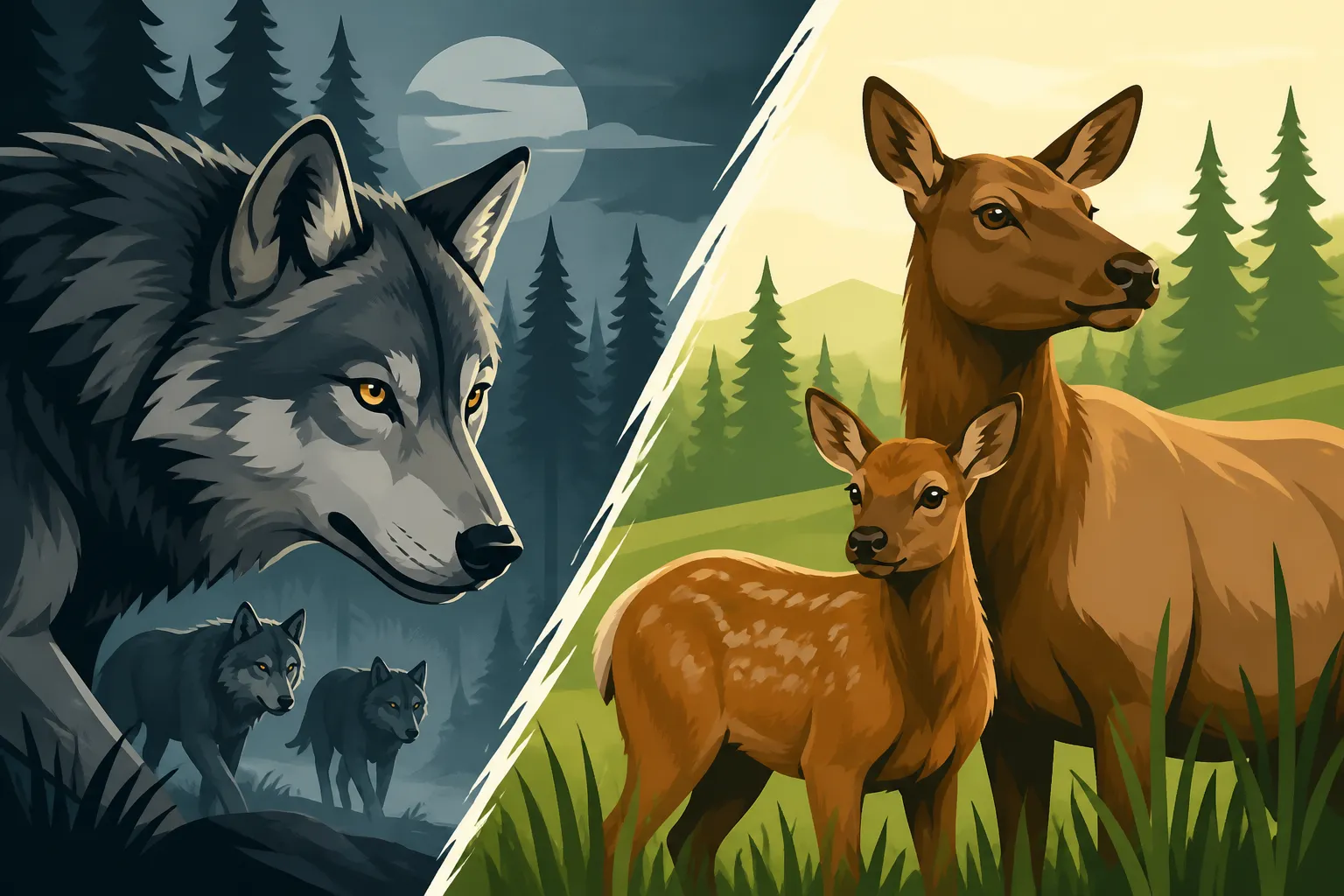
For anyone passionate about Wisconsin's majestic elk, the sight of a new calf is a symbol of hope and a growing herd. But the reality on the ground, especially in areas where both elk and wolves roam, is that these vulnerable youngsters face significant challenges right from birth. This guide dives deep into the complex, often heartbreaking, dynamic between Wisconsin's expanding wolf population and the future of our elk calves, offering insights into predation, survival rates, and what it all means for the herds we cherish.
Understanding the Predator-Prey Dynamic: Wolves and Young Elk
The natural world in Wisconsin is a delicate balance, and nowhere is this more evident than in the interactions between our re-established elk herds and the resident wolf populations. When elk calves are born, typically in late spring or early summer, they enter a world full of both beauty and danger. Their survival is a critical factor in the overall growth and health of the elk population, and wolves play a significant, if often hard to watch, role in this equation.
Right after birth, an elk calf is incredibly vulnerable. It's not yet strong enough to outrun a predator, nor has it developed the keen senses and evasive instincts of an adult. For the first few weeks, they rely heavily on camouflage and their mother's protective instincts. The cow elk will typically hide her calf in dense cover, only approaching to nurse, trying to keep any scent or visual cues to a minimum. This strategy is effective against some predators, but wolves are highly skilled hunters with an uncanny ability to find vulnerable prey.
Wolves are opportunistic predators, meaning they will exploit whatever food source is most readily available and easiest to acquire. During the spring and early summer, when ungulates like deer and elk are giving birth, newborn calves become a prime target. They represent a concentrated, relatively easy meal compared to trying to take down a healthy adult animal. A single wolf or a small pack can quickly locate a hidden calf, and once found, the outcome is often grim for the youngster. This isn't a moral judgment, of course, it's simply the hard truth of nature playing out in our Northwoods. It’s a reality that weighs on wildlife managers and conservationists who are working so hard to help How Elk Returned to Wisconsin flourish.
Impact on Wisconsin's Elk Herd Growth and Survival
The presence of a healthy wolf population undeniably influences the survival rates of elk calves, and consequently, the overall growth trajectory of Wisconsin's elk herds. When you're trying to build up a population, every new life matters, and the loss of multiple calves to predation can feel like a setback. This is a very real concern for many of us who remember when elk were entirely absent from our state's landscape.
Studies and observations in various elk ranges, including those in Wisconsin, have shown that wolf predation can be a significant mortality factor for calves. It's not always the only factor, mind you; things like disease, harsh weather, accidental injuries, and even black bears can also take a toll on the young. However, wolves are consistent and efficient predators. When wolf numbers are high in an area where elk are calving, it’s reasonable to expect a portion of those calves will not make it to their first birthday. This situation is particularly critical for a nascent population like Wisconsin's Northern and Central Elk Herds, where every individual contributes significantly to genetic diversity and herd expansion.
The impact isn't just about the sheer number of calves lost. It can also influence the dispersal and behavior of elk cows. They might choose different calving grounds in subsequent years, moving to areas where they perceive less predation risk, or they might become even more reclusive and protective, which can make them harder for researchers and observers to track. For hunters and wildlife enthusiasts using tools like Scouting With the Wisconsin Hunt Wild App or other mapping resources, understanding the distribution of both elk and wolf populations is key to interpreting what you see in the woods. The constant pressure from predators also forces elk to remain vigilant, which can impact their feeding patterns and overall energy expenditure, especially for nursing mothers.
Management Approaches and the Natural Balance
Wildlife management in Wisconsin, especially when dealing with iconic species like elk and wolves, is a complex balancing act. The goal is often to sustain healthy populations of all native species, which means acknowledging the natural role of predators. However, when a species like elk is being reintroduced or is still in its growth phase, managers sometimes face tough decisions about how much predation is "acceptable." You can't just wish wolves away, nor would most people want to; they're a vital part of the ecosystem. But we also want to see the elk thrive.
One common strategy is to monitor both populations very closely. Biologists track How Many Elk Wisconsin Has and How Many Wolves Wisconsin Has through various survey methods, including aerial counts, telemetry data from collared animals, and public sighting reports. By understanding population trends, managers can identify if calf recruitment – the number of young animals surviving to a certain age – is falling below healthy levels. If the data shows a significant, unsustainable dip in calf survival directly attributable to wolf predation, it can spark discussions about potential interventions, though these are always highly debated and carefully considered.
Another aspect of management involves habitat. Enhancing habitat that provides ample cover for elk calves can give them a better fighting chance against predators. Dense brush, secluded timber patches, and areas with varied topography can offer places for calves to hide. This kind of work benefits many species and is a cornerstone of responsible wildlife conservation. Programs that aim to understand Wisconsin Wildlife Disease Monitoring also play a role, as weakened calves are even more susceptible to predation. Hunters and outdoorspeople can contribute to these monitoring efforts by accurately reporting sightings and understanding the bigger picture of wildlife interactions, perhaps even learning to identify various animal signs using guides you might find on platforms like GoHunt. The aim is to achieve a natural balance where both predator and prey can coexist without one dominating to the detriment of the other's long-term health.
| Factor Affecting Elk Calf Survival | Impact on Survival | Notes for Wisconsin |
|---|---|---|
| Wolf Predation | Significant decrease | Primary predator for newborns. |
| Bear Predation (Black Bears) | Moderate decrease | Opportunistic, especially on very young calves. |
| Disease (e.g., CWD, EHD) | Varies | Weakens calves, making them easier targets. |
| Weather Conditions (Severe Winter/Spring) | Moderate decrease | Extreme cold or prolonged wetness can be lethal. |
| Accidental Injury | Low decrease | Falls, getting lost, getting separated from mother. |
| Mother's Experience | Moderate increase | Experienced cows are often better at hiding/defending calves. |
| Habitat Quality | Moderate increase | Dense cover offers better protection from detection. |
Observing and Coexisting: Insights for Hunters and Enthusiasts
For those of us who spend time in Wisconsin's wilds, particularly in areas where elk and wolves share the landscape, understanding this predator-prey dynamic offers a deeper appreciation for nature's complexities. It’s easy to romanticize both the elk and the wolf, but the reality is a raw, survival-driven interaction that shapes the behavior and numbers of both species.
Hunters, especially those pursuing deer in elk country, might inadvertently observe signs of this struggle. You might come across wolf tracks in an area known for elk calving, or perhaps discover remnants of a calf after a predation event. These observations, while sometimes stark, offer valuable insights into the health of the ecosystem. It's a reminder that every animal you encounter is part of a much larger, intricate web of life. Being aware of these dynamics can also inform your scouting. For example, knowing that elk calves often seek dense cover might help you understand Where Northern Forest Bucks Bed if they share similar habitat preferences for security.
For dedicated elk enthusiasts or hunters hoping to one day draw an elk tag, staying informed about the health of The Clam Lake and Black River Elk Herds is paramount. This means keeping an eye on official reports and staying connected with the DNR's updates. Understanding the challenges these herds face, including wolf predation on calves, helps us advocate for responsible management and support conservation efforts. It's about respecting both predator and prey, recognizing that their lives are intertwined, and accepting that wild success and wild struggle often go hand-in-hand in the magnificent landscapes of Wisconsin. This knowledge enhances our overall connection to the natural world and strengthens our commitment to Wisconsin Hunter Safety and Mentored Hunting, ensuring a future for all our wildlife.
Disclaimer
This article is for general informational purposes only and does not constitute professional advice. Laws, prices and regulations vary by location and change over time. Consult a qualified professional for guidance on your specific situation.