How Elk Returned to Wisconsin
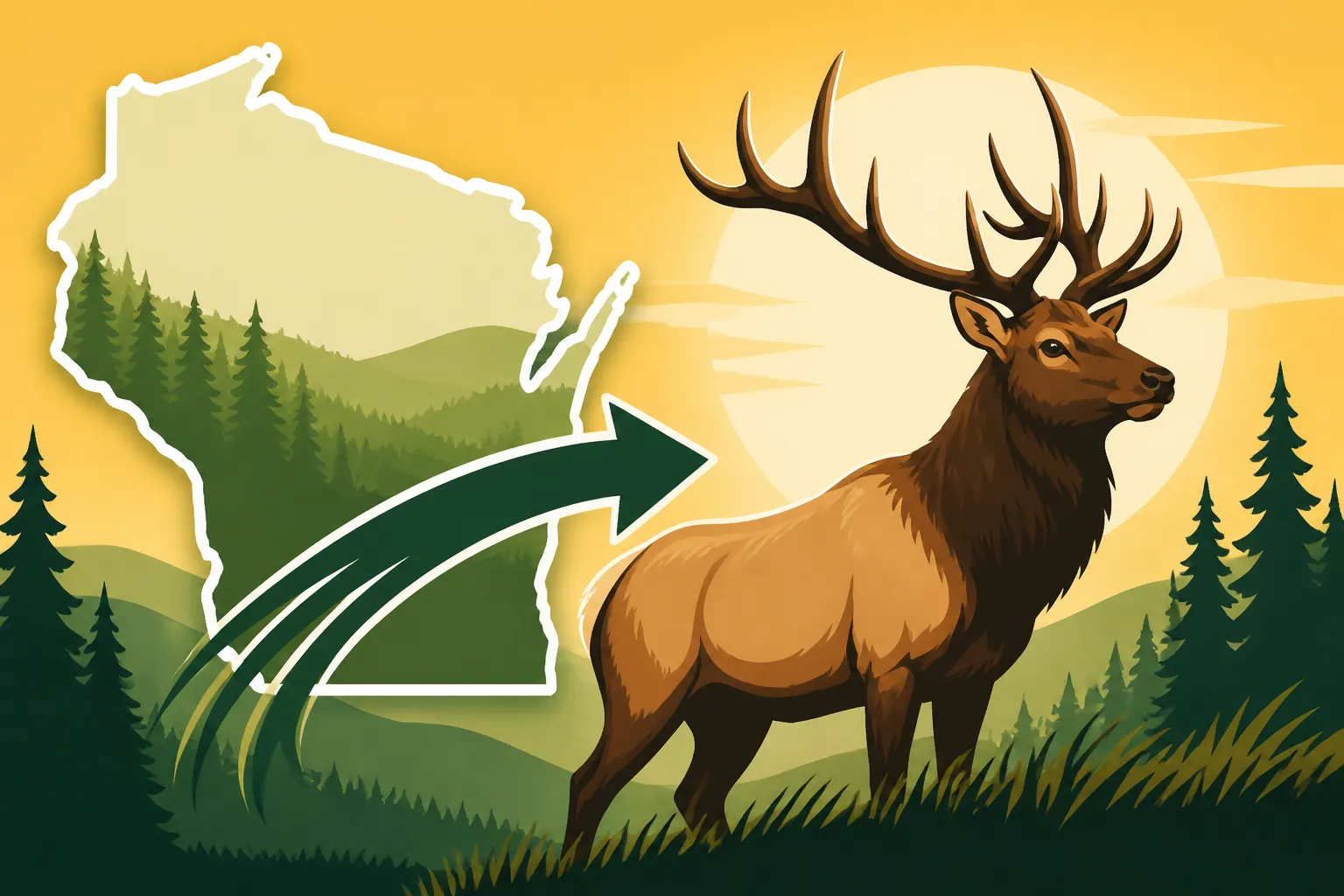
It's easy to forget, isn't it? To imagine a Wisconsin landscape without the majestic presence of elk. For generations, the only elk most folks saw were on calendars or in far-off western states. The absence of these magnificent animals in our forests was a silent testament to a bygone era, a missing piece in our rich wildlife tapestry. But the story of how elk returned to Wisconsin is one of hope, incredible dedication, and a true testament to what dedicated conservation efforts can achieve. This isn't just a tale for hunters; it's a story for anyone who cherishes wild spaces and the creatures that call them home.
The Echoes of the Past: Wisconsin's Lost Elk
Before we dive into the triumphant return, it's crucial to understand what was lost. Wisconsin wasn't always devoid of elk. Our state once boasted a robust population of these grand animals, roaming free across vast swathes of the landscape.
A Forgotten History: Elk Before European Settlement
Imagine Wisconsin centuries ago. Towering pines and sprawling hardwoods covered much of the state, interspersed with vast prairies and wetland complexes. In this diverse ecosystem, elk, specifically the Eastern elk subspecies (which is now extinct), thrived. They were an integral part of the ecological balance, their grazing habits shaping plant communities, and their sheer presence adding to the wild grandeur. Early European settlers and explorers chronicled sightings of these impressive animals, painting a picture of a wilderness teeming with large game. Their bugles echoed through the ancient forests, a sound that would vanish for more than a century.
The Disappearance: What Led to Their Extinction
So, what happened to these magnificent creatures? Unfortunately, it's a familiar tale in American wildlife history. A combination of factors conspired against the Eastern elk. Unregulated hunting, driven by market demand for meat and hides, decimated populations rapidly. There were no seasons, no bag limits, and no concept of sustainable harvest. Simultaneously, the relentless march of settlement brought massive habitat destruction. Forests were cleared for agriculture, logging operations fragmented ancient woodlands, and settlements encroached upon traditional elk ranges. By the late 1800s, the Eastern elk was extirpated from Wisconsin, with the last native elk believed to have been killed around 1866. The silence that followed was profound, a stark reminder of human impact on the natural world.
Rekindling the Dream: Early Efforts and Vision
Even as the last echoes of native elk faded, some far-sighted individuals began to dream of their return. It wasn't a quick fix, nor was it easy. It took decades of vision, planning, and perseverance.
The Seed of an Idea: Why Bring Elk Back?
The motivation to reintroduce elk wasn't simply about nostalgia; it was about ecological restoration and enriching the state's natural heritage. Ecologically, elk are considered a "keystone species" in many habitats, meaning they play a unique and crucial role in maintaining the structure and function of their ecosystem. Their grazing helps manage vegetation, creating varied habitats that benefit other species. Beyond the ecological benefits, there was a strong desire to bring back a piece of Wisconsin's wild soul. The thought of once again hearing an elk bugle or seeing a herd move across a snowy landscape ignited passion among conservationists, wildlife enthusiasts, and even some forward-thinking hunters. It represented a chance to right a historical wrong and restore a truly iconic animal.
The Initial Challenge: Finding Partners and Funding
Bringing back an extirpated species is an incredibly complex undertaking, fraught with biological, logistical, and financial hurdles. The Wisconsin Department of Natural Resources (DNR) couldn't do it alone. It required significant partnerships and substantial funding. Early discussions involved various stakeholders, from land managers and conservation groups to local communities. One of the most critical partners in this journey was the Rocky Mountain Elk Foundation (RMEF). This organization, dedicated to elk conservation across North America, provided invaluable financial support, technical expertise, and a powerful voice for the cause. Raising the necessary funds involved grants, donations, and a lot of passionate advocacy. It was a long game, convincing people that this dream was not only achievable but essential for Wisconsin's future. The process of gathering data, assessing suitable habitat, and addressing potential concerns from landowners and other interest groups laid the meticulous groundwork for what would become one of the state's most ambitious wildlife projects.
The Northwoods Comeback: Establishing the Clam Lake Herd
The dream began to take tangible shape in the northern forests, a region that felt wild enough to welcome these large ungulates back.
Michigan's Gift: The First Translocation
After years of planning, habitat assessments, and public outreach, the moment finally arrived. In 1995, Wisconsin received its first elk from Michigan's Pigeon River Country State Forest. These weren't just any elk; they were animals from a wild, free-ranging herd, providing a strong genetic base for Wisconsin's new population. Forty animals were carefully captured, health-screened, and transported across state lines to a release site near Clam Lake in Sawyer County. The excitement was palpable, mixed with a healthy dose of anxiety. Would they survive? Would they reproduce? These were the questions on everyone's minds as the trailer gates opened and the first elk bounded into the northern Wisconsin woods. It was a historical moment, marking the true beginning of the elk restoration project in the state. For many, it felt like welcoming long-lost relatives home.
Nurturing the Young Herd: Early Management and Growth
The initial years for the Clam Lake herd were critical and required intensive management. DNR biologists, with support from RMEF and local volunteers, meticulously monitored the elk. This included tracking movements, assessing reproduction rates, and keeping a close eye on their health. Supplementary feeding was occasionally used during harsh winters to ensure survival, especially for calves. Habitat improvements, such as timber management and the creation of openings and food sources, were also crucial. As the herd slowly grew, so did the knowledge base about elk behavior and needs in Wisconsin's specific environment. It was a learning process, with every success and setback providing valuable data. For hunters and wildlife enthusiasts, the opportunity to see elk again, even if just a glimpse, was a powerful motivator for continued support. Many would consult resources, much like how many use tools like GoHunt today to better understand game movements and population data for other species, albeit with specialized monitoring for these recovering elk populations.
Overcoming Obstacles: Predation, Poaching, and Public Acceptance
The path to a self-sustaining elk herd was not without its bumps. Predation, primarily from wolves, was a significant factor, especially on calves. While a natural part of the ecosystem, managing predator-prey dynamics required careful study and understanding. Poaching incidents, though rare, were heartbreaking setbacks, underscoring the ongoing need for public education and vigilance. Perhaps the most nuanced challenge was gaining widespread public acceptance. While many celebrated the elk's return, some landowners worried about crop damage or property issues. The DNR and partners worked tirelessly to address these concerns, implementing programs for damage abatement and fostering community involvement. This outreach was vital to ensure the long-term success of the herd, proving that wildlife management is as much about people as it is about animals.
Expanding the Range: The Black River Falls Herd
The success of the Clam Lake herd demonstrated that elk could indeed thrive in Wisconsin again. This triumph paved the way for an even bolder move: establishing a second, geographically distinct herd.
Kentucky's Contribution: A New Source for a New Herd
Following the promising growth of the Clam Lake herd, the DNR set its sights on central Wisconsin. To achieve this, a new source of elk was needed, and Kentucky stepped up to the plate. Kentucky has one of the most robust and well-managed elk herds in the eastern United States, thanks to its own successful reintroduction efforts. Between 2015 and 2019, hundreds of additional elk were translocated from Kentucky to the Black River State Forest area in Jackson County. These translocations were larger in scale than the initial Clam Lake effort, reflecting increased confidence and expertise. Each animal underwent stringent health checks, including screening for diseases like Chronic Wasting Disease (CWD), a critical step to protect Wisconsin's existing wildlife populations. This commitment to animal health and rigorous screening processes is paramount for any reintroduction program, a concern that hunters are well aware of in their daily pursuits, particularly when considering issues like Wisconsin CWD Sampling and Test Sites.
The Central Wisconsin Landscape: Why Here?
The choice of the Black River Falls area for the second herd was not arbitrary. This region offers a unique blend of suitable habitat, including extensive public lands like the Black River State Forest and surrounding county forests. These areas provide vast expanses of mixed forest, open grasslands, and wetlands, ideal for elk foraging and bedding. Furthermore, the topography and vegetation in central Wisconsin offered a different, yet equally viable, ecological niche compared to the northern forest. It also strategically placed a herd further south, increasing the overall range and resilience of elk within the state. The significant amount of public land in this area also meant more accessible viewing and, eventually, hunting opportunities for the public, which was a key consideration in the long-term vision for the program.
The Modern Challenges: Disease and Dispersion
While the Black River Falls herd benefited from lessons learned at Clam Lake, it faced its own set of modern challenges. Disease monitoring remains a constant priority, especially given the ongoing concerns about CWD in deer populations across the state. Ensuring the health of the elk herd is crucial for its survival and for preventing potential transmission to other cervids. Another significant challenge has been managing dispersion. Elk, by nature, are wanderers, and while establishing core areas, some individuals or smaller groups inevitably explore new territories. This can lead to conflicts with private landowners, particularly regarding agricultural damage. The DNR continues to work on strategies to minimize these conflicts, fostering coexistence between elk and human communities. The efforts to monitor and manage these herds are truly inspiring, ensuring these magnificent animals have a place in Wisconsin for generations to come.
The Return to the Harvest: Wisconsin's Elk Hunt
For many, the ultimate sign of a successful wildlife restoration program is when the population is robust enough to support a carefully managed hunting season.
A Landmark Decision: The First Elk Season
The decision to hold Wisconsin's first elk hunt since the 1800s was a monumental step, marking the culmination of decades of conservation work. In 2018, after extensive population growth and scientific assessment, the DNR announced a limited elk hunt for the Clam Lake herd. It was a carefully controlled season, designed to provide unique recreational opportunities while contributing to the herd's long-term health and management goals. The significance of this moment wasn't lost on hunters; it was a testament to the power of dedicated conservation efforts and the willingness of many to contribute to restoring our wild heritage. For those who had dreamt of this day, it was a deeply emotional and proud moment.
The Dream Tag: Understanding the Lottery System
With such a limited number of tags available (initially just a handful), the demand was astronomical. A lottery system was implemented to ensure fairness in allocating these highly coveted tags. Thousands of hunters apply each year, knowing the odds are incredibly slim. The excitement around the elk draw is immense, akin to the anticipation felt when applying for other limited opportunities like those outlined for Wisconsin Bear Preference Points and Zones. Hunters pour over statistics, hoping to be one of the fortunate few to draw an elk tag. This system not only provides an equitable chance but also reinforces the value and rarity of the hunt. Many hunters, even those who don't apply, eagerly follow the hunt, celebrating the success of those who draw and helping to recover animals. While specialized tools like GoHunt are fantastic for analyzing detailed draw odds and unit breakdowns for various species in other states, the Wisconsin elk draw, being so unique and limited, often stands alone in its data presentation, though the spirit of research and application is the same. Information on how to apply for these unique opportunities can be found through resources like Wisconsin Elk Application Rules.
The Hunt's Impact: Funding Conservation and Managing Herds
The elk hunt isn't just about the experience of a lifetime for a few lucky hunters; it plays a vital role in ongoing conservation. Revenue generated from license sales and application fees directly contributes to elk management and habitat projects, ensuring the future of these herds. Furthermore, carefully managed hunts can be an effective tool for population control, preventing overgrazing in certain areas and reducing potential conflicts with agricultural interests. Hunters also provide valuable data, assisting biologists with monitoring herd health, age structures, and overall population dynamics. It's a prime example of how hunting, when managed responsibly, is an essential component of modern wildlife conservation. This reciprocal relationship between hunters and wildlife is a cornerstone of the North American Model of Wildlife Conservation, demonstrating that sustainable use leads to thriving populations.
Wisconsin Elk Herds at a Glance
| Herd Name | Location (Primary) | Established Year | Original Source | Estimated Size (2023) | Key Public Land | Primary Viewing Area |
|---|---|---|---|---|---|---|
| Clam Lake Herd | Sawyer County | 1995 | Michigan | ~400-500 | Chequamegon-Nicolet NF | Clam Lake Elk Viewing Area |
| Black River Herd | Jackson County | 2015-2019 | Kentucky | ~150-200 | Black River State Forest | Black River Falls area |
(Note: Herd sizes are estimates and fluctuate annually based on reproduction, mortality, and dispersal. Viewing success is never guaranteed.)
Looking Ahead: The Future of Elk in Wisconsin
The return of elk to Wisconsin is undoubtedly a conservation success story, but the journey isn't over. Sustaining these herds for future generations requires ongoing commitment and adaptive management strategies.
Beyond Hunting: Elk Viewing and Ecotourism
For most Wisconsinites, encountering an elk won't be with a tag in hand. Instead, it will be through the awe-inspiring experience of viewing them in their natural habitat. The presence of elk has spurred a growing ecotourism industry in regions like Clam Lake and Black River Falls. Visitors flock to these areas, hoping to catch a glimpse of these majestic animals, especially during the fall rut when the bugling of bulls fills the air. Dedicated viewing areas, like the one near Clam Lake, provide excellent opportunities for observation. This economic benefit, alongside the inherent value of having elk back in the wild, further solidifies public support for their continued presence. The growth of interest in wildlife viewing goes hand-in-hand with hunting, both contributing to the appreciation and preservation of species like elk. Detailed information for planning such a trip can be found through resources like Elk Viewing in Wisconsin.
Long-Term Stewardship: Continuing the Conservation Journey
The future of Wisconsin's elk herds hinges on continued adaptive management, informed by scientific research and public input. This includes ongoing population monitoring, habitat enhancement projects, and strategic approaches to mitigate conflicts with human activities. Protecting the herds from diseases, particularly CWD, remains a top priority, requiring vigilant surveillance and management practices. Organizations like the RMEF continue to play a crucial role, alongside the DNR, tribal nations, and local communities, in securing vital habitat and advocating for the elk's well-being. The story of Wisconsin's elk is a powerful reminder that conservation is not a destination but an ongoing journey. It requires sustained effort, collaboration, and a deep appreciation for our wild places, much like all the intricate work that goes into managing Wisconsin's Black Bear Population or other game species. It's about ensuring that the bugle of the elk will echo through our forests for centuries to come.
Disclaimer
Please note that hunting regulations, season dates, and specific rules for elk management in Wisconsin are subject to change by the Wisconsin Department of Natural Resources (DNR). Always consult the most current official DNR regulations and guides before planning any hunting activities. This article is for informational purposes only and should not be considered a substitute for official legal guidance or professional wildlife advice.