When Wisconsin Elk Bugle
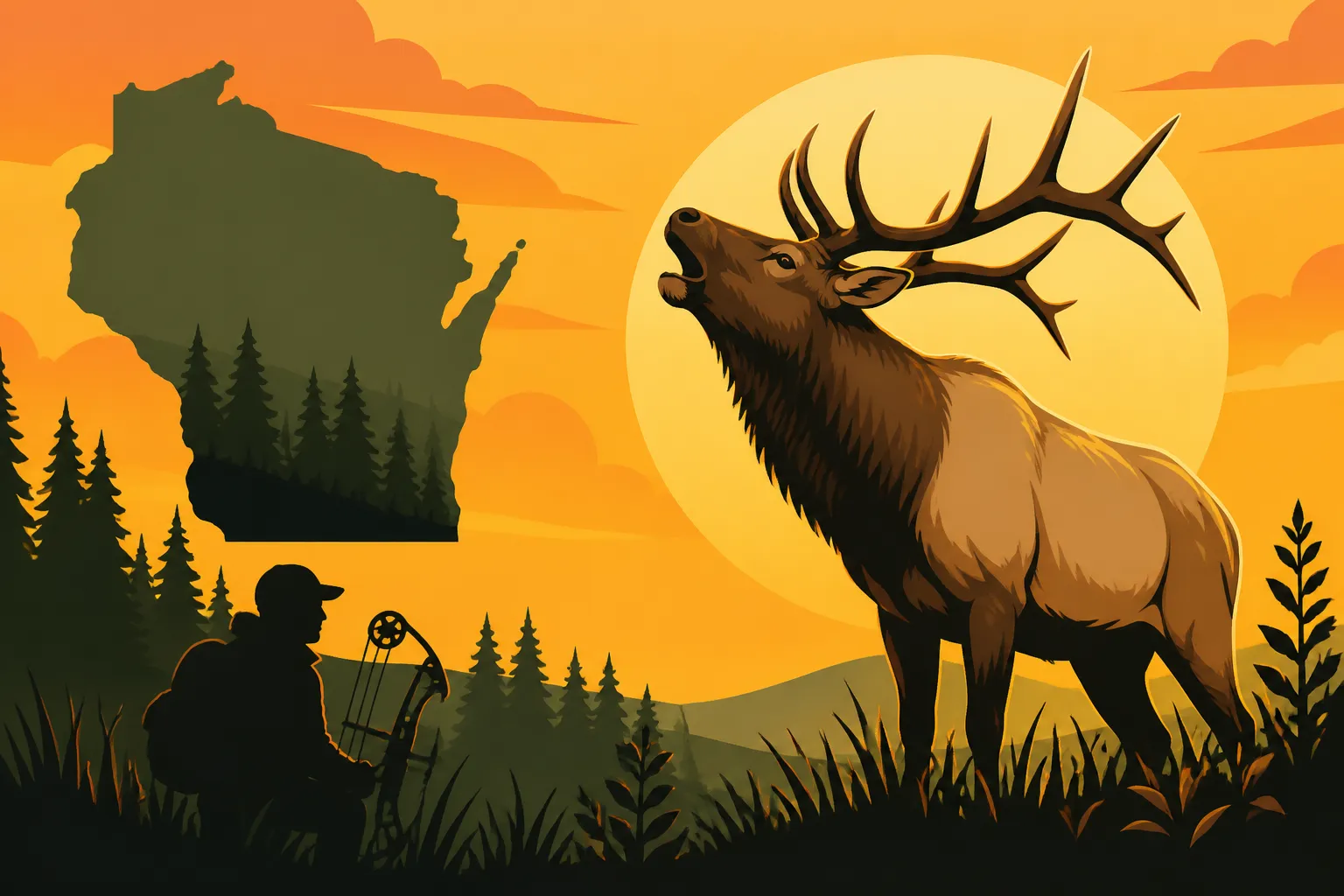
There’s arguably no more thrilling sound in the deer woods than a bugling bull elk. It’s primal, it’s loud, and it absolutely gets the heart pounding. For those of us in Wisconsin, getting a chance to hear or even hunt our growing elk herds is a dream come true, but knowing when those majestic calls truly get going can feel like trying to hit a moving target. This guide is all about helping you understand the rhythms of the Wisconsin elk rut, so you can better time your scouting trips or simply plan your fall adventures to potentially witness this incredible natural spectacle.
Understanding the Elk Rut in Wisconsin
Elk are creatures of habit and biology, and their rut – the annual breeding season – is a spectacular display driven by ancient instincts. Unlike deer, whose grunts and scrapes are often subtle, elk announce their intentions with a full-throated roar, a bugle that carries for miles through the timber.
The Biological Imperative of the Bugle
At its core, the elk bugle is a declaration. It’s a bull stating his dominance, challenging rivals, and attracting cows. As the days shorten in late summer and early fall, a bull's testosterone levels surge, triggering profound behavioral changes. They become more aggressive, more territorial, and incredibly vocal. That unmistakable bugle isn't just one sound; it's often a complex series of whistles, grunts, and chuckles that convey a surprising amount of information to other elk in the herd. It tells other bulls, "I'm here, I'm big, and these are my cows!" and signals to receptive cows that a strong, virile bull is ready to breed.
These hormonal shifts are powerful. Bulls will stop eating as much, focusing solely on guarding their harem of cows and fighting off challengers. This is an exhausting time for them, burning through their fat reserves and leaving them vulnerable if they don't enter the rut in good condition. You might think, given the sheer energy expenditure, why bother with such an elaborate display? But it's all part of the evolutionary game, ensuring the strongest genes are passed on.
Factors Influencing the Rut's Timing
While the exact start and peak of bugling can vary slightly year to year, the primary trigger for the elk rut is the shortening of daylight hours, known as photoperiod. This biological clock is incredibly reliable, meaning elk aren't going to start serious rutting behavior in July or wait until November. It's a precise window dictated by nature.
However, other factors can influence the intensity and visibility of the rut. Temperature plays a significant role; unseasonably warm weather can suppress daylight bugling activity, pushing it more into the cooler hours of the night or very early morning. Conversely, a crisp cold front can really get the bulls fired up and moving, making them more vocal throughout the day. Some hunters also swear by the moon phase, believing that a full moon can make elk more active at night, leading to quieter days. While scientific consensus on lunar influence is mixed, it's a popular theory among many seasoned elk hunters, and it certainly adds another layer to the planning. Herd dynamics, such as the number of mature bulls relative to cows, can also impact how fiercely and frequently bulls bugle. A herd with fewer dominant bulls might see less intense vocal challenges, for example.
Peak Bugling Activity in Wisconsin's Elk Country
So, when can you actually expect to hear those amazing calls echoing through Wisconsin's elk ranges? While there's always a bit of fluctuation, a general window exists for optimal listening.
The General Window for Bugles
In Wisconsin, you can typically expect the main bugling activity to kick off in late September and continue strong into the first week or two of October. This is when the majority of cows are coming into estrus, and the bulls are working tirelessly to gather and defend their harems. Before this peak, usually in early to mid-September, you might start hearing sporadic "testing" bugles – bulls checking things out, maybe a younger bull trying to establish some dominance. These early bugles often lack the full-throated intensity of the peak rut.
Our state is incredibly fortunate to have growing elk populations, particularly The Clam Lake and Black River Elk Herds. These distinct herds, while managed similarly, can have slight variations in their rut timing due to local conditions or herd maturity. The best advice is to aim for that late September to early October timeframe for your best chances of hearing significant bugling. This aligns perfectly with the golden hues of autumn in the Northwoods, making any trip into elk country a memorable one.
Daily Bugling Patterns and Best Times
Elk, much like deer, have peak activity periods during the day. The most intense bugling generally occurs during the first few hours of daylight and the last few hours before dark. This is when the air is cool, the world is waking up or settling down, and elk feel most comfortable moving and vocalizing. Imagine standing on a ridge overlooking a valley just as the sun begins to paint the sky, and then that first, spine-tingling bugle rolls across the timber – it's an experience you won't soon forget.
During the mid-day hours, bugling activity often tapers off. Bulls might be resting, herding cows into thicker cover, or simply conserving energy. However, don't rule out a mid-day bugle entirely, especially on cooler, overcast days or if a cow comes into heat unexpectedly. It’s also worth remembering that the more pressure elk feel, the more they might restrict their vocalizations to low-light periods. For those who are lucky enough to be drawn for an Wisconsin Elk Application Rules permit, understanding these daily patterns is crucial for maximizing your time in the field. Even if you're not hunting, just observing these majestic animals requires patience and knowledge of their routines.
Beyond the Peak: Post-Rut Bugles and Other Vocalizations
Just because the peak rut has passed doesn't mean the woods go completely silent. Elk continue to make various sounds that can tell you a lot about what's happening in their world.
The Waning Days of the Rut
As October progresses, the primary breeding period begins to wind down. Most cows will have been bred, and the dominant bulls, exhausted from weeks of fighting and herding, will start to recover. You'll notice a decrease in the loud, challenging bugles. However, you might still hear sporadic bugles from satellite bulls – younger or less dominant males who are still trying their luck with any late-cycling cows. These post-peak bugles are often less intense, more singular, and lack the same aggressive "I own this place" quality of the prime rut.
It's also not uncommon for a "secondary rut" to occur later in the season. While not as widespread or intense as the main rut, some cows might come into estrus again if they weren't bred during the initial window. This can trigger another small burst of bugling activity, though usually localized and less predictable. Keep an ear out, especially if you're out chasing deer in late October or early November in elk country, as you might be surprised by a late-season bellow.
Other Elk Sounds to Listen For
Elk communicate in a rich symphony of sounds beyond just the bugle. Listening for these other vocalizations can give you valuable clues about their presence and mood. Cows and calves make a variety of "mewing" or "chirping" sounds, which are generally used for herd cohesion, communicating with their young, or indicating their location to other elk. Hearing these softer calls can tell you a cow-calf group is nearby, often a precursor to a bull being in the vicinity during the rut.
Bulls also have a range of close-range vocalizations. You might hear a deep "chuckle" or "grind" sound, often made by a dominant bull after a bugle, almost like a guttural confirmation of his challenge. Sometimes, bulls will also make a "lip-curling" sound, a sort of snort that accompanies the Flehmen response, where they curl their upper lip to better process pheromones from a cow's urine. And, of course, while not a vocalization, listening for the crash of antlers during a sparring match can be just as exciting as a bugle. For anyone interested in Elk Viewing in Wisconsin, tuning into this full spectrum of sounds can greatly enhance your experience and understanding of these magnificent creatures.
Scouting and Planning Your Wisconsin Elk Encounter
Understanding when elk bugle is one thing, but actually putting yourself in a position to hear or see it requires some thoughtful planning and smart scouting.
Using Technology and Resources to Pinpoint Activity
In this modern age, we have an incredible array of tools at our disposal. While specific real-time data on Wisconsin elk bugling might be localized, the principles of using advanced hunting tools can still apply. For example, platforms like GoHunt are renowned for their mapping capabilities and data analytics, often used by hunters out west. While their core data might not focus on Wisconsin, the methodology of using detailed aerial imagery to identify prime habitat, pinch points, and water sources is universally valuable. You can use similar mapping tools to pinpoint potential elk hangouts in Wisconsin's known elk zones, such as areas around Wisconsin Elk Range Public Land or the specific zones where How Elk Returned to Wisconsin and When Elk Were Reintroduced at Clam Lake.
The Wisconsin DNR is also a fantastic resource. While they won't give you daily bugling reports, their website often provides updates on herd health, population estimates – like How Many Elk Wisconsin Has or The Northern Wisconsin Elk Herd Size – and general information that can guide your scouting efforts. Checking local forums or social media groups dedicated to Wisconsin hunting can also sometimes yield anecdotal reports from other enthusiasts who have been in the woods. These resources can help you narrow down your search area, especially when targeting The Central Wisconsin Elk Herd Size.
On-the-Ground Scouting and Adaptability
Nothing replaces boots on the ground, or at least eyes on the landscape. Before the rut, or even during the bugling window, look for fresh elk sign. This includes rubs on trees (often much larger than deer rubs), wallows (muddy depressions where bulls roll to cool off and spread their scent), and large tracks. These tell-tale signs confirm elk presence and can help you predict their travel corridors. Learning Scouting Wisconsin Public Land Before Season will pay dividends.
When you're actually in elk country during the rut, be patient and listen. Don't just blast out a bugle call hoping for a response; sometimes the best strategy is to sit, listen, and let the elk tell you where they are. Pay attention to wind direction, thermals (especially in hilly areas like some parts of the Black River range), and ambient noise. If you hear a distant bugle, try to triangulate its location and slowly, quietly, make your way in that direction. Elk behavior can change quickly due to weather, hunting pressure, or even wolf activity (something to consider with Wolves and Wisconsin Elk Calves). Being adaptable, willing to change your approach, and staying persistent are key to experiencing the magic of a bugling Wisconsin bull.
| Elk Rut Phase | Typical Timing in Wisconsin | Expected Bugling Activity | What to Listen For |
|---|---|---|---|
| Pre-Rut | Early to Mid-September | Sporadic, testing bugles, less intense. | Isolated bugles, occasional chuckles. |
| Peak Rut | Late September – Early October | Intense, frequent, challenging bugles, strong responses. | Full-throated bugles, grunts, chuckles, sounds of sparring. |
| Post-Rut (Waning) | Mid-October | Decreasing activity, less aggressive bugles. | Softer, less frequent bugles, cow/calf mews, few challenges. |
| Secondary Rut (Late) | Late October – Early November | Very sporadic, localized bugles from late-cycling cows. | Infrequent bugles, mostly from satellite bulls. |
Disclaimer
This article is for general informational purposes only and does not constitute professional advice. Laws, prices and regulations vary by location and change over time. Consult a qualified professional for guidance on your specific situation.