How Many Wisconsin Black Bears There Are
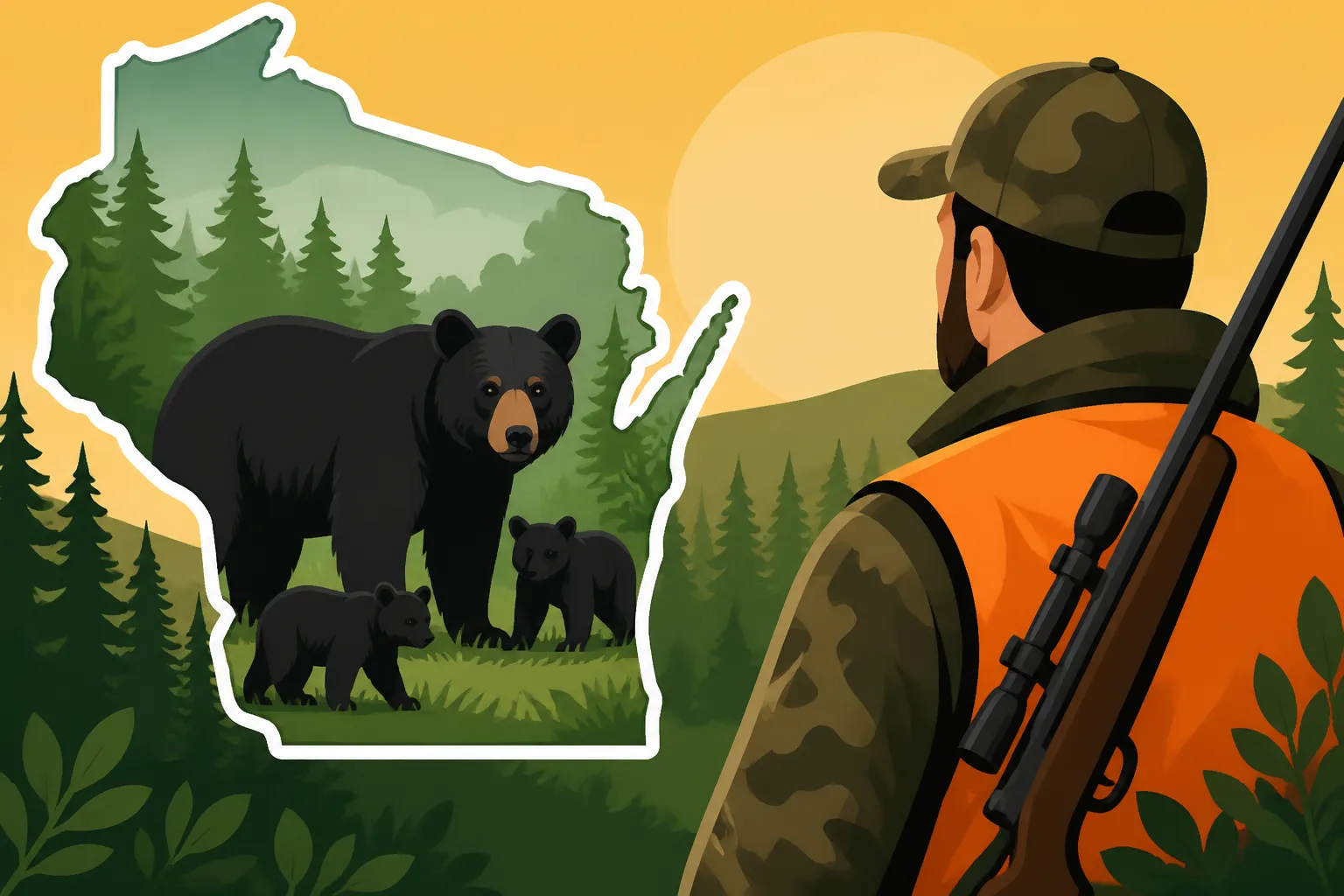
It can feel like black bears in Wisconsin are everywhere one year and then like ghosts the next. Hunters often wonder if the population is truly stable, growing, or shrinking, especially when a coveted bear tag is so hard to come by. This guide is here to shed some light on the current black bear population estimates in Wisconsin, delving into how these numbers are determined, where bears are most common, and what factors influence their presence across the state.
Understanding Wisconsin's Black Bear Population Estimates
Figuring out exactly "how many" of any wild animal there are in a large, diverse state like Wisconsin is never as simple as a head count. When it comes to black bears, the task becomes even more complex due to their elusive nature, vast ranges, and preference for dense cover. Yet, understanding these numbers is absolutely critical for responsible wildlife management, ensuring healthy bear populations for generations to come while also addressing human-bear conflicts.
The Science Behind the Numbers
The Wisconsin Department of Natural Resources (DNR) doesn't just guess at bear numbers; they employ a range of sophisticated scientific methods to arrive at their estimates. One of the primary tools involves a combination of capture-recapture studies and population modeling. This often starts with trapping efforts where bears are safely sedated, measured, and fitted with ear tags or even GPS collars before being released. Researchers might also collect hair samples for DNA analysis. By knowing how many bears are marked and then observing the ratio of marked to unmarked bears in subsequent samples (like hair snares or hunter-harvested bears), biologists can mathematically estimate the total population. These raw data points are then fed into complex computer models that account for birth rates, survival rates, and harvest data to generate a comprehensive population estimate. It's a meticulous, long-term process that requires immense dedication and careful analysis, not just a quick count from a helicopter.
Current Population Status and Historical Growth
Wisconsin's black bear population has shown remarkable growth over the past several decades. Back in the 1980s, estimates hovered around 4,000-5,000 bears, primarily confined to the northern forests. Today, the population is significantly larger, with current estimates often placing the statewide population in the range of 25,000 to 30,000 animals, and sometimes even higher. This robust recovery is a testament to effective management practices, abundant habitat, and a general public that largely values their presence. This steady increase has allowed for more hunting opportunities while still maintaining a healthy, growing population, though securing a tag still often requires a good number of Wisconsin Bear Preference Points and Zones. The growth hasn't been without its challenges, however, as bears expand into areas where they haven't been seen in generations, leading to new interactions with humans.
Why Estimating Bear Numbers is a Complex Task
As mentioned, bears are shy, mostly nocturnal, and cover a lot of ground, making direct observation difficult. Beyond that, factors like annual cub production, which can fluctuate with food availability, and dispersal patterns of young bears make it a moving target. The models also need to account for mortality from various sources beyond hunting, such as vehicle collisions, natural causes, and occasionally illegal take. Furthermore, the habitat itself is a dynamic landscape. Forest growth, timber harvests, and even climate patterns can influence how many bears an area can support and how easily they can be detected. It’s a constant dance between biological realities and statistical inference, and the DNR is always refining its methods to get the most accurate picture possible, leveraging new technologies like remote cameras and advanced genetic sampling whenever feasible.
Mapping the Badger State's Bear Country
When you think of black bears in Wisconsin, your mind probably jumps straight to the vast, wild forests of the Northwoods. And for good reason! That's been their traditional stronghold for a very long time. However, the bear population isn't static, and their range is definitely expanding, bringing these fascinating animals into new parts of the state.
Traditional Strongholds: Northern Wisconsin
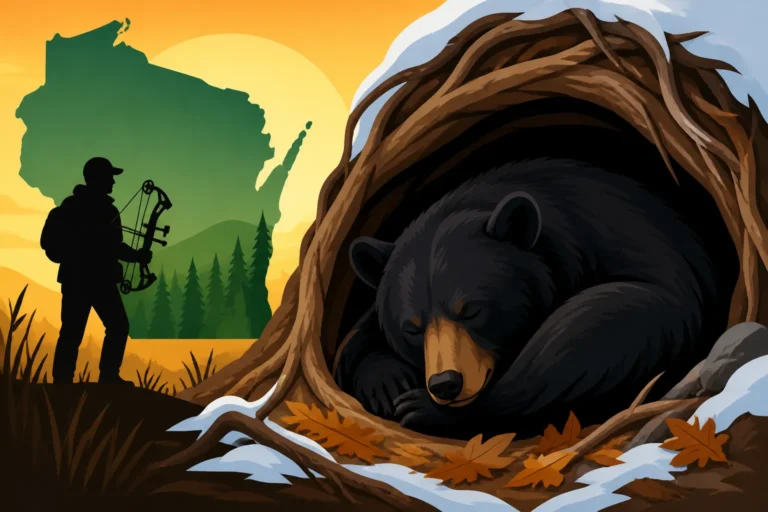
The bulk of Wisconsin's black bear population historically and currently resides in the extensive forested regions of Northern Wisconsin. Counties like Bayfield, Douglas, Ashland, Price, Oneida, and Vilas are often at the top of the list for bear density. This area offers everything a bear could want: vast tracts of contiguous forest cover, a mix of hardwood and conifer stands, abundant berry crops, and a relatively low human population density compared to other parts of the state. These regions provide ideal denning sites, foraging grounds, and plenty of space for sows to raise their cubs without undue disturbance. The traditional image of a large black bear roaming through a thick cedar swamp or an aspen stand during Bear Hunting With Bait and Dogs in Wisconsin is absolutely rooted in the reality of these northern landscapes.
Southern Expansion: Bears Moving Beyond Their Comfort Zone
In recent decades, a significant trend has been the gradual but consistent expansion of black bears into Central and even some parts of Southern Wisconsin. Counties that once saw only sporadic sightings now report regular bear activity. This expansion is largely attributed to the robust and growing northern population, which naturally pushes younger bears to disperse in search of new territories. As these bears move south, they discover new habitats, often a mosaic of smaller woodlots, agricultural fields, and river bottoms that still provide adequate food and cover. While densities aren't as high as in the north, these pioneering bears are establishing new ranges, leading to increased sightings in areas around the Central Sands, and even occasionally making headlines with appearances near populated areas further south. This movement is a clear indicator of a healthy, thriving population that is literally stretching its boundaries.
Identifying Bear Hotspots by Zone
To manage the bear population effectively, the Wisconsin DNR divides the state into six bear management zones, labeled A, B, C, D, E, and F. Each zone has specific characteristics and management goals.
| Bear Management Zone | Primary Characteristics | Bear Density | Hunting Method Notes |
|---|---|---|---|
| Zone A | Vast northern forest, lower human population, abundant natural foods. | High | Baiting and hounds allowed. |
| Zone B | Northeastern forests, similar to A but with slightly more fragmented habitat. | High | Baiting and hounds allowed. |
| Zone C | Northwestern forests, includes parts of the Chequamegon-Nicolet National Forest. | High | Baiting and hounds allowed. |
| Zone D | Central Forest region, expanding population, mixed forest and agriculture. | Medium | Baiting and hounds allowed. |
| Zone E | Eastern Central and some southern counties, primarily agricultural with scattered woodlots. | Low | Baiting and hounds allowed. |
| Zone F | South Central and Southwestern, mostly agricultural, very low bear density, often transient bears. | Very Low | No baiting, no hounds. Rifle hunting. |
Zones A, B, and C represent the traditional "Northwoods" where bear densities are highest, and hunters have the best opportunities. Zone D, the Central Forest Zone, has seen significant population growth and offers excellent opportunities, often with a mix of forest and agricultural settings. Zones E and F have much lower bear densities and are more likely to see transient bears, though resident populations are slowly becoming established in suitable pockets. Hunters applying for a tag need to understand these zones, as draw odds and hunting opportunities vary considerably. Tools like the public land layers on GoHunt can really help identify promising habitat within these zones, especially when planning a Scouting Wisconsin Public Land Before Season trip.
Key Factors Driving Wisconsin's Bear Population Trends
The health and trajectory of Wisconsin's black bear population aren't just random occurrences; they're the result of a delicate balance of ecological forces, management strategies, and environmental conditions. Understanding these factors helps us appreciate the resilience of these animals and the challenges involved in their stewardship.
Habitat and Food Availability
At the heart of any wildlife population lies its habitat. For black bears, this means vast forests with a diverse understory providing seasonal food sources. Northern Wisconsin's expansive forests, filled with oak, cherry, aspen, and various berry-producing shrubs like blueberries and raspberries, are ideal. A good mast crop year – think abundant acorns and beechnuts – can lead to higher cub survival rates and bears going into winter dens in better condition, which is crucial for successful reproduction. Conversely, a poor mast crop can lead to bears ranging wider in search of food, potentially increasing human-bear conflicts, and may affect cub survival. Forest management practices, such as selective logging that creates new clearings for berry production or maintains mast-producing trees, directly influence the availability of food and cover. If you're Hunting After an Acorn Failure, you'll notice how much more bears, and deer, are on the move.
The Impact of Hunting and Harvest Quotas
Regulated hunting plays a significant role in managing Wisconsin's black bear population. The DNR sets annual harvest quotas for each management zone, aiming to stabilize or slightly grow the population in some areas while controlling growth or reducing numbers in others where conflicts are higher. This ensures that the population remains healthy and sustainable, preventing overpopulation which could lead to increased disease, starvation, and conflicts with people. The Wisconsin Bear Harvest Quota is determined after extensive population modeling and public input. Hunters pursuing bears often use various methods, including Baiting Bears in Wisconsin or Running Bear Hounds in Northern Wisconsin, both of which are carefully regulated. The number of bear tags issued is strictly controlled through a preference point system, making it one of the state's most coveted draws. The harvest data collected from hunters is vital for refining future population estimates and quotas.
Other Natural Influences: Disease and Winter Severity
While less impactful than habitat and harvest, natural factors can also influence bear numbers. Diseases, though not typically widespread or catastrophic for black bears, can occasionally cause localized mortality. For example, mange can sometimes affect individual bears. Winter severity is another critical factor. A long, harsh winter can delay spring green-up, reducing early food sources, and can also impact bears going into and coming out of their dens. Bears that enter their dens with insufficient fat reserves, especially sows, might have lower cub survival rates or even fail to reproduce in a given year. However, black bears are incredibly resilient animals, and their ability to store fat and hibernate effectively helps them weather most of Wisconsin's winters without significant population-wide impacts.
The Wisconsin DNR's Management Strategy
Effective wildlife management isn't a static concept; it's a dynamic, ongoing process that adapts to changing ecological conditions, public input, and scientific understanding. The Wisconsin DNR's approach to black bear management is a prime example of this, balancing conservation with public safety and recreational opportunities.
Setting Harvest Quotas and Zone Management
One of the most visible aspects of bear management is the establishment of annual harvest quotas for each of the six bear management zones. These quotas aren't arbitrary; they are the result of rigorous population modeling, taking into account the most recent bear population estimates, historical harvest data, reproductive rates, and overall bear health. The goal is to achieve specific population objectives within each zone – whether that's to stabilize the population, allow for slight growth, or reduce numbers in areas experiencing higher human-bear conflicts. For example, a zone with a rapidly expanding population might have a higher quota to moderate growth, while a zone with stable numbers might have a quota designed to maintain that stability. This localized approach allows for fine-tuning management efforts to the unique characteristics of each region, recognizing that a bear in Zone A might face different pressures than a bear in Zone F. Understanding The Six Wisconsin Bear Zones is essential for any aspiring bear hunter.
Role of Public Input and Scientific Research
The DNR doesn't operate in a vacuum. Public input plays a crucial role in shaping bear management strategies. County Deer Advisory Councils (CDACs), for instance, often discuss bear-related issues, as bears often share habitat with deer. Hunters, landowners, and concerned citizens have opportunities to provide feedback on proposed quotas and regulations. This collaborative approach ensures that management plans consider a wide range of perspectives and values. Simultaneously, ongoing scientific research is the backbone of informed decision-making. Biologists continue to study bear movements, denning habits, reproductive success, and diet to gather the most up-to-date ecological data. New technologies, like advanced GPS tracking and genetic analysis, continually refine our understanding of bear behavior and population dynamics, allowing the DNR to adapt its strategies as new information emerges.
Educational Initiatives and Coexistence Programs
As bears expand their range into more populated areas, reducing human-bear conflicts becomes paramount. The DNR actively engages in educational initiatives to inform the public about living safely with bears. This includes advising homeowners on how to secure attractants like garbage, bird feeders, and pet food, which can inadvertently draw bears into residential areas. Emphasizing the message "A fed bear is a dead bear" is key, as habituated bears often become nuisance bears. They also provide guidance on what to do if you encounter a bear while hiking or camping. These coexistence programs aim to prevent negative interactions before they occur, protecting both bears and people. Resources from the DNR, combined with detailed mapping and habitat information found on platforms like GoHunt, empower citizens and hunters to be more aware and responsible in bear country.
Living and Hunting Alongside Wisconsin's Black Bears
For many, the opportunity to encounter a black bear in the wild is a thrilling experience, a symbol of Wisconsin's wild heart. For hunters, it represents the pinnacle of a challenging pursuit. Coexisting with these magnificent animals, whether as an observer or a participant in their management, comes with its own unique set of responsibilities and rewards.
Hunter Success and Opportunities
Drawing a Wisconsin bear tag is often a years-long endeavor, a testament to the high demand and limited supply. Yet, for those lucky enough to get a tag, the opportunities for a successful hunt are quite good, especially in the northern and central zones. Wisconsin's bear population is healthy, and the harvest numbers reflect this, with several thousand bears typically taken each season. Hunters often spend countless hours preparing bait sites, researching bear movements, and perfecting their calling techniques. The experience of Hunting Bear Without Bait or Dogs, relying purely on still-hunting or stalking, offers a different kind of challenge and reward. Each successful hunt contributes valuable data to the DNR's management efforts, providing crucial information about bear health, size, and distribution. The memories forged during a Wisconsin bear hunt, whether successful or not, often last a lifetime, connecting hunters deeply with the state's wild landscapes.
Safe Encounters in the Outdoors
As bears expand their range, the likelihood of encountering one increases for everyone who enjoys Wisconsin's outdoors – hikers, campers, anglers, and even those just enjoying their backyards. Most bears are shy and will avoid human contact, but it's essential to know how to react in a rare close encounter. The general advice is to make your presence known by making noise while hiking, never approach a bear, especially a sow with cubs, and secure all food and garbage in bear-resistant containers when camping. If a bear does approach, stand your ground, make yourself look as large as possible, shout, and slowly back away. Never run, as this might trigger a chase instinct. Learning these simple safety tips helps foster a respectful coexistence and minimizes the chance of a negative interaction. Detailed information about Bear Encounters Around Wisconsin Cabins can be incredibly helpful for property owners.
Contributing to Bear Management
Every hunter and outdoor enthusiast plays a role in black bear management. For hunters, this starts with ethical hunting practices, adhering to all regulations, and promptly registering their harvest. This harvest data is critical for the DNR to track population trends and set future quotas. Beyond hunting, reporting bear sightings to the DNR, especially in new areas or if a bear is causing a nuisance, can provide valuable information about range expansion and potential conflict zones. Even participating in public comment periods for management plans contributes to a well-rounded and publicly supported strategy. By being informed and responsible, we all ensure that Wisconsin's black bear population continues to thrive and remains a vital part of the state's natural heritage. And for those successful hunters, knowing how to properly field dress and handle the meat, including Handling Bear Meat Safely, is another crucial step in responsible management. The GoHunt app and other resources can help hunters navigate regulations and identify prime habitat, making them better-informed stewards of the land and its wildlife.
Disclaimer
Please remember that hunting regulations, seasons, and wildlife populations can change. Always consult the official Wisconsin Department of Natural Resources (DNR) regulations and guidelines before planning any hunting activity or making decisions based on wildlife population data. This guide is for informational purposes only and does not supersede official DNR publications.