The Six Wisconsin Bear Zones
If you're a bear hunter in Wisconsin, or even just dreaming of becoming one, you know the application process can feel like trying to solve a Rubik's Cube blindfolded. One of the biggest pieces of that puzzle, and often the most confusing, is understanding Wisconsin's six distinct bear hunting zones. It's not just about getting a tag; it's about knowing where that tag applies and what kind of hunt to expect. This guide will meticulously break down each zone, offering a clear roadmap for navigating the Badger State's incredible bear hunting opportunities.
The Foundation: Why Wisconsin Has Bear Zones
Wisconsin's black bear population has seen a remarkable comeback over the past few decades, growing from a relatively small presence primarily in the northern forests to a thriving, expanding population. This success, while fantastic for wildlife enthusiasts and hunters alike, also presents a complex management challenge. The Wisconsin Department of Natural Resources (DNR) developed the bear zone system to strategically manage these growing bear numbers, ensuring sustainable hunting opportunities while mitigating conflicts with humans and livestock.
Population Management Goals and Zone Creation
The primary goal of the zone system is to balance the bear population with habitat capacity and social tolerance. In areas with high bear densities, zones allow for higher harvest quotas to help stabilize or, in some cases, reduce the population. Conversely, in areas where bears are less numerous or expanding into new territories, quotas are kept lower to support growth and dispersal. This targeted approach is critical because a bear population in the far northern woods, with vast tracts of public land and minimal human presence, requires a very different management strategy than bears interacting with agriculture and suburban fringes further south. Each zone, therefore, becomes a unique management unit, reflecting local conditions and bear behavior.
Historical Context of Zone Development
The concept of dividing the state into bear management units isn't new, but the current structure of six zones has evolved over time. Historically, bear hunting was predominantly concentrated in the northern third of the state. As the population expanded southward, especially in the central forest transition areas and even into parts of the agricultural south, the DNR recognized the need for more granular control. This expansion was driven by factors like abundant food sources, reduced persecution, and effective management practices. The zones were drawn not arbitrarily, but based on bear range, habitat types, population estimates, and hunter access. They're regularly reviewed and adjusted based on harvest data, bear sighting reports, and public input, making them dynamic tools for wildlife conservation.
Deciphering the Landscape: An Overview of the Six Zones
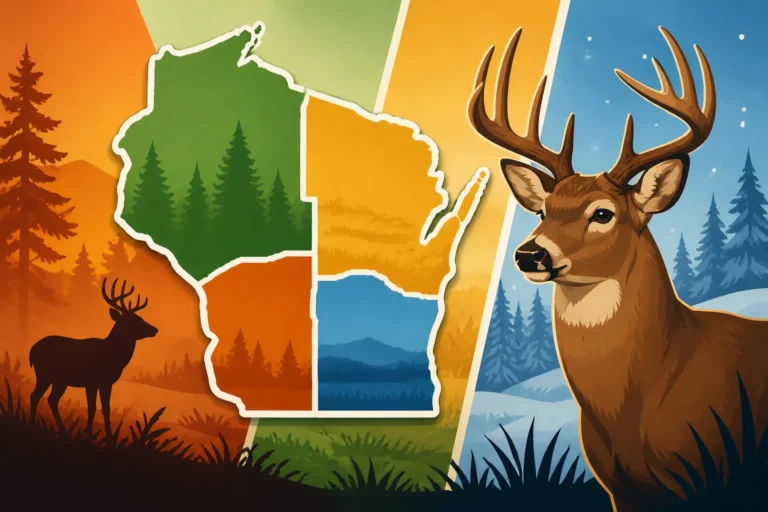
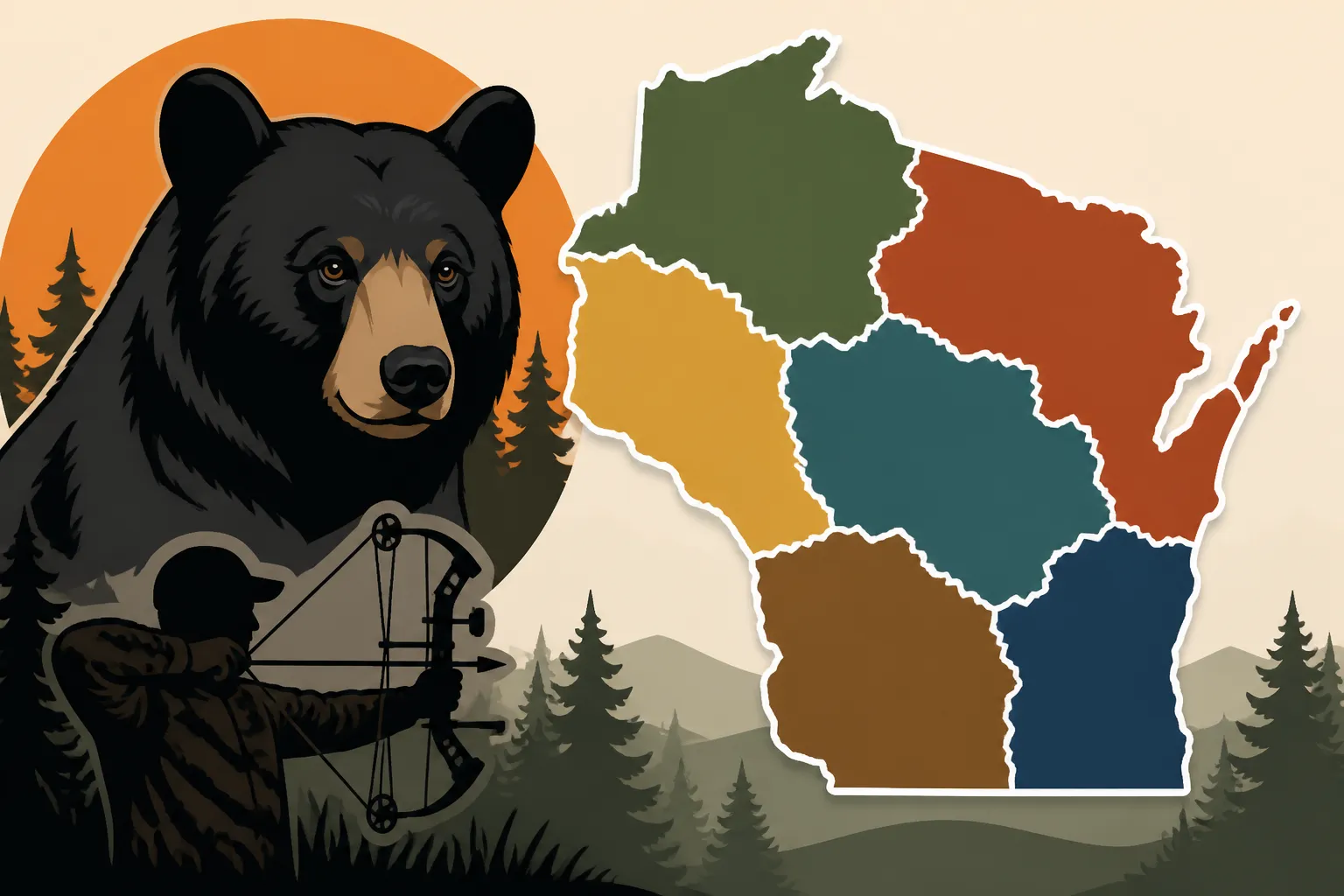
Wisconsin's six bear zones cover the entire state, but their characteristics, bear populations, and hunting opportunities vary wildly. Understanding these differences is paramount when you're deciding where to throw your hat in the ring for a coveted bear permit.
Wisconsin's Bear Zones at a Glance
Before we dive into the nitty-gritty of each, here's a quick overview to set the stage. Remember, these are broad strokes, and each zone has its own subtleties.
| Zone | Primary Location (General) | Bear Density (Relative) | Common Habitat | Primary Hunting Methods | Typical Draw Time (Points) |
|---|---|---|---|---|---|
| A | Northwest Wisconsin | Very High | Vast Forests | Baiting, Dogs | Long |
| B | Northeast Wisconsin | Very High | Vast Forests | Baiting, Dogs | Long |
| C | Central Wisconsin | Moderate to High | Mixed Forest/Ag | Baiting, Dogs, Stalk | Moderate |
| D | Southwest Wisconsin | Low but Growing | Farmland/Woodlots | Baiting, Stalk | Short to Moderate |
| E | East Central Wisconsin | Low but Growing | Farmland/Woodlots | Baiting, Stalk | Short to Moderate |
| F | Southeast Wisconsin | Very Low, Expanding | Highly Fragmented | Stalk, Nuisance | Very Short |
Note: Typical draw times are highly variable based on annual quotas and application numbers. Consult the latest DNR data or resources like GoHunt for current point requirements.
Zone A and B: The Northwoods Strongholds
Zones A and B represent the traditional heartland of Wisconsin's bear country. These are the vast, sprawling forests of northern Wisconsin, characterized by dense timber, intricate wetlands, and a relatively low human population density. This is where most hunters imagine themselves chasing bears – deep woods, challenging terrain, and the highest bear populations in the state.
- Zone A (Northwest): This zone encompasses counties like Bayfield, Douglas, Sawyer, Burnett, Washburn, and Polk. It's known for its expansive public lands, including parts of the Chequamegon-Nicolet National Forest and numerous county forests. Bear densities here are among the highest in the state, offering excellent opportunities for both baiting and hound hunting. The rugged terrain and extensive cover mean bears have plenty of room to roam and hide. If you're looking for a classic Wisconsin bear hunt experience with a high chance of success once you draw a tag, this is a prime area. Many hunters who apply for Bear Hunting With Bait and Dogs in Wisconsin target these northern zones.
- Zone B (Northeast): Spanning counties such as Vilas, Oneida, Forest, Florence, Marinette, and Langlade, Zone B mirrors Zone A in its high bear population and heavily forested landscape. Similar to Zone A, you'll find plenty of public land, including additional sections of the Chequamegon-Nicolet National Forest. The hunting culture here is deeply rooted in baiting and running hounds. The challenges are similar to Zone A: navigating thick cover, understanding bear travel patterns, and dedicating serious time to scouting and bait site preparation.
Zone C: The Central Forest Transition
Zone C represents a fascinating transitional area. It bridges the gap between the dense northern forests and the more agricultural landscapes to the south. This zone includes counties like Jackson, Clark, Eau Claire, Monroe, and Juneau. Here, you'll find a mosaic of habitat: large tracts of state and county forests interspersed with increasing amounts of farmland.
Bear populations in Zone C are robust and have been steadily growing, but they often present different challenges than in the far north. Bears here may be more accustomed to human activity, and their movements can be influenced by agricultural food sources like cornfields and orchards, in addition to natural mast crops. While baiting and hounds are still popular and effective, still-hunting and spot-and-stalk tactics can also be productive, especially on edges where timber meets fields. This zone often offers a slightly shorter wait for a tag compared to the northern strongholds, making it an attractive option for hunters seeking a quality bear hunt without an exceptionally long preference point accumulation. You might even find yourself contemplating different strategies, like Hunting Without Bait in a Banned County if you happen to be in an area with a local feeding ban in place.
Zone D, E, and F: The Expanding Range and Unique Challenges
These three zones represent the newer frontier of Wisconsin bear hunting. They cover the central, southwestern, eastern, and southeastern parts of the state, areas traditionally not considered "bear country." However, as bear populations have expanded from the north, and individual bears disperse, these zones have seen a steady increase in sightings and even established breeding populations.
- Zone D (Southwest): Covering counties like Grant, Iowa, Richland, Crawford, and Vernon, this zone is primarily characterized by the "Driftless Area" – a rugged, unglaciated landscape of steep coulees, blufflands, and hardwood forests interspersed with agriculture. Bear populations are lower than in the north, but they are expanding. Public land can be more fragmented here, requiring diligent scouting and often relying on private land access. Hunting here usually involves baiting on smaller woodlots or still-hunting the edges of cornfields and timber. Success rates can be lower, but the unique challenge and the satisfaction of taking a bear in non-traditional habitat are significant draws.
- Zone E (East Central): This zone covers counties such as Waupaca, Waushara, Green Lake, Marquette, and Columbia. Similar to Zone D, it features a mix of agriculture and smaller forest blocks, often near river systems and wetlands. Bear presence is more sporadic, and hunters need to be exceptionally diligent in scouting. These zones are often where you see nuisance permits issued due to bears interacting with rural residential areas. For those willing to put in the legwork, it can offer a truly unique hunting experience, though the odds of drawing a tag are better than in the north, the odds of success can be lower due to lower bear densities.
- Zone F (Southeast): This is the southernmost and most urban-adjacent bear zone, including counties like Dane, Jefferson, Walworth, and Kenosha. Bear presence here is primarily driven by dispersing young males or transient animals. Population density is extremely low, and tags are very limited, often reserved for specific nuisance situations. Hunting here is a true needle-in-a-haystack endeavor, often relying on targeted still-hunting or very specific baiting efforts in isolated woodlots. While the chances of success are low, the opportunity to hunt a bear in this highly unusual environment is a rare one. For hunters interested in the broader picture of bear presence in the state, understanding Where Wisconsin Bears Range helps illustrate this expansion.
Diving Deeper into Each Zone's Unique Characteristics
Each Wisconsin bear zone, while part of a larger management strategy, possesses its own distinct personality, influencing everything from bear behavior to optimal hunting tactics.
Zone A: The Northwestern Powerhouse
Zone A is a vast, rugged expanse where bears truly thrive. It's home to some of Wisconsin's highest bear densities, thanks to extensive tracts of public land like the Chequamegon National Forest and a myriad of county forests in Bayfield, Douglas, Sawyer, and Price counties. The terrain is a mix of conifer swamps, aspen cuts, mature hardwoods, and countless lakes and flowages. This diverse habitat provides abundant natural food sources, from berries and acorns to beaver and deer fawns.
Hunters in Zone A often commit to an extensive baiting season, starting well before the actual hunt, to establish consistent bear activity. Running hounds is also a deeply ingrained tradition here, with many clubs operating throughout the zone. The sheer size of the area means that even with significant hunting pressure, bears have ample room to retreat into remote, inaccessible cover. Success often hinges on a deep understanding of local bear travel corridors, especially during the breeding season. The longer you apply for Wisconsin Bear Preference Points and Zones, the better your chances of drawing a coveted tag for this premier bear habitat.
Zone B: The Northeastern Wilderness
Mirroring Zone A in its high bear numbers and traditional hunting methods, Zone B covers the northeastern quadrant of Wisconsin, including counties such as Vilas, Oneida, Forest, Florence, and Marinette. This area is characterized by dense mixed forests, rocky outcroppings, and an intricate network of rivers and wetlands. The wild character of the Nicolet National Forest and sprawling county forests provides an ideal environment for bears.
Similar to Zone A, baiting is the dominant strategy, requiring consistent effort and knowledge of bear feeding habits. Hound hunting is also very popular, utilizing the extensive road systems for tracking and dog recovery. What sets Zone B apart can sometimes be the slightly different forest composition and terrain, with more rocky ridges and deep, expansive swamps in certain areas. It also often experiences colder weather earlier in the fall, which can influence bear activity and patterns. Hunters here often build elaborate bear camps, turning the hunt into a communal tradition, often starting baiting for Baiting Bears in Wisconsin long before the season even opens.
Zone C: Central Wisconsin's Mix
Zone C presents a blend of northern wilderness and southern agricultural influences, making it a unique challenge and opportunity. Counties like Jackson, Clark, Monroe, and Juneau feature significant state and county forests, such as the Black River State Forest, alongside privately owned farmlands. Bear populations here are strong and growing, leading to more frequent interactions between bears and humans.
The habitat diversity in Zone C means bears have a wider range of food options, from acorns and berries in the forests to corn and apples in agricultural fields. This can make scouting crucial, as bear movements might shift based on crop cycles and availability. While baiting is still the most common method, especially within the larger forest blocks, opportunities for still-hunting or spot-and-stalk exist, particularly along agricultural edges or creek bottoms. Hunters often find themselves navigating public forest lands that butt up against private farms, requiring careful attention to property lines and permission. Understanding Wisconsin Bear Harvest Trends shows how this zone's bear population has consistently contributed to the state's overall harvest.
Zone D: The Expanding Southwest
The Driftless Area of Zone D is visually stunning and offers a distinct bear hunting experience. With its deep valleys, steep ridges, and patchwork of hardwood forests, it’s a far cry from the flat, dense northern woods. Counties like Crawford, Richland, Grant, and Vernon are seeing increasing bear activity, a testament to the species' adaptability.
Bear densities are considerably lower here than in the north, meaning hunters need to be more strategic and patient. Baiting is still used, often in smaller, secluded woodlots nestled within the valleys. Still-hunting the steep slopes and ridge tops can also be productive, as bears will utilize the topography for travel and bedding. Obtaining private land access is often key in Zone D, as public land, while present, is more fragmented compared to the expansive northern forests. The challenge of locating bears in this unique environment, combined with the scenic beauty of the Driftless, makes for a very rewarding hunt for those who draw a tag.
Zone E: The Eastern Edge
Zone E, encompassing counties like Waupaca, Waushara, Marquette, Green Lake, and Columbia, shares many characteristics with Zone D in its agricultural and fragmented forest landscape. Bear presence here is less consistent than in the central or northern zones, making it a challenging but potentially rewarding hunt for the dedicated.
Hunting in Zone E often requires extensive pre-season scouting, focusing on identifying isolated pockets of suitable habitat—dense swamps, river bottoms, or larger private woodlots. Baiting is a common tactic, but given the lower bear density, maintaining a consistent bait site and managing potential competition from non-target species can be more demanding. Still-hunting along creek corridors or in dense cover can also yield results. Success in Zone E often comes down to tenacity and a bit of luck, as you're truly hunting for individual bears rather than high concentrations.
Zone F: The Southernmost Reach
Zone F is the anomaly of Wisconsin's bear zones. Covering the most densely populated and agricultural parts of the state, including counties such as Dane, Jefferson, Walworth, and Kenosha, it has the lowest bear density and the most limited hunting opportunities. Bear sightings in this zone are typically of dispersing young males traveling through, or occasional transient animals establishing temporary residence.
Tags in Zone F are extremely scarce and often target specific nuisance animals that have become problematic. Hunting is primarily still-hunting or targeted baiting in very isolated, dense coverts. This is not a zone where hunters expect high success rates, but rather a unique opportunity for those lucky enough to draw a tag. It highlights the incredible expansion of Wisconsin's bear population into areas where they haven't been seen in over a century. For most hunters, this zone serves as a reminder of how far the bears have spread, making it more of an informational point than a primary hunting destination.
Navigating the Application Process and Preference Points by Zone
Drawing a bear tag in Wisconsin is a multi-year endeavor for most hunters, especially in the coveted northern zones. Understanding the preference point system and how it interacts with the zone structure is absolutely critical.
Understanding Wisconsin Bear Preference Points
Wisconsin uses a preference point system for bear permits, meaning that each year you apply for a bear license but don't draw a tag, you earn one preference point. These points accumulate, increasing your odds of drawing a tag in subsequent years. It's a system designed to reward persistence. However, drawing a tag, even with many points, isn't guaranteed; it's still a lottery. But the more points you have, the better your chances are, particularly for popular zones. How Wisconsin Bear Preference Points Work is a system that can be quite complex, so understanding the nuances is key. You can check the current point requirements for each zone on the DNR website, or by using tools like GoHunt which often provides user-friendly data visualizations and predictions.
The number of tags issued per zone varies annually, based on population estimates, harvest goals, and historical data. This means that the number of preference points needed to draw a tag can fluctuate. For instance, a zone that had an unexpectedly low harvest one year might see an increase in its quota the next, potentially lowering the point requirement for a season. Conversely, a highly successful year could lead to fewer tags being issued, pushing the point requirements higher. This dynamic nature is why consistent application, even if you don't plan to hunt every year, is often recommended to keep accumulating points.
Strategic Zone Application
Choosing which zone to apply for is a significant decision. Most hunters instinctively aim for Zones A or B due to the high bear populations and traditional hunting success. However, these zones also have the longest wait times, often requiring 10-15+ preference points. For hunters with fewer points, or those looking for a different experience, considering Zones C, D, or E can be a smart strategy.
- Balancing Patience and Opportunity: If you have accumulated a significant number of points (say, 8+), applying for Zone A or B might be your best bet if those are your desired hunting grounds. If you're newer to the system or want to hunt sooner, Zone C often offers a good balance of reasonable draw odds and a solid bear population. Zones D, E, and F typically require far fewer points, sometimes even drawing with 0-3 points, but the hunt itself will be more challenging due to lower bear densities.
- Considering Hunt Style: Do you plan to bait extensively? Zones A, B, and C offer the best habitat for this. Are you interested in Running Bear Hounds in Northern Wisconsin? Again, the northern zones are your best bet as they have the most extensive areas suitable for dog running. If you prefer still-hunting or spot-and-stalk, and are willing to put in significant legwork in lower density areas, the southern zones could be an exciting, albeit tougher, challenge.
- Using Data: Resources like GoHunt provide invaluable tools for analyzing draw odds, past harvest data by zone, and even habitat maps. This information can help you make an informed decision on which zone to apply for, maximizing your chances of drawing a tag within your desired timeframe and preferred hunting style. It's not just about applying blindly; it's about making a strategic choice based on available data and your personal hunting goals.
Hunting Dynamics and Success Rates Across Zones
The zone you draw a tag for will significantly dictate your hunting dynamics, from the methods you employ to the expected success rates and overall experience.
Baiting and Dog Hunting Considerations
The traditional and most popular methods for bear hunting in Wisconsin are baiting and running hounds. These methods are predominantly successful in Zones A, B, and C, where bear densities are high, and the habitat supports these activities.
- Baiting: In the northern and central zones, establishing multiple, consistent bait sites is a time-intensive but highly effective strategy. Bears in these areas are accustomed to finding and utilizing bait. The extensive timber and cover allow for secluded bait sites, reducing human disturbance. Hunters typically start baiting weeks, sometimes even months, before the season opens to habituate bears to the sites. Success often comes down to scouting trail cameras, understanding individual bear behavior, and knowing when to sit your stand.
- Dog Hunting: Zones A, B, and C are also the strongholds for hound hunting. The vast public lands and extensive forest road systems provide ideal conditions for releasing hounds on a bear track and following the chase. This method is incredibly demanding physically and requires specialized dogs, equipment, and often a team of dedicated hunters. The ability to cover large tracts of land and pursue bears through thick cover makes hound hunting highly effective in these zones. However, it's crucial to understand Wisconsin Bear Season Dates by Method as specific regulations may apply.
Still-Hunting and Spot-and-Stalk Opportunities
While less common, still-hunting and spot-and-stalk can be viable, and sometimes necessary, strategies, particularly in the lower-density southern zones (D, E, F) or for hunters who prefer a more solitary approach.
- Southern Zone Adaptations: In zones D, E, and F, where bear numbers are lower and habitat is more fragmented, traditional baiting and hound hunting might be less effective or even prohibited in certain localized areas. Here, still-hunting becomes a primary method. This involves moving slowly and deliberately through suitable habitat, looking for fresh sign like scat, tracks, or torn-up logs, and ambushing bears at natural choke points or feeding areas. Spot-and-stalk can be effective along agricultural field edges during the early morning or late evening, catching bears moving to or from feeding grounds. This often requires exceptional patience and keen observation skills. Hunters practicing Hunting Bear Without Bait or Dogs will focus on identifying natural food sources and travel corridors.
- Northwoods Still-Hunting: Even in the northern zones, still-hunting can be productive for those who want to avoid bait or dogs. Focusing on natural food sources like oak ridges during acorn drops, dense conifer swamps for bedding, or travel corridors between feeding and bedding areas can yield results. It's a more challenging hunt, but for many, it offers a deeply satisfying wilderness experience.
Impact of Habitat on Hunting Methods
The specific habitat within each zone profoundly influences which hunting methods are most effective.
- Dense Northern Forests (A & B): The vastness and dense cover of these zones lend themselves perfectly to baiting and hound hunting. Bears can easily disappear into the thick woods, and dogs are often necessary to bring them to bay. Still-hunting is extremely challenging due to limited visibility and the sheer amount of ground to cover.
- Mixed Forest and Agriculture (C, D, E): These zones demand a more versatile approach. Baiting is still effective in the larger forest blocks, but hunters must also consider how agricultural fields influence bear movements. Still-hunting becomes more viable along the edges of fields or in smaller woodlots where bears might be concentrated.
- Fragmented Southern Habitat (F): In Zone F, and to a lesser extent D and E, highly fragmented habitat means bears are often transient or confined to very specific, isolated pockets of cover. Here, opportunistic hunting, often in response to specific sightings or nuisance reports, might be the most effective. Baiting might attract non-target animals, and hound hunting is generally impractical due to limited continuous cover and higher human population density.
Zone-Specific Quotas, Harvests, and Future Trends
Understanding the numbers behind each zone – the quotas, the harvest totals, and the success rates – provides critical insight into the health of the bear population and your personal hunting prospects.
Annual Quotas and Success Rates
Each year, the Wisconsin DNR sets a harvest quota for each bear zone. This quota is determined by a complex formula that considers bear population estimates, reproductive rates, nuisance complaints, and hunter success from previous seasons. These quotas directly impact the number of tags available and, consequently, the number of preference points needed to draw in each zone.
- Northern Zones (A & B): Typically have the highest quotas and, due to high bear densities, often boast the highest success rates among hunters who draw a tag. However, the high demand means a long wait.
- Central Zone (C): Offers a balance, with a substantial quota and decent success rates, making it a popular choice for those with a moderate number of preference points.
- Southern Zones (D, E, F): Have significantly lower quotas, reflecting their lower bear populations. Success rates in these zones tend to be lower due to the challenge of locating bears in less dense habitat, but the opportunity to draw a tag is much higher. For a deep dive into how many tags are issued state-wide, you can look up How Many Wisconsin Bear Licences Are Issued.
It's important to remember that success rates are for hunters who drew a tag. The overall success rate across all applicants, given the long wait times, is much lower.
Monitoring Population Shifts
The zone system is a dynamic management tool. The DNR constantly monitors bear populations and harvest data to ensure sustainable management. This includes:
- Harvest Reporting: Every harvested bear must be registered, providing crucial data on age, sex, and location of kill. This information helps the DNR track population demographics within each zone.
- Bear Cooperator Program: The DNR utilizes a network of volunteer cooperators who report bear observations, cub production, and nuisance activity, giving valuable insight into population trends and dispersal.
- Bait Station Surveys: Annual surveys using bait stations help estimate bear densities and distribution, informing quota decisions.
These monitoring efforts allow the DNR to adjust zone boundaries, increase or decrease quotas, and even modify hunting regulations if necessary, ensuring the long-term health of Wisconsin's bear population. For those who want to track the overall numbers, How Many Black Bears Wisconsin Has gives a good statewide picture.
Emerging Opportunities in Southern Zones
While the northern zones remain the bear hunting mecca, the increasing presence and establishment of breeding populations in the central and southern zones (C, D, E, and even F) represent emerging opportunities. As populations expand and become more stable in these areas, there's potential for slightly higher quotas or more consistent tag availability in the future.
This expansion means that hunters with fewer preference points, who might traditionally have felt locked out of bear hunting, could find viable options in the southern half of the state. However, it will always require a different approach – more focused scouting, greater emphasis on private land access, and a willingness to adapt hunting tactics to fragmented habitat and lower bear densities. Tools like GoHunt can be particularly useful here, helping hunters identify small pockets of public land, understand land ownership, and analyze historical bear activity in these evolving zones.
Role of GoHunt in Scouting and Application
In today's competitive hunting landscape, leveraging technology and data is a game-changer. GoHunt is a prime example of a resource that can dramatically improve a bear hunter's strategy, especially when it comes to navigating the complex Wisconsin zone system.
- Draw Odds and Application Strategy: GoHunt provides detailed analysis of draw odds based on historical data and preference point requirements for each zone. This allows hunters to make informed decisions about which zone to apply for, helping them choose between holding out for a northern zone tag or opting for a southern zone with better immediate draw odds.
- E-Scouting and Habitat Analysis: For both new and experienced bear hunters, GoHunt offers robust mapping tools. You can overlay public land boundaries, habitat types (like timber cuts, swamps, and agricultural fields), topography, and even historical satellite imagery. This is invaluable for identifying potential bait sites, travel corridors, and bedding areas, particularly in the vast northern forests or the fragmented southern zones. This e-scouting capability can save countless hours of boots-on-the-ground scouting, allowing you to narrow down your focus.
- Regulatory Updates: Keeping up with annual changes in regulations, such as zone boundary adjustments or specific county-level rules, can be overwhelming. Resources like GoHunt often provide concise and up-to-date summaries, ensuring hunters are aware of all applicable rules before and during their hunt. Using such a tool can significantly enhance your chances of success and make the overall hunting experience more streamlined and enjoyable.
Disclaimer
Please note: Hunting regulations and season dates can change. Always consult the official Wisconsin Department of Natural Resources (DNR) website and current hunting regulations pamphlet before planning any hunting activity. This guide is for informational purposes only and does not supersede state regulations.