Bear Hunting With Bait and Dogs in Wisconsin
The pursuit of a black bear in Wisconsin is an experience unlike any other, demanding immense patience, strategic planning, and often, an unwavering commitment to traditional hunting methods. Many hunters feel overwhelmed by the complex regulations and the sheer dedication required to successfully tag a bruin, especially when using bait or hounds. This comprehensive guide will meticulously walk you through the intricacies of bear hunting in Wisconsin, from understanding the tag draw system to the thrilling culmination of a successful hunt, empowering you with the knowledge to navigate this challenging but deeply rewarding pursuit.
Understanding Wisconsin's Bear Hunting Landscape
Wisconsin's bear hunting scene is vibrant and highly managed, a testament to conservation efforts that have allowed the black bear population to flourish. However, getting a tag is just the first hurdle; understanding the landscape means knowing the rules, the areas, and the animal itself.
The Draw System and Preference Points
For many aspiring bear hunters in Wisconsin, the journey begins years before they ever step into the woods with a tag in hand. Wisconsin operates on a preference point system for bear permits, which means patience isn't just a virtue, it's a necessity. You don't just buy a bear tag over the counter; you have to apply for it, and the more years you apply without being drawn, the more preference points you accumulate, increasing your odds in subsequent years. It can feel like a lifetime waiting for that golden ticket, especially when you see friends draw tags while you're still stacking points. This system ensures that those who have waited the longest eventually get their chance, but it certainly tests your resolve.
The state is divided into six distinct bear management zones, each with its own quota of available tags, influencing the draw odds significantly. Zone A, encompassing much of the northern forest, typically offers the most tags but also sees high applicant numbers. Zones B and D, in contrast, often have fewer tags but sometimes slightly better odds due to lower applicant pools, though this can vary year to year. Knowing which zone to apply for can be a strategic decision, balancing your desire to hunt a specific area with the reality of the draw odds. Many hunters applying for their first time pore over the statistics, trying to find that sweet spot that might shave a year or two off their wait. For a deeper dive into how this system works, you can explore Wisconsin Bear Preference Points and Zones.
Bear Population and Distribution
Wisconsin is home to a robust and expanding black bear population, a true conservation success story. The vast majority of these magnificent animals historically resided in the sprawling forests of northern Wisconsin, where dense timber, remote swamps, and abundant food sources provide ideal habitat. Counties like Ashland, Bayfield, and Price have long been synonymous with bear country, boasting healthy densities. It's in these regions that you'll find generations of hunters who have honed their skills tracking and calling bears.
However, in recent decades, bears have been steadily expanding their range southward, driven by increasing population numbers and a search for new territories and food sources. While still less common, it’s no longer surprising to hear reports of bears sighted in central Wisconsin, and even occasionally in the more agricultural southern parts of the state. This expansion presents new opportunities and challenges, both for wildlife managers and for hunters who might now find bear sign closer to home. Understanding Where Wisconsin Bears Range is crucial for planning your hunt, whether you're looking for the traditional Northwoods experience or hoping to capitalize on an emerging bear presence in a less traditional area.
Season Structure and Regulations
Wisconsin's bear hunting season is carefully structured to accommodate different hunting methods, primarily baiting and hunting with hounds, each with specific timelines. The season typically kicks off in early September and runs for several weeks, broken down into distinct periods. The first period usually allows baiting and hunting with dogs, offering a dynamic and often fast-paced hunt. This is the time when many of the larger bear camps come alive, with teams of hound handlers and baiters coordinating their efforts.
Subsequent periods might restrict hunting to baiting only, or to other methods like still-hunting, providing varied opportunities for hunters who prefer different approaches. It’s absolutely critical to stay on top of the exact dates for each period and method, as these can shift slightly from year to year. Misunderstanding a season opening or closing date can lead to severe penalties. Additionally, regulations regarding baiting start dates, carcass transportation, and registration are meticulously enforced. Familiarizing yourself with these specifics, found in resources like Wisconsin Bear Season Dates by Method, is paramount to ensuring a legal and ethical hunt. The DNR provides clear guidelines, and it's your responsibility as a hunter to know and follow them to the letter.
The Art and Science of Bear Baiting
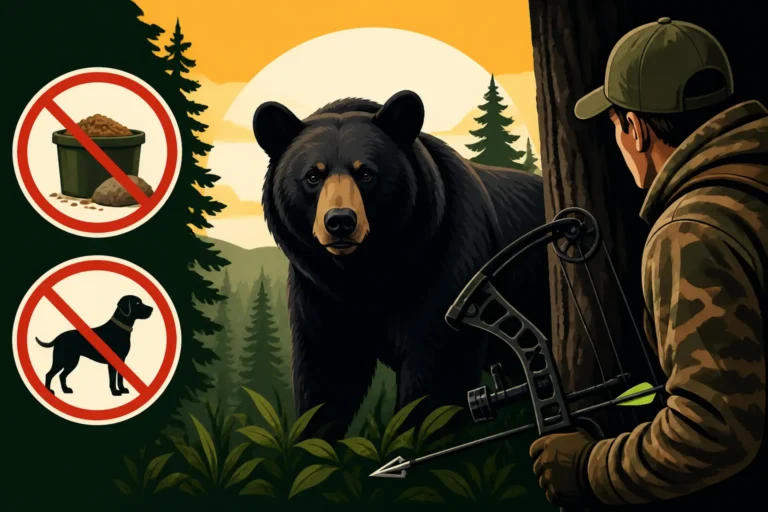
Bear baiting is a highly effective and widely practiced method in Wisconsin, allowing hunters to draw bears to a specific location for a shot. It's far more than just dumping out some treats; it's a strategic game of scent, consistency, and patience.
Choosing and Establishing a Bait Site
Selecting the perfect bait site is the cornerstone of a successful baited bear hunt. It’s not just about finding a remote spot; it’s about finding the right remote spot. First and foremost, you must adhere to strict legal requirements regarding distance from roads, occupied dwellings, and public access points. You can't just set up shop anywhere; privacy and safety are key. Beyond that, you're looking for an area that naturally appeals to bears. Think dense cover, like cedar swamps, thick conifer stands, or areas with heavy brush that offer security and bedding. Bears are creatures of comfort and will gravitate towards areas where they feel safe.
Water sources, such as small streams, swamps, or even marshy depressions, are also a huge draw, especially in warmer early September. Bears need water daily, and a bait site near a reliable source is often more productive. Travel corridors, like old logging roads, game trails, or natural funnels between different cover types, are prime locations because bears already use them to move through their territory. Pre-baiting scouting is essential, where you spend time in the woods looking for natural bear sign – tracks, scat, rubs on trees, and even broken branches where bears have fed on berries. Using mapping tools, such as those offered by GoHunt, can be invaluable during this phase, allowing you to identify remote spots, analyze terrain features, and mark potential travel routes before you ever carry a bucket of bait into the woods. This initial investment of time and effort will pay dividends, setting the stage for a productive bait site.
What Bears Crave: Bait Types and Strategies
Once you’ve identified a prime location, the next step is enticing the bears with irresistible treats. Bears are opportunistic omnivores with an incredible sense of smell, and they possess a massive appetite, especially in late summer and early fall as they prepare for hibernation. Therefore, the goal is to provide a high-calorie, highly aromatic offering that they can't resist. Sweets are a universal favorite: discarded pastries, donuts, cookies, candy, and molasses are all excellent choices. Many hunters visit local bakeries or confectioners to secure bulk amounts of these goodies. These items are not only palatable but also create a strong scent trail that travels far, drawing bears in from considerable distances.
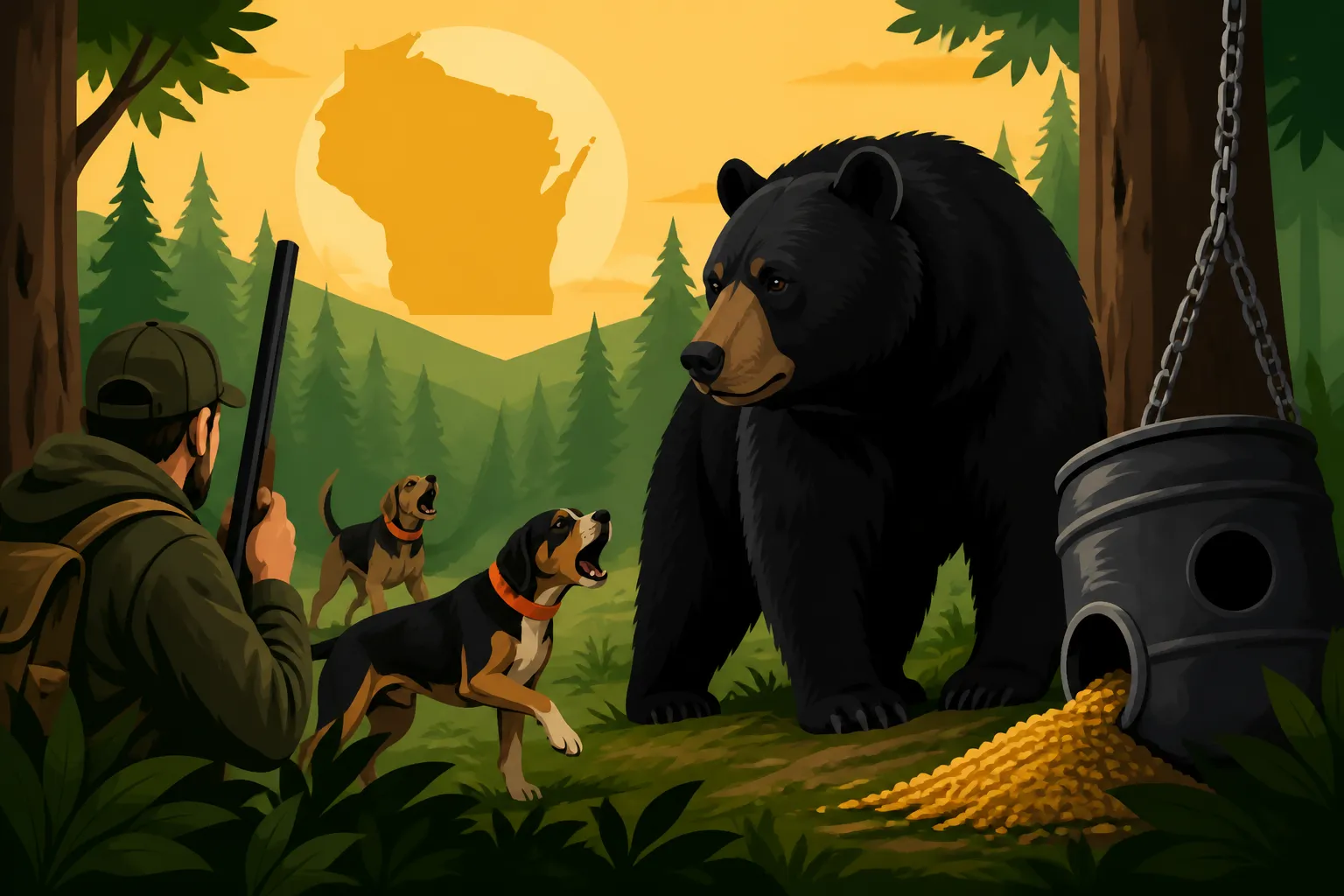
Beyond sweets, other effective baits include meat scraps (though often harder to acquire and manage due to spoilage), dog food, and corn. Some hunters mix these with grease or cooking oil to enhance the scent and calorie count. The key isn't just what you use, but how you use it. Consistency is paramount; once a bear starts hitting your bait, you want to keep it fresh and available. Securing your bait in a heavy-duty barrel chained to a tree or within a hollowed-out log forces the bear to work for its meal, keeping it occupied at the site for longer and encouraging repeat visits. You're trying to create a pattern, making your bait site a reliable stop on their daily rounds. For a more detailed guide on concoctions that bring bears running, check out What Bear Baiters Use in Wisconsin.
Maintaining Your Bait Site for Success
Running a successful bear bait is a significant commitment, demanding consistent effort and attention throughout the baiting season. It’s not a "set it and forget it" operation; rather, it’s an ongoing dialogue with the bears. Regular visits to your bait site are crucial, ideally every few days, to replenish bait and check on activity. This ensures that when a bear finally discovers your treasure trove, it finds a consistent food source, reinforcing its habit of returning. If a bear visits and finds nothing, it might move on to a competitor's bait or simply change its travel patterns.
Trail cameras are indispensable tools in this process. They allow you to monitor activity without disturbing the site, identifying individual bears, tracking their visit times, and assessing their size. This intelligence is vital for deciding when and where to set up your stand. You'll also learn to manage other wildlife, as raccoons, opossums, and even coyotes will often attempt to steal your hard-earned bait. While you can't entirely eliminate these freeloaders, securing your bait within a sturdy barrel can minimize their impact. Ethical considerations are also important; keeping your bait site clean, packing out all trash, and being mindful of your impact on the environment and other hunters demonstrates respect for the land and the sport. Remember that maintaining your bait site also means adhering to rules regarding Trail Cameras on a Wisconsin Bait Site, ensuring your monitoring practices are legal.
Hunting Bears with Hounds: A Deep Tradition
For many, hunting bears with hounds represents the pinnacle of the sport in Wisconsin – a challenging, immersive, and deeply traditional method that connects hunters to a lineage of woodsmen and their loyal canine partners.
The Role of the Dogs and Their Training
At the heart of a hound hunt is the incredible working relationship between the handler and their dogs. Specific breeds are favored for their keen noses, stamina, and courage: Plott hounds, Black and Tans, and American English Coonhounds are common choices, often mixed for a blend of desirable traits. These aren't just pets; they are highly specialized athletes, bred and trained for generations to perform specific tasks. Their job is to pick up the scent of a bear, track it, and then "tree" or "bay" it, holding the bear in place until the hunters arrive. This requires immense focus, an ability to ignore other tempting scents, and the drive to pursue a large, formidable animal through unforgiving terrain.
The training involved is extensive and begins when the dogs are pups. It includes developing their tracking instincts, teaching them to distinguish bear scent from deer or other game, and conditioning them for long chases through rough country. They learn to work as a pack, communicating through their unique vocalizations – a "chop" when on a hot track, a "bawl" when they’ve struck, and a consistent, excited "bay" when the bear is treed. This intense training builds a profound bond of trust and respect between handler and dog, a connection that is palpable to anyone witnessing a successful chase.
The Chase: From Strike to Tree
The thrill of a hound hunt truly begins at "the strike." This usually involves locating fresh bear sign, such as tracks in the mud, scat, or an area where a bear has recently fed or passed through. Once a hot track is found, the dogs are "turned loose," and the cacophony of their excited baying begins, echoing through the forest. Each dog's individual voice, combined with the collective chorus, tells the story of the chase. The initial burst of speed gives way to a methodical pursuit as the hounds follow the scent trail, unraveling the bear's movements.
As the chase unfolds, the handler and team rely on a combination of their ears, experience, and modern technology. GPS collars on each dog transmit their location, allowing the team to monitor the speed and direction of the chase in real-time. This is where tools, even basic ones or more advanced mapping layers in something like GoHunt, become critical for tracking dog movements on the landscape. The chase can last minutes or hours, covering vast distances and traversing incredibly challenging terrain – steep hills, dense swamps, and thick brush. The goal is for the dogs to eventually corner the bear, either by forcing it up a tree or baying it on the ground. When the hounds switch from a running bay to a consistent, stationary "treed" bark, the adrenaline surges, and the team moves in for the final approach. Understanding How a Wisconsin Bear Hound Race Works (or rather, the general process of such a race) can give you a deeper appreciation for the effort involved, even if the referenced link focuses on events rather than hunting. A truly immersive experience involves listening to the dogs and understanding their language as they communicate the progress of the chase, as detailed in Following a Bear Race by Truck and GPS.
Ethical Considerations and Safety in Hound Hunting
Hound hunting, by its very nature, carries unique ethical and safety considerations that hunters must meticulously address. Dog safety is paramount; hounds can face dangers from other predators (like wolves or coyotes, though rarely), treacherous terrain, and accidental encounters with other hunters. Handlers invest heavily in their dogs and view them as family, taking every precaution to ensure their well-being. This includes outfitting them with protective vests and ensuring they are well-conditioned.
Safety for the human hunting party is equally important. Approaching a treed or bayed bear requires extreme caution and a clear understanding of bear behavior. Bears are powerful animals, and even when treed, they can be unpredictable. The hunting party must approach slowly, assess the situation, and ensure a safe, ethical shot opportunity. Communication within the team is vital, especially when navigating dense woods where visibility is limited. Furthermore, hound hunters are acutely aware of respecting landowners and other hunters. A chase can often cross property lines, necessitating prior permission or careful communication. It’s also important to be mindful of the noise hounds can make, especially on public lands where other recreational users might be present. The ethics of hound hunting are often debated, but responsible hunters prioritize animal welfare, human safety, and a deep respect for both the game and the environment.
Strategic Approaches for Both Methods
Regardless of whether you choose to hunt over bait or with hounds, successful bear hunting in Wisconsin requires a well-thought-out strategy, keen observation, and an understanding of bear behavior.
Stand Hunting Over Bait
Once you’ve got bears consistently hitting your bait site, the next step is setting up your ambush. This typically involves using a treestand or a ground blind. Placement is critical. You need to position your stand downwind of the bait, as a bear's sense of smell is legendary, and even the slightest human scent can send it packing. Consider prevailing winds and thermals, especially in the early morning and late evening when bears are most active. Entry and exit routes to your stand should be planned meticulously to avoid alerting any bears that might be in the vicinity. You want to slip in quietly, hunt, and then slip out without leaving a trace.
Shooting lanes must be clear, giving you an unobstructed view of the bait and a clean shot opportunity. Practice shooting from your chosen stand setup beforehand to ensure you’re comfortable and proficient. Patience is an absolute virtue when stand hunting over bait. Bears often approach cautiously, circling downwind before committing to the bait. You might sit for hours, even days, without seeing a bear, only for one to appear seemingly out of nowhere. When a bear does present itself, aim for the vitals, typically the lung/heart area, which on a bear is a bit farther forward and lower than on a deer due to their anatomy. After the shot, give the bear time – often at least 30-60 minutes, sometimes more – to expire before beginning your recovery efforts. This reduces the risk of pushing a wounded bear and ensures a humane harvest. For guidance on optimal elevated setups, consider resources like Treestand Setups in Wisconsin Hardwoods.
Running a Bear With Hounds: Teamwork and Logistics
Hound hunting is inherently a team sport, demanding coordination and clear communication among all participants. A typical team includes the primary dog handler, who knows the hounds intimately, along with several "drivers" or "catchers" who assist in monitoring the dogs, setting up strategic intercept points, and eventually helping with the recovery of the treed bear. Planning is paramount, especially when hunting vast tracts of public land or private land with multiple owners.
Before turning the dogs loose, the team often discusses potential escape routes for the bear and likely travel patterns based on terrain and previous experience. As the chase progresses, team members use their GPS units and radios to track the dogs' movement, sometimes leapfrogging ahead by truck or ATV on logging roads to get ahead of the bear or cut off its path. This is a dynamic process, and conditions can change rapidly. One moment the dogs might be heading north through a swamp, the next they've turned west up a steep ridge. The ability to adapt and make quick decisions is vital. The physical demands can be intense, as chasing hounds often means hiking through thick brush, crossing swamps, and climbing hills, all while listening intently to the dogs' baying. Success in hound hunting hinges on preparation, teamwork, and a deep understanding of both dog and bear behavior.
Understanding Bear Behavior and Sign
Becoming a successful bear hunter, whether with bait or hounds, starts with understanding the animal itself. Bears leave a plethora of signs that, once learned, can tell a fascinating story of their presence and habits. Tracks are perhaps the most obvious, with their distinctive five toes and large heel pad, often seen in soft dirt or mud near water sources. Scat can indicate recent feeding activity and diet, with berry-filled droppings being common in late summer. Look for rubs on trees, where bears scratch their backs to shed fur or mark territory. Broken branches, especially on fruit trees or berry bushes, suggest feeding activity. Knowing how to interpret these subtle cues is like reading a secret language of the forest.
Bear behavior also changes significantly throughout the seasons. In late summer and early fall, leading up to the hunting season, bears are in hyperphagia, a state of intense feeding as they try to pack on fat reserves for winter hibernation. This makes them highly susceptible to baiting. As the rut winds down for deer, and the weather cools, their activity may shift, though they remain driven by food until they den. Understanding when The Wisconsin Rut in November occurs for deer might indirectly help, as bear activity typically peaks before deer rut, but it underscores the importance of seasonal timing for any species. Interpreting trail camera photos becomes an advanced study in bear behavior; are they nocturnal, crepuscular, or diurnal visitors? Are multiple bears visiting, or just one dominant boar? Do they approach confidently or cautiously? These observations, sometimes enhanced by integrating data into mapping programs, help tailor your hunting strategy for maximum effectiveness.
| Aspect | Bear Baiting (Stand Hunting) | Bear Hunting with Hounds |
|---|---|---|
| Effort | Consistent, long-term bait site maintenance | Intense, physical, often unpredictable chase |
| Patience | High, hours/days spent waiting in a stand | High, waiting for the "strike" and duration of chase |
| Teamwork | Often solitary or small group for logistics | Essential, highly collaborative team effort |
| Gear | Stands/blinds, bait, trail cams, scent control | GPS collars, radios, specialized hounds, protective gear |
| Physicality | Moderate (packing bait, stand setup) | High (long hikes, navigating rough terrain) |
| Noise | Minimal, focus on silence | High (dogs baying, communication) |
| Ethical Focus | Responsible baiting, clean sites, shot placement | Dog welfare, safe bear handling, property respect |
| Success Factor | Consistent bait, good stand placement, scent management | Experienced hounds, skilled handler, team coordination |
Post-Harvest: From Field to Freezer
Successfully harvesting a bear is a monumental achievement, but the work isn't over. Proper post-harvest care is crucial for respecting the animal and ensuring quality meat.
Field Dressing and Recovery
After taking a shot, the most critical step is to allow the bear sufficient time to expire peacefully. Resist the urge to rush in immediately; a wounded bear is a dangerous animal. The waiting period depends on the shot placement and the bear's reaction, but usually ranges from 30 minutes to several hours. Once you are certain the bear is down, approach cautiously, confirming it is deceased before handling. Bears, especially those killed in warmer early-season conditions, require immediate field dressing to cool the meat quickly. Unlike deer, bears have a thick layer of fat, which acts as an insulator and can quickly spoil the meat if not cooled.
Begin by carefully gutting the bear, removing all internal organs. Some hunters even skin the bear partially or entirely in the field to accelerate cooling. If you’re in a remote location, you might need to quarter the bear to make it manageable for transport. Bear carcasses are heavy and awkward, often weighing hundreds of pounds, so plan your recovery route and consider bringing help, a sturdy sled, or a game cart. Dealing with a bear, especially a large one, in a remote, thick cover situation after the shot can be a true test of strength and endurance, as outlined in Handling a Bear After the Shot. Ensure you have good quality knives and a bone saw if you plan to quarter in the field.
Meat Care and Processing
Proper meat care after the shot is essential for a delicious and safe culinary experience. Bear meat is dark, rich, and can be quite flavorful, but it requires careful handling. Once you've field dressed and transported your bear, the next step is typically skinning and butchering. This should be done as soon as possible, in a clean, cool environment. Bear fat, while excellent for rendering and cooking, can also impart a strong flavor to the meat if not trimmed properly. Many hunters meticulously remove as much fat as possible, especially from younger bears, to enhance the meat's palatability.
A significant concern with bear meat is the potential presence of Trichinella spiralis, a parasitic roundworm. To eliminate this risk, bear meat must be cooked to an internal temperature of at least 160°F (71°C) to kill the parasites. There's no safe way to eat undercooked bear meat. Freezing meat, unlike common misconceptions, does not reliably kill Trichinella. Therefore, always cook bear meat thoroughly, ensuring no pink remains. The meat can be prepared in various ways: roasts, stews, grind for sausage, or even jerky. Following proper guidelines for Handling Bear Meat Safely will ensure your harvest provides many delicious meals for you and your family.
Mandatory Registration and Reporting
Wisconsin law mandates that all harvested bears must be registered. This isn't just a formality; it's a critical component of the state's wildlife management efforts. Registration provides valuable data to the Wisconsin DNR, helping them monitor population trends, assess harvest success, and make informed decisions about future quotas and season structures. It’s part of your responsibility as a conservation-minded hunter.
The registration process is typically straightforward. You can register your bear online through the Go Wild system, by phone, or at designated registration stations. Make sure you have all the necessary information, including your license details, the date and time of kill, the county, and the sex of the bear. You'll receive a confirmation number, which you should keep for your records. Failing to register your bear within the specified timeframe can result in penalties. This step is the official conclusion of your hunt and your contribution to Wisconsin's ongoing wildlife conservation, so don't overlook it. Details on this important step can be found in Wisconsin Bear Registration Rules.
Challenges and Rewards of Wisconsin Bear Hunting
Bear hunting in Wisconsin is a journey filled with both formidable challenges and deeply satisfying rewards, embodying the true spirit of Northwoods hunting.
Overcoming Common Hurdles
Successfully hunting a bear, especially with traditional methods, is rarely easy. Hunters face a multitude of hurdles that test their resolve and skills. The initial challenge, as discussed, is simply drawing a tag, which for many is a multi-year waiting game requiring immense patience. Once a tag is in hand, the real work begins. If baiting, keeping a site active and attractive to bears amidst competition from other animals (like raccoons or even rival bears) and managing the risk of bait theft can be a constant struggle. Bears can be finicky; they might hit a bait hard for a week, then disappear for days, leaving you to wonder if they've found a better food source or been pressured.
Hound hunting presents its own set of intense challenges. The physical demands are immense; a chase can lead you through miles of unforgiving terrain, including dense swamps, steep hillsides, and thick brush, often in less-than-ideal weather. Losing a dog, even with GPS, is a constant worry, and ensuring their safety from injury or encounters with other wildlife requires vigilance. Weather, especially in early September, can be uncomfortably warm, making both bait site maintenance and dog performance more difficult. Insect pressure, particularly mosquitoes and black flies, can also be relentless, adding another layer of discomfort to already challenging conditions. These hurdles are what make a successful bear hunt so incredibly rewarding; you truly earn your bear.
The Unique Experience of Bear Camp
Beyond the challenges and the pursuit, one of the most significant rewards of bear hunting, particularly when done with hounds or as part of a collective baiting effort, is the profound sense of camaraderie and tradition found in "bear camp." Much like the time-honored tradition of Wisconsin Deer Camp Traditions, bear camp is a place where friendships are forged, stories are shared, and the collective passion for the outdoors is celebrated. It's a gathering of like-minded individuals, often spanning generations, united by a common goal.
The days are often filled with teamwork: scouting, refreshing baits, tracking hounds, or meticulously preparing gear. The evenings, however, are for fellowship. Picture hearty meals cooked over an open fire, discussions about bear behavior and strategy, and the retelling of past hunts, sometimes with a touch of exaggeration. Bear camp is an educational experience, where seasoned veterans pass down knowledge to newcomers, teaching them about bear sign, dog handling, or the nuances of bait presentation. It’s a place of shared effort and shared triumph, where the bond between hunters and their dogs becomes a visible, living thing. This community aspect is often as important, if not more so, than the harvest itself, creating memories that last a lifetime.
Conservation and Management
Participating in Wisconsin's bear hunt isn't just a recreational pursuit; it's a direct contribution to the state's highly successful wildlife conservation and management program. Black bears are a thriving species in Wisconsin, with estimates pointing to a healthy and growing population. This success is not accidental; it’s the result of decades of careful management by the Wisconsin DNR, supported by the data and resources provided by hunters.
By issuing limited permits, setting specific zone quotas, and enforcing mandatory registration, the DNR can closely monitor the bear population, ensuring that harvest levels are sustainable. Hunters provide critical information through their successful hunts, allowing biologists to track age structures, sex ratios, and overall population health. This helps maintain a balanced ecosystem, preventing overpopulation in certain areas that could lead to increased human-bear conflicts or resource depletion for the bears themselves. When you draw a tag and successfully harvest a bear, you are directly participating in the stewardship of this magnificent animal, ensuring that future generations of hunters and wildlife enthusiasts will continue to experience the thrill of Wisconsin's black bears. For more information on the health of the population, check out How Many Black Bears Wisconsin Has.
Disclaimer
Please remember that hunting regulations, season dates, and specific rules can change. Always consult the most current Wisconsin Department of Natural Resources (DNR) official hunting regulations and pamphlets before planning and undertaking any hunting activity. This guide is for informational purposes only and should not be considered a substitute for official legal documentation. Safety should always be your top priority in the field.