Which Wisconsin Duck Zone You Are In
Figuring out which Wisconsin duck zone you’re actually hunting in can feel like trying to decipher an ancient map written in hieroglyphs, especially when you’re standing on the edge of what feels like a boundary line, with conflicting advice buzzing in your ears. It’s a common frustration for many waterfowl hunters, new and seasoned alike. This guide is here to untangle that confusion, clearly defining Wisconsin's duck zones and explaining why knowing yours is absolutely essential for a successful, and legal, hunt.
The Lay of the Land: Understanding Wisconsin's Duck Zone System
Wisconsin, like many states along major flyways, employs a duck zone system for a very good reason: ducks and geese don't read maps or calendars. Their migration patterns, habitat preferences, and population dynamics vary significantly across different parts of our beautiful state. The Wisconsin Department of Natural Resources (DNR) establishes these zones to better manage waterfowl populations, account for these migratory variations, and ensure sustainable hunting opportunities for everyone. It's a complex puzzle, but it’s designed to adapt regulations to the reality of the birds on the ground, or rather, in the air and on the water.
Imagine trying to set one universal opening day for ducks across a state that stretches from the vast timber and flowages of the Northwoods down to the sprawling agricultural fields and large river systems of the southern counties, with the mighty Mississippi River carving its own path along the western edge. It just wouldn't make sense. Birds arrive earlier in the northern reaches as the breeding grounds further north begin to freeze, pushing them south. Conversely, birds might linger longer in the milder southern climates, particularly where abundant food sources like waste grain in farm fields are available. This fundamental difference in timing necessitates different seasons, which is the primary driver behind the zone system. It's an effort to align hunting pressure with the availability of birds, aiming for conservation while maximizing opportunity. Without these distinct zones, hunters in one part of the state might miss the peak migration entirely, or worse, put undue pressure on local populations during sensitive periods.
Diving Deep into Each Wisconsin Duck Zone
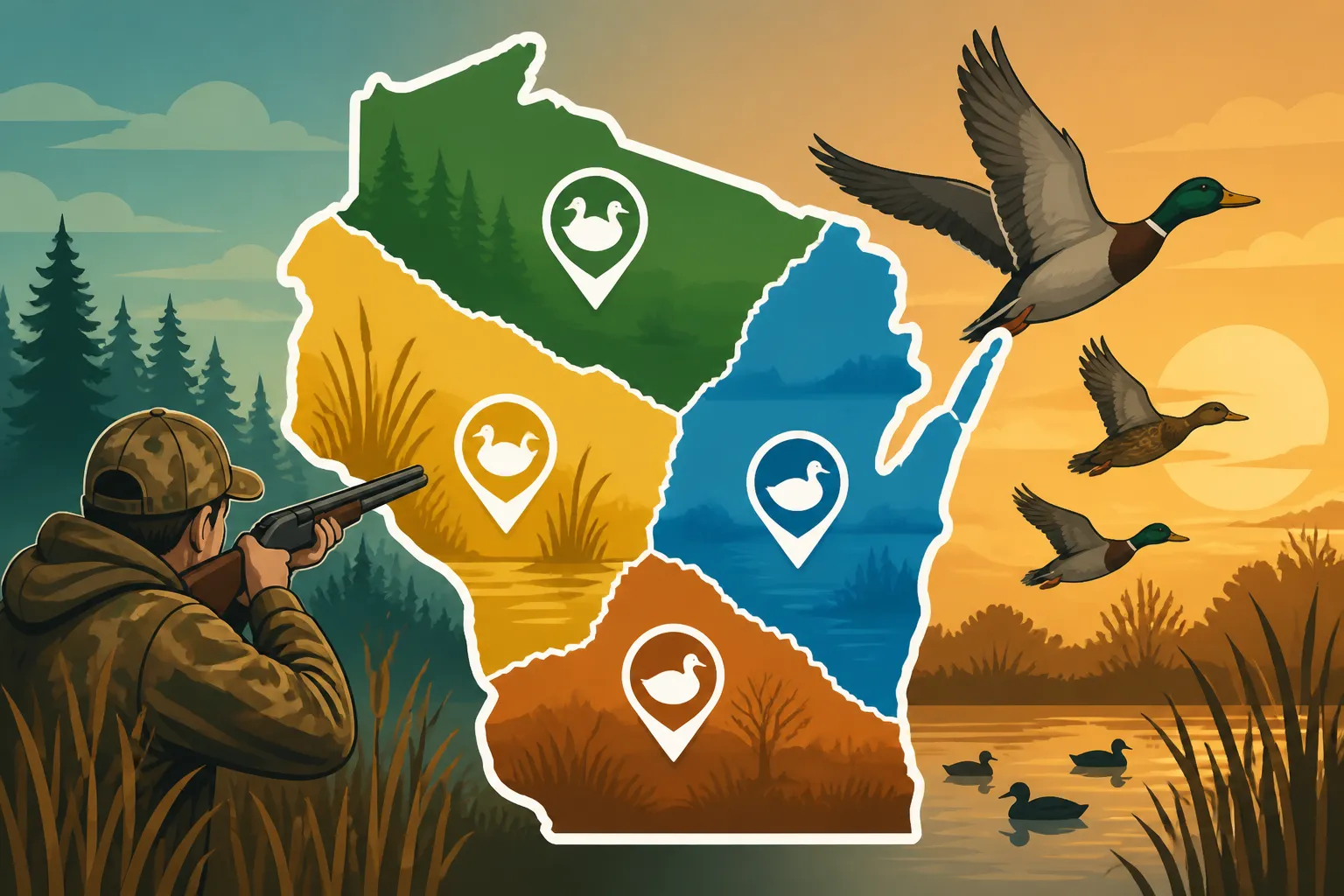
Wisconsin's waterfowl landscape is segmented into distinct zones, each with its own character, boundaries, and most importantly, specific season dates and regulations. Knowing precisely where you are on the map is paramount to a legal and productive hunt.
The Northern Zone: Early Birds Get the Worm
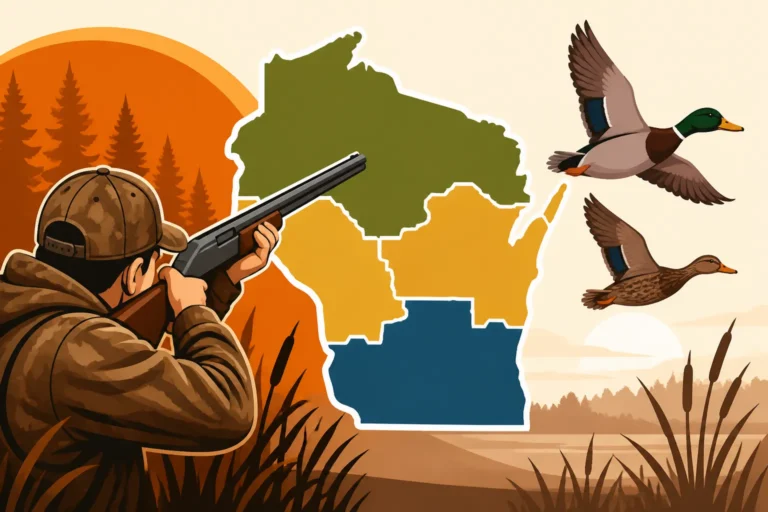
The Northern Zone generally encompasses the vast, wild stretches of Wisconsin's Northwoods, roughly defined as the area north of a line formed by Highway 64. This includes iconic northern counties like Douglas, Bayfield, Sawyer, Price, and Marinette, extending east to the Door Peninsula. If you're hunting within these geographical bounds, you're in the Northern Zone.
Habitat here is a mix of sprawling coniferous and hardwood forests interspersed with countless small lakes, flowages, beaver ponds, and slow-moving rivers. Think about the quiet waters of the Chequamegon-Nicolet National Forest, or the many small, unnamed potholes that dot the landscape. These smaller, shallower bodies of water tend to freeze earlier in the fall than their southern counterparts, pushing ducks to move through sooner. Consequently, the duck season in the Northern Zone typically opens earlier than in the Southern Zone, often in late September, and closes earlier. Hunters here often target resident wood ducks, local mallards, and teal during the early weeks, before the main push of northern-bred birds arrives. When those northern flights do come down, they can offer some fantastic hunting, but the window for these birds is often shorter due to impending cold and ice. For those who enjoy a brisk, early fall hunt with less competition on smaller waters, the Northern Zone provides fantastic opportunities. Just remember that the weather can turn quickly up here, so layers are your friend!
The Southern Zone: Later Starts, Lingering Opportunities
South of Highway 64 lies the Southern Zone, covering the majority of Wisconsin's agricultural heartland and populous areas. This includes counties like Columbia, Dane, Dodge, Jefferson, and Fond du Lac, stretching all the way down to the Illinois border and west to the edges of the Mississippi River Zone. This is where you'll find expansive cattail marshes, larger river systems like the Wisconsin River, and countless small water bodies surrounded by corn and soybean fields.
The duck season in the Southern Zone generally starts later than in the North, typically in early October, and also extends later into the fall, often through December. This later timing is strategic, designed to coincide with the main migration of ducks from the northern breeding grounds as they stage and feed in the milder climate and abundant agricultural fields. Hunters in the Southern Zone often target a wider variety of species, including large numbers of mallards, gadwalls, wigeon, and various diving ducks on larger water bodies. The presence of significant waste grain in harvested fields offers critical food sources, drawing in and holding birds for extended periods. This can lead to some truly exceptional field hunting opportunities, especially for Canada geese and mallards. Areas like Horicon Marsh National Wildlife Refuge, a critical staging area for hundreds of thousands of geese and ducks, fall within this zone, offering world-class public land hunting (though often requiring special drawings). While the hunting pressure can be higher in this more populated zone, the sheer volume of birds and longer season make it a perennial favorite for many waterfowl enthusiasts. Understanding when to apply for a Wisconsin Managed Waterfowl Draw can be key to unlocking some prime spots.
The Mississippi River Zone: A Borderland Anomaly
The Mississippi River Zone is a unique beast, a narrow strip of water and adjacent lands along Wisconsin's western border that adheres to specific regulations, often coordinated with neighboring states like Minnesota and Iowa. This zone generally follows the main channel of the Mississippi River, including its backwaters, sloughs, and islands, from the Minnesota border south to the Illinois border. It's a critical flyway for countless species, and its unique ecology demands tailored management.
The specific boundaries of the Mississippi River Zone are defined by the Wisconsin DNR and can sometimes be a bit tricky to pinpoint precisely. Generally, it includes all waters and islands within the ordinary high watermark of the Mississippi River, extending into certain contiguous backwaters and marshes. For example, the Upper Mississippi River National Wildlife and Fish Refuge, a massive expanse managed collaboratively, falls within this zone. Season dates here often differ from both the Northern and Southern Zones, reflecting the unique migratory patterns along this legendary river. Hunters in this zone will experience a diverse array of ducks and geese, with excellent opportunities for mallards, wood ducks, and various divers. Navigation in the vast backwater systems can be challenging, requiring specialized boats and knowledge of the river's ever-changing channels and sandbars. This is definitely a zone where knowing your exact location is crucial, and mapping tools are invaluable. You can find incredible opportunities Hunting Mississippi River Backwaters if you're prepared.
The Lake Michigan Open Water Zone: Big Water, Big Birds
For those hardy souls who brave the vastness of Lake Michigan, there's a specialized "Open Water Zone" dedicated primarily to diver duck hunting. This zone is a legally defined area within Lake Michigan and Green Bay where specific, often later, season dates are set to target migrating diving ducks like scaup, canvasbacks, and goldeneyes. It typically includes waters beyond the established harbor lines or breakwaters, where hunters pursue birds on vast, exposed stretches of open water.
Hunting in the Lake Michigan Open Water Zone is not for the faint of heart. It requires specialized gear, including robust boats, substantial decoy spreads, and an unwavering respect for the unpredictable nature of the Great Lakes. The season here usually opens much later than the other zones, sometimes extending into January, to coincide with the peak migration of diver ducks that utilize these large, deep waters. Bag limits and species restrictions can also be distinct for these late-season hunts. This zone offers a unique challenge and reward for dedicated diver hunters, providing a chance to hunt when other inland waters are frozen solid. For those looking for Diver Hunting on Wisconsin Open Water, this zone is your best bet, but safety on such large bodies of water should always be your number one priority.
Why Knowing Your Zone is Absolutely Critical
It might seem like a minor detail to some, but correctly identifying which duck zone you're in isn't just a suggestion; it's a legal and practical necessity that directly impacts the success and legality of your waterfowl hunt. Getting it wrong can lead to missed opportunities, wasted time, or, even worse, a costly citation.
Season Dates and Bag Limits: The Biggest Impact
The most immediate and significant consequence of the duck zone system lies in the variation of season dates and daily bag limits. Each zone has its own specific opening and closing dates for ducks and sometimes for geese. For instance, if you mistakenly hunt in the Southern Zone on a date when only the Northern Zone is open, you are hunting out of season, which is a serious violation. Similarly, bag limits for certain species, or even the overall duck bag, can sometimes vary slightly between zones, or specific species might have different daily allowances depending on the time of year within a zone. These regulations are published annually by the Wisconsin DNR, and it's your responsibility as a hunter to consult the most current rulebook. There are distinct Wisconsin Duck Season Dates by Zone, and these are updated every year based on federal frameworks and state-specific biological data. Always double-check before heading out!
Species Specificity: Different Zones, Different Primary Targets
While many duck species can be found across all zones, the timing of their peak presence and the dominant species often vary. The Northern Zone's earlier season often means a stronger focus on local wood ducks, teal, and early-arriving mallards. As the season progresses and colder weather drives birds south, the Southern Zone becomes a hub for a wider variety of puddle ducks and divers. The Mississippi River Zone, with its unique habitat, can offer a consistent mix throughout the season, attracting birds using that specific migration corridor. And of course, the Lake Michigan Open Water Zone is almost exclusively about those hardy diver ducks in the late season. Understanding these nuances helps you tailor your hunting strategies, decoy spreads, and calling techniques to the birds most likely to be present in your chosen zone during your hunting period. You'll want to be aware of Wisconsin Mallard and Wood Duck Numbers and how they fluctuate across these different regions.
Planning Your Hunt: Impact on Travel, Scouting, and Gear
Knowing your zone dictates almost every aspect of your hunt planning. It influences when you take time off work, when you conduct your scouting trips, and even what gear you might need. If you plan to hunt the Northern Zone, you'll need to be ready for an earlier opening and potentially colder, icier conditions sooner in the fall. This might mean packing heavier insulated gear, perhaps even an ice chisel if you're pushing the late end of the northern season. Conversely, a Southern Zone hunt allows for a more relaxed start to the duck season but might require more patience for later-arriving migratory birds and potentially warmer early-season temperatures.
Consider also the type of boat you'll need. A small canoe or kayak might suffice for a Northern Zone beaver pond, but you'll certainly want a larger, more stable marsh boat or even a specialized "layout boat" for the exposed waters of Lake Michigan or the vast backwaters of the Mississippi. Even simple things like ensuring you have the correct Wisconsin Waterfowl Stamp Requirements and have completed your Wisconsin HIP Certification for Bird Hunters are essential, regardless of the zone, but the specifics of when you need to ensure these are in place can vary with season start dates.
| Duck Zone | General Location | Typical Season Dates | Primary Habitat Types | Notable Species | Key Considerations |
|---|---|---|---|---|---|
| Northern Zone | North of Highway 64 | Earlier opening, earlier closing | Small lakes, flowages, beaver ponds, forested rivers | Wood Ducks, Teal, Resident Mallards | Early freezes, shorter window for northern birds |
| Southern Zone | South of Highway 64 | Later opening, later closing | Large marshes, agricultural fields, major river systems | Mallards, Gadwalls, Wigeon, Divers, Canada Geese | Longer season, higher pressure, food availability |
| Mississippi River Zone | Waters and lands along the Mississippi River | Unique dates, often interstate coordinated | Backwaters, sloughs, main river channel, islands | Diverse mix of Puddle Ducks and Divers | Complex navigation, specific interstate regulations |
| Lake Michigan Open Water Zone | Designated open water areas of Lake Michigan & Green Bay | Latest opening, often into January | Vast open water, exposed coastline | Scaup, Canvasbacks, Goldeneyes, other Divers | Specialized gear, extreme weather, big water safety |
Essential Tools for Pinpointing Your Duck Zone
In this age of digital mapping and instant information, there's really no excuse to be uncertain about which duck zone you're hunting in. The Wisconsin DNR provides excellent resources, and a few smart tools can make all the difference in precisely locating yourself.
Wisconsin DNR Website: The Ultimate Authority
When in doubt, always go to the source. The Wisconsin Department of Natural Resources (DNR) website is the definitive authority for all hunting regulations, including precise duck zone boundaries and season dates. They publish detailed maps showing the exact demarcation lines, often using major highways or specific geographical features. These maps are updated annually, so it's crucial to check for the most current version before each season. You can usually download printable PDFs or use their interactive mapping tools. The DNR's waterfowl hunting pages will also provide the specific Wisconsin Duck Zone Boundaries that determine where each zone starts and ends. Always take the time to review the official regulations booklet; it’s your best friend for a legal hunt.
Mapping Apps and GPS Devices: Your Digital Compass
For modern hunters, mobile mapping applications like GoHunt or onX Hunt have revolutionized how we navigate and understand public and private land boundaries, and critically, how we can overlay hunting zone maps. These apps often feature layers that clearly show the boundaries of Wisconsin's duck zones, allowing you to see exactly where you stand in relation to the Northern, Southern, or Mississippi River Zones. You can literally be standing in a marsh and confirm your zone with your phone's GPS, ensuring you're compliant with the local regulations.
A dedicated GPS unit or a reliable hunting app on your smartphone can be invaluable, especially when you're hunting in areas where zones meet, or in complex river systems like the Mississippi where lines can seem arbitrary. Many apps allow you to download offline maps, which is critical in remote areas where cell service is spotty or nonexistent. Beyond just zones, these tools can help you track your movements, mark productive spots, and navigate safely, especially when you are Hunting Horicon Marsh Waterfowl or other vast public areas.
Local Knowledge: Asking Around
While technology is fantastic, there's still immense value in local knowledge. Don't be shy about striking up conversations with seasoned local hunters, bait shop owners, or DNR wardens in the area you plan to hunt. They often possess an intimate understanding of specific local nuances or common confusion points regarding zone boundaries. They might share insights into how Duck Migration Timing Through Wisconsin affects local hunting in their particular zone, or even advise on safe access points for Hunting Cattail Marsh for Ducks that straddle a zone line. Just make sure to cross-reference any advice with official DNR resources, as regulations can change, and sometimes old habits or outdated information can persist.
By taking the time to understand Wisconsin's duck zones, you're not just ensuring a legal hunt; you're setting yourself up for a more strategic and ultimately more rewarding waterfowl season. Happy hunting!
Disclaimer
Please remember that hunting regulations, including zone boundaries and season dates, can change. Always consult the most current Wisconsin Department of Natural Resources (DNR) official regulations pamphlet or website before planning and executing your hunt. This guide is for informational purposes only and should not be considered a substitute for official DNR publications.