Wisconsin Duck Season Dates by Zone
Trying to pin down the exact start and end dates for duck hunting in Wisconsin can feel like deciphering a secret code, especially with the state's distinct zones complicating things. It’s frustrating when you just want to know when you can hit the marsh or river, and you're faced with a jumble of dates that seem to change every year. This guide is here to untangle all that, breaking down Wisconsin's duck season dates by zone, explaining why these differences exist, and giving you all the crucial details you need to plan a successful waterfowl hunt.
Understanding Wisconsin's Duck Zones
Wisconsin isn't a one-size-fits-all state when it comes to duck hunting. Due to its diverse geography, migration patterns, and unique habitats, the Wisconsin Department of Natural Resources (DNR) has established specific zones, each with its own set of season dates. This system is designed to provide optimal hunting opportunities while also aligning with the migratory timing of various waterfowl species across different regions of the state.
Why Wisconsin Has Different Duck Zones
The primary reason for different duck zones boils down to geography and the timing of the annual waterfowl migration. Birds migrating down the Mississippi Flyway don't hit all parts of Wisconsin at the same time. The northern reaches of the state experience colder weather and freeze-up earlier than the southern regions. The Mississippi River, being a major migratory corridor, also has its own unique flow of birds and historical hunting traditions. Splitting the state into zones allows the DNR to set season dates that maximize hunting opportunities when birds are present and active, rather than having a uniform season that might be too early for some areas and too late for others. It’s all about trying to hit that sweet spot when the ducks are really moving through your area. This also aligns with the broader framework of Wisconsin Waterfowl Seasons and Zones.
Detailing Each Duck Zone and Its Boundaries
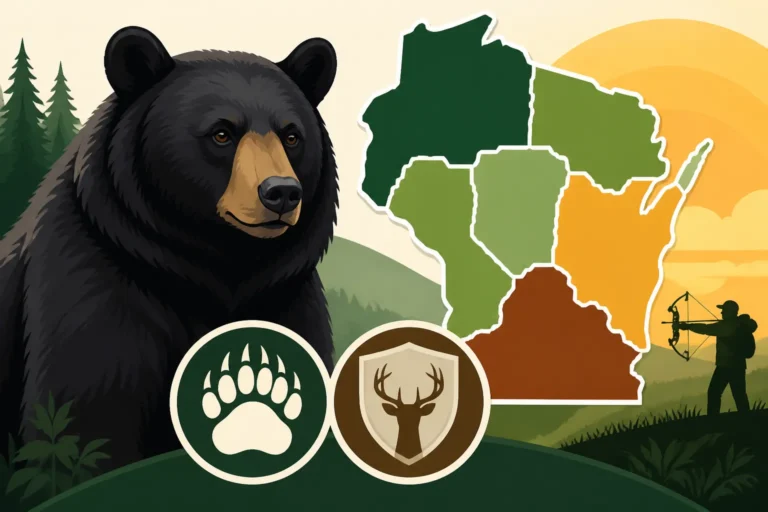
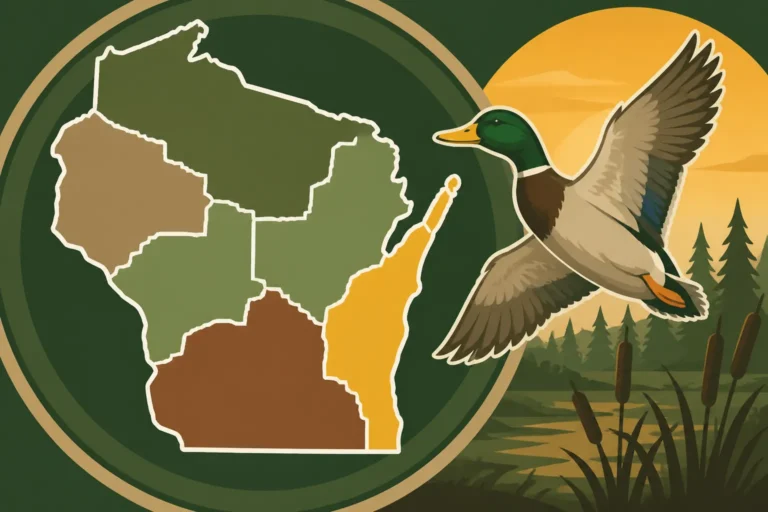
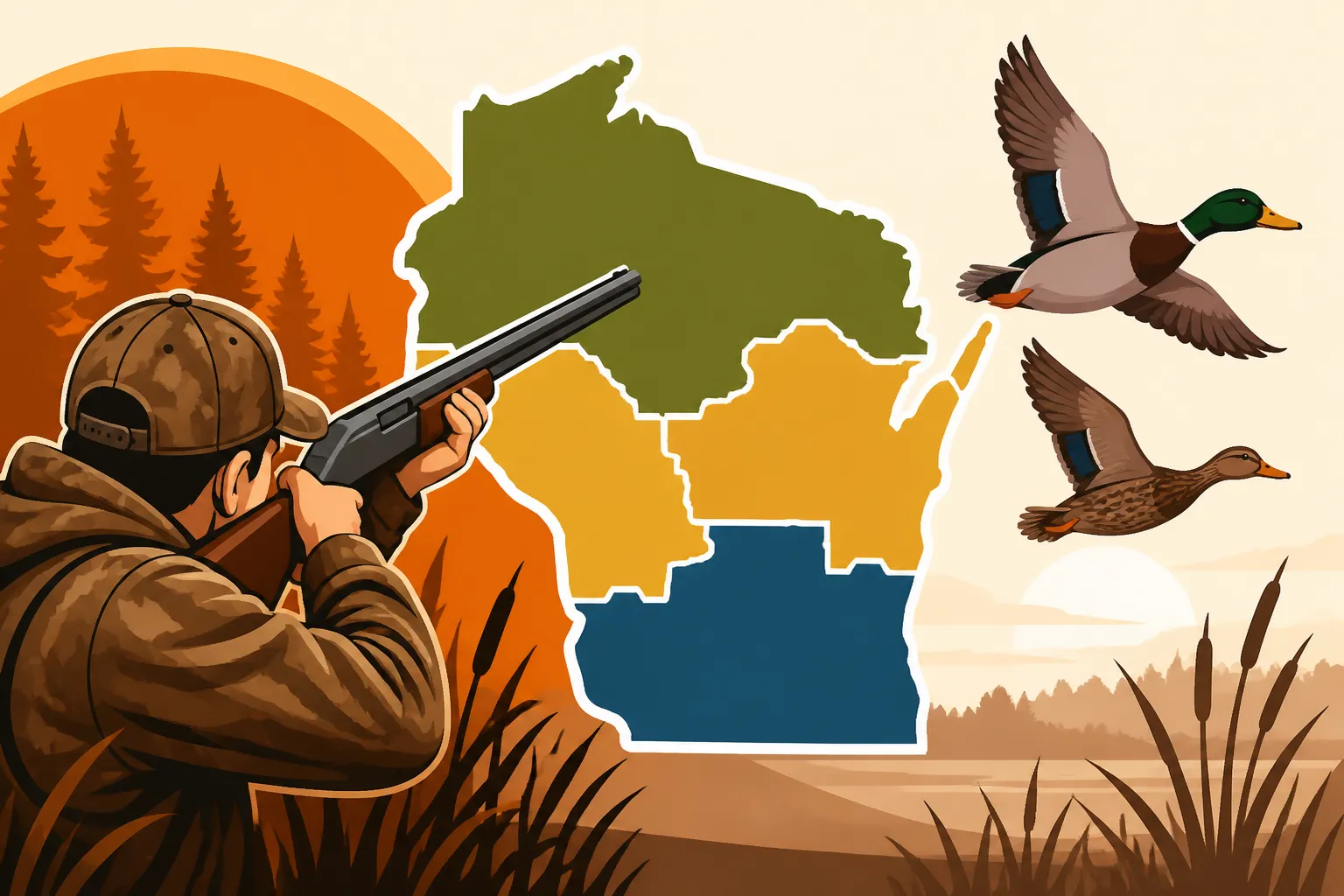
Wisconsin operates with three primary duck zones, each clearly delineated to avoid confusion. Knowing which zone you plan to hunt in is the absolute first step to understanding your season dates. You can usually find detailed maps of Wisconsin Duck Zone Boundaries on the DNR website, and often helpful apps like GoHunt also provide these boundaries as overlays.
- Mississippi River Zone: This zone encompasses a specific corridor along the Mississippi River. It includes the main channel and adjacent sloughs, backwaters, and wetlands within certain boundaries. Specifically, it generally covers areas west of the Burlington Northern Santa Fe railroad tracks that run parallel to the river from the Minnesota border south to the Iowa border. This zone is a special case due to the sheer volume of migratory birds that utilize the river system. It's truly a unique hunting experience, often covered in more detail in guides like Hunting Mississippi River Backwater Sloughs.
- Northern Zone: This zone covers the vast majority of northern Wisconsin, known for its extensive forests, numerous lakes, and earlier onset of colder weather. The general boundary for the Northern Zone runs east from the Minnesota border along U.S. Highway 10 to U.S. Highway 51, then south on U.S. Highway 51 to U.S. Highway 29, then east on U.S. Highway 29 to State Highway 32, then north on State Highway 32 to U.S. Highway 8, and finally east on U.S. Highway 8 to the Michigan border. If you're hunting in places like the Chequamegon-Nicolet National Forest or the countless smaller lakes and flowages up north, you're likely in this zone. The shorter, earlier season here accounts for the earlier freeze-up and the earlier push of ducks south.
- Southern Zone: Encompassing the more populated and agricultural areas of central and southern Wisconsin, this zone typically sees later migration peaks and a prolonged open water period compared to the north. Its northern boundary is essentially the southern boundary of the Northern Zone. This includes popular hunting grounds like Horicon Marsh and the numerous private and public wetlands in the farmlands. Hunters in this zone often have the benefit of a slightly later season, allowing them to capitalize on later migrations, which is critical for areas like Hunting Horicon Marsh Waterfowl.
Navigating the Wisconsin Duck Season Dates
Once you've identified your zone, the next step is to nail down the actual dates. These dates are set annually by the Wisconsin DNR in coordination with federal frameworks, so it's always crucial to check the most current regulations each year. While there are general patterns, specifics can shift slightly.
Key Dates for Each Zone
Understanding the general timing of seasons can help you anticipate when to start scouting and preparing your gear. Remember, these dates are for the regular duck season, excluding early teal or youth hunts, which have their own specific windows.
- Mississippi River Zone: This zone typically opens in late September or early October and runs for a continuous period, usually about 60 days. The season here often starts a bit later than the Northern Zone but earlier than the Southern Zone's main opener, designed to coincide with the significant migration traffic along the river. Historically, you might see an opening around September 28th to October 5th, with the season closing sometime in late November or early December.
- Northern Zone: The Northern Zone usually kicks off earlier than any other part of the state. Expect an opening around mid-to-late September, perhaps the 21st to 28th. The season is generally shorter, reflecting the quicker progression into winter conditions. This early start can be fantastic for local ducks and early migrants before the full northern push descends. The season here might close in mid-November, giving about 60 days of hunting opportunity.
- Southern Zone: The Southern Zone typically has the latest main duck season opener, often in early to mid-October, sometimes even later than the Mississippi River Zone. This allows hunters to target later-arriving ducks and benefit from milder weather. The season in the Southern Zone also usually runs for about 60 days, often extending into early December. This is where you're really trying to hit those large pushes of ducks from further north.
Here’s a general overview of typical season dates. Always check the current Wisconsin DNR regulations for the precise dates of the year you plan to hunt.
| Zone | Typical Season Start | Typical Season End | Season Length (approx.) |
|---|---|---|---|
| Mississippi River | Late September/Early October | Late November/Early December | 60 days |
| Northern | Mid-to-Late September | Mid-November | 60 days |
| Southern | Early to Mid-October | Early December | 60 days |
Important Considerations and Early Seasons
Beyond the general duck seasons, Wisconsin also offers specialized hunts that provide additional opportunities, or have unique rules you need to be aware of.
- Early Teal Season: This is a fantastic opportunity for hunters eager to get out on the water even before the main duck season opens. The Wisconsin Teal Season Dates typically run for about nine days in early September. This hunt is specifically for blue-winged and green-winged teal, with strict bag limits for these species. It's a fast-paced hunt, often requiring specialized tactics as teal are known for their incredibly swift flight.
- Youth Waterfowl Hunt: Wisconsin hosts a special youth waterfowl hunt, usually held a week or two before the regular season openers. This is an incredible opportunity to introduce younger hunters to the sport in a less pressured environment. Specific age requirements and supervision rules apply, so be sure to check the DNR regulations. It’s all about creating positive first experiences in the field.
- General Season Splits: While most zones now feature continuous seasons, in some years or specific management scenarios, a zone might have a split season. This means the season could close for a short period and then reopen. It’s less common for ducks but something to be aware of when reviewing the regulations.
- Verification is Key: I cannot stress this enough: always consult the official Wisconsin DNR Hunting Regulations pamphlet or their website for the most up-to-date and accurate season dates. These are usually released in late summer, well in advance of the fall hunts. Websites like GoHunt often compile this information, but the DNR is the authoritative source. Don't rely on old pamphlets or hearsay!
Beyond the Dates: What Every Duck Hunter Needs to Know
Knowing the season dates is just the beginning. Waterfowl hunting in Wisconsin comes with several other essential requirements and regulations that you must adhere to. Ignoring these can lead to fines, loss of hunting privileges, and just a generally unpleasant experience.
Licensing, Stamps, and HIP Certification
Before you even think about loading up your shotgun and heading to the marsh, you need to make sure your paperwork is in order. It's not just a state hunting license; waterfowl have additional federal requirements.
- Wisconsin Small Game License: This is your foundational license. You'll need a valid Wisconsin small game license to hunt ducks. You can purchase this through the Go Wild system, either online through the DNR website, at authorized vendors, or by phone.
- Wisconsin Waterfowl Stamp: In addition to your small game license, you'll need a state waterfowl stamp. This stamp helps fund wetland restoration and conservation efforts within Wisconsin, directly benefiting the habitats that ducks rely on.
- Federal Duck Stamp: This is a big one. The Federal Migratory Bird Hunting and Conservation Stamp, universally known as the "Federal Duck Stamp," is mandatory for anyone 16 years or older hunting waterfowl in the United States. This stamp is an incredible conservation tool, with 98 cents of every dollar going directly to acquire and protect wetland habitat and purchase conservation easements for the National Wildlife Refuge System. You can often purchase these at post offices, certain sporting goods stores, or online. For more detailed information, check out Wisconsin Federal Duck Stamp Rules.
- Harvest Information Program (HIP) Certification: You also need to be HIP certified. This isn't a physical stamp or separate license, but rather a brief survey about your previous year's migratory bird hunting success (or lack thereof). This data is crucial for federal wildlife agencies to make sound management decisions. It’s free and can be done quickly when you purchase your state licenses. Don't overlook this; it's a federal requirement. Learn more about it at Wisconsin HIP Certification for Bird Hunters.
- GoHunt Platform: Many hunters find platforms like GoHunt invaluable for managing all these requirements. While you'll still process your official licenses and stamps through the Wisconsin Go Wild system, tools like GoHunt can help you keep track of deadlines, understand regulations, and even offer digital copies of your credentials.
Species-Specific Regulations and Bag Limits
It's not enough to just know when you can hunt ducks; you also need to know what you can shoot and how many. Wisconsin Duck Daily Bag Limit regulations are set to manage populations of different species and can be quite specific.
- Overall Daily Bag Limit: There's an overall daily bag limit for ducks, but within that limit, there are often species-specific restrictions. For example, the total duck bag might be six birds, but you can only have two hen mallards, two canvasbacks, one pintail, or three wood ducks.
- Mallards: Mallards are a staple for many duck hunters, but pay close attention to the hen mallard limit. This is often restricted to one or two per day to help protect breeding populations. Identifying hens versus drakes can be tricky in low light or at long distances, so it's best to be conservative.
- Diving Ducks: Species like canvasbacks, redheads, and scaup (bluebills) often have specific limits that differ from puddle ducks. These limits can fluctuate year to year based on population surveys. Knowing the difference between a scaup and a ring-necked duck, for instance, is crucial for staying legal.
- Special Protected Species: Always be aware of any species that might be entirely closed to hunting or have extremely tight restrictions. Trumpeter swans, for example, are protected and should never be mistaken for snow geese or other white birds.
- Possession Limit: Beyond the daily bag limit, there's also a possession limit, which is the total number of birds you can have in your possession after multiple days of hunting. This is typically three times the daily bag limit.
- Keeping Up-to-Date: These species-specific limits are subject to change annually based on population data and federal frameworks. Always review the current year's regulations carefully to avoid violations.
Practical Advice for Planning Your Hunt
Planning a duck hunt involves more than just reading a regulation book. It requires scouting, adaptability, and understanding the nuances of waterfowl behavior in Wisconsin's diverse landscapes.
Scouting and Staying Current
Successfully hunting ducks in Wisconsin hinges on good preparation and an ability to adapt to changing conditions. The ducks aren't always going to be where they were last year, or even last week!
- Pre-Season Scouting is Paramount: Don't just show up on opening day hoping for the best. Long before the season even thinking about Wisconsin Waterfowl Migration Timing, get out there and scout. Use binoculars to locate feeding areas, roosting spots, and travel corridors. Look for fresh sign like droppings, disturbed mud, and feathers. Pay attention to water levels and vegetation growth. What might have been a prime spot last year could be dry this year, or overgrown. Scouting in areas like Hunting Cattail Marsh for Ducks will require understanding water depths and access points.
- Utilize Technology: Tools like Google Earth, Scouting With the Wisconsin Hunt Wild App, and private land apps like GoHunt can be invaluable for identifying potential hunting spots, understanding property boundaries, and pinpointing remote access points. Aerial photos can reveal hidden potholes, sheet water, and timber holes that aren't obvious from the road. GoHunt, for instance, often integrates public land maps with real-time weather and even anecdotal reports, giving you an edge.
- Monitor Weather and Water Levels: Duck hunting success is heavily influenced by weather fronts and water conditions. A cold front pushing down from the north can bring new flights of ducks. Rising or falling water levels can change access to prime feeding areas. Keep an eye on local forecasts and river gauges, especially if you're hunting river systems or large flowages.
- Understand Pressure: Public hunting lands, especially popular ones, can see a lot of pressure, particularly on opening weekend. Ducks quickly learn to avoid areas where they're constantly harassed. Consider hunting during weekdays or exploring harder-to-reach areas that might see less foot traffic. This also plays into strategies discussed in Hunting Pressure on Wisconsin Public Land.
- Gear Up Appropriately: The type of gear you need will depend heavily on where you're hunting. If you're slogging through a cattail marsh, Waders for Wisconsin Marsh Hunting are essential. If you're targeting divers on open water, specialized decoys and a stable boat are key. And don't forget to stock up on Waterfowl Loads for Wisconsin Divers or whatever is appropriate for your target and location.
By understanding the zones, staying current with regulations, and putting in the effort to scout and adapt, you'll be well on your way to enjoying some fantastic duck hunting opportunities across Wisconsin.
Disclaimer
Please be aware that hunting regulations, including season dates, bag limits, and licensing requirements, are subject to change by the Wisconsin Department of Natural Resources (DNR) and federal agencies. This guide is intended for informational purposes only and should not be considered the definitive source for current regulations. Always consult the official Wisconsin DNR hunting regulations pamphlet or their website (dnr.wi.gov) for the most up-to-date and legally binding information before participating in any hunting activity. Failure to do so could result in fines or other penalties.