Hunting a Wisconsin Managed Waterfowl Draw
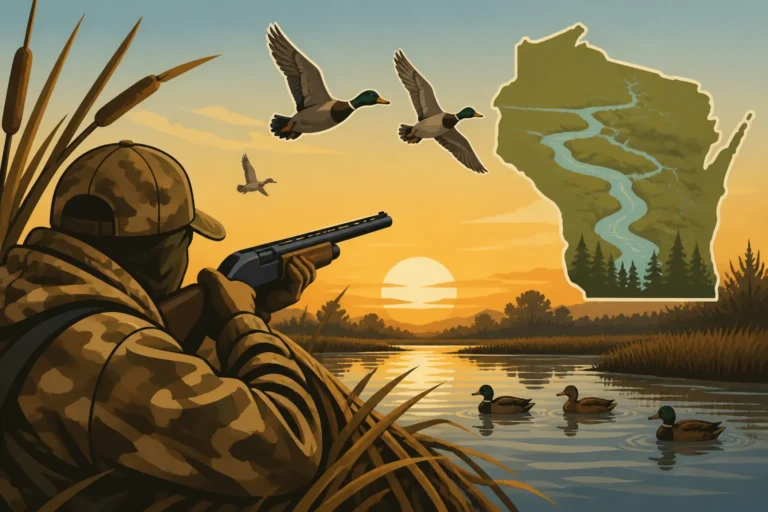
One of the most frustrating things for any Wisconsin waterfowl hunter is finding quality public land that isn't absolutely hammered with pressure. You scout, you watch the birds, you find a spot, only to show up opening morning and find a dozen other hunters with the same brilliant idea. It can be disheartening, to say the least. That's where Wisconsin's managed waterfowl draws come into play, offering a unique opportunity to access some of the state's prime wetlands with controlled pressure, and this guide is here to walk you through navigating these special hunts for a better chance at success.
Understanding Wisconsin's Managed Waterfowl Draws
Wisconsin's Department of Natural Resources (DNR) manages several premier waterfowl areas through a draw system. This isn't just about limiting hunter numbers; it's about providing a higher quality hunting experience by distributing pressure, allowing birds to rest, and sometimes even funneling them into specific areas. If you've ever dreamed of a truly epic duck or goose hunt on public land without the maddening crowds, these managed draws are your ticket.
What Makes Managed Areas Different
Unlike general public hunting lands, managed waterfowl areas operate under a specific set of rules and often feature unique infrastructure designed to enhance both the hunting and the habitat. Think about iconic places like Horicon Marsh, Crex Meadows, or Meadow Valley Wildlife Area. These aren't just patches of cattails; they are complex ecosystems meticulously cared for, often with impoundments, dikes, and managed water levels specifically for waterfowl. The draw system ensures that only a certain number of hunting parties are allowed in designated zones on any given day. This drastically reduces the competition you typically face, meaning fewer boats racing to the same pothole and more undisturbed birds for those who draw a tag. It's a system designed to give everyone a fair shake at a quality experience, which, let's be honest, is a breath of fresh air after battling crowds elsewhere.
Identifying Key Managed Waterfowl Properties
Wisconsin boasts several standout managed waterfowl properties, each with its own character and species focus. Knowing which ones offer draws and what to expect from them is crucial for planning your season.
- Horicon Marsh State Wildlife Area: This place is legendary for good reason. As a vital staging ground on the Mississippi Flyway, it holds an incredible number of Canada geese and various duck species. Its managed goose hunting zones are highly sought after.
- Crex Meadows Wildlife Area: Located in Burnett County, Crex is known for its extensive flowages and diverse wetland habitats, attracting a wide array of puddle and diving ducks, as well as sandhill cranes. It offers various controlled hunts.
- Meadow Valley Wildlife Area: Situated in Juneau County, this area features vast wetlands and scattered timber, making it attractive to ducks and sometimes geese. Its remoteness can offer a unique experience.
- Grand River Marsh Wildlife Area: Another strong contender, Grand River Marsh in Marquette County, is a prime spot for ducks and geese, particularly later in the season.
- White River Marsh State Wildlife Area: Found in Green Lake County, White River Marsh offers excellent opportunities, especially for ducks, and often has controlled access.
Each of these areas might have different draw structures, whether it's a seasonal application for specific blind sites or daily drawings for entry. Researching the specific regulations for the area you're interested in is paramount. You can usually find detailed maps and rules on the DNR's website, often broken down by specific unit or section. This homework is essential before you even think about applying.
Applying for a Managed Waterfowl Draw: The Process
Getting into one of Wisconsin's managed waterfowl draws can feel a bit like winning the lottery, especially for highly popular dates or locations. However, understanding the application process, knowing the deadlines, and making strategic choices can significantly increase your chances of experiencing one of these coveted hunts. It all starts with the Go Wild licensing system.
Navigating the Go Wild Application System
The Go Wild system is your central hub for all things licensing and applications in Wisconsin. When it comes to managed waterfowl draws, you'll need to navigate this platform carefully. Usually, these applications open well in advance of the season, often in late summer or early fall. Don't drag your feet! Missing an application deadline means missing out on the entire opportunity for that season.
First, ensure your customer account details are up-to-date on Go Wild. Then, look for the specific draw opportunities under the "Apply for a Permit" or "Draw Applications" section. Each draw will have its own application period and associated fees. It's not uncommon for hunters to apply for multiple different managed hunts across various properties to maximize their odds. Keep in mind that some draws might allow you to apply as a party, which means you and your hunting buddies can link your applications. This is a great way to ensure that if one of you draws, the whole crew gets to go! Remember, even if you secure a spot through a draw, you'll still need your federal duck stamp and your Wisconsin HIP Certification for Bird Hunters to be legal.
When applying, pay close attention to details like specific dates, zones, or blind numbers if those options are presented. Some areas might have blinds that are known producers, and if you have the option to pick, a little bit of scouting or local knowledge can go a long way. Services like GoHunt can be invaluable here, providing aerial imagery and public land boundary overlays that help you visualize potential hunting spots even before you apply.
Understanding Preference Points and Lottery Systems
Not all managed draws are created equal. Some operate as pure lotteries, where every applicant has an equal chance regardless of prior attempts. Others, however, incorporate a preference point system, designed to reward hunters who have been unsuccessful in previous draws.
For example, bear hunting in Wisconsin famously uses a preference point system, but some waterfowl draws might have similar mechanisms. If a preference point system is in place, every year you apply for a draw and don't get selected, you earn a point. The more points you accumulate, the better your chances become in subsequent years. This system is designed to eventually get everyone a turn, even for highly desired hunts. It’s important to understand if the specific draw you're applying for uses points and how they accrue and are used. Knowing this can help you strategize. Do you apply every year for the same high-demand hunt, patiently building points? Or do you try for different, perhaps less competitive draws each season? It's a personal choice, but understanding the system is key.
If you don't draw a tag, all is not lost! Many managed areas also offer "leftover" opportunities or daily stand-by draws. For instance, some state-managed areas might have a limited number of blinds available on a first-come, first-served basis each morning, or through a lottery conducted on-site just before shooting hours. This can be a great backup plan, but it often requires showing up extremely early and hoping for a bit of luck. Always check the specific area's rules for these last-minute chances, as they can vary greatly.
Tactics for Hunting a Managed Draw
Congratulations, you drew a coveted spot! Now the real work begins. Hunting a managed waterfowl draw requires a blend of preparation, strategic thinking, and adaptability. Even though hunter numbers are controlled, the birds are still wild and wary, and success often comes down to how well you execute your plan.
Pre-Hunt Scouting and Preparation
Just because it's a managed area doesn't mean you can skip scouting. In fact, it's even more crucial. You've secured exclusive access to a specific area or blind for a day – make the most of it! If possible, scout the general area (or your specific blind location if it's predetermined) in the days leading up to your hunt. Look for current bird activity, identify preferred feeding or loafing areas, and note potential flight paths.
Understanding the water levels is also critical. What looked like a perfect spread location on an aerial map might be too shallow or too deep on the actual day. The Wisconsin Hunt Wild App or tools like GoHunt are indispensable for this kind of reconnaissance, allowing you to examine topography, identify potential bottlenecks, and mark key features. Pay attention to wind direction forecasts, as this will heavily influence how birds approach your setup.
Beyond scouting, ensure your gear is in top shape. Are your decoys clean and rigged properly? Is your calls tuned? Is your shotgun patterned for your chosen loads? Remember, Waterfowl Gear for Wisconsin Marsh and River can include everything from sturdy waders and warm layers to a reliable marsh boat and push pole. Check your Wisconsin Duck Daily Bag Limit and species-specific regulations to ensure you're compliant. Don't forget your non-toxic shot; it's almost universally required in managed waterfowl areas.
Decoy Spreads and Calling Strategies
Once you're in your designated area, your decoy spread and calling strategy are your primary tools for enticing birds. The key here is to make your spread look as natural and inviting as possible.
- Puddle Ducks: For mallards, wood ducks, and other dabblers, a relaxed, feeding spread often works best. Think about "J" hooks or loose groups with some open water in front for birds to land. Place a few motion decoys, like spinning wings or jerk strings, to add realism. If you're hunting shallow water in a cattail marsh, focus on creating pockets where ducks would naturally feel safe to land.
- Diver Ducks: If you're targeting divers on larger water, like canvasbacks or bluebills, a more linear or "V" shaped spread might be effective, mimicking a flock moving across the water. Decoys should be spread out to cover more area.
- Geese: For Canada geese, a family group approach is often successful. Keep your goose decoys relatively close together, perhaps with a few sentinels standing guard. Consider adding a few shell decoys to increase numbers without adding too much bulk.
Calling should complement your spread. Start with softer calls and escalate only if birds aren't responding. A good repertoire of quacks, feed chuckles, and greeting calls for ducks, or honks, clucks, and murmurs for geese, will serve you well. Observe how real birds are acting and try to mimic their cadence. In managed areas, birds might be a bit more call-shy due to pressure, so sometimes less is more. For specific species, like if you're Hunting Cattail Marsh for Ducks you might focus on mallard and teal calls, while on larger impoundments, you might lean more into diver calls.
Adapting to Conditions and Managing Expectations
The weather and bird movements are constantly changing, and successful hunters are those who can adapt on the fly. A bluebird day with no wind might require a vastly different approach than a blustery, overcast morning.
- Wind: Wind is your friend in waterfowl hunting. It adds movement to your decoys and dictates how birds will land. Always try to set up with the wind at your back, so incoming birds land directly into your spread, offering a clean shot. If the wind shifts, be prepared to adjust your spread or even relocate if possible and allowed within your zone.
- Light: Early morning often means low light. Have your gear ready and your calls practiced. As the sun rises, birds might get warier.
- Bird Activity: Sometimes, despite your best efforts, the birds just aren't flying, or they're not interested in your particular spot. Don't get discouraged. This is where patience comes in. Instead of over-calling or making frantic adjustments, sometimes sitting quietly and observing is the best strategy. Birds often move in waves, and a lull might just be the calm before a flurry of activity.
Remember, a managed draw guarantees you a spot, not a limit. Go in with a positive attitude, enjoy the unique opportunity, and savor the experience of hunting less-pressured public land. Even on slow days, being out in Wisconsin's beautiful wetlands is a reward in itself.
Key Considerations and Rules for Success
Hunting within a managed waterfowl draw system means adhering to specific rules and exhibiting responsible behavior. These regulations are in place to ensure fair chase, hunter safety, and the long-term health of the waterfowl resource. Knowing and respecting them is critical.
Specific Regulations for Managed Areas
Each managed waterfowl property will have its own detailed set of rules, often posted online or at the check station. It's your responsibility to know them inside and out.
- Non-Toxic Shot: This is standard. Across virtually all managed waterfowl areas in Wisconsin, and really all waterfowl hunting, only non-toxic shot (steel, bismuth, tungsten-iron, etc.) is allowed. Lead shot is prohibited to protect waterfowl from poisoning. Make sure your shells are compliant.
- Shooting Hours: Adhere strictly to legal shooting hours. These are often posted at the check station and are usually half-hour before sunrise to sunset. Being too early or too late can result in fines and loss of hunting privileges.
- Blind and Zone Restrictions: You'll be assigned a specific blind or hunting zone. Do not stray from your designated area. Respecting these boundaries is crucial for maintaining a quality experience for all hunters and preventing conflicts. Some areas, particularly those like Horicon Marsh, might have very strict rules about blind occupancy and boat usage. If your draw allows you to use your own boat, remember that Marsh Boats and Push Poles are often essential for navigating shallow, vegetated waters.
- Decoy Limits: Some areas might have limits on the number of decoys you can deploy. Check the rules before you haul a massive spread out there.
- Access and Entry/Exit Points: Managed areas often have specific entry and exit procedures, and designated access points. Following these rules ensures safety and prevents disruption to other hunters. For example, some might require you to check in and out, or arrive by a certain time.
Being prepared with your Waterfowl Loads for Wisconsin Divers or puddle ducks and understanding these rules before you go will prevent any unwelcome surprises or legal troubles.
Ethical Hunting and Working with Other Hunters
Ethical conduct is the cornerstone of responsible hunting, and it's particularly important in managed areas where hunters are in closer proximity.
- Bird Retrieval: Always make every effort to retrieve downed birds. This is not just ethical; it's a legal requirement. If a bird falls across a boundary into another hunting party's zone, communicate politely with them to coordinate retrieval. Never trespass without permission.
- Sky-Busting: Resist the urge to "sky-bust" – shooting at birds that are out of effective range. This only spooks birds for everyone and rarely results in a clean kill. Wait for birds to commit and be within a responsible shooting distance. This is where patterning your shotgun with your chosen shotgun gauge and load becomes critical.
- Respectful Communication: If you encounter other hunters, be courteous. A simple wave or nod goes a long way. If there's an issue, approach it calmly and respectfully. Remember, you're all there to enjoy the outdoors.
- Trash No-Go: Pack out everything you pack in, and then some. Leave no trace of your presence. This includes spent shell casings, food wrappers, and any broken gear. Preserving these special places is everyone's responsibility.
Hunting a managed waterfowl draw is a fantastic opportunity to experience some of Wisconsin's best duck and goose hunting. By understanding the application process, preparing thoroughly, and hunting ethically, you're setting yourself up for a memorable and successful experience. Don't forget that your Wisconsin Federal Duck Stamp Rules and Wisconsin HIP Certification for Bird Hunters are mandatory for all migratory bird hunting in the state, so make sure they're in order before you head out.
Disclaimer
Please note: Hunting regulations and seasons can change. Always consult the most current Wisconsin DNR regulations and guides before planning any hunting trip. This article is for informational purposes only and does not supersede official state regulations.