How Many Wisconsin Elk Tags Are Issued
It’s a feeling many Wisconsin hunters know all too well: the anticipation, the dreaming, and then often, the quiet disappointment of not drawing that coveted elk tag. Getting one of these authorizations can feel like winning the lottery, and for good reason—they are incredibly rare. If you're wondering just how many Wisconsin elk tags are issued each year and what your chances truly look like, you've come to the right place. This guide will meticulously break down the numbers, the process, and what it really takes to pursue elk in the Badger State.
The Allure of Wisconsin Elk Hunting
For many of us who grew up chasing whitetails in the hardwoods and ag fields, the idea of elk hunting felt like something reserved for the mountains out West. Yet, here in Wisconsin, thanks to dedicated conservation efforts, we have a burgeoning elk population. This return of a majestic animal to our landscapes has ignited a deep passion in hunters, transforming a once distant dream into a tangible, albeit extremely challenging, local pursuit.
A Dream Hunt in the Badger State
The reintroduction of elk to Wisconsin is a true conservation success story, starting in 1995 with the release of 25 elk near Clam Lake. This initial herd, along with a subsequent reintroduction in the Black River Falls area in 2015, has seen steady growth. Now, the opportunity to hunt an animal of this caliber, in our own backyard, is an incredible draw. Hunters dream of the deep timber, the crisp mornings, and the sheer challenge of pursuing an animal that demands so much more than a typical deer hunt. It’s a hunt that promises a truly wild experience, pushing your woodcraft and physical limits in ways other hunts might not. If you're interested in the journey, you can read more about How Elk Returned to Wisconsin.
Understanding the Limited Opportunity
Unlike deer hunting, where tags are generally abundant, elk hunting is a highly restricted endeavor. This scarcity isn't arbitrary; it's a critical part of the Wisconsin Department of Natural Resources (DNR) strategy to ensure the long-term health and growth of the herd. The limited number of tags ensures that the harvest remains sustainable, allowing the population to continue expanding and thriving across its range. This means that while the dream is alive, the reality is that very few hunters will actually get to experience it each year. The competition is fierce, and patience is more than a virtue—it's a necessity.
Wisconsin's Elk Management Philosophy
The existence of huntable elk herds in Wisconsin today is a testament to careful planning and a deep commitment to wildlife management. The DNR doesn't just randomly decide how many tags to issue; every decision is rooted in a comprehensive strategy designed to protect and grow the elk population while providing limited, high-quality hunting opportunities.
Balancing Herd Growth and Hunter Opportunity
The primary goal of Wisconsin's elk management program is to maintain healthy, self-sustaining elk herds that contribute to the state's biodiversity and provide viewing and hunting opportunities. This involves a delicate balancing act. On one hand, the DNR wants to see the herds expand, ideally into new suitable habitats. On the other, they recognize the immense public interest in hunting these magnificent animals. Therefore, harvest quotas are set conservatively, prioritizing the long-term health of the herd above maximizing hunter opportunity in any given year. This ensures that the population can continue to grow, making future hunting seasons viable. Decisions also take into account factors like habitat capacity and potential conflicts with agriculture.
The Role of Science in Tag Allocation
Tag numbers aren't pulled out of a hat. They are the result of rigorous scientific assessment. Each year, the DNR conducts extensive aerial surveys, ground observations, and health monitoring of the elk herds. They track population demographics, birth rates, survival rates, and overall health. This data is then fed into complex population models that project future herd sizes. For example, if a severe winter impacts calf survival, or a disease outbreak is detected, the tag numbers might be adjusted downwards to compensate. Similarly, if the herd is thriving and exceeding population goals in certain areas, there might be a slight increase in tags. This data-driven approach, often involving collaboration with organizations and experts, forms the bedrock of every tag allocation decision. The goal is always to ensure that the hunt is a sustainable tool, not a detriment to the recovering herd.
The Specifics of Tag Allocation: How Many Are Issued?
Now, for the question on everyone's mind: just how many of those precious Wisconsin elk tags are actually issued? The answer, like many things in wildlife management, isn't always a static number. It fluctuates, but we can give you a pretty clear picture based on recent years.
Annual Tag Quotas and Variability
The number of elk tags issued in Wisconsin is determined annually by the DNR, following recommendations from biologists and input from the public. This number is not fixed; it can vary from year to year based on the factors we discussed earlier, such as herd health, population growth, and specific management goals for each of the state's elk zones.
Historically, since the first modern elk hunt in 2018, the number of public elk tags has ranged from a handful up to around a dozen or so. For instance, in the 2023 season, the Wisconsin DNR issued a total of 19 elk tags. Of these, 9 tags were designated for the public draw (7 bull tags and 2 antlerless tags), while 10 tags were allocated to the state's Ojibwe tribes, fulfilling treaty rights. This split is typical. In previous years, the public tags might have been around 7-10 as well. This tiny pool of available tags for thousands of applicants is precisely what makes drawing one such a monumental achievement. For detailed insights into the hunt, you might want to review When the Wisconsin Elk Hunts Run.
Breakdown by Elk Zone
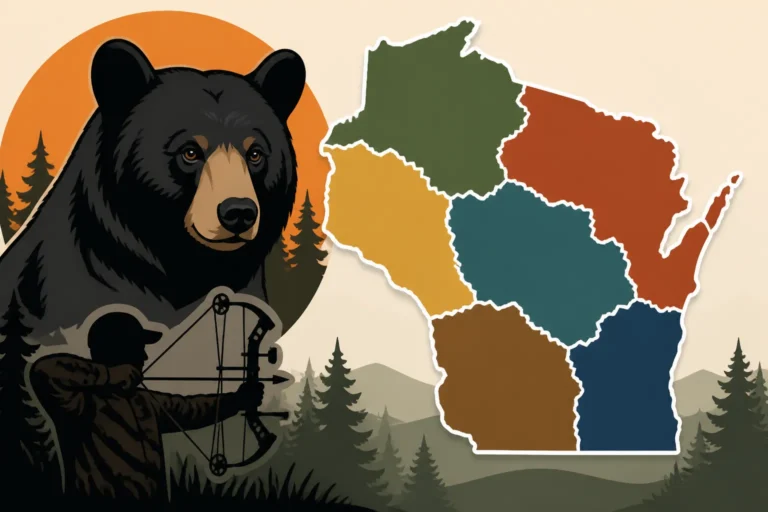
Wisconsin currently manages two primary elk zones: the Clam Lake Zone in the northern part of the state and the Black River Falls Zone in west-central Wisconsin. The allocation of tags is typically split between these zones, reflecting their respective herd sizes and management objectives.
- Clam Lake Zone: This is Wisconsin's original and larger elk herd, centered around the Chequamegon-Nicolet National Forest. Consequently, this zone usually receives the majority of the public elk tags. Hunters drawn for this zone often find themselves in sprawling timber, experiencing a true wilderness hunt.
- Black River Falls Zone: This herd, reintroduced later, is still growing but has also seen successful hunts. Fewer tags are typically allocated to this zone compared to Clam Lake, but it offers a different hunting experience, often in more mixed forest and agricultural landscapes.
The exact number of tags for each zone, and whether they are bull or antlerless, will be specified by the DNR annually. Hunters apply for a specific zone and type of tag, so understanding the distribution is key. You can find more details on these areas by looking into Wisconsin Elk Hunt Zone Boundaries.
Public vs. Tribal Tags
It's important to understand that the total elk harvest quota is divided into two main categories: those available to the general public through the application draw and those allocated to the Wisconsin Ojibwe tribes. This allocation to tribal nations is a requirement under treaty rights, ensuring that indigenous communities have the opportunity to exercise their traditional hunting practices.
For example, if the total state quota is 19 elk, it might be split with 9 public tags and 10 tribal tags, as seen in 2023. This is a consistent aspect of Wisconsin's elk management framework. The public draw, therefore, competes for only a portion of the overall available harvest, further emphasizing the limited nature of the opportunity.
Navigating the Wisconsin Elk Application Process
So, you understand how few tags are available. Now, how do you even get your name in the hat? The application process, while straightforward, is steeped in a preference point system that demands patience and persistence.
Applying Through the Go Wild System
The official portal for applying for a Wisconsin elk tag is the DNR's "Go Wild" license system. This online platform is where all hunting, fishing, and trapping licenses and permits are managed. To apply for an elk tag, you'll need to purchase an elk application. The application period typically opens in spring (often March or May) and runs for a few months. It's crucial to mark these dates on your calendar, as missing the window means missing a year of building preference points and a chance at a tag. Many hunters use resources like GoHunt to stay on top of application deadlines and draw odds for various states, including Wisconsin, making sure they never miss an opportunity to apply. Remember, even if you just want to accrue a point, you still need to apply annually. You can learn more about this system in our guide on The Wisconsin Go Wild Licence System.
Understanding Preference Points
Wisconsin employs a preference point system for its elk draw, much like it does for bear tags (as detailed in Wisconsin Bear Preference Points and Zones). For every year you apply for an elk tag and are unsuccessful, you earn a preference point. The more preference points you accumulate, the better your chances are in subsequent drawings. This system is designed to reward loyalty and persistence, theoretically giving long-time applicants a better shot.
However, it's not a guarantee. The draw is still a lottery, even with maximum points. While those with more points have better odds, a hunter with zero points can still draw a tag. It's just far less likely. It takes years, often more than a decade, to build up a significant number of points for elk, making this a true long-term commitment. Don't be discouraged, but also be realistic about the timeline.
The Cost and Chances
Applying for a Wisconsin elk tag usually involves a modest application fee. For residents, this fee has typically been around $10. While seemingly small, it adds up over years of applying. The actual elk hunting license, if you are lucky enough to draw, will be a much more substantial cost, often in the hundreds of dollars.
When it comes to your chances, let's be blunt: they are incredibly slim. With only a handful of public tags available each year for thousands of applicants, the draw odds are often less than 1%. Even with a significant number of preference points, you are still facing long odds. For example, if there are 9 public tags and 20,000 applicants, your odds are literally 9 in 20,000. That's why consistent application and patience are paramount. Organizations like GoHunt often publish state draw odds, which can give you a clearer statistical picture of your chances based on point levels. It's a game of patience and perseverance, but for many, the dream is worth the yearly investment. If you're wondering about other license costs, check out Wisconsin Hunting Licences and What They Cost.
After the Draw: What to Do If You're Successful (or Not!)
The moment of the draw is a whirlwind of emotion. Whether you're celebrating a monumental win or facing another year of waiting, there are always next steps to consider.
Preparing for a Once-in-a-Lifetime Hunt
If you are one of the fortunate few to draw a Wisconsin elk tag, congratulations! This is truly a once-in-a-lifetime opportunity. Your preparation should begin immediately.
- Scouting: The most critical step is scouting, and it needs to be extensive. Get to know your chosen zone intimately. This might involve multiple trips to the Wisconsin Elk Range Public Land during different seasons. Use aerial maps, topographical maps, and tools like GoHunt's mapping features to identify potential elk habitat, bedding areas, travel corridors, and water sources. Scouting should be a blend of digital research and boots-on-the-ground exploration. Our guide on Scouting Wisconsin Public Land Before Season offers excellent strategies applicable to elk.
- Physical Conditioning: Elk hunting, even in Wisconsin's Northwoods or the Black River State Forest, is physically demanding. You'll likely be covering many miles over rugged terrain. Start a fitness regimen focusing on endurance, strength, and hiking with a weighted pack.
- Gear Check: Ensure your rifle is sighted in and capable of ethical shots at various ranges. Review your optics, clothing system, and all essential gear. You'll want to be prepared for everything from early season warmth to late season cold and wet conditions.
- Consider a Guide: While certainly an added expense, hiring a local guide who knows the specific elk zone can dramatically increase your chances of success, especially if you're unfamiliar with elk behavior or the terrain. These guides often have years of experience tracking and calling these elusive animals.
Staying Optimistic and Building Points
For the vast majority of applicants, the draw results will bring disappointment. It's natural to feel that way, but don't let it derail your dream.
- Keep Applying: The most important thing is to continue applying every year to build those preference points. Each year you apply, your odds incrementally improve. It's a long game, but consistency is key.
- Engage with Elk Culture: Even if you don't have a tag, you can still immerse yourself in the world of Wisconsin elk. Visit the elk range during non-hunting seasons for Elk Viewing in Wisconsin, especially during the rut to hear the bugles. Attend DNR meetings or follow their updates to stay informed about herd health and management decisions. Learning more about elk will only make you a better hunter when your time finally comes.
Exploring Other Wisconsin Hunting Opportunities
While you wait patiently for that coveted elk tag, Wisconsin offers an abundance of other fantastic hunting opportunities. Don't let the pursuit of elk overshadow the rich traditions available to you every year.
- Deer Hunting: Of course, Wisconsin is a premier destination for white-tailed deer. Whether it's the challenge of Bowhunting Wisconsin's Long Archery Season, the camaraderie of Wisconsin's Nine-Day Gun Deer Season, or the late-season chill of Muzzleloader Deer Hunting in Wisconsin, there are countless ways to enjoy deer hunting. Understanding Wisconsin Deer Seasons and Zones is crucial for planning your annual hunts.
- Turkey Hunting: Spring and fall turkey seasons offer exciting and accessible hunts across much of the state. Learning Spring Turkey Hunting in Wisconsin can be a great way to hone your calling skills and enjoy the woods.
- Small Game and Waterfowl: Don't overlook the joys of pursuing small game like rabbits and squirrels, or the dynamic challenges of Wisconsin Waterfowl Hunting on Marsh and River. These hunts can keep your skills sharp, your freezer full, and provide memorable experiences while you accumulate those elk preference points.
No matter your preferred quarry, Wisconsin's diverse landscapes and abundant wildlife ensure that there's always an adventure waiting, even as you patiently wait for that elk draw.
Recent Wisconsin Elk Tag Allocation (Example)
Here's a snapshot illustrating how elk tags might be allocated in a typical recent season. Please note that these numbers can change annually based on DNR assessments.
| Year | Total Elk Tags Allocated | Public Tags Issued (Total) | Public Bull Tags | Public Antlerless Tags | Tribal Tags Issued | Primary Zones |
|---|---|---|---|---|---|---|
| 2023 | 19 | 9 | 7 | 2 | 10 | Clam Lake, Black River Falls |
| 2022 | 16 | 8 | 6 | 2 | 8 | Clam Lake, Black River Falls |
| 2021 | 15 | 7 | 5 | 2 | 8 | Clam Lake, Black River Falls |
| 2020 | 12 | 5 | 4 | 1 | 7 | Clam Lake, Black River Falls |
This table clearly shows the very limited number of tags available to the public each year, especially for bull elk. It underscores why the preference point system is so critical and why drawing a tag is such a rare event.
Disclaimer
Hunting regulations and season structures are subject to change. Always consult the official Wisconsin Department of Natural Resources (DNR) regulations and publications before planning any hunting activity. This article is intended for informational purposes only and does not supersede official DNR guidance.