Wisconsin Elk Range Public Land
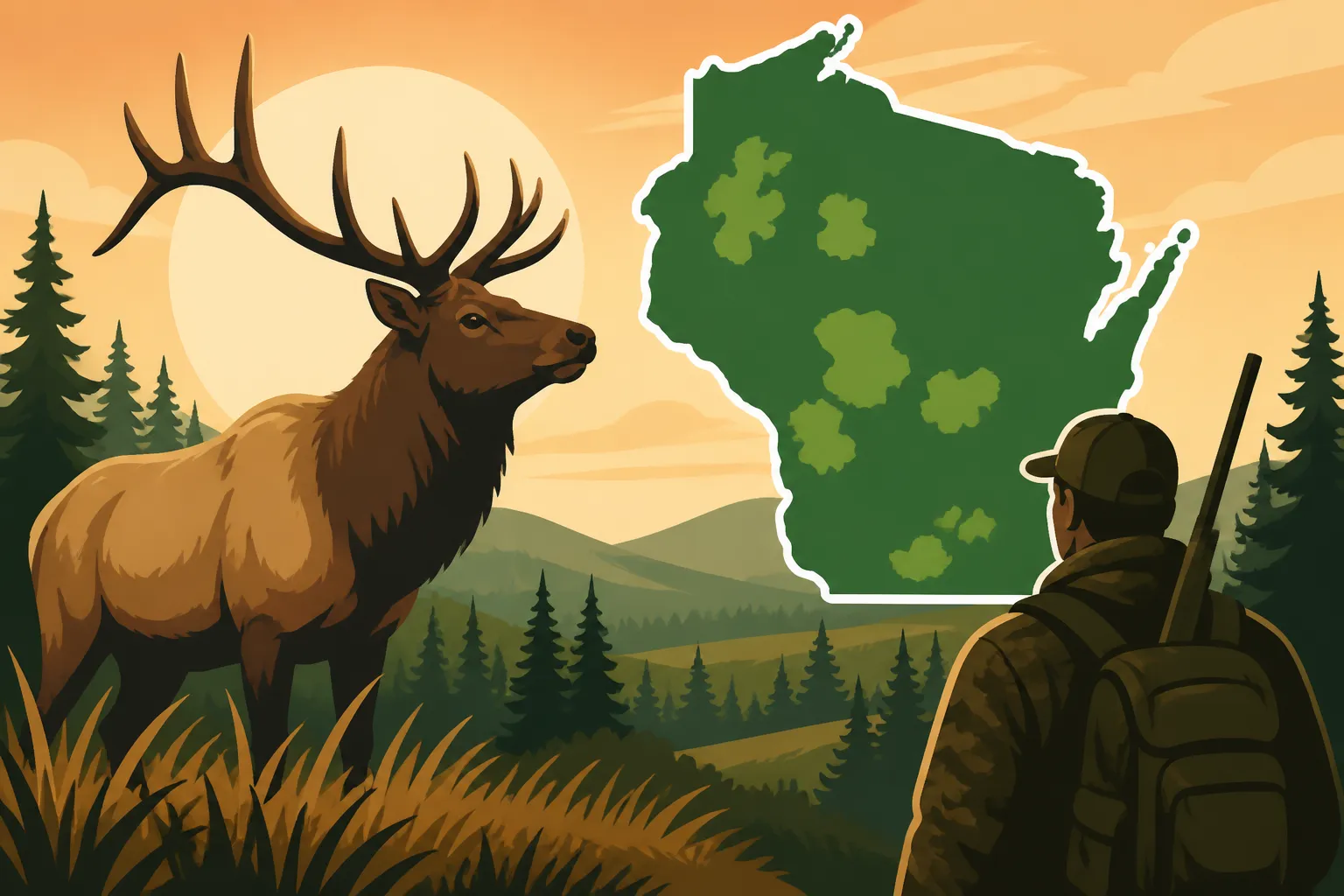
Hunting for elk in Wisconsin is a dream come true for many, a testament to incredible conservation efforts that have brought these magnificent animals back to our state. But with limited permits and a burgeoning population spread across specific zones, figuring out where you can actually hunt if you're lucky enough to draw a tag can feel like searching for a needle in a massive, wild haystack. This guide is here to demystify Wisconsin's elk range public land, helping you understand where these herds roam and how to access the legal hunting grounds within their territories.
Understanding Wisconsin's Elk Herds and Their Habitats
Wisconsin's elk story is one of incredible resilience and dedicated conservation. These majestic animals, once extirpated from the state, have made a remarkable comeback, creating unique hunting opportunities. But to effectively navigate the public land in their range, you first need to understand where they are and why they thrive there.
The Clam Lake Herd and Its Expansion
The Clam Lake elk herd, located primarily in Sawyer, Bayfield, Ashland, and Price counties in northern Wisconsin, represents the initial reintroduction effort. These elk were first brought back in 1995, and since then, their numbers have steadily grown, expanding beyond the immediate vicinity of Clam Lake itself. This area is characterized by vast expanses of the Chequamegon-Nicolet National Forest, along with significant tracts of county forest land. It's a landscape dominated by a mix of mature hardwoods, regenerating aspen cuts, conifer swamps, and small openings.
Hunting here means immersing yourself in big timber country. The elk utilize these diverse habitats for bedding, foraging, and calving. They're often found in areas with good cover, near water sources, and where young forest growth provides ample browse. Access can be a mix of well-maintained forest roads and more remote logging trails, requiring a good understanding of maps and sometimes a willingness to walk. When hunting these parts, understanding Where Northern Forest Bucks Bed can offer valuable insights into general large game movement, as elk often share similar preferences for cover and terrain with deer in these areas.
The Black River Herd's History and Growth
The Black River elk herd, located in central Wisconsin within Jackson County and parts of Clark, Monroe, and Juneau counties, is a newer reintroduction, starting in 2015. This herd has also shown promising growth, bringing elk back to a different ecological region of the state. The habitat here is quite distinct from the northern forests, featuring a mix of the Black River State Forest, extensive county forests, and some private agricultural lands. It's a landscape of pine barrens, oak forests, wetland complexes, and some scattered fields.
The Black River herd utilizes these pine and oak forests, often gravitating towards areas with recent timber management that creates new browse and openings. The vastness of the Black River State Forest and surrounding county lands provides ample room for them to roam. Hunters in this zone might encounter elk in areas of dense pine thickets, along the edges of marshes, or even in regenerated clearcuts. The terrain, while not as dramatic as the northern high hills, can still be rugged with sandy soils and dense undergrowth.
The Unique Challenges of Hunting a Recovering Population
Hunting elk in Wisconsin is not just about finding public land; it's about understanding the nuances of a recovering population. These herds are still relatively small compared to their western counterparts, and their movements can be influenced by factors like population density, habitat availability, and even human activity. With a limited number of tags issued each year through a highly competitive draw, every hunter fortunate enough to draw one carries a significant responsibility.
The challenge lies in scouting effectively in vast, often remote areas where elk might not be concentrated. They have learned to adapt to hunting pressure, often seeking refuge in the densest cover or moving to less accessible areas. Hunters must be prepared for long walks, challenging terrain, and the possibility of long hours without spotting an animal. It's an experience that truly tests a hunter's patience, woodsmanship, and dedication to ethical pursuit. Understanding How Many Elk Wisconsin Has can give you a perspective on just how special and challenging this hunt truly is.
Identifying Public Land Within Wisconsin's Elk Zones
Finding the actual boundaries of huntable public land within the broader elk zones can be daunting. Unlike a simple county line, these zones encompass a mosaic of land ownership types. Knowing how to interpret maps and understand land designations is crucial.
Utilizing Digital Mapping Tools
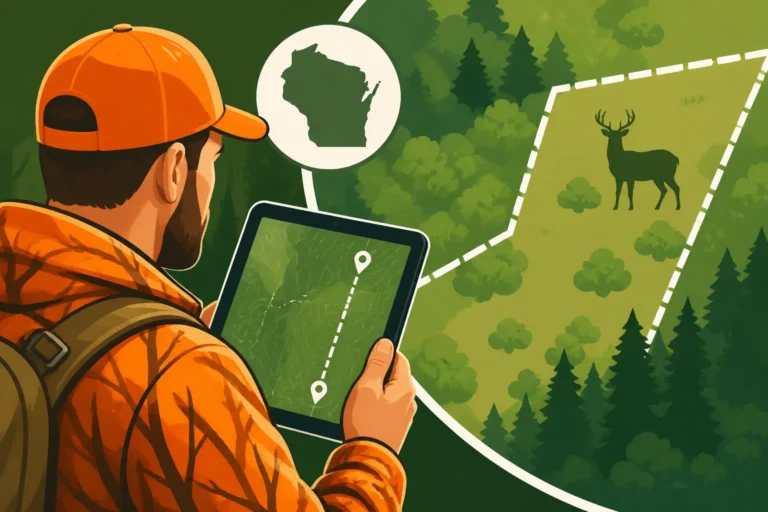
In this day and age, digital mapping tools are an absolute game-changer for public land hunters, especially when dealing with complex areas like Wisconsin's elk ranges. Platforms like onX Hunt and GoHunt provide invaluable layers that clearly delineate public and private land boundaries, often showing specific land ownership types (National Forest, County Forest, State Wildlife Area, etc.). These apps allow you to see your exact location relative to property lines, preventing accidental trespass and helping you identify accessible hunting areas.
Imagine standing on a forest road in the Clam Lake zone. With onX Hunt, you can instantly see if that logging road leads into National Forest land open to hunting, or if it suddenly borders a private parcel. This immediate feedback saves countless hours of uncertainty and helps you plan your approach effectively. They often have satellite imagery, topographical maps, and even specific layers for trails or habitat types that can further aid your scouting. Similarly, Using the Wisconsin Hunt Wild App offers valuable insights into public lands directly from the DNR.
Understanding Different Public Land Designations
Wisconsin's public lands come in various forms, each with its own management goals and potential nuances for hunters. Within the elk zones, you'll primarily encounter:
- National Forests (e.g., Chequamegon-Nicolet National Forest): These are vast federal lands managed for multiple uses, including timber, recreation, and wildlife. They generally offer excellent access and diverse habitat.
- County Forests: Wisconsin has an extensive county forest system, particularly in the northern elk zone. These lands are managed by individual counties but are often open to public hunting. Rules can sometimes vary slightly between counties.
- State Forests (e.g., Black River State Forest, Northern Highland-American Legion State Forest): Managed by the Wisconsin DNR, these lands are specifically set aside for forestry, recreation, and wildlife. They provide substantial hunting opportunities.
- State Wildlife Areas and Fisheries Areas: Smaller, often more intensively managed parcels focused on specific wildlife habitat. They can be productive but might have more specific rules or higher hunting pressure.
- Managed Forest Law (MFL) and Forest Crop Law (FCL) Lands: These are private lands enrolled in state programs that offer tax incentives for sustainable forestry, with a condition that some parcels must remain open to public recreation, including hunting. These can be trickier to identify on maps without specific layers, but can provide good, often less-pressured access.
Familiarizing yourself with the specific designation of the land you're scouting will help you anticipate the type of habitat, road access, and potential regulations you might encounter. For instance, How County Forests Work in Wisconsin provides a deeper dive into one of the key land types in elk country.
Interpreting Elk Zone Boundaries
The elk zones themselves are defined by specific county lines and sometimes highways or natural features. However, simply knowing the zone doesn't tell you where the elk are or where the public land is within it. The DNR provides detailed maps outlining the boundaries of the Clam Lake and Black River Elk Management Zones. Overlaying these official zone maps with public land maps is the key.
For example, the Clam Lake Zone covers a significant portion of several northern counties, but within those counties, only certain areas are public land. An area might be within the elk zone but be entirely private, offering no hunting access. Conversely, a large public forest might only have a portion of its acreage fall within the official elk zone. This is where your digital mapping apps truly shine, allowing you to visualize these overlays and pinpoint huntable areas where elk are known to range. Pay close attention to these nuances, as a drawn elk tag is only valuable if you have legal access to pursue your animal.
Specific Public Land Areas in the Clam Lake Zone
The Clam Lake elk zone is characterized by its vast northern forest landscape, offering tremendous opportunities for a hunter with an elk tag. It's big country, and understanding the major public land players is essential for effective scouting and hunting.
Chequamegon-Nicolet National Forest Lands
The crown jewel of the Clam Lake elk zone, the Chequamegon-Nicolet National Forest, stretches across much of northern Wisconsin and provides the core habitat for the Clam Lake herd. These federally managed lands are open to public hunting and offer immense acreage. The forest here is a mosaic of hardwoods, often sugar maple and yellow birch, interspersed with aspen stands, conifer bogs, and numerous lakes and streams. Elk utilize these diverse habitats, often moving between thick cover for bedding and regenerating clearcuts or natural openings for feeding.
Access throughout the National Forest is generally good, with a network of maintained forest roads and smaller two-track trails. However, "good access" doesn't mean easy hunting. You'll still need to be prepared to walk long distances to get away from road hunters. Utilizing topographic maps, and especially digital tools like onX Hunt, to identify remote ridges, swamp edges, and areas with diverse timber stands is key. Focus on areas that blend mature timber for shelter with younger growth for forage. Chequamegon-Nicolet National Forest Hunting goes into more detail about navigating these expansive lands.
Sawyer and Bayfield County Forests
Beyond the National Forest, Sawyer and Bayfield counties, along with Ashland and Price, manage extensive county forest lands that are also open to public hunting. These county forests are often contiguous with the National Forest or form large, separate blocks of accessible land. They typically have similar forest types and management practices, meaning they offer comparable habitat for elk.
County forests can sometimes see slightly less pressure than the most popular National Forest tracts, simply due to sheer size and the perception that "National Forest" is the primary destination. Don't overlook these areas. They often have their own network of forest roads and trails, providing additional access points and opportunities to find solitude. Always check individual county forest maps or layers on your mapping app, as specific rules for things like ATVs or camping might vary slightly from federal lands. Remember that Northern Wisconsin County Forest Acreage can be just as productive as federal lands.
State Wildlife Areas and Other Parcels
While the sheer scale of the National and County Forests dominates the Clam Lake zone, there are also smaller state-managed parcels, such as State Wildlife Areas or State Natural Areas, that might fall within the elk range. These areas are typically managed for specific wildlife benefits and can hold high densities of game. However, due to their smaller size, they can experience higher hunting pressure, especially on opening days.
It's worth investigating these smaller parcels on your maps. They might be located strategically near known elk travel corridors or important food sources. While an elk might cover many miles in a day, these smaller tracts can serve as critical staging areas or bedding cover if they offer dense thermal protection or preferred browse. Always double-check the specific regulations for any State Wildlife Area, as some may have unique rules regarding methods, access, or even timing.
Specific Public Land Areas in the Black River Zone
The Black River elk zone presents a different hunting landscape compared to the northern forests. Dominated by central Wisconsin's unique blend of pine and oak, this area offers its own set of challenges and opportunities for elk hunters.
Black River State Forest
The Black River State Forest is the cornerstone of the central elk range. Located primarily in Jackson County, this large state forest provides the bulk of the public land accessible for elk hunting in this zone. The habitat here is a mix of pine plantations, native jack pine and scrub oak barrens, oak forests, and extensive wetland complexes, particularly along the Black River itself. Elk thrive in this diverse environment, utilizing the dense pine stands for thermal cover and bedding, and the oak savannas and managed timber cuts for foraging.
The Black River State Forest has a well-developed system of roads and trails, making access relatively straightforward in many areas. However, like any large public land, the key is to get away from the immediate road frontage. Look for areas where different habitat types converge – for example, where a pine plantation meets an oak ridge, or where a marsh finger extends into a dry forest. These transition zones are often travel corridors for elk. Understanding Black River State Forest Hunting can give you a better grasp of the terrain and typical hunting scenarios.
Jackson County Forest
Contiguous with the Black River State Forest, the Jackson County Forest adds significantly to the amount of huntable public land in this central elk zone. Managed by Jackson County, these lands share many ecological characteristics with the adjacent state forest, offering similar habitat for elk. They are typically open to public hunting and provide additional avenues for access and exploration.
The county forest system in Jackson County is a valuable resource. It allows for further dispersion of hunters and provides more options for finding less-pressured areas. Always consult up-to-date maps (digital or paper) to ensure you are on legal public land and to understand the access points. These lands can be particularly good for finding areas where recent timber harvesting has occurred, leading to abundant new growth that elk eagerly browse.
Other State and County Lands in the Central Zone
Beyond the main Black River State Forest and Jackson County Forest, other state and county lands, though often smaller in size, contribute to the huntable acreage within the Black River elk zone. These might include smaller state wildlife areas, other county forest parcels in neighboring counties like Clark, Monroe, or Juneau, or even MFL-open lands that fall within the zone boundaries.
It's crucial to meticulously scout all available public land options if you draw a tag. A smaller state parcel might be situated perfectly between private agricultural fields that elk use for feeding and a larger block of forest for bedding. These transition areas, regardless of the size of the public land parcel, can be incredibly productive. Again, robust mapping tools like onX Hunt or GoHunt are essential for identifying these smaller, often overlooked parcels. These resources are also perfect for Finding Wisconsin Property Lines to avoid any accidental trespassing.
Navigating Public Land Access and Regulations
Drawing an elk tag is a huge achievement, but it's only the first step. Understanding the specific regulations and access protocols for hunting on Wisconsin's public lands, particularly within the elk zones, is absolutely paramount to a successful and legal hunt.
Understanding General Hunting Regulations on Public Land
While elk hunting has its own specific rules, it's built upon the foundation of general Wisconsin public land hunting regulations. These include basic principles like permissible shooting hours, requirements for blaze orange or pink during certain seasons, and rules regarding tree stands or ground blinds. For instance, temporary stands and blinds are typically allowed on public land, but often need to be removed at the end of the season, and you usually cannot "claim" a spot permanently.
Knowing these universal rules prevents common mistakes. For example, understanding Wisconsin Blaze Orange and Pink Rules is not just for deer season; it's a general safety measure that might apply depending on the overlapping seasons. Furthermore, restrictions on baiting and feeding deer, which are increasingly common in CWD-affected areas, can also impact elk hunting strategies, as elk might respond to similar attractants. Always consult the current Wisconsin DNR hunting regulations pamphlet, available online or at license vendors, as rules can be updated annually.
Elk-Specific Rules and Permit Requirements
Elk hunting in Wisconsin is highly regulated due to the sensitive nature of the recovering herds. If you are fortunate enough to draw an elk tag, you will receive specific instructions and often be assigned to a particular sub-zone or management area within the broader elk range. These tags are usually extremely limited, often to a handful of hunters each year. The rules will specify the legal weapons, the dates of the hunt, and often mandatory reporting requirements.
Unlike deer hunting, elk hunting permits often come with additional responsibilities, such as mandatory hunter orientation or check-in procedures. There might be specific requirements for carcass transportation or CWD testing, even if the elk range itself is not currently a CWD-affected area for deer. These specific rules are designed to protect the elk population and gather vital biological data. Do not assume general hunting rules apply; always read every piece of information provided with your elk permit carefully. You can also refer to Wisconsin Elk Application Rules to understand the initial stages of this process.
Carcass Movement and CWD Considerations
Chronic Wasting Disease (CWD) is a significant concern for Wisconsin's deer herd, and while the elk herds currently appear CWD-free, the state takes precautions. If you harvest an elk, there will likely be strict rules regarding carcass movement, especially if you plan to transport it out of the elk zone or from one county to another. These regulations are in place to prevent the potential spread of CWD.
Typically, hunters are required to either debone the carcass before leaving the kill site or transport it to a designated CWD sampling station within a specific timeframe. Only certain parts, like deboned meat, clean skull plates, or taxidermy-ready hides, are usually allowed to cross zone or county lines if specific CWD rules are in effect. Be prepared with the necessary tools for field dressing and potentially deboning your elk, as well as appropriate coolers or game bags for transport. Understanding Wisconsin Carcass Transport Rules for deer will give you a good idea of the stringent measures in place for larger cervids.
Tips for Scouting and Hunting Elk Range Public Land
Hunting a large, elusive animal like an elk on public land, especially in a recovering population scenario, demands thorough preparation and smart tactics. It’s not just about showing up; it’s about understanding the landscape and the animal.
Pre-Season Scouting Strategies
Effective scouting is perhaps the most critical component of a successful public land elk hunt in Wisconsin. With such limited tags, you can't afford to waste time searching for elk sign on opening day. Start your scouting long before the season opens, even months in advance.
- Map Study: Begin with your digital mapping tools (onX Hunt, GoHunt) and paper maps. Identify large blocks of public land, paying attention to terrain features like ridges, drainages, swamps, and areas where different timber types meet. Look for potential bedding areas (dense cover) and feeding areas (recent cuts, oak flats, marsh edges). Pinpoint possible access points and plan multiple routes to and from potential hunting spots. Use the onX Layers for Wisconsin Land Status to confirm boundaries and ownership.
- Boots on the Ground: Nothing replaces walking the actual terrain. Visit the areas you identified on your maps. Look for actual elk sign: tracks (much larger than deer), droppings, rub lines on trees (often higher up than deer rubs), and wallows. Listen for bugles if scouting during the rut. Pay attention to water sources and natural funnels.
- Trail Cameras: If regulations allow, strategically placed trail cameras can provide invaluable intelligence on elk presence, travel patterns, and even individual animals, though be mindful of the rules regarding cameras on public land.
- Local Knowledge: Talk to DNR staff, local foresters, or even deer hunters who frequent the area. They might have invaluable insights into general wildlife movement, recent timber activity, or historical elk sightings.
Hunting Tactics for Different Habitats
Elk, like deer, are creatures of habit and will adapt their behavior to the specific habitat they inhabit. Your hunting tactics should reflect this.
- Northern Forests (Clam Lake): In the dense, hilly terrain of the Chequamegon-Nicolet, a combination of still-hunting and setting up on travel corridors can be effective. Elk will often follow natural terrain features like ridge lines, logging roads, or the edges of swamps. Calling (bugling, cow calls) can be incredibly effective during the rut, but even outside the rut, soft cow calls can sometimes elicit a response. Be prepared for long hikes and difficult game retrieval. Consider Hunting the Wisconsin Northern Forest for Deer for techniques that can be adapted for elk.
- Central Forests/Barrens (Black River): The mix of pine plantations, oak barrens, and wetlands in the Black River zone calls for a slightly different approach. Elk here might use dense pine thickets for bedding cover, moving into more open oak or cut-over areas to feed. Still-hunting through pine plantations or along the edges of marshes can be productive. Glassing (using binoculars to scan) might be more effective in the more open barrens areas, especially during early morning or late evening. Stands placed along known travel routes between bedding and feeding areas can also work. For insights into general movement in this terrain, consider Hunting Wisconsin Clearcuts and Aspen Cuts.
Minimizing Impact and Respecting Wildlife
Hunting elk in Wisconsin is a privilege, and it comes with the responsibility to minimize your impact on the land and the animals.
- Leave No Trace: Pack out everything you pack in. Avoid disturbing sensitive areas. Be mindful of fragile ecosystems, especially in wetland areas or unique barrens habitats.
- Respect Private Property: Even with your mapping tools, always double-check property lines. If there's any doubt, err on the side of caution. Never cross private land without explicit permission, even for game retrieval.
- Ethical Shot Placement: Elk are large, tough animals. Practice thoroughly with your chosen weapon to ensure clean, ethical shots. Follow up diligently on any shot animal.
- Share the Woods: You're likely to encounter other users on public land – hikers, bird watchers, loggers, other hunters. Be courteous and respectful. The elk range is a shared resource.
- Carcass Retrieval: Be prepared for a significant pack-out. Elk are much larger than deer, and getting one out of a remote area can be a multi-person, multi-day effort. Bring appropriate gear like game bags, a sturdy pack frame, and perhaps a game cart if terrain allows. Planning for Recovering a Deer From a Coulee Bottom can offer useful planning insights for larger game in difficult terrain.
| Elk Zone | Primary Counties | Dominant Public Land Types | Key Access Considerations | Habitat Characteristics |
|---|---|---|---|---|
| Clam Lake Herd | Sawyer, Bayfield, Ashland, Price | Chequamegon-Nicolet National Forest, County Forests | Extensive forest road networks, some remote two-tracks | Dense northern hardwoods, regenerating aspen, conifer swamps |
| Black River Herd | Jackson, Clark, Monroe, Juneau | Black River State Forest, Jackson County Forest, other State Lands | Mix of paved and gravel forest roads, some sandy trails | Pine plantations, scrub oak barrens, oak forests, wetlands |
Hunting elk in Wisconsin's public lands is an unparalleled adventure. It requires dedication, knowledge, and a deep respect for the animal and the environment. By thoroughly understanding the zones, utilizing modern tools, and practicing sound hunting ethics, you can make the most of this incredible, once-in-a-lifetime opportunity.
Disclaimer
This article is for general informational purposes only and does not constitute professional advice. Laws, prices and regulations vary by location and change over time. Consult a qualified professional for guidance on your specific situation.