Hunting Wisconsin Sharp-Tailed Grouse
Trying to find and hunt sharp-tailed grouse in Wisconsin can feel like searching for a needle in a haystack, especially if you're used to more common game birds. These unique upland birds live in very specific habitats, and their populations, while carefully managed, are not widespread across the state. This guide will walk you through everything you need to know to pursue sharp-tailed grouse successfully, from understanding their biology and habitat to scouting strategies, essential gear, and effective hunting tactics.
Understanding Wisconsin's Sharp-Tailed Grouse
Wisconsin's sharp-tailed grouse are a truly special bird, a relic of a bygone era when vast expanses of savanna and pine barrens dominated parts of the landscape. Unlike their ruffed grouse cousins, who thrive in young, regenerating forests, sharptails need open, treeless areas with scattered brush and grasses. Finding them means understanding not just where to hunt, but why they choose those specific spots.
The Biology and Behavior of Sharptails
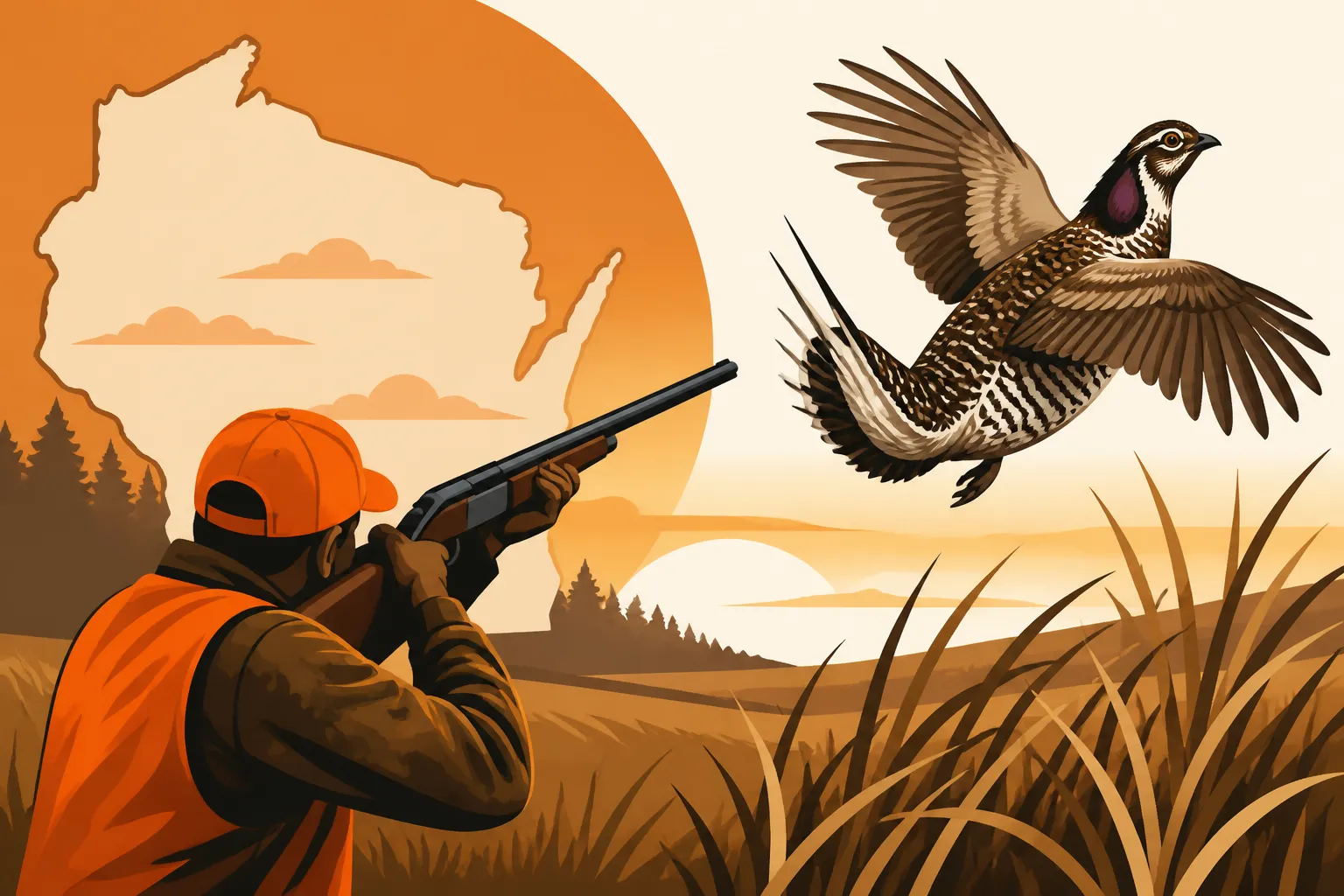
Sharp-tailed grouse ( Tympanuchus phasianellus ) are medium-sized upland birds, easily recognized by their distinctive pointed tail feathers, which give them their name. They're part of the prairie grouse family, and their behavior often reflects this heritage. One of the most fascinating aspects of sharptail biology is their "lek" behavior, where males gather at traditional dancing grounds in spring to perform elaborate courtship displays. While hunters won't witness this in the fall, understanding this communal aspect hints at their social nature.
Unlike other grouse, sharptails tend to form larger coveys outside of breeding season, sometimes up to 20 or more birds, though smaller groups are more common when disturbed. They are primarily ground feeders, foraging on a diet of seeds, berries, leaves, and insects. Their preference for open country means they often flush differently than ruffed grouse; instead of rocketing straight up through thick cover, they're more likely to burst out horizontally, often flying a considerable distance before setting down again, sometimes in plain sight. This behavior can be both a blessing and a curse for hunters.
Historical and Current Range in Wisconsin
Historically, sharp-tailed grouse were much more prevalent in Wisconsin, thriving in the expansive pine barrens and oak savannas that once stretched across significant portions of the state, particularly in the northern and western regions. As logging and agricultural practices changed the landscape, these habitats dwindled, and with them, the sharptail populations. For a deeper dive into their history and current status, you can check out information on Sharp-Tailed Grouse on Wisconsin Barrens.
Today, the distribution of sharp-tailed grouse in Wisconsin is highly localized, confined almost exclusively to intensively managed barrens habitats, primarily in the northwestern and north-central parts of the state. These areas, often referred to as "Sharp-Tail Management Areas," are actively maintained by prescribed burns, mechanical removal of encroaching trees, and other habitat enhancement efforts to keep them suitable for sharptails. You won't find them in typical hardwood forests or small woodlots; they need vast, open spaces. Knowing How Many Sharptails Wisconsin Has and Where Wisconsin Sharptails Survive requires understanding these specific, managed landscapes.
Habitat Needs and Why They Are Unique
What makes barrens habitat so unique and critical for sharp-tailed grouse? It's a mosaic of open grasslands, scattered shrubs like oak and hazel, and young, sparse jack pine or scrub oak. This provides the perfect combination of cover for nesting, foraging, and roosting, while maintaining the open sightlines sharptails need to detect predators. They require large tracts of this specific habitat, often hundreds or even thousands of acres, because a small patch simply isn't enough to support a viable population.
The "barrens" name itself comes from the often sandy, nutrient-poor soils that historically supported these unique plant communities. Without active management, these areas would quickly succeed into dense forests, rendering them unsuitable for sharptails. This constant battle against forest encroachment is why state and federal agencies, along with conservation groups, work tirelessly to maintain these habitats. Understanding these specific habitat needs is the absolute first step in successfully hunting these birds; you can’t find them if you aren’t in their very particular home. If you want to dive into the specifics of Barrens Habitat and Sharptail Numbers, it truly highlights the importance of these unique ecosystems.
Essential Gear for Sharptail Hunting
Hunting sharp-tailed grouse isn't like a casual pheasant hunt or a walk in the woods for ruffed grouse. The terrain can be challenging, the birds are often sparse, and you'll be covering a lot of ground. Having the right gear isn't just about comfort; it's about safety, efficiency, and maximizing your chances of success in these unique environments.
Shotguns and Ammunition Choices
When it comes to shotguns for sharp-tailed grouse, a lightweight, fast-swinging gun is generally preferred, much like for ruffed grouse or woodcock. A 12-gauge or 20-gauge are both excellent choices, with the 20-gauge often favored by those who appreciate its lighter weight for long days afield. For more specific recommendations, you might look into Best Shotgun Gauge for Wisconsin Grouse. The key is to find a gun you can carry comfortably and bring to bear quickly, as sharptail flushes can be explosive and at varying distances.
Choke selection is important, too. Because sharptails often flush at a longer range than ruffed grouse and tend to fly a bit further, a modified choke or even an improved cylinder can be a good starting point. Some hunters prefer an improved cylinder in the first barrel and a modified in the second in a double gun setup, offering versatility. As for ammunition, standard upland loads with shot sizes like 7.5 or 6 are common. Given the often open nature of the barrens, you might opt for slightly heavier loads or larger shot (like 6s) if you anticipate longer shots. For detailed insights into Shot Size for Grouse and Woodcock, you'll find that versatility is often key to success with these birds.
Clothing and Footwear for Barrens Terrain
The barrens are typically characterized by sandy soils, thick brush, and often very open, exposed areas. This means your clothing needs to protect you from thorns and briars, keep you comfortable in varying temperatures, and allow for unrestricted movement over uneven ground. Durable brush pants or chaps are a must-have to protect your legs from the abrasive vegetation. Layering is crucial, as mornings can be crisp, but midday sun in open country can quickly warm things up. A good quality upland vest with plenty of game and shell pockets is invaluable, and remember that Upland Vests With Water Capacity are a wise choice, as water sources can be few and far between.
Footwear is arguably the most critical piece of gear. You'll be walking miles, often through loose sand and uneven terrain. Comfortable, supportive, and durable hiking boots are essential. Many hunters prefer waterproof boots, especially if early morning dew or unexpected rain is a factor. Good ankle support is also paramount to prevent twists and turns on the varied landscape. Blister prevention is key; invest in good quality socks designed for hiking.
Navigation Tools and Safety Essentials
Hunting in large tracts of barrens can be disorienting. While it might look open, the subtle undulations, scattered brush, and repetitive nature of the landscape can make it easy to get turned around. A reliable GPS unit or a smartphone with a robust hunting app like GoHunt is absolutely essential. These tools allow you to track your progress, mark important locations like your vehicle, and most importantly, know where you are in relation to public land boundaries and safety zones. The GoHunt app, for example, offers detailed satellite imagery and property line overlays, which are indispensable for navigating unfamiliar areas.
Beyond navigation, always carry a small first-aid kit, a whistle (three short blasts is a universal distress signal), a knife, and a fire starter. Blaze orange or pink is always recommended, even if not strictly required for small game, especially if deer hunters might be in the area. Communication devices, such as a fully charged cell phone (though service can be spotty in remote areas) or a two-way radio if hunting with partners, are also critical. Remember, preparation for potential emergencies is just as important as preparing for the hunt itself.
Scouting and Locating Sharptail Habitat
Unlike deer or turkey hunting where you might rely on trails or roost trees, finding sharp-tailed grouse is almost entirely about finding their specific habitat. You can't just drive around and expect to stumble upon them. Successful sharptail hunting begins long before you set foot in the field, with diligent research and scouting.
Identifying Prime Barrens Habitat
As mentioned, sharptails are habitat specialists. Your primary goal in scouting is to identify large tracts of pine barrens or oak savannas that are actively being managed to maintain their open character. These areas will typically feature open grasslands, scattered brush, and very sparse trees, often young jack pines or scrub oaks. Look for signs of recent prescribed burns, clear-cutting of brush, or other habitat work by the Wisconsin DNR or local conservation groups. These efforts create the crucial early successional habitat these birds need.
The Wisconsin Barrens and Sharptail Country primarily lies in the northwestern counties like Douglas, Burnett, and Washburn, with some smaller patches in other areas. The key is to look for areas explicitly designated as "Sharp-Tail Management Areas." These are often part of larger state wildlife areas, national forests, or county forests. Utilize online mapping tools from the Wisconsin DNR or commercial apps like GoHunt to pinpoint these specific regions. GoHunt's detailed land ownership layers can help you distinguish public access from private, ensuring you're always hunting legally.
Reading Sign and Sharptail Indicators
Once you're in suitable habitat, what do you look for? Sharptail sign can be subtle. They're not like turkeys leaving obvious scratchings or deer with well-worn trails. Look for droppings, which are often cylindrical and larger than those of ruffed grouse, sometimes found around dust baths or areas where birds have been feeding. Pay attention to areas with thick, low-growing cover that provides shelter from predators and harsh weather, especially during colder parts of the day.
Feathers can also be a tell-tale sign, particularly around old dusting areas or where birds might have roosted. Sometimes, in areas with very sandy soils, you might spot tracks, although these can be difficult to discern. The most reliable indicator, however, is often the habitat itself. If you're walking through ideal, actively managed barrens, you're in the right place. Don't get discouraged if you don't see obvious "sign" every few yards; sharptails can be spread out, and their sign isn't always abundant.
Using Technology for Pre-Season Scouting
Modern technology has revolutionized how we approach hunting, and sharptail hunting is no exception. Before you even leave home, spend time poring over aerial imagery on platforms like Google Earth or the Wisconsin DNR's public land mapping tools. Look for the distinct patterns of open grassland interspersed with brush. Identify potential access points, parking areas, and internal trail systems or old logging roads that can help you cover ground efficiently.
Additionally, don't underestimate the value of calling land managers. Reach out to the local Wisconsin DNR wildlife biologist or forester for the areas you're interested in. They can provide invaluable, up-to-date information on recent habitat work, bird sightings, and areas that might hold a higher concentration of birds. They often know where to direct hunters who are genuinely interested in these unique birds. The GoHunt platform's detailed scouting features, including satellite imagery and public land layers, are incredibly useful for identifying promising areas and planning your routes before you ever hit the field. This kind of virtual scouting can save you countless hours and ensure you focus your efforts on the most productive ground within Sharp-Tail Management Areas in Wisconsin.
Effective Hunting Tactics for Sharptails
Hunting sharp-tailed grouse is a rewarding challenge that demands patience, keen observation, and often, a lot of walking. These birds are known for their wariness and explosive flushes, making them a true test for any upland hunter.
Walking Techniques and Dog Work
The most common and effective method for hunting sharp-tailed grouse is walking, often in conjunction with a good bird dog. Covering ground systematically is crucial. Sharptails can be spread out, so long, steady traverses of prime habitat are often more productive than quick, erratic movements. When walking, keep your eyes peeled not just for birds on the ground, but for those flushing ahead or flying into the distance. Unlike ruffed grouse, which tend to flush unseen, sharptails often offer a visual show, even if they're out of range.
Bird dogs are invaluable for sharptail hunting. Pointers, setters, and even versatile retrieving breeds can excel. A good dog will systematically cover ground, locate birds, and hold them on point, giving you precious seconds to get into position for a shot. The vastness of the barrens means a dog with a wide-ranging search pattern can be highly effective, but it also requires good control and a reliable recall. Without a dog, you'll need to work areas even more thoroughly, often pausing and moving to try and surprise birds into flushing.
Dealing with Difficult Flushes
Sharptails are notorious for their tricky flushes. They might burst out directly underfoot, providing a heart-stopping close-range shot, or they might erupt 50 yards out, making for a challenging long shot. They also have a habit of flying long distances, sometimes out of sight, before landing. If you miss on the first flush or if the birds go too far, mark their landing spot as accurately as possible. This is where a good dog can shine, helping you relocate birds that have run or flown a distance.
When a covey flushes, try to pick out a single bird. Resist the urge to "flock shoot," which rarely works and often results in missed opportunities. If the birds scatter, try to remember the general direction and area where singles might have landed. Sometimes, waiting a few minutes before approaching the area where they landed can allow them to settle, making them more approachable. This is often an exercise in patience and persistence.
Ethical Hunting and Bird Handling
Ethical hunting practices are paramount, especially when pursuing a species with such specific habitat needs and population dynamics. Only take shots you're confident in, and always prioritize a clean, humane kill. This means knowing your shotgun and ammunition's effective range and practicing your swing and lead regularly.
After harvesting a bird, swift and proper handling ensures the meat is in the best possible condition. Field dress the bird promptly to cool the carcass, especially on warmer days. This involves removing the entrails. Place the bird in a game bag to protect it during transport. Respecting the resource also means being mindful of regulations, including bag limits and season dates. Always make sure you have your Wisconsin Sharp-Tailed Grouse Permits in order, as they are often limited and specific to certain zones.
Conservation and the Future of Wisconsin Sharptails
The story of Wisconsin's sharp-tailed grouse is deeply intertwined with habitat. These birds are a testament to the power of dedicated conservation efforts, and their continued presence relies entirely on ongoing management and the support of hunters and conservationists.
Habitat Management Efforts
The existence of sharptails in Wisconsin today is a direct result of aggressive and sustained habitat management. Agencies like the Wisconsin DNR and the U.S. Forest Service, along with organizations like the Ruffed Grouse Society and local conservation groups, are actively involved in maintaining and restoring pine barrens habitat. This often involves techniques like prescribed burning, which mimics natural fire cycles that historically kept these areas open. Mechanical treatments, such as cutting and clearing encroaching trees and brush, are also used to prevent forests from taking over.
These efforts are labor-intensive and costly, but they are absolutely vital for the survival of the species. Without this constant intervention, the specialized barrens habitat would quickly disappear, and with it, the sharp-tailed grouse. Hunters, through their license fees and involvement in conservation organizations, play a crucial role in funding and supporting these critical management programs. These programs are essential for maintaining Douglas County Barrens Public Ground and other key sharptail areas.
The Role of Hunters in Conservation
Hunters are often the first to notice changes in wildlife populations and habitats. For sharp-tailed grouse, their passion for pursuing these birds translates directly into a strong incentive to support conservation. Hunter dollars, primarily through license sales and federal excise taxes on firearms and ammunition (Pittman-Robertson Act), provide significant funding for habitat restoration and management programs.
Beyond financial contributions, many hunters actively participate in volunteer efforts, helping with prescribed burns, tree removal, or trail maintenance in sharptail country. By understanding the unique needs of sharptails and advocating for their habitat, hunters act as crucial stewards for this rare and beautiful bird. Their vigilance and support ensure that future generations can also experience the thrill of a sharptail flush.
Permits and Regulations for Hunting Sharptails
Hunting sharp-tailed grouse in Wisconsin is not like simply heading out for ruffed grouse or squirrels. Due to their specific habitat needs and limited populations, the Wisconsin DNR carefully manages sharptail hunting opportunities. Special permits are required, and these permits are often allocated through a lottery system due to the limited number of birds and designated hunting areas.
Hunters interested in pursuing sharptails must apply for these permits well in advance of the season. Information on application periods, drawing odds, and specific zone regulations can be found on the Wisconsin DNR's website. It is absolutely critical to review the current regulations each year, as they can change. The limited nature of these hunts underscores the importance of every bird and the need for ethical hunting practices. Always check the current season dates and bag limits before heading afield.
Post-Hunt Care and Enjoyment
Successfully harvesting a sharp-tailed grouse is a special achievement. These birds are known not only for their challenging hunt but also for their excellent table fare. Proper care after the shot ensures that you get to enjoy the full flavor of your hard-earned meal.
Field Dressing and Storage
Once you've retrieved your sharp-tailed grouse, prompt field dressing is key, especially on warmer days. This typically involves removing the entrails to allow the carcass to cool quickly. Cooling the bird prevents bacterial growth and improves the meat's quality. If you're far from your vehicle, a game bag will protect the bird and allow for air circulation. Avoid putting the bird directly into a plastic bag where heat can get trapped.
Back at home or camp, you can skin or pluck the bird. Plucking retains a bit more moisture and flavor, but skinning is much faster. After cleaning, the birds can be stored in the refrigerator for a few days, or better yet, vacuum-sealed and frozen for long-term storage. Properly handled sharptails can last for many months in the freezer without freezer burn.
Recipes and Culinary Tips
Sharp-tailed grouse meat is lean and has a delicate, slightly earthy flavor, similar to other upland game birds but perhaps a bit milder than a ruffed grouse. It's truly a gourmet wild game experience. Simpler preparations often allow the natural flavor of the bird to shine through. Roasting, grilling, or pan-searing are excellent methods.
One classic approach is to pan-sear the breast until golden brown, then finish it in the oven or in a sauce. Sharptail also works wonderfully in recipes that might call for pheasant or partridge. Consider a simple preparation with butter, herbs like thyme or rosemary, and a splash of white wine. Given the leanness of the meat, avoid overcooking, which can dry it out. Aim for medium-rare to medium for the most tender and flavorful results. Pairing it with wild rice or roasted root vegetables can create a truly memorable meal, bringing the entire hunting experience full circle.
Disclaimer
Please remember that hunting regulations, seasons, and permit requirements are subject to change. Always consult the most current Wisconsin Department of Natural Resources (DNR) official publications and website before planning any hunting trip. This guide provides general information and should not be considered a substitute for official legal guidance. Stay safe and hunt ethically.