Which Garments Count Toward the Orange Rule
Navigating the specific requirements for hunting gear in Wisconsin can feel like trying to solve a puzzle, especially when it comes to something as crucial as blaze orange or pink. Hunters often find themselves scratching their heads, wondering if that small patch on their camo jacket or their bright orange hat truly meets the legal standard, or if they need to go out and buy a full vest. This guide is here to untangle the confusion, helping you understand precisely which garments count toward Wisconsin's blaze orange and pink rules, ensuring you stay safe and legal in the field.
Understanding Wisconsin's Blaze Orange/Pink Regulations
Wisconsin's hunting regulations are designed with safety in mind, and the blaze orange (or pink) rule is a cornerstone of that effort. It's not just about wearing a bit of color; it's about making sure every hunter is highly visible to others, especially in dense cover or during crowded hunting seasons.
Why the Rules Exist
At its heart, the blaze orange and pink rule is about preventing tragic accidents. Imagine walking through a thick cedar swamp or a dense stand of pines on a grey November morning. Visibility can drop to mere yards, and it's all too easy for another hunter to mistake movement or a glimpse of brown for a deer. The vibrant, unmistakable colors of blaze orange and fluorescent pink stand out sharply against the natural browns, greens, and grays of the Wisconsin landscape, even in low light or adverse weather conditions.
This distinct visibility helps ensure that fellow hunters can identify you as a human, not a target. It's a shared responsibility among all of us to make the woods as safe as possible. These regulations help create a visual buffer, dramatically reducing the chances of a hunter being mistaken for game, especially during the more popular and often more crowded seasons. It's a simple, yet incredibly effective, safety measure that protects everyone enjoying Wisconsin's incredible outdoors.
The Basic Requirements
When we talk about the letter of the law in Wisconsin, the Department of Natural Resources (DNR) is quite clear about the minimum requirements for blaze orange or fluorescent pink. For most firearm deer hunting seasons, including the popular Wisconsin Gun Deer Season Structure, the Wisconsin Youth Deer Hunt Rules, and the Wisconsin Holiday Antlerless Hunt Dates, hunters are required to wear a minimum amount of this highly visible clothing.
Specifically, at least 50% of the hunter's outer clothing above the waist must be blaze orange or fluorescent pink. This includes a hat, if worn. The key phrase here is "outer clothing," meaning it needs to be the outermost layer you're wearing, not something tucked underneath. This ensures maximum visibility from all angles. For headwear, a solid blaze orange or pink hat is generally required, or at least 50% of the hat's surface area must be of the required color. These requirements are in place to ensure that regardless of a hunter's position or the angle of view, they remain easily identifiable by others.
Seasons and Scenarios Where it Applies
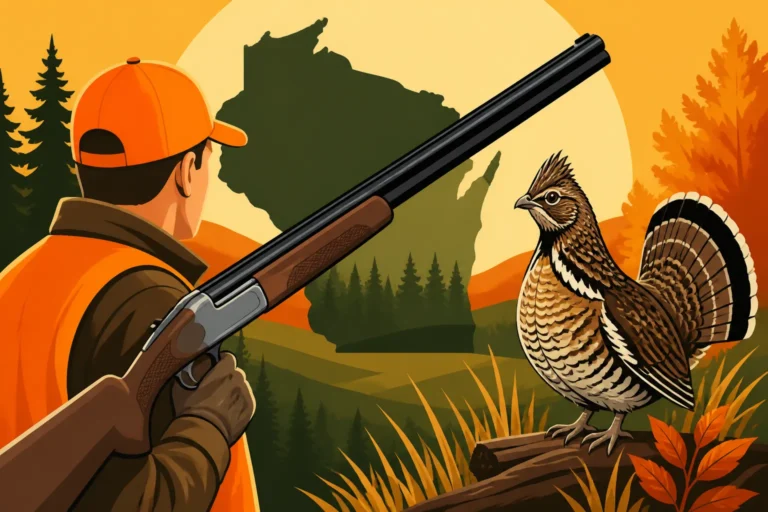
It's crucial to understand when these rules apply, as it's not every single hunting season in Wisconsin. The blaze orange/pink requirement is primarily in effect during any gun deer season, including the nine-day traditional hunt, the youth hunt, and the muzzleloader and antlerless-only hunts. This also extends to other firearm seasons like small game or bear hunting if they overlap with a gun deer season in a specific area.
This overlap is where some hunters can get tripped up. For instance, if you're bowhunting during the Wisconsin Archery and Crossbow Seasons but it's also concurrently the gun deer season in your county, you are required to wear blaze orange or pink. The rule is not about what you're hunting with, but when and where you are hunting, specifically if a firearm deer season is open. Always double-check the current regulations for the specific season and county you plan to hunt in, as rules can vary slightly or change year to year.
What Actually "Counts" as Blaze Orange or Pink
This is where the rubber meets the road, and where many hunters have questions. It's not just "any orange thing" you happen to have in your closet. There are specific guidelines for what legally qualifies.
The Core Garments
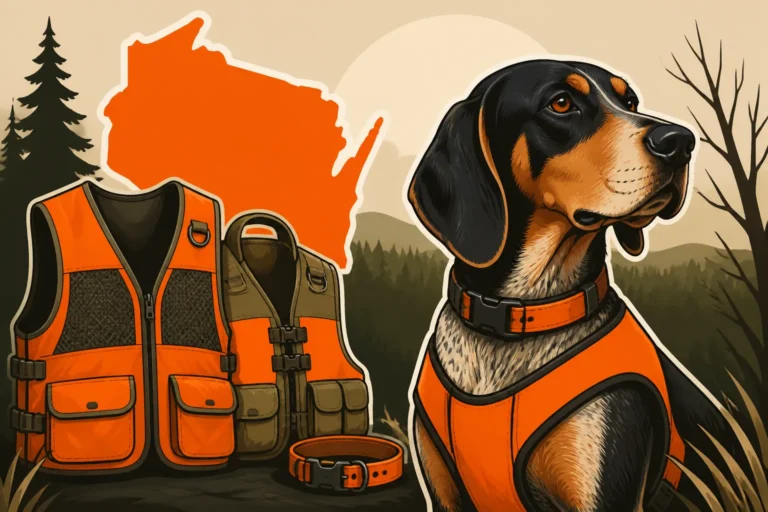
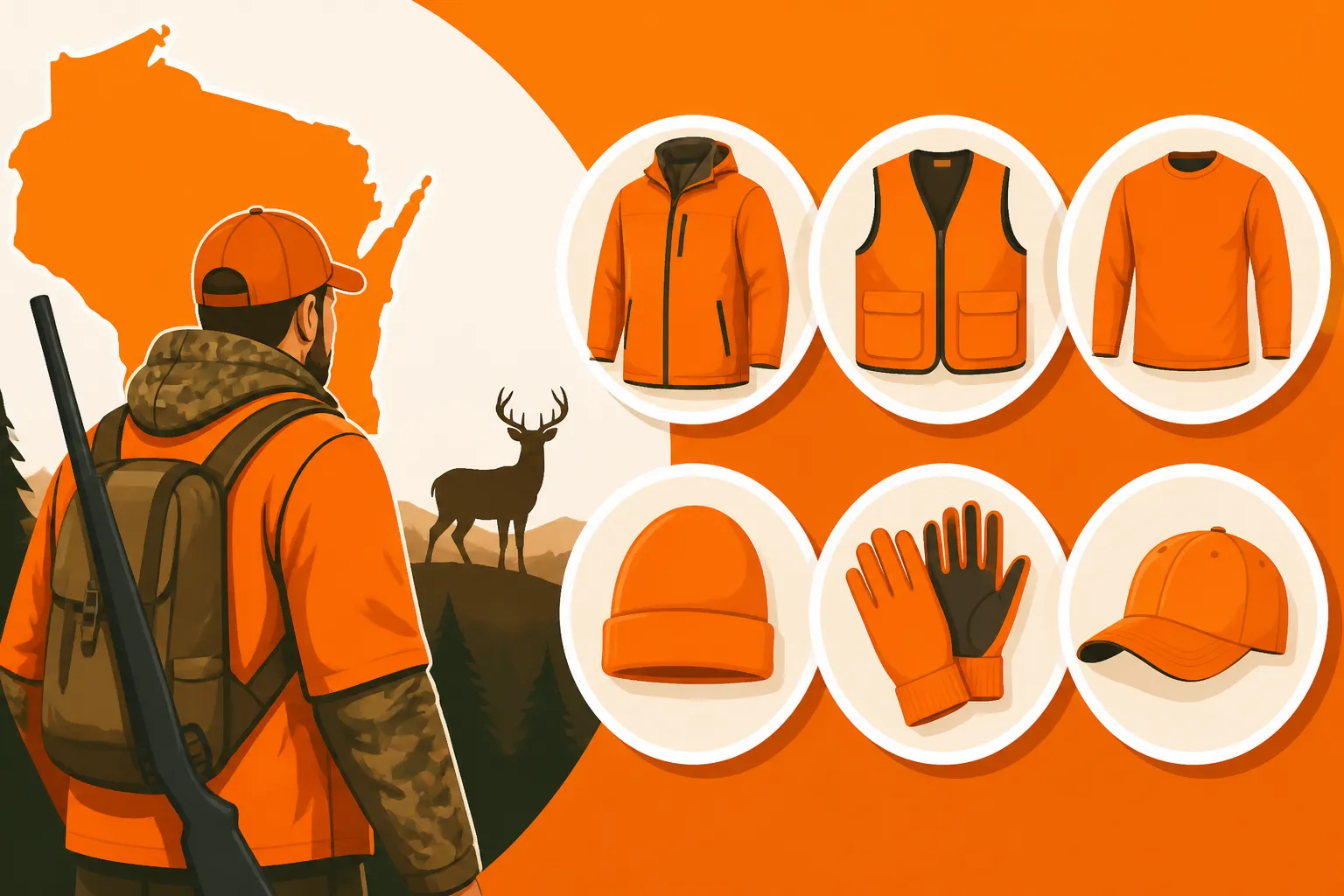
When it comes to the garments that definitely count toward the blaze orange or fluorescent pink rule, we're talking about the obvious ones: vests, jackets, and hats. These are your primary pieces of safety gear during gun seasons. A properly sized blaze orange or fluorescent pink vest, worn over your other layers, is perhaps the most common and effective way to meet the requirement. It provides a large, solid block of color that's easily seen from a distance.
Similarly, a full blaze orange or fluorescent pink jacket serves the same purpose, offering even more coverage. And don't forget the hat! A solid blaze orange or fluorescent pink hat is typically counted towards the 50% rule and is often the first thing another hunter sees as you move through the woods. The key takeaway is that these items need to be the outermost layer, visible from all directions, and provide a substantial amount of the required color. The goal is to make you unmistakably human to any other hunter in the vicinity.
Acceptable Materials and Colors
Beyond just the type of garment, the material and specific color hue are also important. The term "blaze orange" refers to a very specific, highly fluorescent shade of orange. This isn't your faded construction worker vest orange or a muted, earthy tone. It's designed to be exceptionally bright and stand out against natural backgrounds. Fluorescent pink, the legal alternative, is equally vibrant and eye-catching.
These colors can come in various forms, including solid fabric, mesh, or even open-weave materials, as long as the color density and visibility are met. The crucial part is that the material must provide that intense, unmistakable blaze orange or fluorescent pink color. Many hunting apparel companies, like those you might find listed on a platform like GoHunt, offer gear specifically designed to meet these regulations, ensuring both compliance and comfort. However, hunters should be wary of camouflage patterns that incorporate some orange or pink. While some patterns might have large, bright panels that could contribute, generally speaking, a full blaze orange or pink garment is the safest and clearest way to meet the rule, as fragmented patterns can reduce overall visibility.
Common Misconceptions and What Doesn't Count
This is where many hunters unknowingly fall short. There are several common items or ways of wearing blaze colors that simply do not count towards the legal requirement in Wisconsin, and understanding these can save you a citation—or worse.
- Small Patches or Accents: A small blaze orange patch on your backpack, a thin stripe on your jacket, or the orange stitching on your boots does not meet the "50% above the waist" rule. These are too small to provide the necessary visibility and can easily be obscured by movement or cover.
- Subdued Orange/Pink: As mentioned, "blaze" means fluorescent. A dull, faded, or burnt orange that doesn't pop against the forest background will likely not be considered compliant. Similarly, a pastel pink will not cut it; it needs to be fluorescent.
- Internal Linings: If your jacket has a blaze orange or pink lining, but the exterior is green or brown, it doesn't count. The rule specifies "outer clothing," meaning it must be visible to others.
- Items Easily Obscured: Anything that can be easily covered by a backpack, a gun sling, or even your own arms when moving does not reliably contribute to the required visibility. The intent is for a large, consistent area of color to be seen from various angles.
- Decoys: While some hunters use blaze orange flagging on their deer decoys, the decoy itself does not count as your personal blaze orange/pink requirement.
Always err on the side of caution. If there's any doubt, add another piece of blaze orange or pink. It's about safety, not just minimal compliance. You can learn more about specific approved options by looking into Wisconsin's Blaze Orange and Pink Options.
Practical Application for Wisconsin Hunters
Knowing the rules is one thing; applying them practically in the diverse hunting conditions Wisconsin offers is another. From the freezing temperatures of late season to the unique challenges of different hunting methods, there are smart ways to ensure you're compliant and safe.
Layering for Cold Weather While Staying Legal
Wisconsin's hunting seasons often plunge into bitter cold, especially during the gun deer season in November. Layering is absolutely essential to stay warm and comfortable on stand or during long walks. However, this can complicate the blaze orange/pink rule. Your outermost layer must be blaze orange or fluorescent pink. This means your heavy, insulated, camouflaged parka, no matter how warm, can't be your final outer shell if it's not the required color.
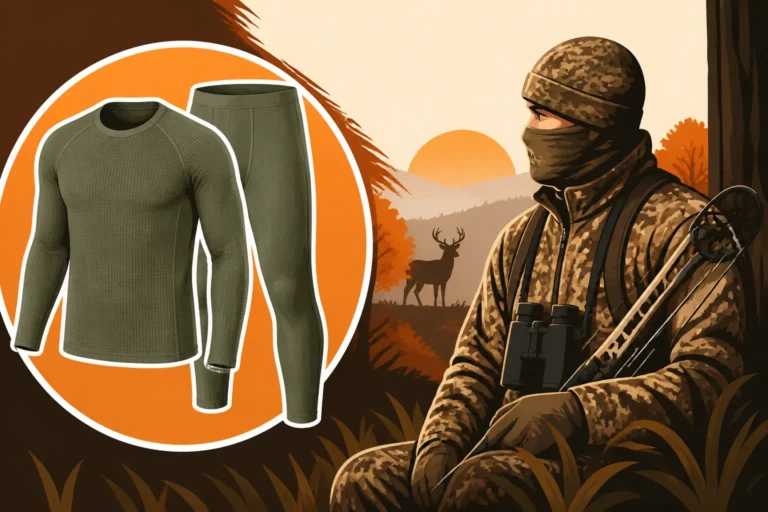
The solution? Invest in a high-quality blaze orange or fluorescent pink vest or jacket that is sized to fit over all your heavy insulation. This might mean buying a vest one or two sizes larger than you typically wear. Look for vests with sturdy zippers and ample armholes that won't restrict movement. Many hunters opt for an insulated blaze orange jacket that serves as their outermost warm layer. When you're bundling up with base layers, a fleece, and a puffy jacket, your blaze outer layer needs to go on last. Consider materials that still allow quiet movement, like a soft-shell blaze orange rather than something stiff and noisy. For tips on managing your core temperature, check out Layering for a Wisconsin Deer Stand and Wool Versus Synthetics in Wet Snow.
Specific Scenarios: Treestands, Ground Blinds, and Drives
How you hunt can also influence how you manage your blaze orange/pink. Each method presents unique considerations for maintaining visibility.
- Treestands: When sitting in a treestand, you're elevated, which can offer greater visibility to other hunters in the area. However, your blaze garment still needs to be fully visible, not bunched up or obscured by your harness or backpack. Make sure your vest or jacket is spread out and clearly seen from all angles. Some hunters even attach a blaze orange flag to the top of their treestand for added visibility, although this doesn't replace the garment requirement. Proper setup is key, and you can find more information in Treestand Setups in Wisconsin Hardwoods.
- Ground Blinds: While inside an enclosed ground blind, you are typically not required to wear blaze orange or pink. The blind itself conceals you. However, the moment you step outside the blind, whether to move, retrieve game, or just stretch, you immediately fall under the regulations if it's during a season where blaze is required. Many hunters keep their blaze vest handy inside their blind, slipping it on before exiting. It’s a good practice to ensure visibility when approaching or leaving your blind site, especially in low light. For more on blinds, see Ground Blind Anchoring in Wind.
- Deer Drives: During a deer drive, especially on public land, visibility is absolutely paramount. Both "drivers" and "posters" should wear as much blaze orange or pink as comfortably possible, exceeding the minimum. Drivers are moving through cover, and posters are often stationary in positions where deer are expected to funnel. The dynamic nature of drives increases the risk of misidentification, making maximum visibility a non-negotiable safety measure. Communication, often with Two-Way Radios on a Deer Drive, combined with highly visible clothing, forms the backbone of a safe deer drive.
Checking Regulations and Staying Updated
The hunting regulations in Wisconsin are not static; they can and do change from year to year. It is every hunter's responsibility to know and abide by the most current rules. Relying on what you "remember from last year" is a recipe for trouble.
The absolute best resource for current and accurate information is the official Wisconsin DNR website and their annual hunting regulations pamphlets. These are typically available online and at license vendors well before the seasons open. Many hunters also use digital tools, such as the Scouting With the Wisconsin Hunt Wild App, which can sometimes integrate regulation information or link directly to the DNR's resources. Websites like GoHunt might also provide general state-specific information or links to official sources, helping hunters stay informed about regulations in various regions. Always read the small print, pay attention to specific county rules (especially regarding baiting bans that might affect others hunting methods), and note any changes to blaze orange/pink requirements for different seasons or specific areas. A few minutes of review can prevent a lot of headaches in the field.
Beyond the Rules: Enhancing Your Safety
While meeting the legal requirements for blaze orange or pink is non-negotiable, thinking beyond the minimums can significantly enhance your safety and peace of mind in the woods.
The Spirit of the Law
The blaze orange/pink rule isn't just a hurdle to jump; it's a testament to the hunting community's commitment to safety. The "spirit of the law" encourages hunters to embrace the concept of maximum visibility for safety, rather than just doing the bare minimum. On heavily hunted public lands, especially during the peak of the gun season, going above and beyond the required 50% can be a wise choice. Wearing a full blaze orange jacket and hat, perhaps even adding some fluorescent pink accents, can only increase your chances of being seen by other hunters.
Think of it as an extra layer of protection for yourself and those around you. It fosters a safer environment for everyone, allowing us all to enjoy the hunt without unnecessary worry. When everyone in the woods is clearly identifiable as a human, it reduces hesitation, improves target identification, and ultimately, saves lives.
Other Safety Considerations
While blaze orange and pink are critical, they are just one component of a comprehensive safety mindset. Here are a few other vital safety considerations for every Wisconsin hunter:
- Positive Target Identification: Always, always be 100% sure of your target and what is beyond it. Never shoot at sound, movement, or an indistinct shape. Make sure you can clearly identify legal game before putting your finger on the trigger.
- Knowing Your Hunting Area: Familiarize yourself with the terrain, property lines, and potential locations of other hunters. Use mapping apps like those often recommended on GoHunt, or traditional paper maps, to understand your surroundings.
- Communication: If hunting with a group, establish clear communication protocols. Two-Way Radios on a Deer Drive are invaluable for this. Let someone know where you are hunting and when you expect to return, especially if you're hunting alone in remote areas.
- Firearm Safety: Always follow the basic rules of firearm safety: treat every firearm as if it's loaded, always point the muzzle in a safe direction, keep your finger off the trigger until ready to shoot, and be sure of your target and what's beyond.
Gear for Enhanced Visibility
In addition to your legal blaze garments, there's other gear that can further enhance your visibility and overall safety in the field. These items aren't usually mandated, but they add layers of protection.
- Headlamps: For walking in before dawn or out after dusk, a powerful headlamp is essential. Not only does it help you see, but the beam of light can also alert other hunters to your presence. For those dark walks, consult Headlamps for Walking Out After Dark.
- Reflective Tape/Markers: While not blaze orange, small strips of reflective tape on your pack or a trail marker can catch light and make you more visible in low-light conditions or if you become disoriented.
- Bright Flagging Tape: If you're marking a trail to your stand or a blood trail, using brightly colored flagging tape that contrasts with the environment (and is easily removed after use) can help you and others navigate safely.
- Whistle: A simple whistle can be an effective way to signal distress or alert other hunters to your presence if you're in an emergency situation.
By combining mandatory blaze orange/pink with these additional safety practices and tools, you're not just complying with the law; you're actively creating a safer hunting experience for yourself and everyone else who shares the Wisconsin woods.
Disclaimer
This article is for general informational purposes only and does not constitute professional advice. Laws, prices and regulations vary by location and change over time. Consult a qualified professional for guidance on your specific situation.