Headlamps for Walking Out After Dark
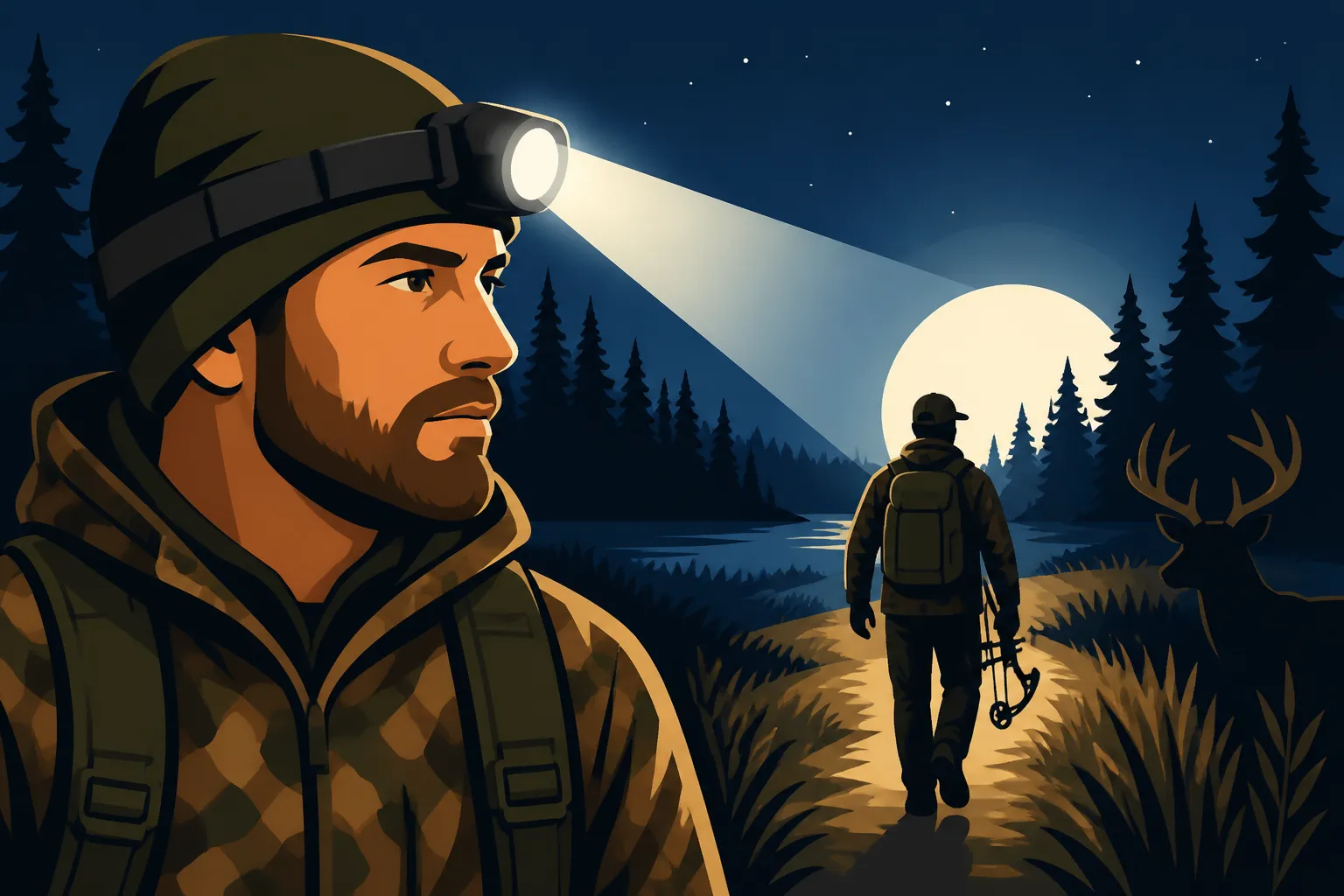
It's that moment we've all experienced: the sun dips below the horizon, painting the Wisconsin sky in hues of orange and purple, and suddenly that deer you just tagged looks a lot further away. Or maybe you're just trying to navigate back to the truck after an evening sit, and the familiar woods start to look a whole lot different in the fading light. Relying on your phone flashlight is a recipe for a twisted ankle or worse. This guide will help you understand why a dedicated headlamp is a non-negotiable piece of gear for any Wisconsin hunter and how to choose and use the best one for your needs.
The Indispensable Role of a Headlamp in Wisconsin Hunting
When you're out in the field, whether it's the sprawling Chequamegon-Nicolet National Forest Hunting or the tight cover of Wisconsin cedar swamps, things change dramatically once the light starts to fade. A headlamp isn't just a convenience; it's a critical tool for safety, efficiency, and ethical hunting practices.
Why Your Phone Flashlight Just Doesn't Cut It
Let's be honest, we've all done it. You pull out your smartphone, flick on the flashlight, and try to make your way. But think about it: your hands are full. You're carrying your bow or rifle, maybe a pack, and certainly trying to keep your balance over uneven terrain. Trying to hold a phone, direct its beam, and navigate is a recipe for disaster. You're constantly fumbling, dropping it, or having the beam swing wildly. Moreover, most phone flashlights simply don't have the sustained brightness or beam pattern needed for serious tasks like blood trailing or field dressing. The cold Wisconsin air can also drain phone batteries surprisingly fast, leaving you literally in the dark when you need light the most.
Enhancing Safety and Efficiency After Dark
A good headlamp frees up your hands entirely, allowing you to carry your gear securely, maintain better balance, and react more quickly to obstacles. Imagine tracking a deer through thick brush in the dark: one hand on your weapon, the other steadying yourself, and your headlamp illuminating the ground directly in front of you. This hands-free operation is paramount for safety, preventing trips and falls, especially when you're tired or carrying a load.
Beyond personal safety, a headlamp drastically increases efficiency. Field dressing a deer in the dim light of dusk can be a challenge. With a headlamp, you can clearly see what you're doing, ensuring a cleaner, more thorough job. The same goes for climbing into a treestand before dawn or finding your way through unfamiliar terrain on public land. It allows you to focus on the task at hand without the added stress of inadequate lighting.
Key Features to Look for in a Hunting Headlamp
Not all headlamps are created equal, especially when it comes to the demands of Wisconsin hunting. There are several crucial features you should consider to ensure you pick a lamp that will genuinely serve you well in the field.
Lumens and Beam Patterns: Seeing What You Need to See
Lumens refer to the total amount of visible light emitted by a light source. For hunting, you don't necessarily need the highest lumen count at all times, but you need options. A good hunting headlamp will offer multiple brightness settings.
- Low Settings (20-50 lumens): Perfect for walking quiet trails, checking your pack, or reading a map without blowing out your night vision or spooking game nearby. This is also excellent for conserving battery life.
- Medium Settings (100-200 lumens): Ideal for general walking, setting up a blind, or moving through more open timber. It provides enough light to see obstacles but isn't overly bright.
- High Settings (300+ lumens): Essential for critical tasks like blood trailing, field dressing, or navigating tricky terrain. You'll want a powerful beam to cut through the dark and identify details.
Beyond raw lumens, the beam pattern is crucial.
- Floodlight (Wide Beam): Illuminates a broad area, great for tasks where you need situational awareness, like setting up camp or walking a wide logging road.
- Spotlight (Narrow Beam): Concentrates light into a focused beam, essential for looking ahead on a trail, searching for landmarks, or picking up reflective eyes in the distance.
Many quality headlamps offer a combination of these, allowing you to switch between them or even use them simultaneously. A brand like GoHunt, known for its focus on serious outdoor gear, often features models with these versatile beam options.
Battery Life and Power Source: Endurance for the Long Haul
Imagine you're deep in the Hunting the Wisconsin Northern Forest for Deer, having just finished field dressing a buck, and your headlamp dies. Not good. Battery life is paramount.
- Alkaline Batteries: Readily available and inexpensive, but their performance drops significantly in cold weather, which is a common occurrence during Wisconsin's Nine-Day Gun Deer Season or Muzzleloader Deer Hunting in Wisconsin. They also offer a less consistent light output as they drain.
- Rechargeable Lithium-Ion Batteries: These are often the best choice for hunters. They perform much better in the cold, maintain a more consistent light output, and are more environmentally friendly in the long run. Many modern headlamps use proprietary rechargeable battery packs, some of which can be swapped out for spares in the field. Some also offer a "hybrid" option, allowing you to use either the rechargeable pack or standard AA/AAA batteries as a backup. Always carry spare batteries or a fully charged spare battery pack, especially if you'll be out for extended periods or if the forecast calls for truly frigid temperatures.
Durability and Water Resistance: Built for the Wisconsin Wilds
The Wisconsin outdoors is tough on gear. Your headlamp needs to be able to withstand drops, bumps, and exposure to the elements.
- Impact Resistance: Look for models with a rugged casing. Accidental drops are inevitable when you're pulling a deer sled or climbing into a stand in the dark.
- Water Resistance (IPX Rating): This is critical. You'll encounter rain, sleet, snow, and condensation. An IPX4 rating means it can handle splashes, while IPX7 or IPX8 means it can be submerged for a short period. For hunting, aim for at least IPX4, but higher is always better for peace of mind in a Wisconsin downpour or heavy wet snow. Nobody wants a headlamp that quits halfway through Tracking a Deer in Wisconsin Snow.
Other Convenient Features
- Red Light Mode: This is a game-changer. A red light preserves your natural night vision and is much less likely to spook game than a bright white light. It's perfect for walking to your stand, checking trail cameras, or rummaging through your pack without alarming every deer in the area.
- Comfort and Fit: A headlamp should be comfortable enough to wear for hours. Look for adjustable straps, good weight distribution, and a soft, breathable band. Some larger models might have a top strap for added stability.
- Easy Controls: Can you operate it with gloves on? Are the buttons intuitive? In the dark, fumbling with tiny, complex buttons is frustrating.
- Tilting Head: Being able to angle the beam up or down without tilting your entire head is incredibly useful for directing light precisely where you need it, whether you're looking at boot tracks or scanning tree branches.
Choosing the Right Headlamp for Your Wisconsin Hunting Style
Your choice of headlamp should align with the specific type of hunting you do and the conditions you often face in Wisconsin.
For Blood Trailing and Field Dressing
When you're Blood Trailing After Dark in Wisconsin, you need serious illumination to pick up every speck of red on the forest floor. You also need good peripheral vision to spot bent grass or disturbed leaves.
- High Lumens with a Strong Spot Beam: Crucial for penetrating the darkness and identifying subtle signs.
- Floodlight Option: Allows you to sweep a wider area for a general sense of the trail.
- Consistent Light Output: You don't want the light to dim as the battery drains when you're trying to follow a tough trail. Rechargeable lithium-ion batteries excel here.
- Red Light: Useful for quickly switching to a less intrusive light if you pause to listen or suspect you're near a bedded animal.
For Navigating to/from Your Stand
Whether it's walking into your Treestand Setups in Wisconsin Hardwoods before legal shooting light or making the trek back to your vehicle after dark, careful navigation is key.
- Adjustable Brightness: Low for stealthy entry, higher for navigating rougher sections.
- Long Battery Life: You'll be using this often, so a reliable charge is important.
- Red Light Mode: Absolutely essential for minimizing disturbance as you approach your hunting area in the pre-dawn hours. It helps you see without being a beacon for every animal.
- Lightweight and Comfortable: You might be wearing this for a good portion of your walk, so it needs to be unobtrusive.
For Setting Up or Breaking Down Camp
If you're doing any overnight trips, or even just processing game at camp after dark, a versatile headlamp is a must.
- Wide Flood Beam: Good for illuminating a larger area for camp tasks.
- Multiple Brightness Settings: So you can dial it back for conversation or boost it for detailed work.
- Durability: It's going to get knocked around.
- Hybrid Power: The ability to switch between rechargeable and standard batteries is a huge bonus when you're away from a charging source.
| Feature Category | Essential for All Hunting | Key for Blood Trailing | Key for Stand Navigation | Key for Camp Use |
|---|---|---|---|---|
| Brightness (Lumens) | Multi-level (20-500+) | High (300+), consistent | Low-Mid (20-150) | Mid-High (100-300) |
| Beam Pattern | Spot & Flood options | Strong Spot, Flood | Flood, discreet Spot | Wide Flood |
| Battery Type | Rechargeable Li-Ion | Rechargeable Li-Ion | Rechargeable Li-Ion | Rechargeable/Hybrid |
| Water Resistance | IPX4 minimum | IPX5+ | IPX4 | IPX4+ |
| Red Light Mode | Yes | Yes (for quick checks) | Absolutely! | Nice to have |
| Hands-Free | Absolutely | Absolutely | Absolutely | Absolutely |
| Durability | Good | High | Good | High |
| Comfort/Fit | High | High | High | High |
Practical Tips for Using Your Headlamp in the Field
Having the right headlamp is only half the battle; knowing how to use it effectively and manage its power is crucial for a successful and safe hunt.
Battery Management in Cold Weather
Wisconsin's cold temperatures, especially during late-season hunts or Muzzleloader Tactics in December Cold, are notorious for draining batteries faster.
- Carry Spares Warm: Always keep spare batteries or a spare rechargeable pack in an inside pocket, close to your body. Your body heat will keep them warm and ready to perform when swapped in.
- Use Low Settings: Conserve power by using the lowest effective brightness setting whenever possible. Only crank it up when absolutely necessary for tasks like Field Dressing a Deer in Cold Weather or intense blood trailing.
- Remove Batteries for Storage: If you're storing your headlamp for an extended period, remove the batteries to prevent corrosion and leakage.
The Importance of a Backup Light Source
Even the best headlamps can fail. A dropped headlamp, a dead battery, or an unexpected malfunction can leave you in a very vulnerable position.
- Small Backup Flashlight: Carry a small, reliable LED flashlight in your Packs for a Day on Public Land. It doesn't need to be fancy, just bright enough to get you out of a jam. Keep it accessible.
- Familiarize Yourself with the Terrain: Even with a headlamp, knowing your route, especially on public land like Hunting the Kickapoo Valley Reserve, can be a lifesaver if your light gives out. Use apps like GoHunt to scout your entry and exit routes thoroughly during daylight.
- Tell Someone Your Plans: Always let a friend or family member know where you're hunting and when you expect to return. This isn't directly light-related, but it's crucial for safety if you encounter an unexpected problem.
Ethical and Safety Considerations
Using a headlamp wisely isn't just about your convenience; it's about respecting other hunters, wildlife, and the hunting environment.
- Minimize Light Pollution: When walking to your stand, use your red light or the lowest white light setting possible. A powerful beam sweeping through the woods at 4 AM can spook deer and alert other hunters to your presence.
- Blaze Orange/Pink: While a headlamp illuminates your path, don't forget your visibility to others. Make sure you're wearing appropriate How Much Blaze Orange Wisconsin Requires or fluorescent pink, especially if you're out during daylight hours. When using a headlamp during legal shooting hours, other hunters might assume you are an animal if you are not clearly visible.
- Consider Others: If you're hunting with a partner or in an area with other hunters, be mindful of where you're shining your beam. Avoid shining directly into another person's eyes or towards areas where you know other hunters are set up.
- Leave No Trace: Ensure you pack out any old batteries or trash associated with your headlamp. Leave the woods cleaner than you found them.
Ultimately, a good headlamp is an investment in your safety, efficiency, and overall hunting experience in Wisconsin. Don't skimp on this essential piece of gear; your comfort and success in the field depend on it.
Disclaimer
This article is for general informational purposes only and does not constitute professional advice. Laws, prices and regulations vary by location and change over time. Consult a qualified professional for guidance on your specific situation.