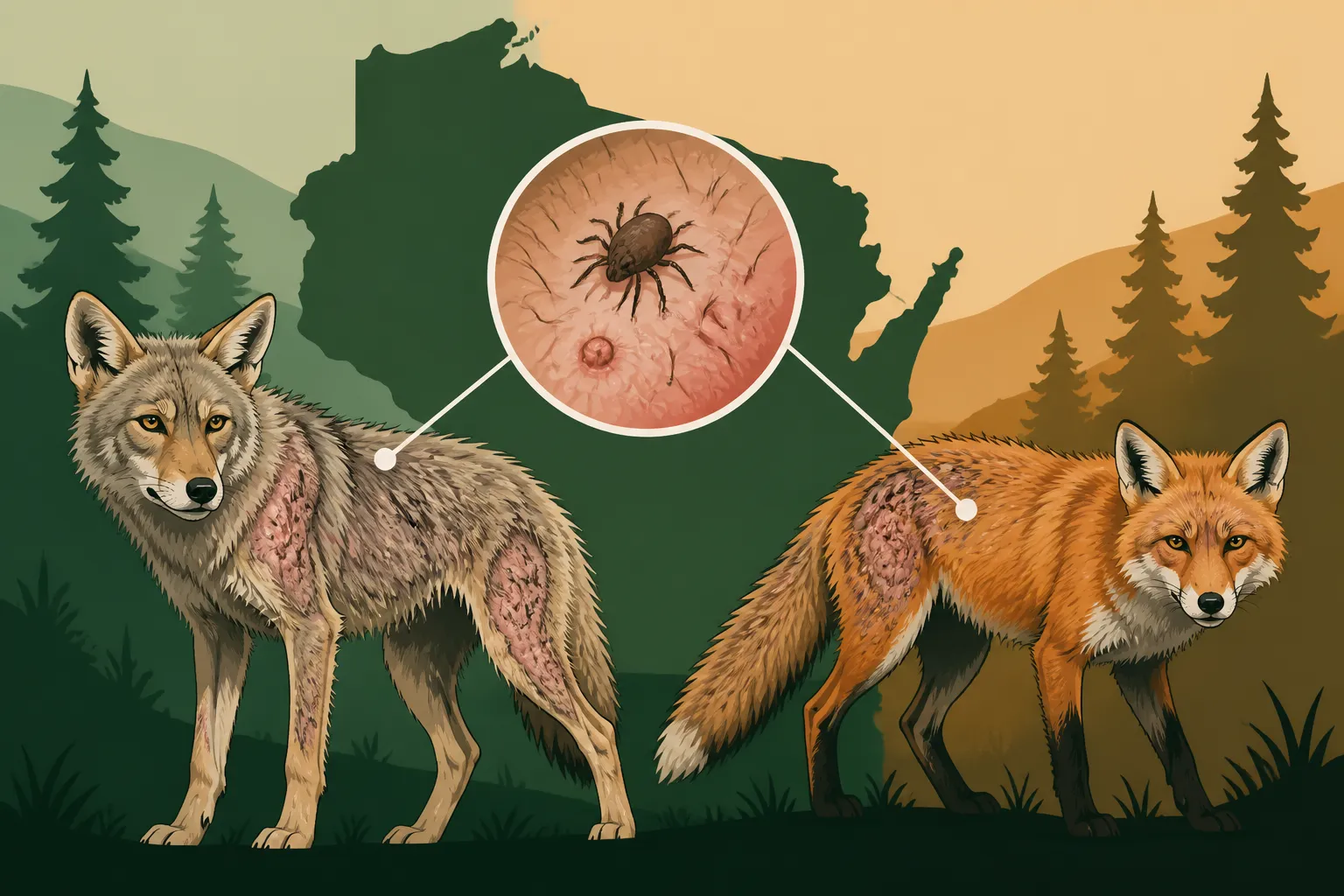
Mange in Wisconsin Coyotes and Foxes
It’s a sight that can be unsettling for any Wisconsin hunter or landowner: a coyote or fox, usually looking a bit thin, with patches of missing fur and crusty, irritated skin. This isn't just a bad hair day for our wild canids; it's often a severe case of sarcoptic mange, a parasitic skin disease that can severely impact an animal's health and survival. This guide aims to shed light on what mange is, how it spreads among Wisconsin's coyote and fox populations, and what you, as a concerned observer or hunter, can do to understand and help monitor its presence in our woods and fields.
What Exactly is Mange and How Does it Affect Coyotes and Foxes?
When we talk about mange in wild canids like coyotes and foxes, we're almost always referring to sarcoptic mange, a highly contagious and miserable condition. It’s not just a minor irritation; it's a relentless assault on an animal's well-being, often leading to a slow, painful decline if left unchecked.
The Culprit: Sarcoptic Mites and Their Life Cycle
The root cause of sarcoptic mange is a microscopic eight-legged mite called Sarcoptes scabiei. These aren't just surface dwellers; these tiny arachnids burrow into the skin of their host, creating tunnels where they live, feed, and lay their eggs. Imagine having thousands of tiny insects tunneling just under your skin, constantly moving and reproducing – that's the reality for an animal suffering from mange.
The mites have a relatively short life cycle, usually completing it in about 10-17 days. Eggs hatch, larvae mature into nymphs, and nymphs become adult mites, all within the skin. This rapid reproduction means that an infestation can quickly escalate from a few mites to a widespread problem across an animal's body. The burrowing and feeding activity of the mites, combined with the animal's intense allergic reaction to their saliva and feces, causes the agonizing itching that defines mange. This itching is so severe that it often drives the animal to scratch and bite itself relentlessly, leading to further skin damage and secondary infections.
Visible Symptoms and Progressive Stages
The signs of mange are usually quite distinct and become more severe as the infestation progresses. Initially, you might notice small patches of hair loss, often around the face, ears, armpits, and groin. The skin underneath might appear reddened or bumpy. However, as the mites multiply and the animal scratches more, these symptoms worsen dramatically.
The hair loss becomes more extensive, spreading across the back, flanks, and legs. The skin thickens, wrinkles, and becomes crusted with scabs and sores, often taking on a grayish, elephant-hide appearance. This is due to constant scratching and the body's inflammatory response. Secondary bacterial infections are common, leading to foul odors and further discomfort. Eventually, the animal can become severely emaciated because it expends so much energy itching, is constantly stressed, and struggles to hunt or forage effectively. Their body temperature regulation is compromised by the lack of fur, making them highly vulnerable to the harsh Wisconsin winters.
Impact on the Animal and Local Wildlife
The direct impact on an individual coyote or fox is devastating. Beyond the excruciating itch, chronic mange leads to weight loss, lethargy, and a weakened immune system. A mangy animal is less able to hunt successfully, evade predators, or withstand the elements. During the breeding season, affected animals might be too weak to reproduce, impacting local population dynamics.
While mange primarily affects canids, the mites are often "host-specific" but can temporarily infest other species. For instance, while a deer won't get full-blown sarcoptic mange from a coyote, they might experience temporary itching if exposed to the mites. The primary concern, however, is the spread among susceptible species. If one coyote in a territory has mange, it's highly likely to pass it on to its pack mates through close contact, shared den sites, or even by just frequenting the same bedding areas. This can lead to localized outbreaks, potentially reducing the local population of foxes or coyotes. Understanding these dynamics is crucial for anyone monitoring wildlife, like those using sophisticated tools from GoHunt to track animal movements and observations.
How Mange Spreads and Why We See It in Wisconsin's Canids
Mange isn't just an individual animal's problem; it's a communicable disease that spreads through wildlife populations. Understanding its transmission is key to comprehending why certain areas or years might see more cases than others in Wisconsin.
Direct Contact and Environmental Factors
The primary way sarcoptic mange spreads among coyotes and foxes is through direct, prolonged physical contact. This is particularly common within family units or packs that den together, hunt together, and share resting spots. A mangy mother can easily pass mites to her pups, and infected siblings can spread it amongst themselves. Similarly, when territories overlap and animals interact, even briefly, there's a chance for mite transfer.
However, direct contact isn't the only way. While mites generally prefer to live on a host, they can survive off an animal for a limited time in certain environmental conditions. This means that shared bedding sites, dens, or even a popular rubbing post can become temporary reservoirs for mites. An uninfected animal using these same spots shortly after an infected one could pick up mites. While the environmental survival rate of mites varies based on temperature and humidity, it's a factor in transmission. During milder, humid weather, mites can persist longer, potentially increasing the risk of indirect transmission.
The Role of Population Dynamics
The density of a wildlife population plays a significant role in how readily diseases like mange spread. In areas where coyote or fox populations are particularly dense, animals come into contact more frequently, providing more opportunities for mites to jump from host to host. Think of it like a classroom during flu season: the more kids packed into a room, the faster the germs spread.
Conversely, in areas with lower animal densities, the spread might be slower or more localized. A robust, healthy population with good access to food and less competition might also exhibit better overall health and a stronger immune response, making them more resilient to severe infestations. However, if a population is already stressed due to factors like food scarcity, harsh winters, or other diseases, their immune systems can be compromised, making them more susceptible to mange and its debilitating effects. This is one reason why healthy habitats and balanced predator-prey relationships are so vital, as highlighted in topics like Predator and Furbearer Hunting in Wisconsin.
Seasonal and Environmental Influences
Mange can occur year-round, but certain seasons and environmental conditions can exacerbate its impact and visibility. Severe mange infestations often become most noticeable during the colder months in Wisconsin. An animal already suffering from significant hair loss and skin damage will struggle immensely to maintain body heat in freezing temperatures, heavy snow, or icy winds. This makes them much more vulnerable to hypothermia and frostbite.
Conversely, the same factors that weaken an animal also make them more visible to humans. A mangy coyote or fox that is constantly scratching, appears lethargic, or is foraging at unusual times (due to weakness and desperation) might be more likely to be observed by hunters or landowners. The lack of lush summer foliage also makes it easier to spot an animal with patchy fur in the fall and winter. For wildlife managers, understanding these seasonal peaks in observation helps in analyzing data on disease prevalence, information that tools like GoHunt can help compile through user reports.
What Hunters and Landowners Should Do About Mange
Encountering a mangy animal can evoke a range of emotions, from concern to mild revulsion. While it's natural to want to help, intervening directly with wild animals is generally not advisable or legal. However, there are crucial steps hunters and landowners can take to contribute to wildlife monitoring and ensure their own safety and that of their pets.
Reporting Sightings and Understanding the Data
One of the most valuable things you can do is report sightings of sick or mangy animals to the Wisconsin Department of Natural Resources (DNR). This isn't just busywork; your observations contribute to a larger understanding of wildlife health and disease prevalence across the state. The DNR uses these reports to track the geographical spread of diseases, identify areas with potential outbreaks, and monitor population health.
When reporting, try to include as much detail as possible: the species (coyote, red fox, gray fox), a description of its condition (e.g., "significant hair loss on back and tail, very thin"), the exact location (GPS coordinates if possible, or a detailed address/landmark), and the date and time of the sighting. Photographs or videos, if safely obtained, can also be very helpful. Remember that the DNR also collects data on animals collected during hunting seasons, so if you harvest an animal that appears mangy, consider contacting them for possible sampling. This kind of community-sourced data is invaluable for wildlife management, and platforms integrating citizen science, such as certain features within GoHunt, are making it easier for individuals to contribute meaningful observations. For more detailed instructions on what to do, refer to Reporting a Sick Animal in Wisconsin.
Handling Mange-Affected Animals Safely
If you encounter a mangy animal, alive or dead, it's important to exercise caution. While sarcoptic mange is primarily a canid disease, the mites can temporarily transfer to humans (causing a transient, itchy rash) or domestic pets (causing full-blown mange).
- Do not attempt to capture or treat a wild animal. Not only is it dangerous for both you and the animal, but it's also generally illegal without proper permits and training. Wild animals are easily stressed, and your intervention could do more harm than good.
- Wear gloves if you must handle a deceased mangy animal, such as when removing it from your property.
- Dispose of carcasses properly. If you find a dead mangy coyote or fox, the best practice is to bury it deeply or contact your local DNR office for guidance on disposal, especially if it's in a location where pets or other wildlife might come into contact with it.
- Monitor your pets. If your domestic dogs frequently roam areas where mangy wildlife has been sighted, keep a close eye on them for excessive scratching or skin issues. Consult your veterinarian immediately if you suspect your pet has picked up mange.
For hunters harvesting a mangy animal, the meat is generally safe to consume if it is thoroughly cooked, but most hunters choose not to keep an animal that is severely emaciated or riddled with disease. Always field dress with gloves and wash your hands and tools thoroughly afterward. This practice is also important for understanding diseases like CWD, as discussed in Wisconsin Wildlife Disease Monitoring.
Managing Wildlife Populations and Habitat
While you can't cure a wild fox of mange, broader wildlife management practices can indirectly help mitigate disease impacts. Healthy wildlife populations, living in good habitat with sufficient food resources, are generally more resilient to diseases. When animals are stressed, malnourished, or overcrowded, disease can take a greater toll.
For landowners, promoting healthy habitat through diverse plantings, maintaining natural cover, and ensuring a balanced ecosystem can support robust wildlife populations. For hunters, ethical harvesting practices, especially in areas with high animal densities, can sometimes help reduce the spread of disease by naturally thinning populations, although direct "culling for mange" is typically a decision made by wildlife professionals after careful study. Hunting coyotes and foxes is a long-standing tradition in Wisconsin, and strategies like those found in Coyote Calling in Wisconsin Winter or Wisconsin Small Game and Furbearer Seasons contribute to monitoring and managing these populations. Knowing How Many Coyotes Wisconsin Has helps put individual sightings into perspective regarding overall population health.
Common Misconceptions and Broader Ecological Impact
Mange in wildlife can be alarming, but it's important to approach it with a clear understanding, dispelling myths, and recognizing its place within the natural order.
Is Mange a Threat to Pets or Humans?
This is perhaps the most common question and concern. The good news is that while the sarcoptic mite can temporarily infest humans, causing what's known as "scabies," it's usually a short-lived and self-limiting problem. The mites that specialize in canids aren't well-adapted to human skin, and they typically die off without reproducing on us. You might experience an intensely itchy rash, particularly in areas where you had direct contact (e.g., if you handled a mangy animal without gloves), but it's not a severe, long-term infestation like it is for a fox or coyote. A quick visit to your doctor can usually confirm and treat it.
For domestic pets, especially dogs, the risk is higher. Dogs can contract sarcoptic mange (often called "canine scabies") from infected wild canids. If your dog comes into contact with a mangy fox or coyote, or even frequents an area where an infected animal has rested, they could pick up the mites. Symptoms in dogs are similar to those in wildlife: intense itching, hair loss, and skin irritation. It's highly contagious among dogs, so if one pet gets it, others in the household are at risk. Prompt veterinary care is essential for diagnosis and treatment. However, it's important to remember that not all hair loss or skin issues in pets are due to sarcoptic mange; other conditions like allergies or demodectic mange (caused by a different mite) can present similarly.
The Natural Cycle of Disease in Wildlife
It can be difficult to witness an animal suffering, but diseases like mange are a natural part of wildlife ecology. In many ways, they serve as a "natural selection" mechanism, helping to cull weaker or less fit individuals from a population. While a severe mange outbreak can cause localized declines in coyote or fox numbers, it rarely leads to the complete eradication of a species from an area.
Wildlife populations have evolved with diseases, and there's often a cyclical nature to their prevalence. Factors like population density, environmental conditions, and the overall health of the animals can influence how widespread and severe an outbreak becomes. Over time, populations can also develop some level of natural resistance to the mites. It's a harsh reality of the wild, but it's how ecosystems maintain balance and strength in their populations. Insights from studies of other Wisconsin canids, such as those covered in Coyotes and Bobcats in Wisconsin, help us understand these population dynamics better.
Mange and Its Place in the Ecosystem
While individual animals suffer, mange's broader ecological impact is generally limited. A temporary reduction in local coyote or fox numbers due to a severe mange outbreak might lead to a brief increase in their prey species, such as rabbits or small rodents. However, ecosystems are complex, and other predators (like bobcats, discussed in Running Hounds for Wisconsin Bobcats) often fill those niches, or the prey populations quickly stabilize.
The temporary absence or weakening of a top-tier predator like a coyote can also have ripple effects, but these are often localized and short-lived. Nature has a remarkable ability to self-regulate, and while we might observe fluctuations, severe mange isn't typically seen as a long-term threat to the overall health or stability of Wisconsin's coyote and fox populations. It serves as a stark reminder of the challenges wildlife face in their daily struggle for survival.
Here's a quick look at how to distinguish potential mange symptoms from typical healthy animal characteristics:
| Characteristic | Healthy Coyote/Fox | Mangy Coyote/Fox |
|---|---|---|
| Coat Appearance | Full, sleek, dense fur; consistent coloration. | Patchy hair loss, often starting around face/tail; dull fur. |
| Skin Condition | Smooth, supple, no visible irritation. | Thickened, wrinkled, scabby, crusty, red patches. |
| Behavior | Alert, active, wary of humans, good body condition. | Excessive scratching/biting, lethargic, emaciated, less wary. |
| Body Condition | Muscular, good weight, strong frame. | Often very thin, ribs and backbone visible, sunken flanks. |
| Eyes/Ears | Clear eyes, upright ears (foxes/coyotes). | Dull eyes, possible crusting around eyes/ears, droopy ears. |
Disclaimer
This article is for general informational purposes only and does not constitute professional advice. Laws, prices and regulations vary by location and change over time. Consult a qualified professional for guidance on your specific situation.