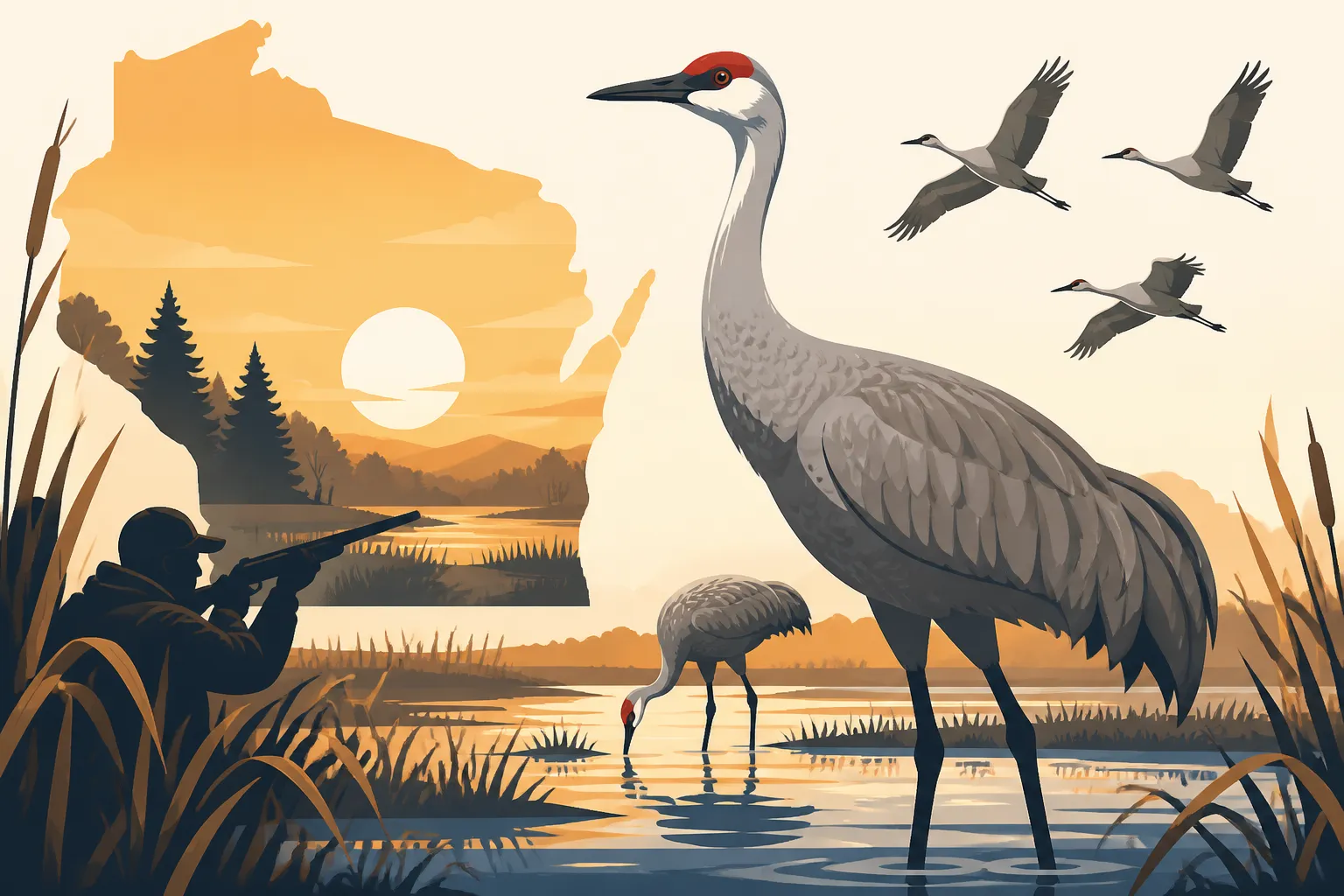
Sandhill Cranes Across Wisconsin Wetlands
Many folks living in or visiting Wisconsin often catch a glimpse of a majestic, long-legged bird in a wetland or field and wonder exactly what they're seeing. Is it a heron? A crane? It's easy to be unsure, especially with so many beautiful avian species gracing our landscapes. This guide will walk you through everything you need to know about the incredible Sandhill Cranes that call Wisconsin home, from their distinct features and fascinating behaviors to their triumphant comeback story and how we can all appreciate them responsibly.
Sandhill Cranes: An Iconic Wisconsin Wetland Resident
When you hear that distinct, rolling, trumpeting call echoing across a marsh in Wisconsin, chances are you're hearing a Sandhill Crane. These magnificent birds are truly a sight to behold, with their stately presence and elegant movements. They're deeply intertwined with Wisconsin's natural identity, a symbol of our vibrant wetlands and a testament to successful conservation efforts. Seeing a pair of them gracefully stepping through a flooded field or a large flock circling overhead is an experience that stays with you.
Distinguishing Sandhills from Other Large Birds
It's common for people to confuse Sandhill Cranes with other tall, wading birds like Great Blue Herons, or even with Canada Geese, especially from a distance. However, once you know what to look for, Sandhills stand out quite clearly. Herons, for instance, tend to fly with their necks tucked in an S-shape, whereas cranes fly with their long necks fully extended. Their legs also stretch out beyond their tails when in flight, giving them a very distinctive silhouette.
Moreover, Sandhill Cranes have a striking reddish patch on their foreheads and crowns, a feature absent in herons or geese. Their plumage is generally a dusty gray-brown, sometimes stained with rust tones from iron in the mud where they forage. Their bill is straight and pointed, quite different from the thicker, more goose-like bill of a Canada Goose or the dagger-like bill of a heron used for spearing fish. Observing their gait on the ground is also telling; cranes walk with a deliberate, almost military stride, holding their heads high, while herons often appear more hunched and watchful, moving slowly through the shallows.
Historical Presence and Conservation Journey
The story of the Sandhill Crane in Wisconsin is one of both struggle and incredible triumph. Historically, these birds were once much more widespread across North America, but habitat loss and unregulated hunting in the 19th and early 20th centuries led to a drastic decline in their numbers. For a time, it seemed like the Sandhill Crane might disappear from much of its traditional range, including parts of Wisconsin. Their wetland homes were drained for agriculture and development, leaving them with fewer places to nest and feed safely.
Thankfully, dedicated conservation efforts, particularly starting in the mid-20th century, turned the tide. Protection under the Migratory Bird Treaty Act, combined with crucial wetland restoration projects across the state, allowed their populations to slowly rebound. Organizations worked tirelessly to preserve critical habitats, educate the public, and implement management strategies that supported the cranes' recovery. Today, Wisconsin boasts a thriving Sandhill Crane population, a testament to what can be achieved when people commit to protecting wildlife and their habitats. Their return is a source of immense pride for many Wisconsinites, showing that even when a species is on the brink, hope and hard work can bring it back.
The Unique Life Cycle and Habits of Sandhill Cranes
Sandhill Cranes are fascinating creatures with a rich repertoire of behaviors that makes observing them a true delight. From their elaborate courtship dances to their diligent parenting, every stage of their life cycle is a marvel. Understanding their habits offers a deeper appreciation for these iconic Wisconsin residents.
Nesting and Rearing Young in Wisconsin
When spring truly arrives in Wisconsin, typically in April and May, Sandhill Cranes begin their nesting activities. They are monogamous birds, and a mated pair will often return to the same general nesting area year after year. Their nests are usually large mounds built from emergent vegetation like cattails, sedges, and grasses, located in shallow water or on small islands within marshes, bogs, and wet meadows. The water provides a natural barrier against predators, offering some security for their vulnerable eggs and young.
Both parents share incubation duties, taking turns sitting on the typically two mottled brown eggs for about a month. Once the "colts," as young cranes are called, hatch, they are precocial, meaning they are relatively mature and mobile soon after birth. This is crucial for survival in their wetland environment. The parents are incredibly protective, fiercely defending their young from threats. You'll often see a pair of adult cranes with one or two fluffy, cinnamon-colored colts trailing behind them, learning to forage and navigate their world. The family unit stays together throughout the summer, with the parents teaching their offspring vital survival skills before the autumn migration.
Diet and Foraging Behavior
Sandhill Cranes are omnivores, meaning their diet is quite varied, reflecting the diverse resources available in their wetland and agricultural environments. They are expert foragers, using their long legs and bills to probe for food in muddy soils, shallow water, and even dry fields. Their diet consists of a wide array of items, from grains, seeds, and berries to insects, snails, frogs, and even small rodents. This flexibility in diet allows them to adapt to different habitats and food availability throughout the seasons.
In Wisconsin's agricultural areas, particularly after harvest, cranes will spend a considerable amount of time in cornfields, gleaning leftover kernels. While this can sometimes lead to conflicts with farmers due to potential crop damage, especially during planting season, much of their field foraging is beneficial, as they consume waste grain that might otherwise attract pests. Their long legs allow them to wade through muck and mire, reaching food sources that many other birds cannot access. This diverse diet is key to their survival and enables them to thrive in various Wisconsin landscapes, showcasing their adaptability.
Sandhill Cranes and Wisconsin's Wetlands
Wisconsin's wetlands are the heart and soul of Sandhill Crane country. These rich, diverse ecosystems provide everything these magnificent birds need to survive and flourish, from safe nesting sites to abundant food sources. Understanding the critical link between cranes and their wetland habitats is key to appreciating their presence in our state.
Preferred Wetland Types
Sandhill Cranes aren't picky about all wetlands, but they certainly have their favorites. They tend to gravitate towards extensive, undisturbed freshwater marshes, bogs, and wet meadows. These areas, characterized by shallow water and a dense growth of emergent vegetation like cattails, sedges, and rushes, offer ideal conditions for nesting. The thick cover provides camouflage for their nests and young, while the shallow water makes it difficult for many terrestrial predators to access.
Beyond nesting, these wetlands are also prime foraging grounds. The moist soils teem with invertebrates, amphibians, and plant roots, all crucial components of the crane's diet. While they do venture into agricultural fields for grains, especially during migration and outside the breeding season, the health and abundance of Wisconsin's natural wetlands remain paramount for the long-term viability of the Sandhill Crane population. Areas like the vast stretches of the Horicon Marsh Waterfowl Hunting Rules are particularly important, offering expansive protected marshland that supports significant crane numbers.
Importance of Habitat Conservation
The resurgence of the Sandhill Crane in Wisconsin is a powerful example of why wetland conservation is so vital. Wetlands are often undervalued, sometimes seen as unproductive land, but they are ecological powerhouses. They act as natural filters, improving water quality, and serve as critical buffers against floods. Most importantly for wildlife, they are nurseries and homes for an incredible diversity of species, including not just Sandhill Cranes but also various waterfowl, amphibians, and furbearers.
Protecting and restoring these habitats is an ongoing effort. Every acre of wetland preserved or rehabilitated directly contributes to the health of the crane population and countless other species. Organizations, state agencies, and private landowners work together to ensure these vital ecosystems continue to function. Efforts to identify and protect key migratory stopover sites and breeding grounds are crucial, preventing a return to the dark days when crane numbers plummeted. When you see a crane in a Wisconsin wetland, you're not just seeing a bird; you're seeing the success of dedicated conservation and the enduring value of these natural spaces.
Migration Patterns and Wisconsin's Role
The annual migration of Sandhill Cranes is one of nature's great spectacles, a truly awe-inspiring event that connects Wisconsin to a larger continental flyway. As seasons change, these birds undertake incredible journeys, and our state plays a vital role as both a breeding ground and a crucial stopover point.
Spring and Fall Migration Through the State
Wisconsin experiences two major waves of Sandhill Crane activity each year: the spring migration, as birds return to breed, and the fall migration, when they gather to head south for warmer climes. In spring, typically from late February through April, you'll start to see cranes returning, often in small groups or pairs, eager to reclaim their nesting territories. Their trumpeting calls fill the air, signaling the true arrival of spring. These birds are often heading for breeding grounds throughout central and northern Wisconsin, preparing for the nesting season we discussed earlier.
By late summer and early autumn, usually from September through November, the landscape begins to transform as cranes gather for their southern exodus. They form massive flocks, often numbering in the thousands, and can be seen spiraling upwards on thermals before setting off on their long journey. These immense gatherings are a sight to behold, a true wildlife spectacle that draws birdwatchers from all over. Understanding these patterns is key for anyone interested in Wisconsin Duck Migration Timing.
Major Staging Areas and Roosts
Wisconsin is home to some incredibly important staging areas where Sandhill Cranes congregate during migration. These locations provide abundant food resources and safe roosting sites, allowing the birds to rest and refuel before continuing their long flights. The most famous of these is undoubtedly the Horicon Marsh. This vast wetland complex, which is a mix of state wildlife area and national wildlife refuge, is a world-renowned staging ground for hundreds of thousands of cranes each fall. Here, you can witness huge numbers of birds flying in at dusk to roost in the safety of the marsh, a truly unforgettable experience.
Other important staging areas include parts of the Mississippi River floodplain, particularly in the southwest portion of the state, and other large wetland complexes. These areas are critical for the cranes' survival, offering protection and energy reserves. Many hunters using the Wisconsin Hunt Wild App, especially those interested in scouting Wisconsin Marsh and River Waterfowl Areas, might inadvertently cross paths with crane activity. These gathering spots demonstrate just how interconnected the entire migratory bird system is and why Wisconsin's diverse habitats are so essential for species like the Sandhill Crane.
| Characteristic | Sandhill Crane | Great Blue Heron | Canada Goose |
|---|---|---|---|
| Size (Height) | 3 to 4 feet tall | 3.5 to 4.5 feet tall | 2.5 to 3.5 feet tall |
| Plumage Color | Gray-brown, rust staining | Gray-blue | Brownish-gray, black neck/head |
| Head/Face | Red patch on forehead/crown | No red patch, black plume | Black head and neck with white chinstrap |
| Bill Shape | Straight, pointed | Long, dagger-like | Broad, flattened |
| Flight Profile | Neck and legs extended | Neck tucked in S-curve, legs extended | Neck extended, legs not always visible |
| Call | Loud, rolling trumpet-like | Deep, guttural croak | Honk, hiss |
| Primary Habitat | Marshes, wet meadows, fields | Shallow water, ponds, rivers | Open water, fields, lawns |
Interaction with Agriculture and Human Activities
As Sandhill Cranes have made their remarkable comeback, their presence has become more widespread, leading to increased interactions with human activities, particularly in agricultural landscapes. These interactions, while mostly benign, sometimes present challenges that require understanding and management.
Crop Damage Concerns
One of the primary points of contention between Sandhill Cranes and humans, especially farmers, revolves around crop damage. Cranes are opportunistic foragers, and newly planted corn or other grain crops offer a readily available and highly nutritious food source. They can pull up young sprouts to eat the germinating seed, or feed on exposed seeds in freshly planted fields. While the impact is generally localized and often overstated, significant damage can occur in specific fields, leading to financial losses for farmers.
This issue is complex because cranes are a protected species under federal law, and their population numbers are robust enough that some states have explored or implemented limited hunting seasons. However, Wisconsin currently does not have a crane hunting season. Instead, management strategies often focus on non-lethal deterrents, such as hazing, noise makers, or planting "lure crops" to draw birds away from valuable fields. Balancing the conservation success of the cranes with the economic needs of the agricultural community is an ongoing challenge that requires thoughtful solutions and collaboration.
Coexistence and Management Efforts
Despite the occasional challenges, the story of Sandhill Cranes in Wisconsin is largely one of successful coexistence. Most people appreciate the sight and sound of these magnificent birds. For those facing crop damage, various management techniques exist to mitigate the impact. The state’s wildlife agencies and organizations like the International Crane Foundation actively work with farmers to provide advice and resources for deterrents. This might include planting sacrificial fields on the edges of main crops or using effigies and audio devices to scare birds away from sensitive areas during critical planting periods.
The overarching goal is to foster a landscape where Sandhill Cranes can continue to thrive alongside human communities. Education plays a crucial role, helping both farmers and the general public understand crane behavior, their ecological value, and the methods available for minimizing conflicts. As the population remains strong, careful monitoring of their numbers and distribution continues, ensuring that management strategies can adapt to changing conditions and that these iconic birds remain a cherished part of Wisconsin's natural heritage. Hunters in Wisconsin, while not able to pursue cranes, often see them during Spring Turkey Hunting in Wisconsin, Wisconsin Waterfowl Hunting on Marsh and River, or even while Hunting Wisconsin Farmland Deer, and are often keen observers of their populations.
Viewing and Appreciating Sandhill Cranes
For many, the opportunity to observe Sandhill Cranes in their natural habitat is a deeply rewarding experience. Whether you're a seasoned birder or simply enjoy wildlife, getting a glimpse of these majestic birds can be a highlight of any day spent outdoors in Wisconsin.
Best Times and Places for Crane Watching
If you're looking to maximize your chances of seeing Sandhill Cranes, timing and location are everything. The peak times for viewing large concentrations of cranes are during their spring and fall migrations. In spring, generally from March to April, you'll see them returning, often in smaller groups, spreading out across the state to their breeding grounds. In the fall, from late September through November, their numbers swell as they gather in immense staging flocks before heading south.
As mentioned, Horicon Marsh is arguably the most famous and reliable location for spectacular crane viewing in the fall. Tens of thousands of cranes congregate there, offering incredible sights and sounds, especially at dawn as they leave their roosts to feed and at dusk when they return. Other significant wetland areas throughout Wisconsin, particularly in the central and southern parts of the state, also provide excellent viewing opportunities. The Necedah Refuge Hunting Access, for example, while primarily for hunting, is surrounded by wetlands that attract a diversity of wildlife, including cranes. Additionally, driving through agricultural areas, especially those near wetlands, during migration can yield many sightings of cranes feeding in fields.
Ethical Wildlife Viewing
When observing Sandhill Cranes, or any wildlife, it's incredibly important to practice ethical viewing principles. The primary rule is to avoid disturbing the birds. This means keeping a respectful distance, especially if you see nesting pairs or families with colts. Approaching too closely can stress the birds, cause them to flush, or even abandon their nests or young. A good pair of binoculars or a spotting scope will allow you to get a fantastic view without intruding on their space.
When visiting public viewing areas, stick to designated trails and observation points. Avoid making loud noises or sudden movements that could startle the cranes. If you're observing from your vehicle, pull over safely and stay inside to minimize disturbance. Remember, these are wild animals, and their well-being should always be the priority. By being a respectful and responsible observer, you contribute to the conservation of Sandhill Cranes and ensure that future generations can also enjoy the privilege of watching these magnificent birds across Wisconsin's wetlands. For those venturing into public lands, maps from resources like GoHunt or other state resources are invaluable for understanding boundaries and access points, helping you find prime viewing locations while respecting designated areas and other users.
Disclaimer
This article is for general informational purposes only and does not constitute professional advice. Laws, prices and regulations vary by location and change over time. Consult a qualified professional for guidance on your specific situation.