Wisconsin Waterfowl on the Mississippi Flyway
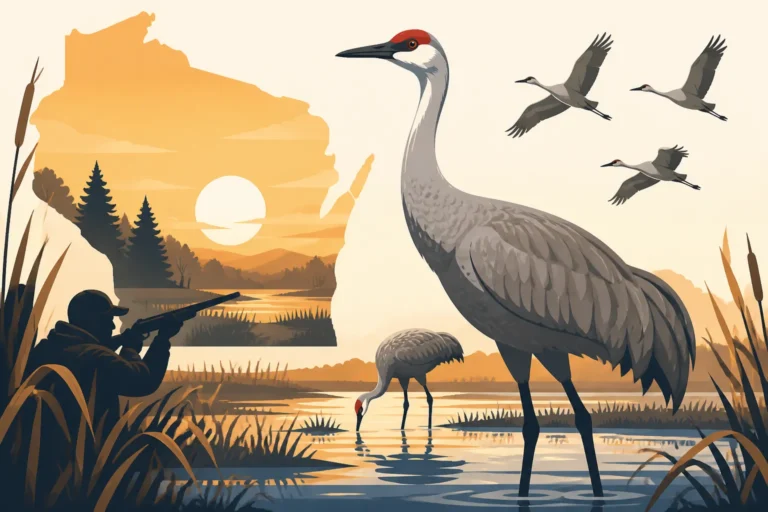
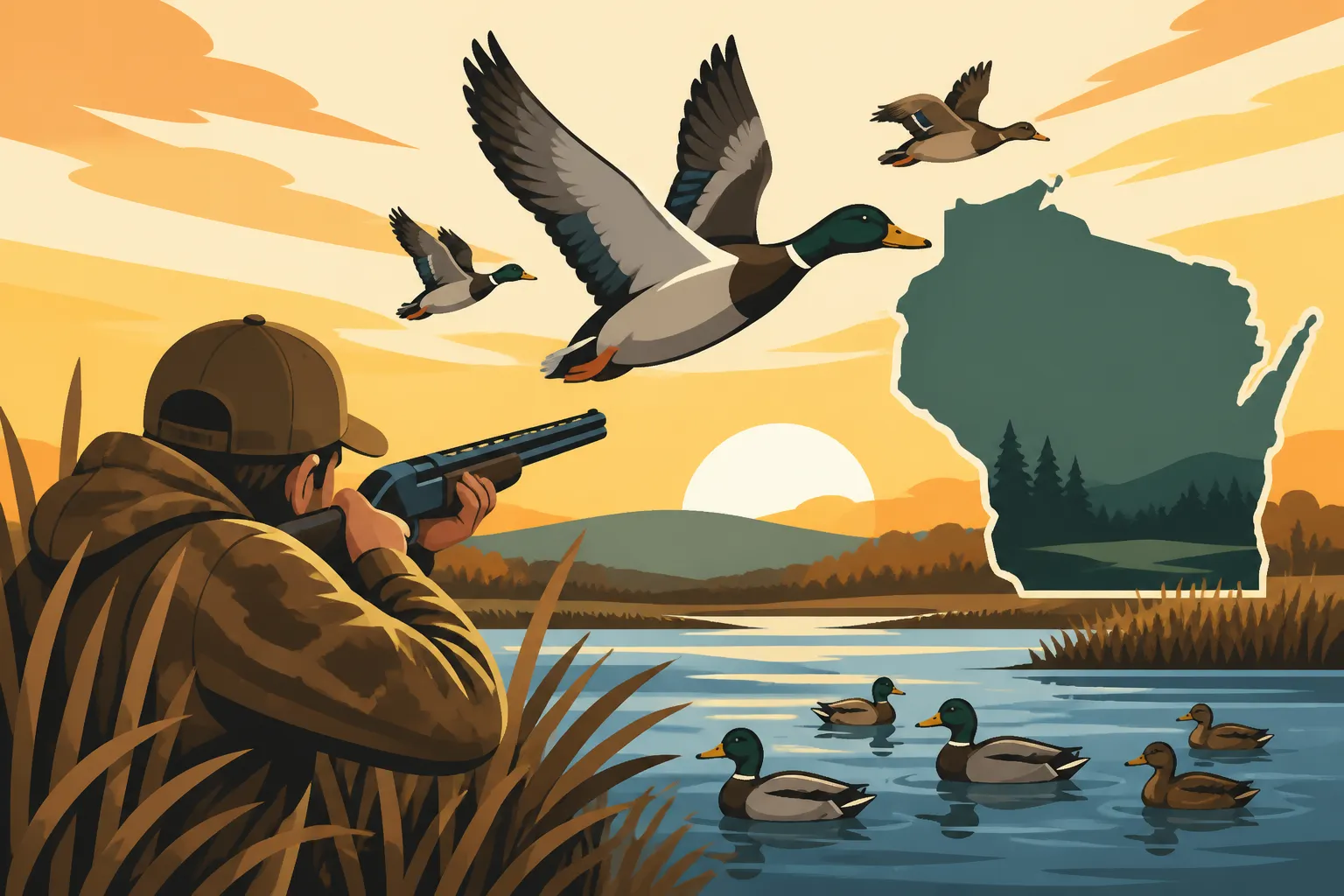
For many of us, the sight of a V-formation slicing across a crisp autumn sky or the sudden flush of a mallard from cattails is more than just a moment; it's a deep-seated call to the wild. But chasing waterfowl in Wisconsin, especially along the famed Mississippi Flyway, can feel like trying to decipher an ancient scroll with all the different zones, species, and regulations. It's truly a complex dance, and knowing where to start, what to expect, and how to navigate the ever-changing landscape of seasons and access can be overwhelming for even seasoned hunters. This comprehensive guide is here to unravel the mysteries and equip you with the knowledge to make your Wisconsin waterfowl hunting dreams a reality.
Understanding Wisconsin's Place on the Mississippi Flyway
Wisconsin occupies a truly special spot on the North American continent, sitting squarely in the heart of the Mississippi Flyway. This isn't just a geographical designation; it's a superhighway for millions of migratory birds, funneling them from their northern breeding grounds in Canada and the Arctic all the way down to their wintering habitats in the southern United States and beyond. For waterfowl hunters, understanding this immense biological flow is absolutely crucial, as it dictates everything from species diversity to migration timing and hunting opportunities.
The Flyway's Importance to Wisconsin Waterfowl
Think of the Mississippi Flyway as the main artery for ducks, geese, and other waterbirds. As these birds leave their summer homes, they follow ancestral routes that have been used for millennia, guided by geography, food availability, and weather patterns. Wisconsin, with its incredible diversity of wetlands, lakes, rivers, and agricultural fields, provides essential stopover points where these birds can rest, refuel, and regroup. Without these vital habitats, the epic journeys these birds undertake simply wouldn't be possible. This means that hunters in Wisconsin are not just hunting local birds; they are tapping into a much larger, continent-spanning migration event. The sheer volume of birds that pass through our state, particularly during the peak of migration in October and November, is simply astounding. It's a testament to the resilience of these species and the importance of preserving the wetlands they rely upon. The health of the entire flyway population often hinges on the quality and quantity of habitat available in states like Wisconsin.
From the smallest teal to the largest Canada geese, each species has its own set of preferred pit stops. For dabbling ducks, flooded timber and shallow marshes teeming with aquatic vegetation and seeds are irresistible. Divers, on the other hand, often seek out deeper, larger bodies of water where they can dive for submerged plants and invertebrates. Geese, being more adaptable, will utilize both large water bodies and agricultural fields, particularly after corn and soybean harvests. Recognizing these preferences and knowing how they align with Wisconsin's landscape is the first step in successful waterfowl hunting here. The changing seasons bring different waves of birds, with early migrants like teal and wood ducks arriving in September, followed by mallards, pintails, and gadwalls in October, and finally the hardy diving ducks and geese later in the fall as colder weather pushes them south.
Key Migration Corridors and Staging Areas
Within the broader Mississippi Flyway, Wisconsin has specific areas that act as magnets for waterfowl. These are the major staging areas, where birds congregate in massive numbers before continuing their journey south. The most famous, of course, is the mighty Mississippi River itself. Its vast backwater sloughs, marshy islands, and numerous refuges create an unbroken chain of habitat that literally teems with birds. Hunters who spend time on the Mississippi River Backwaters often describe it as an almost overwhelming experience due to the sheer number of ducks and geese. The river offers diverse environments, from shallow feeding areas to deep, protected resting spots, catering to a wide array of species. It's a dynamic system, constantly changing with water levels and weather, demanding a hunter's keen observation and adaptability.
Beyond the Mississippi, other critical corridors and staging areas crisscross the state. Horicon Marsh, often dubbed the "Everglades of the North," is another unparalleled waterfowl destination. This massive freshwater cattail marsh is a critical stop for millions of Canada geese and a wide variety of ducks. Its sheer size and protected status make it a safe haven where birds can gather in astronomical numbers, particularly in the fall. While much of Horicon is a refuge, specific hunting zones are available, and the birds dispersing from it offer fantastic opportunities in surrounding areas. Other significant staging grounds include the expansive wetland complexes of Crex Meadows, Meadow Valley, and the thousands of smaller marshes, state wildlife areas, and flowages found throughout central and southern Wisconsin. Even vast agricultural fields, particularly those near water, become crucial staging points for geese and dabbling ducks like mallards, offering prime opportunities for field hunting geese in Southern Wisconsin. Understanding these larger patterns and specific hotbeds is essential for strategic scouting and planning your hunts.
Major Waterfowl Species You'll Encounter
Wisconsin's position on the Mississippi Flyway means an incredible diversity of waterfowl passes through or resides in the state. From the familiar quack of a mallard to the distinct whistle of a wigeon, each species brings its own set of characteristics, preferences, and challenges for the hunter. Knowing your birds isn't just about identification; it's about understanding their behavior, diet, and habitat choices, which in turn informs your hunting tactics.
Dabbling Ducks: Mallards, Wood Ducks, Teal, and More
Dabbling ducks are likely the most commonly encountered waterfowl in Wisconsin, especially by new hunters. These ducks feed primarily on the surface of shallow water, tipping forward to reach submerged vegetation, seeds, and invertebrates, hence the "dabbler" name. They rarely dive, and when they take off, they spring directly into the air.
Mallards: The iconic green-headed drakes and mottled brown hens are, without a doubt, the most prevalent and recognizable duck in Wisconsin. They are incredibly adaptable, found in everything from small farm ponds and flooded timber to large marshes and agricultural fields. Mallards are often the bread and butter of many hunters' bags. Their intelligence, however, makes them a challenging quarry, particularly later in the season when they've been pressured. Early in the season, before heavy hunting pressure, they can be lured into decoys with relative ease, responding well to various calls. Later, they become warier, often circling high before committing, if they commit at all. Understanding their food preferences, especially for waste grain in harvested cornfields, can lead to incredible field hunting opportunities.
Wood Ducks: These stunningly beautiful ducks are often early migrants, favoring secluded, wooded wetlands, beaver ponds, and slow-moving streams. Their distinctive squealing call is often the first sound of an autumn morning. Wood ducks are cavity nesters, relying on old growth trees with holes, which ties them closely to mature timber. They feed on acorns, seeds, and insects. Hunting wood ducks often involves setting up in tight, timbered areas or along river bends where they fly low. Their early migration means they are often abundant during the early archery and early goose seasons before the bulk of the main duck season truly kicks off. They are a prized bird for their striking plumage and challenging flight patterns through timber.
Teal (Blue-winged and Green-winged): Wisconsin offers a special early Teal Season Dates in September, a unique opportunity to target these small, fast-flying ducks before the regular season. Blue-winged teal are typically the first to arrive and depart, often gone by mid-October. Green-winged teal follow a similar pattern but may linger a bit longer. Both species prefer shallow, vegetated wetlands and mudflats where they feed on seeds and small invertebrates. Their small size and erratic flight make them a tricky target, but a flock of teal buzzing your decoys is an exhilarating experience. Learning to identify them quickly by their flight pattern and wing patches is key, as shooting other duck species during the early teal season is illegal.
Other Dabblers: You'll also encounter Northern Pintails, with their elegant long necks and pointed tails; Gadwalls, often overlooked but a common and delicious duck; American Wigeon, known for their distinctive white belly flash and whistling call; and Northern Shovelers, with their comically large bills adapted for filter-feeding. Each offers a unique hunting experience, adding to the richness of Wisconsin's waterfowl opportunities.
Diving Ducks: Canvasbacks, Redheads, Bluebills, and Goldeneyes
Diving ducks, true to their name, feed by diving completely underwater to forage for submerged aquatic vegetation, mollusks, and fish. They typically inhabit larger, deeper bodies of water and require a running start to become airborne, skimming across the water before lifting off. This distinction in behavior and habitat often means different hunting strategies.
Canvasbacks: Often called the "King of Ducks," the canvasback is a magnificent bird, prized for its speed, beauty, and table fare. With its sloping profile and reddish-brown head (on the drake), it's unmistakable. Canvasbacks are strict vegetarians, feeding primarily on the tubers of wild celery and sago pondweed. In Wisconsin, the Mississippi River backwaters and large, open lakes like Lake Winnebago are prime destinations for these birds. Diver hunting on Wisconsin open water can be a cold, rough affair, often requiring large decoy spreads and sturdy boats, but the reward of a "can" dropping into your blocks is unmatched. Their populations fluctuate, and they are often subject to specific bag limits, so always check the current Wisconsin Duck Daily Bag Limit regulations.
Redheads: Another beautiful diving duck, redheads are often found alongside canvasbacks, sharing similar habits but with a more varied diet including some invertebrates. They are a common sight on larger lakes and marshes along the flyway. Their distinctive round, rusty red head and bluish bill make them easy to identify. Hunting redheads often involves similar strategies to canvasbacks, focusing on open water and large decoy spreads.
Scaup (Bluebills): Both Greater and Lesser Scaup, commonly referred to as "bluebills," are abundant diving ducks in Wisconsin. While difficult to distinguish in the field, both are fast-flying, gregarious birds that often travel in large rafts. They are omnivorous, eating both plant material and invertebrates. Bluebills are found on large lakes, rivers, and coastal bays. They can provide fast-paced shooting action, especially during the colder parts of the season when large numbers push south.
Goldeneyes and Buffleheads: These smaller diving ducks are more likely to be found on smaller lakes, rivers, and even bays of larger lakes. Common Goldeneyes and Barrow's Goldeneyes (though Barrow's are rare in Wisconsin) are distinctive with their flashy black and white plumage and bright yellow eyes. Buffleheads are even smaller, often seen in pairs or small groups, and are characterized by their oversized head and striking black and white patterns. They are incredibly agile in flight and offer challenging shots, often darting in unexpectedly. They tend to arrive later in the season as the water cools, providing opportunities even as other species become scarce.
Geese: Canada Geese, Snow Geese, and Brant
Geese offer a completely different waterfowl hunting experience, often focusing on field hunting and larger decoy spreads. Their sheer size and vocal nature make them a thrilling target.
Canada Geese: These are arguably the most common and visible geese in Wisconsin, ranging from the large "giant" Canada geese that breed locally to the smaller, darker-breasted migrants that push through from the north. Wisconsin has a strong resident population, and also sees significant numbers of migrating birds. Canada geese are highly adaptable, feeding on grains in agricultural fields, grasses in pastures, and aquatic vegetation. Their intelligence and keen eyesight make them notoriously difficult to decoy, especially after they've been hunted for a while. Effective Canada goose hunting often involves extensive scouting to locate feeding fields, large, realistic decoy spreads, and well-concealed blinds. Specific goose zones and special early goose seasons, like the September Early Goose Season Tactics in Wisconsin, offer extended opportunities.
Snow Geese: While less common than Canada geese, snow geese do migrate through Wisconsin, particularly in the western part of the state along the Mississippi River. Their numbers can be immense, but their migratory patterns are often more unpredictable. They travel in huge, noisy flocks, creating spectacular aerial displays. Hunting snow geese often requires specialized tactics, including massive spreads of white decoys (sometimes hundreds or thousands) and electronic calls, which are legal for snow geese during conservation order seasons. These hunts are often about opportunity and being in the right place at the right time.
Brant: Brant are a much rarer sight in Wisconsin, typically found along coastal areas rather than inland on the Mississippi Flyway. While they can occasionally be observed during migration, they are not a target species for most Wisconsin waterfowl hunters. Their presence is usually an exciting anomaly for birdwatchers rather than a hunting opportunity.
| Species | Preferred Habitat | Typical Diet | Flight Speed | Distinguishing Features |
|---|---|---|---|---|
| Mallard (Dabbler) | Marshes, ponds, flooded timber, agricultural fields | Seeds, grains, aquatic plants, invertebrates | Medium-fast | Green head (drake), iridescent blue speculum |
| Wood Duck (Dabbler) | Wooded wetlands, beaver ponds, slow streams | Acorns, seeds, insects | Fast, agile | Ornate crest, "squealer" call, rapid take-off |
| Blue-winged Teal (Dabbler) | Shallow marshes, mudflats | Seeds, aquatic insects | Very fast, erratic | Light blue wing patch (visible in flight) |
| Green-winged Teal (Dabbler) | Shallow marshes, mudflats | Seeds, aquatic insects | Very fast, erratic | Green speculum, small size |
| Canvasback (Diver) | Large, deep lakes, river backwaters | Wild celery, sago pondweed tubers | Very fast, direct | Sloping profile, large bill, reddish head (drake) |
| Redhead (Diver) | Large lakes, marshes | Aquatic vegetation, some invertebrates | Fast, direct | Rounded red head (drake), bluish bill |
| Scaup (Bluebill) (Diver) | Large lakes, rivers, bays | Mollusks, invertebrates, aquatic plants | Fast | Often in large rafts, distinct white wing stripe |
| Canada Goose (Goose) | Fields, large lakes, marshes | Grains, grasses, aquatic plants | Strong, steady | Black neck/head with white chin strap |
| Snow Goose (Goose) | Large open fields, coastal marshes | Grasses, grains, roots | Fast, often high | White body, black wingtips |
Prime Waterfowl Hunting Zones and Hotspots
Wisconsin offers an incredible array of waterfowl hunting locations, each with its own character and challenges. While the entire state benefits from its position on the Mississippi Flyway, certain areas stand out as true hotspots due to their habitat, bird concentrations, and historical significance. Knowing these areas and what they offer is key to planning a successful hunt.
The Iconic Mississippi River Backwaters
Without question, the Mississippi River backwaters are the undisputed king of waterfowl hunting in western Wisconsin. This vast and complex system of sloughs, islands, channels, and marshy bays stretches for hundreds of miles along the state's western border, creating an unparalleled habitat for a myriad of duck and goose species. The sheer scale of the Mississippi River Backwaters is hard to grasp until you've explored it. This isn't just a river; it's an entire ecosystem, a constantly evolving tapestry of mudflats, sandbars, cattails, and submerged vegetation.
Hunting here is an adventure that often requires specialized equipment like shallow-draft boats or layout boats, and a good understanding of navigation. Water levels can fluctuate dramatically, affecting access and how birds utilize different areas. When the water is high, ducks may spread out into flooded timber and fields, while lower water concentrates them in main channels and deeper pools. The Mississippi is famous for its diver hunting, with huge rafts of canvasbacks, redheads, and scaup staging in open water. But it also provides excellent dabbler hunting in the shallower sloughs and flooded willows. Learning to read the river, understand its currents, and identify key feeding and resting areas is a lifetime pursuit for many hunters. Many parts of the river are part of the Upper Mississippi River National Wildlife and Fish Refuge, which has specific hunting regulations and zones. Utilizing resources like the GoHunt app or detailed topographic maps is essential for navigating these waters and understanding public land boundaries. Hunters should also familiarize themselves with Mississippi River Backwater Access Points to find launching spots and understand local regulations.
Horicon Marsh and Other Managed State Wildlife Areas
Moving inland, Horicon Marsh stands as a monumental waterfowl destination. Located in southeastern Wisconsin, this colossal freshwater cattail marsh covers over 33,000 acres, making it the largest freshwater cattail marsh in the United States. It's a critical stopover and breeding ground for millions of birds, particularly Canada geese, but also hosts a remarkable diversity of duck species. The sheer number of Canada geese at Horicon Marsh can be mind-boggling in the fall, with estimates often reaching hundreds of thousands. While a significant portion of Horicon is a national wildlife refuge with strict non-hunting rules, the state-managed areas offer robust hunting opportunities.
Hunting Horicon Marsh waterfowl requires a deep understanding of its specific regulations, including permit requirements and designated hunting zones. There are often managed draws for specific waterfowl units within the state property, which can offer prime, controlled hunting experiences. Even if you don't draw a permit for a managed unit, the areas surrounding Horicon can provide incredible hunting as birds disperse from the refuge to feed in nearby agricultural fields. Hunters here often focus on Canada geese, utilizing field blinds and large decoy spreads, but marsh hunting for ducks is also popular in the peripheral areas. Beyond Horicon, Wisconsin boasts numerous other high-quality State Wildlife Areas and managed waterfowl properties scattered across the state, such as Crex Meadows, Meadow Valley Wildlife Area, Collins Marsh, and the Grand River Marsh. These areas are specifically managed for waterfowl habitat, often featuring impoundments, food plots, and regulated access to enhance hunting opportunities. Many of these areas offer the opportunity for a Wisconsin Managed Waterfowl Draw, which can provide access to prime, less pressured hunting spots.
Inland Lakes, Rivers, and Agricultural Fields
While the big names like the Mississippi and Horicon get a lot of attention, countless smaller inland lakes, rivers, and agricultural fields throughout Wisconsin offer fantastic, often less-pressured, waterfowl hunting. Don't overlook these hidden gems.
Inland Lakes and Rivers: From the large, flowage-rich northern lakes to the smaller kettle lakes of southern Wisconsin, these bodies of water provide vital resting and feeding areas for both dabbling and diving ducks. Rivers, especially the slower-moving stretches and oxbows, can be phenomenal for jump shooting Wisconsin rivers, particularly for mallards and wood ducks. Even small, secluded ponds can hold good numbers of birds, especially early in the season. These smaller waters often require more scouting to locate concentrations of birds, but the reward can be a more intimate, less crowded hunting experience. Hunters targeting Diver ducks on Lake Winnebago or other large inland waters will need to consider specialized gear and safety precautions due to open water conditions.
Agricultural Fields: For geese and often mallards, agricultural fields are absolutely critical, especially after the corn and soybean harvests. Birds will leave larger water bodies to feed in these fields, offering fantastic opportunities for field hunting geese in Southern Wisconsin. This type of hunting requires permission from landowners for private land, or finding accessible public fields where hunting is allowed. Successful field hunting hinges on meticulous scouting to identify active feeding fields, understanding flight patterns, and setting up large, realistic decoy spreads. Concealment is paramount, whether using layout blinds or natural cover. The strategic use of calls can also be incredibly effective in bringing geese into range over fields. Remember that in many agricultural areas, Hunting a Standing Cornfield in Farm Country can be a highly productive tactic, especially for late-season ducks and geese.
Wisconsin Waterfowl Seasons and Regulations
Navigating Wisconsin's waterfowl seasons and regulations can feel like a labyrinth, with different zones, specific dates, and varying bag limits for different species. It's a system designed to manage populations effectively and provide equitable hunting opportunities, but it definitely requires careful attention to detail from hunters. Staying informed is not just about legality; it's about ensuring a safe, responsible, and successful hunt.
Understanding Duck and Goose Zones (North, South, Mississippi River)
Wisconsin divides its duck and goose seasons into distinct zones, each with its own opening and closing dates and sometimes different bag limits. This zonal system accounts for the varying timing of waterfowl migration across the state and allows for more flexible management.
Duck Zones: For ducks, Wisconsin is typically divided into three primary zones: the Northern Zone, the Southern Zone, and the Mississippi River Zone.
- Northern Zone: Generally covers the northern third of the state. Birds migrate earlier here, so the season typically opens earlier and closes earlier. Hunters in this zone are often targeting early migrants like wood ducks and teal, and then mallards and other dabblers as they push south. The focus here is often on smaller lakes, flowages, and wooded rivers.
- Southern Zone: Encompasses the majority of the lower two-thirds of the state, excluding the Mississippi River corridor. The season here typically opens a bit later than the Northern Zone and runs later into the fall, coinciding with the peak of migration for many species pushing through central and southern Wisconsin. This zone offers a mix of marsh, lake, and agricultural field hunting.
- Mississippi River Zone: This unique zone comprises a narrow corridor along Wisconsin's western border, specifically delineating the navigable waters of the Mississippi River and adjacent backwaters. Its season dates are often set to align with federal frameworks for the river itself, which sees a slightly different migration pattern and concentration of birds compared to inland areas. Its season might align more with either the North or South, depending on the year's federal frameworks. Hunters often consult the Wisconsin Duck Zone Boundaries map annually to ensure they are hunting in the correct zone.
Goose Zones: Goose hunting in Wisconsin is also zonal, primarily dividing the state into Exterior, Horicon, and Burnett Zones, with specific subzones and quota systems, particularly for Canada geese. These zones are complex and subject to change, often reflecting population goals and harvest quotas. The Horicon Zone, for instance, has very specific permit and tag requirements due to the massive concentration of geese it holds. The Exterior Zone covers the vast majority of the state outside of Horicon and Burnett. Each zone has separate dates and bag limits, and understanding Wisconsin Goose Zones and Seasons is absolutely paramount for any goose hunter.
Key Dates, Bag Limits, and Special Seasons (Teal, Youth)
The specific dates for all seasons are determined annually by the Wisconsin Department of Natural Resources (DNR) and federal guidelines. These dates can shift slightly year to year, so always consult the latest regulations pamphlet.
- Regular Duck Season: As mentioned, this varies by zone. It's crucial to know your zone's opening and closing dates.
- Daily Bag Limits: Each duck species has a specific daily bag limit, and often a cumulative total for specific types of ducks (e.g., total mallards, total wood ducks, total diver ducks). For instance, there might be a total of 6 ducks allowed, but only 4 mallards (with specific limits on hen mallards), 2 wood ducks, or 1 pintail. These limits are in place to ensure sustainable harvests. Always check the Wisconsin Duck Daily Bag Limit before heading afield.
- Canada Goose Season: These are often structured into multiple periods within each goose zone, allowing for hunting resident birds earlier and then migratory birds later in the fall. Bag limits are also specific to geese and can vary by zone and period.
- Special Seasons:
- Early Teal Season: This popular hunt typically occurs for a short period in early September, offering a chance to target Blue-winged and Green-winged Teal before the main duck season opens. It's an excellent opportunity for fast-paced action.
- Youth Waterfowl Hunt: Wisconsin typically offers a special youth hunt weekend, allowing young hunters (under 16) to hunt ducks, geese, and other waterfowl with a mentored adult, often preceding the regular season. This provides a valuable opportunity for new hunters to learn without the pressure of a full season. Mentored hunting rules apply, where the mentor must be of age and have a valid hunting license.
- Early Goose Season: Often in September, this season targets resident Canada geese before the main migratory birds arrive. It provides an early opportunity to fill a tag.
Federal and State Stamp Requirements, HIP Certification
Beyond your basic hunting license, waterfowl hunters have several specific requirements they need to meet:
- Wisconsin Waterfowl Stamp: This state stamp is required for anyone 16 years or older hunting waterfowl in Wisconsin. The funds generated from this stamp are dedicated to waterfowl habitat protection and restoration projects within the state, directly benefiting the birds and hunters.
- Federal Duck Stamp: Often called the "Migratory Bird Hunting and Conservation Stamp," this federal stamp is required for all waterfowl hunters 16 years or older throughout the United States. It's a physical stamp you sign across the face, though most hunters now purchase it electronically, with a valid receipt serving as proof of purchase for a short period. The vast majority of funds from this stamp go directly to acquire and protect wetlands and waterfowl habitat under the National Wildlife Refuge System. Hunters should always understand their Wisconsin Federal Duck Stamp Rules to ensure compliance.
- Harvest Information Program (HIP) Certification: All migratory bird hunters (ducks, geese, doves, woodcock, snipe, coots, rails) in Wisconsin, regardless of age, must be HIP certified annually. This involves answering a few short questions about your previous year's hunting success when you purchase your license or online. The data collected helps wildlife agencies estimate harvest numbers and monitor waterfowl populations. It's a mandatory, but simple, step that is often overlooked. Make sure you complete your Wisconsin HIP Certification for Bird Hunters every year.
Essential Gear and Tactics for Success
Waterfowl hunting in Wisconsin, particularly on the Mississippi Flyway, demands a specific array of gear and a strategic approach to tactics. The diverse environments – from open water to dense marshes and agricultural fields – mean that a one-size-fits-all approach simply won't cut it. Being well-equipped and adaptable are hallmarks of a successful waterfowler.
Decoys, Calls, and Blind Setups for Different Scenarios
The right decoy spread and calling technique can make or break a waterfowl hunt. These aren't just accessories; they're essential tools for luring wary birds into shooting range.
Decoys: The type and number of decoys you use depend entirely on the species you're targeting and the hunting environment.
- Marsh and Small Water: For Hunting Cattail Marsh for Ducks, a spread of a dozen to two dozen mallard, wood duck, and teal decoys can be highly effective. Simplicity often works best here. A common setup involves a main raft of decoys with an opening (a "landing zone") where you expect birds to land, and a few "sentinel" decoys further out. Motion decoys, such as spinning wing "mojos" or jerk strings, can add crucial realism to attract passing birds.
- Open Water (Diver Hunting): When Diver Hunting on Wisconsin Open Water for canvasbacks, redheads, and bluebills, bigger is often better. Diver spreads can range from dozens to hundreds of decoys, often arranged in large "J" or "V" patterns, mimicking a feeding raft. Long lines of decoys anchored together can be efficient. Big water safety is paramount when deploying and retrieving such large spreads.
- Field Hunting Geese: For Field Hunting Geese in Southern Wisconsin or elsewhere, full-body goose decoys are the gold standard, although shells and silhouettes can also be effective, especially when combined. A spread of two to four dozen is a good starting point, but larger spreads (50-100+) can be significantly more effective for wary Canada geese. Spacing them out naturally, with family groups, is important. A "landing zone" directly in front of your blind is crucial.
- Puddle Duck Motion: Adding motion to your spread, whether it's a flapping-wing decoy or a simple jerk string, can draw attention from ducks flying high. The shimmer of movement on the water can make your spread look alive and irresistible.
Calls: While not always necessary, especially for teal or wood ducks early in the season, effective calling can significantly increase your success rate, especially for mallards and geese.
- Duck Calls: A good mallard call is a foundational tool. Learning basic greetings, comeback calls, and feeding chuckles can bring birds into range. For specific situations, a pintail whistle or a wigeon whistle can also be effective. Practice is key to sounding natural and not over-calling.
- Goose Calls: Canada goose calls range from short-reed calls (popular for realistic clucks and moans) to flute calls (good for deep honks). Learning to mimic the various calls of a goose flock – honks, clucks, murmurs, and greetings – can convince high-flying birds to drop in. Like duck calling, less is often more, and knowing when to call versus when to shut up is a learned skill.
- Locator Calls: For species like wood ducks, or to get a general idea of where birds are resting, sometimes a simple hoot owl or crow call can get a response from a duck.
Blind Setups: Concealment is absolutely vital. Waterfowl have incredible eyesight.
- Natural Blinds: Using natural cover like cattails, willow thickets, or deadfall can create highly effective, low-profile blinds. It's often about finding existing cover and enhancing it.
- Portable Blinds: Layout blinds are excellent for field hunting geese, allowing hunters to lie prone and pop up for the shot. Boat blinds, designed to integrate with your boat, are common for marsh and river hunting. Pop-up blinds are versatile for various wetland edges.
- Brushing In: No matter the type of blind, Brushing In a Blind on a Field Edge or any other location is critical. Use local vegetation to break up the outline of your blind, ensuring it blends seamlessly with the surroundings. A poorly concealed blind will flare birds every time.
Shotguns, Ammunition, and Nontoxic Shot Rules
Your firearm and ammunition choice are crucial for ethical and effective waterfowl hunting.
Shotguns: A 12-gauge shotgun is the most versatile and common choice for waterfowl, offering a wide range of loads and patterns. Many hunters prefer a semi-automatic or pump-action for quick follow-up shots. A 3-inch or 3.5-inch chamber allows for heavier loads, especially when targeting geese. A good all-around choke choice is Modified, but Improved Cylinder can be good for close-range timber hunts, and Full or Extended Modified for longer shots or high-flying geese. Patterning your shotgun with your chosen ammunition before the season is absolutely essential to know its effective range and pattern density. Turkey Shotgun Gauge Choice and chokes are similar concepts, but for waterfowl, pattern density is more important due to bird size and flight speed.
Ammunition:
- Nontoxic Shot: A critical rule for all waterfowl hunting in Wisconsin (and federally) is the mandatory use of nontoxic shot. Lead shot is illegal for migratory birds. Steel shot is the most common and affordable option, but other alternatives like bismuth, tungsten-iron, tungsten-matrix, or ITM (Hevi-Shot) are available. These alternatives often offer better performance, especially at longer ranges, but come at a higher cost. Hunters need to know Where Nontoxic Shot Is Required in Wisconsin and always ensure they are using legal ammunition.
- Shot Size: For ducks, common shot sizes range from #2 to #4 steel. For geese, #BB, #BBB, or #T steel are more common to provide enough energy for larger birds. The specific shot size will also depend on the type of nontoxic material you choose, as some (like bismuth or tungsten) are denser and hit harder, allowing for smaller shot sizes compared to steel.
Safety: Always follow basic firearm safety rules: treat every gun as loaded, keep the muzzle in a safe direction, keep your finger off the trigger until ready to shoot, and be sure of your target and what's beyond it. Ensure your shotgun is clean and well-maintained, especially after exposure to wet, muddy conditions common in waterfowl hunting.
Waders, Boats, and Cold Weather Layering
Waterfowl hunting is synonymous with wet, cold conditions. Having the right clothing and transportation is not just about comfort; it's about safety and extending your time afield.
Waders: Good quality waders are non-negotiable for most Wisconsin waterfowl hunts. Chest waders are generally preferred, allowing you to wade into deeper water for decoy deployment, retrieval, and setting up in marshy areas. Neoprene waders offer excellent insulation for cold water, while breathable waders are lighter and more comfortable for early season hunts but require layering underneath for warmth. Ensure they fit well and allow for comfortable movement. Waders for Wisconsin Marsh Hunting need to be durable and waterproof.
Boats:
- Layout Boats and Jon Boats: For Mississippi River backwaters and large, shallow marshes, a shallow-draft jon boat or layout boat is often essential for accessing prime spots and transporting gear. These boats allow you to navigate through skinny water and blend into the environment.
- Marsh Boats and Canoes: Smaller, specialized marsh boats or even canoes can be invaluable for accessing remote areas of cattail marshes or navigating small rivers. Marsh boats and push poles are specifically designed for quiet movement through thick vegetation.
- Safety: Always prioritize boat safety, especially on cold water. Wear a life jacket (PFD), carry all required safety equipment, and be aware of weather conditions. Capsizing in cold water can be deadly.
Cold Weather Layering: Wisconsin fall weather can be notoriously unpredictable, swinging from mild to frigid in a matter of hours. Layering is the most effective way to stay warm and dry.
- Base Layers: Moisture-wicking base layers (merino wool or synthetics) are critical to pull sweat away from your skin. Wool Versus Synthetics in Wet Snow often favors wool for its warmth even when damp, and its natural odor resistance.
- Mid-Layers: Insulating mid-layers (fleece, down, or synthetic puffy jackets) provide warmth.
- Outer Shell: A waterproof and windproof outer shell (jacket and pants) is essential to protect against rain, snow, and biting winds. This layer also often serves as your camouflage or blaze orange/pink layer during deer seasons when waterfowl hunting is also open.
- Extremities: Don't forget insulated gloves (with waterproof properties), a warm hat, and high-quality, insulated, waterproof boots for Wisconsin swamps and snow. Insulated Boots for All-Day Sits are crucial for comfort and warmth. Hand warmers that last a full sit can be a lifesaver on bitter mornings.
Navigating Public and Private Waterfowl Hunting Access
Finding suitable places to hunt waterfowl in Wisconsin is a significant part of the challenge and reward. Whether you prefer the vastness of public lands or the controlled environment of private property, understanding access rules and strategies is key. The state offers a robust system of public opportunities, but private land often holds excellent potential if you know how to secure it.
Utilizing Wisconsin Public Access Lands Maps and Apps
Wisconsin is fortunate to have an extensive network of public lands open to hunting, and for waterfowl, many of these are absolutely world-class. However, "public land" isn't a monolithic entity; it encompasses a variety of classifications, each with its own nuances.
Types of Public Land for Waterfowl:
- State Wildlife Areas: These are managed specifically for wildlife habitat and public recreation, including hunting. Many have exceptional wetland complexes ideal for ducks and geese. Examples include Horicon Marsh (state portion), Crex Meadows, Mead Wildlife Area, and numerous others. They often have established parking areas, boat launches, and sometimes specific rules or even managed hunting draws.
- State Forests: While primarily timbered, many state forests contain rivers, lakes, and flowages that can offer excellent waterfowl hunting. Black River State Forest Hunting and Northern Highland-American Legion Forest are good examples of areas that have water elements alongside timber.
- County Forests: Similar to state forests, Wisconsin's extensive county forests often have water features, flowages, and adjacent wetlands that attract waterfowl. They can be less pressured than larger state areas.
- National Forests: The Chequamegon-Nicolet National Forest in northern Wisconsin, while vast, does contain rivers, lakes, and bogs that can provide waterfowl opportunities, particularly for local breeding birds or early migrants.
- Voluntary Public Access (VPA) Program: This innovative program leases private land for public access, often including agricultural fields or wetlands. These are typically marked with VPA signs and can offer less-pressured opportunities. Finding Wisconsin VPA Parcels is easy with the right tools.
Mapping Tools are Essential: In today's hunting world, using mapping applications is no longer optional; it's a necessity. The Wisconsin DNR's Scouting With the Wisconsin Hunt Wild App is an excellent free resource that provides layers for public land boundaries, parcel information, and current regulations. For even more detailed scouting and navigation, platforms like GoHunt (and others like onX Hunt) are invaluable. GoHunt offers hyper-detailed satellite imagery, property lines, landowner information, and various public land overlays that can help you:
- Identify accessible boat launches and parking areas.
- Locate remote ponds, marsh edges, and river bends that might hold birds.
- Discern public from private land boundaries to ensure legal access.
- Scout potential feeding fields adjacent to public water.
- Mark waypoints for blind locations or decoy spreads.
Utilizing these tools allows you to Finding Ground Others Walk Past and explore less-pressured spots within popular public areas.
Securing Permission on Private Land and Field Hunting Opportunities
While public lands are abundant, some of the best waterfowl hunting, especially for geese and field-feeding mallards, often occurs on private agricultural land. Securing permission can be challenging but highly rewarding.
The "Knock on Doors" Strategy: Knocking on Doors in Wisconsin Farm Country is still the most direct and often most effective way to gain access.
- Be Respectful and Prepared: Dress neatly, be polite, and introduce yourself. Have a clear, concise request. Explain what you want to hunt (e.g., "I'm hoping to hunt geese in your cornfield after harvest") and when.
- Offer Value: Consider offering to help the landowner in some way, such as fixing a fence, helping with chores, or offering to share some of your harvest. Building a relationship is key.
- Be Specific: Know exactly which field or water body you're interested in. Point it out on a map if possible.
- Leave No Trace: Emphasize that you will leave no trash, respect property boundaries, and close all gates. Your behavior reflects on all hunters.
- Written Permission: While often not legally required for hunting on private land with verbal permission, having Do You Need Written Permission in Wisconsin? can prevent misunderstandings. A simple note with dates, your name, and the landowner's signature can save headaches.
Field Hunting Considerations:
- Scouting is Paramount: For field hunting, whether for geese or ducks, diligent scouting is absolutely essential. You need to identify fields where birds are actively feeding, not just flying over. This often means early morning and late evening drives to watch bird movements.
- Timing: The best field hunting often occurs after a significant cold front pushes new birds south, or after harvest when waste grain becomes readily available. Reading Roost-to-Field Flight Lines can show you exactly where the birds are going.
- Decoys and Blinds: As discussed, large, realistic spreads and excellent concealment are non-negotiable for field hunting. Geese are incredibly wary, and any unnatural sight will cause them to flare.
Managed Waterfowl Draws and Application Processes
For some of Wisconsin's most coveted waterfowl hunting opportunities, particularly in high-traffic areas like Horicon Marsh or certain state wildlife areas, the DNR implements managed waterfowl draws. These are designed to distribute hunting pressure, ensure quality experiences, and manage harvest effectively.
How They Work:
- Application Period: These draws typically have an application period well in advance of the season, often in late summer. You apply for specific units and dates.
- Drawing Results: A random drawing then allocates permits to hunters.
- Permit Specifics: Permits often specify the exact location (e.g., a blind location or a unit boundary), the hunting date, and sometimes the number of hunters allowed.
- Leftover Permits: Sometimes, leftover permits might be available on a first-come, first-served basis.
- Research is Key: Hunters interested in these managed hunts need to actively research Wisconsin Managed Waterfowl Draw Rules and application deadlines on the DNR website. Missing an application window means missing out on these unique opportunities. These hunts can offer fantastic experiences with controlled pressure, but they require foresight and planning.
Conservation Efforts and Future of Wisconsin Waterfowl
Waterfowl hunting in Wisconsin is deeply intertwined with a rich history of conservation. The abundant flights we enjoy today are not accidental; they are the direct result of decades of dedicated efforts by hunters, conservation organizations, and state and federal agencies. Understanding these efforts is crucial, as is recognizing the ongoing challenges and the role we, as hunters, play in ensuring a vibrant future for Wisconsin's waterfowl.
Habitat Management and Wetland Restoration
The cornerstone of waterfowl conservation is habitat. Without healthy wetlands, lakes, and rivers, there would be no waterfowl. Wisconsin has been a leader in these efforts, understanding that the state's position on the Mississippi Flyway makes it a critical component of the birds' lifecycle.
Protecting Existing Wetlands: Many of Wisconsin's most important waterfowl habitats, like Horicon Marsh, Crex Meadows, and the Mississippi River backwaters, are protected through state and federal designations. These areas are managed to provide optimal conditions for breeding, staging, and wintering waterfowl. This includes controlling invasive species, managing water levels, and ensuring food availability. These protected areas are vital refuges, allowing birds to rest and feed undisturbed, which is crucial for their survival during migration. Organizations like Ducks Unlimited, Delta Waterfowl, and local conservation groups work tirelessly alongside the Wisconsin DNR and U.S. Fish and Wildlife Service to protect and enhance these critical habitats.
Restoring Lost Wetlands: Historically, Wisconsin lost a significant percentage of its wetlands to agricultural development and urbanization. A major focus of conservation has been to restore these vital ecosystems. This involves efforts like plugging drainage tiles, restoring natural hydrology, and planting native vegetation. Even small wetland restoration projects, such as creating potholes or shallow impoundments on private land, can provide disproportionately significant benefits for waterfowl, particularly local breeding ducks. The Wisconsin Waterfowl Stamp and Federal Duck Stamp funds directly fuel these habitat protection and restoration projects, demonstrating how hunters' contributions directly translate into more birds and better hunting opportunities. These efforts ensure not only resting and feeding areas but also breeding grounds for species like mallards and wood ducks that call Wisconsin home for the summer.
Monitoring Waterfowl Populations and Disease
Effective waterfowl management relies heavily on robust scientific data. Wildlife agencies continually monitor waterfowl populations, migration patterns, and potential threats like disease.
Population Surveys: Each year, biologists conduct extensive aerial surveys across breeding grounds in Canada and the northern U.S. to estimate breeding populations of ducks and geese. Migration counts and banding efforts also provide critical data on population trends, harvest rates, and survival. This information is directly used to set season dates, bag limits, and goose quotas for each flyway, including the Mississippi. This data-driven approach ensures that hunting harvests are sustainable and don't negatively impact long-term population health. Understanding Wisconsin Duck Harvest Numbers helps managers fine-tune future regulations.
Disease Monitoring: Waterfowl are susceptible to various diseases, and monitoring these is a crucial part of conservation. Avian influenza (bird flu) is a significant concern, especially when large numbers of birds congregate. Wisconsin's DNR actively monitors for Avian Influenza in Wisconsin Birds and other diseases, often through hunter-submitted samples or observations of sick birds. High-density staging areas can sometimes be vulnerable to disease outbreaks. Hunters play a vital role in reporting unusual bird deaths or signs of illness to the DNR, helping to track and understand disease patterns that could affect waterfowl populations. Understanding these disease risks can sometimes influence season structures or recommendations for handling harvested birds.
The Role of Hunters in Conservation
The idea that hunters are integral to conservation is not just a slogan; it's a foundational principle of wildlife management in North America, often referred to as the "North American Model of Wildlife Conservation."
Funding Conservation: Waterfowl hunters, through their purchase of hunting licenses, state waterfowl stamps, and federal duck stamps, are the primary funders of waterfowl habitat conservation. Billions of dollars have been generated through these mechanisms, directly paying for wetland acquisition, restoration, and management. Without these dedicated funds, many of the wetlands we hunt today would simply not exist. This direct link between hunting and conservation funding is a powerful testament to the community's commitment.
Stewardship and Advocacy: Beyond financial contributions, hunters are often the most passionate advocates for wetland protection. They are on the ground, witnessing changes in habitat and bird populations firsthand. Many hunters volunteer their time and effort for habitat restoration projects, participating in clean-ups, building nesting structures, or planting native vegetation. Organizations like Ducks Unlimited and Delta Waterfowl are composed largely of hunters who dedicate their time and resources to ensuring a future for waterfowl. By being ethical, following regulations, and reporting violations, hunters also help maintain the integrity of the sport and ensure healthy wildlife populations for future generations. Our commitment to sustainable hunting practices is not just about the present; it's about a legacy for the wild.
Disclaimer
Please be aware that hunting regulations, season dates, and zone boundaries in Wisconsin are subject to change. Always consult the most current Wisconsin Department of Natural Resources (DNR) regulations pamphlet or their official website before planning and executing any hunting trip. This guide provides general information and should not be used as a substitute for official DNR regulations. Safety should always be your top priority in the field.