Hunting a Late Wisconsin Turkey Period
If you've spent any time chasing longbeards in Wisconsin during the spring, you know how thrilling those early season mornings can be. The woods are just waking up, the birds are hot, and it feels like every gobbler is eager to talk. But then, as the season progresses into the later periods, things can feel like they hit a wall. Those boisterous birds suddenly go quiet, the woods are greening up, and finding a responsive tom feels like trying to find a needle in a haystack. This guide is here to walk you through the unique challenges and rewarding strategies for successfully hunting a late Wisconsin turkey period, helping you adapt your approach and find success when other hunters have packed it in.
Understanding Late Season Gobbler Behavior
By the time the late Wisconsin turkey periods roll around, usually in May, the game has changed dramatically. The behaviors you observed in early April or early May are often completely different. Ignoring these shifts is a surefire way to come home empty-handed. Understanding why gobblers behave differently is the first step to figuring out how to hunt them.
Post-Breeding Phase and Flock Dynamics
Early in the spring, the driving force for gobblers is reproduction. They're trying to attract hens, often gobbling on the roost and throughout the morning to stake their claim and gather their harems. They are aggressive, territorial, and generally much more vocal. This is the period when classic calling tactics often shine.
However, by the late season, a significant portion of the breeding activity is winding down. Many hens are already bred and have begun nesting, or are even sitting on clutches of eggs. This means fewer receptive hens are available for gobblers to pursue. Consequently, the urgency for a tom to gobble and display diminishes greatly. They don't have as much incentive to expose themselves vocally, and they become much less interested in blindly chasing a hen's calls. Instead, you'll often find that gobblers start to group up into bachelor flocks, sometimes with jakes, and their focus shifts from breeding to simply surviving and feeding. These groups can be incredibly tight-lipped and wary, especially if they've already encountered hunting pressure. They'll often respond to calls only with soft clucks or putts, if at all, making it frustratingly difficult to pinpoint their location or bring them into range. It's a real shift from the "hot" bird you might have heard tearing up the woods just a few weeks prior.
Food Sources and Roosting Shifts
Another major change as the season progresses is the availability of food and the changing landscape. In early spring, when the woods are barren, turkeys often concentrate on limited food sources like waste grain in fields, exposed green-ups, or mast from the previous fall. Their travel patterns are often predictable, moving between roosts, feeding areas, and strut zones.
As May progresses, the Wisconsin woods explode with new growth. Insects become abundant, tender new plants emerge, and the forest floor offers a buffet of options. This widespread availability of food means turkeys don't have to concentrate in specific areas. They can find sustenance almost anywhere, making their movements much less predictable. They might be scratching for bugs in a random patch of timber, foraging along a creek bottom, or picking through newly greened fields. Their roosting locations can also shift. Early on, they might favor tall pines or oaks with open understories, but as the leaves fill in, almost any mature tree offers adequate cover. This canopy development also affects how sound travels; those booming gobblers you heard from a mile away in April might only be audible from a few hundred yards in the late season. You need to really expand your search area, paying close attention to fresh tracks, droppings, and scratch marks to identify current feeding zones. Think less about where they were and more about where they are finding their daily meals.
Increased Pressure and Wariness
Let's face it: by the late season, these gobblers have been hunted for several weeks. They've heard every type of call, seen every kind of decoy setup, and likely had close calls with other hunters. This accumulated pressure makes them incredibly wary. A bird that might have charged into a calling setup in the first period might now bolt at the slightest hint of danger or simply ignore calls altogether.
This wariness manifests in several ways. Gobblers become extremely sensitive to movement and unnatural sounds. They'll circle setups, often coming in silently or just out of sight, trying to pinpoint the source of the calling before committing. They might hang up at 80 yards, just outside shotgun range, trying to get a visual confirmation. This is where patience becomes paramount. You can't expect the same aggressive responses you might have gotten earlier. Hunters need to become masters of concealment and subtlety, understanding that these birds are now survivalists first, and breeders second. Their previous encounters with humans have taught them a harsh lesson, and they're not quick to forget. If you're wondering when Wisconsin gobblers go quiet, it's often precisely due to this combined effect of post-breeding behavior and sustained hunting pressure.
Effective Strategies for Late-Season Success
Given the behavioral shifts of late-season gobblers, your strategies need to evolve. What worked on opening day might simply spook birds later on. Adaptability and patience are your best friends in May.
Adapt Your Calling Style
Forget those aggressive, loud yelps and cutts that might have driven early-season gobblers crazy. By the late season, those calls can sound unnatural or even alarming to pressured birds. Instead, think subtle, soft, and realistic.
- Soft Tree Yelps and Purrs: Start with very soft tree yelps right off the roost. If you get a response, don't overdo it. Sometimes, just a few soft clucks or purrs, mimicking a contented hen, is all it takes. These sounds suggest there's no immediate danger and can pique a gobbler's curiosity without putting him on high alert. Imagine a hen simply scratching and pecking, occasionally letting out a contented purr – that's the vibe you're going for.
- Minimal Locator Calls: While locator calls (owl hoots, crow calls, coyote howls) can still be effective to shock a gobble, use them sparingly. The goal isn't to get a bird to gobble 50 times, it's just to get one gobble to pinpoint his general location. Once you know where he is, go silent and close the distance. Over-calling, especially with loud locator calls, can broadcast your position to every other hunter and make the birds even warier.
- Patience with Silence: Sometimes, the best call is no call at all. Set up in a good location, make a few soft calls, and then wait. Give it a solid 30-45 minutes of complete silence before trying again. Pressured gobblers might sneak in silently, trying to find the "hen." If you're constantly calling, you might miss their approach, or they might pinpoint your exact location and hang up. This requires a level of self-control that many hunters struggle with, but it can be incredibly effective when birds are tight-lipped. Remember, the goal is to convince him that a real hen is just going about her business, not an eager hunter demanding attention.
Aggressive Scouting and Reconnaissance
With birds less vocal, you can't rely solely on your ears anymore. Late-season hunting shifts heavily towards finding fresh sign and setting up where birds want to be, rather than trying to call them to you from afar. This means your boots and your mapping tools become your most valuable assets.
- Walk, Look, Listen: Cover ground. Walk logging roads, field edges, creek bottoms, and timber openings. Look for fresh tracks, especially larger gobbler tracks. Check for droppings, which indicate recent presence. Look for wing drag marks in dusty areas or soft dirt, which show where a tom has been strutting. Listen for subtle turkey sounds – soft putts, clucks, or even the sound of them scratching in the leaves. A lot of scouting for late-season birds is about "still-hunting" for sign.
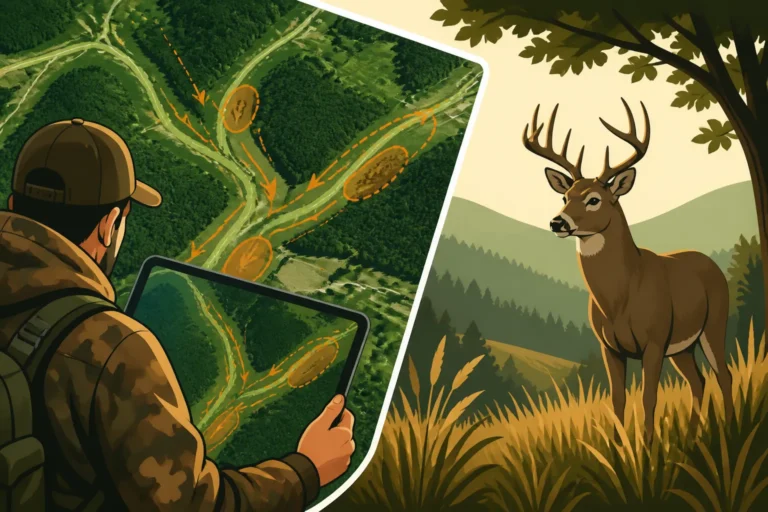
- Focus on Food and Water: Identify current food sources. Are there patches of clover? New green growth? Specific insect hatches? Turkeys are always looking for food, and by late season, it's a primary driver. Water sources, especially in drier periods, can also be magnets. Use tools like the Wisconsin Hunt Wild App or other mapping software like GoHunt to analyze terrain and potential food sources. Look for pinch points, saddles, or creek crossings that could serve as natural travel corridors between feeding and roosting areas. These areas are prime spots for a silent setup.
- Roosting Areas Re-evaluation: As the leaves fill in, previous roosting spots might offer less visibility or protection. Scout for new potential roosting trees in areas with good cover and easy access to feeding zones. Sometimes you can locate birds by simply listening for wing beats or soft tree talk just before dawn or at dusk. Setting up early under a known roost can be deadly, but you need to know which trees they're currently using.
The Run-and-Gun Approach
Sitting in one spot all morning hoping a bird walks by is rarely a productive late-season strategy, especially on public land. The run-and-gun method involves actively moving, calling sparingly, and setting up quickly on any responsive bird. This can be particularly effective in areas where turkeys are spread out or where you need to cover a lot of ground to find them.
- Cover Ground Systematically: Don't just wander aimlessly. Have a plan. Walk a specific route, stopping every few hundred yards to listen and make a few soft calls (clucks, purrs). If you hear nothing, move on. The goal is to quickly locate a bird that's willing to talk, even if it's just a soft response. This method is crucial when you are trying to find where turkeys are densest in Wisconsin, as they might be widely scattered.
- Quick Setups: Once you get a response, even a soft one, don't waste time. Move quickly and quietly to a good setup location. This means being mindful of your approach, using terrain features (ridges, creek beds, dense cover) to hide your movement. Get against a wide tree like a big oak, or a dense bush, and get still. You need to be ready to shoot as soon as you sit down. The birds can come in fast and silently. For more on tactical movement, consider tips on run-and-gun turkey tactics on public land.
- Patience in the Setup: Once you're set up, resume soft calling. Remember, you're not trying to bring him running in from a mile away. You're trying to coax a wary bird that's already in the vicinity. If he gobbles again, fantastic. If not, listen intently and watch. He might be coming in quiet. It's a game of chess, not checkers, where silence and strategic positioning often trump aggressive calling.
Tactical Setups and Gear Considerations
Your setup and gear choices for a late Wisconsin turkey period are just as critical as your calling and scouting. Every detail, from your camo to your decoys, can make a difference when birds are on high alert.
Concealment is Key
With the woods fully green, concealment is paramount. The thick foliage can work for you, allowing you to move unseen, but it also means turkeys have more visual obstacles to use to their advantage, often circling or hanging up just out of sight.
- Full Camouflage: This might seem obvious, but every exposed bit of skin, especially your face and hands, needs to be covered. Quality gloves and a face mask or head net are non-negotiable. Break up your outline with natural patterns that match the greening woods.
- Natural Blinds: Utilize natural cover whenever possible. A downed log, a thick cluster of evergreens, or a brush pile can offer excellent concealment. Always ensure you have a clear shooting lane, but otherwise, blend in as much as possible. Setting up against a big oak or a thick pine not only breaks up your outline but also offers a sturdy backrest for long waits.
- Ground Blinds: If you plan to hunt a specific food plot, field edge, or travel corridor where you expect birds to move, a ground blind can be an excellent option. They offer complete concealment from wary eyes, allow for some movement inside, and shield you from the elements. Just make sure to brush in your blind on a field edge effectively so it doesn't stick out like a sore thumb. Remember, even with a blind, turkeys might still look for movement or unnatural shapes. Ensure it blends seamlessly with its surroundings.
Decoy Usage and Placement
Late-season decoy strategies are often a departure from early-season tactics. Those aggressive jake and hen setups might intimidate wary gobblers, or they might simply ignore them.
- Less is More (or None at All): Consider using fewer decoys. Sometimes a single hen decoy, or even just a subtle breeding pair (a submissive hen and a jake), is enough to draw attention without raising alarm. On particularly pressured public land, you might be better off with no decoys at all, relying solely on calling and concealment. A single hen decoy positioned to look like she's feeding can be very effective, conveying a sense of safety and contentment. For specific advice, look into decoy placement for pressured birds.
- Realistic Decoys: If you do use decoys, invest in realistic ones. Birds that have seen a lot of hunting pressure will shy away from anything that looks artificial. Full-strut gobbler decoys can be effective if you're targeting dominant birds looking for a fight, but they can also scare off submissive gobblers or make wary birds extremely cautious.
- Strategic Placement: Position decoys where they are visible but also offer a clear shot. Avoid placing them too close to your setup, as an approaching gobbler will focus on the decoy, making it harder for you to move and shoot unnoticed. For shotgun hunters, aiming for a 20-25 yard shot is ideal. Consider placing them slightly to the side of your calling position, forcing the gobbler to turn and offer a broadside shot.
Essential Gear for Covering Ground
The run-and-gun nature of late-season hunting demands a lightweight and efficient gear setup. You don't want to be lugging around unnecessary weight as you trek through the woods.
- Lightweight Vest/Pack: Opt for a turkey vest or small pack that allows you to carry essential calls, a small water bottle, a snack, and your license without being bulky. Look for one with a comfortable seat pad that can be deployed quickly. Brands like Alps OutdoorZ or Tenzing offer good options for vests designed for mobility.
- Comfortable Boots: You'll be doing a lot of walking, so comfortable, supportive, and waterproof boots are non-negotiable. Look for boots that can handle varied terrain, from muddy creek bottoms to rocky ridges. Danner and Irish Setter are popular choices known for comfort and durability.
- Rangefinder: While shots in the timber are often close, a small rangefinder can be invaluable, especially when birds might hang up at the edge of your effective range. Knowing the exact distance can mean the difference between a clean kill and a missed opportunity.
- Reliable Calls: Carry a variety of calls, but focus on mastery over quantity. A good pot call (slate or glass), a few mouth calls (diaphragm calls), and maybe a small box call for variety. Practice those soft clucks, purrs, and subtle yelps. The ability to switch between calls and adapt your sound is crucial. Locator calls for Wisconsin gobblers can still be useful, but remember to use them judiciously.
Navigating Public and Private Land Challenges
Wisconsin offers a wealth of hunting opportunities, but tackling late-season turkeys means understanding the nuances of public and private land access, particularly when birds are feeling the pressure.
Finding Unpressured Pockets on Public Land
Hunting public land in Wisconsin during the late turkey periods can be tough. The easy-to-access areas often get hammered, and the birds there become incredibly smart. The key is to think differently and be willing to work harder than the next guy.
- Go Deep, Go Steep: Look at topographical maps, especially using resources like GoHunt's mapping layers, for public land that has difficult access. Think about areas that require a long walk in, or involve steep terrain like you'd find in the Driftless Area. Most hunters won't venture far from their trucks, so those deep pockets of public land can hold less pressured birds. This is where you might still find an unsuspecting gobbler. Areas often overlooked include pockets of county forest land or less obvious sections of the Chequamegon-Nicolet National Forest.
- Look for Natural Barriers: Rivers, thick swamps, or dense stands of unharvested timber can act as natural barriers, funneling hunters and creating sanctuaries. Find these spots on a map and figure out how to get to the other side of them. Often, the side that's harder to access will hold more birds that haven't been harassed as much.
- Hunt Mid-Day: While early mornings are prime, late-season birds, especially those that have been bumped around, might become active later in the morning or even mid-day. As other hunters leave the woods, these birds might feel safer to move and feed. Don't be afraid to stay out longer or make an afternoon hunt, particularly if you've done your scouting and know there's a good chance of finding birds. You might even want to try turkey tactics for driftless farm edges if you are hunting in that region, as birds can sometimes use the breaks in pressure to move.
Leveraging Private Land Permission
If you have access to private land, the late season can be much more forgiving, as these birds often experience less hunting pressure. However, responsible hunting and pre-season scouting are still vital.
- Pre-Season Reconnaissance (with permission): If you have permission on private land, use it well before the season or during a scouting trip. Look for sign, identify roosting areas, and locate food plots or fields that might attract birds. Knowing the lay of the land and where birds prefer to be on that specific property will give you a huge advantage.
- Respect the Property: Always communicate with the landowner. Let them know when you'll be there and where you plan to hunt. Offer to share some of your harvest. Building a good relationship ensures continued access. Private land often has less pressure, meaning birds might be more responsive to calls and less wary of decoys.
- Focus on Edge Habitat: Private land, particularly farmland, often has excellent edge habitat where fields meet timber. These transition zones are natural travel corridors for turkeys. Setting up along these edges, especially near a standing cornfield in farm country or other late-season food sources, can be very productive. The key is to know their patterns and be in position before they are.
| Feature | Early Season Turkey Hunting | Late Season Turkey Hunting |
|---|---|---|
| Gobbler Behavior | Aggressive, highly vocal, seeking hens. | Less vocal, often in bachelor groups, wary, focused on food. |
| Calling Style | Aggressive yelps, cutts, loud locator calls. | Soft clucks, purrs, subtle yelps, minimal locator calls. |
| Scouting Focus | Listening for gobbling, finding strut zones. | Looking for fresh tracks, droppings, scratch marks, food sources. |
| Decoy Strategy | Aggressive setups (strutter, jake/hens). | Single hen, contented pair, or no decoys at all. |
| Pressure | Less initially, builds through periods. | High, birds are educated and wary. |
| Landscape | Sparse foliage, open visibility. | Thick foliage, reduced visibility, widespread food. |
| Hunter Action | Sit and call, wait for birds to commit. | Run-and-gun, aggressive scouting, patience in the setup. |
Hunting a late Wisconsin turkey period requires a shift in mindset and tactics. It's not about giving up, but about adapting to the wily nature of these pressured birds. By understanding their changing behaviors, refining your calling, diligently scouting, and making smart gear choices, you can still find success when others have long since put their turkey calls away.
Disclaimer
Hunting is an inherently dangerous activity. Always prioritize safety, understand and follow all Wisconsin Department of Natural Resources regulations, and obtain appropriate licenses and tags. Consult official DNR resources for the most up-to-date information on seasons, zones, and rules. The advice provided here is for informational purposes only and should not replace proper hunter education and adherence to all applicable laws.