Wisconsin Rabbit and Hare Seasons
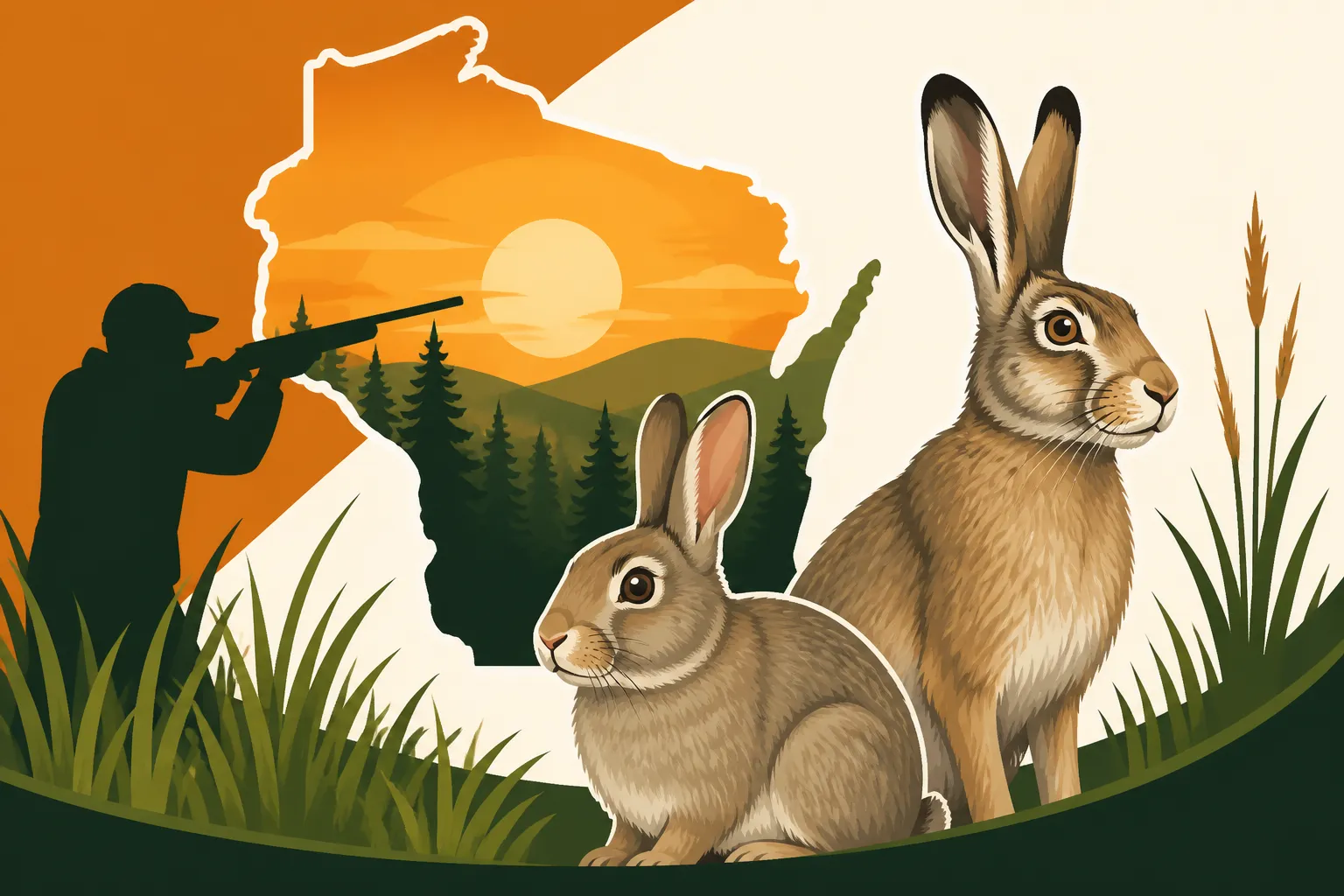
Navigating the myriad of hunting seasons in Wisconsin can feel like trying to untangle a ball of yarn, especially when you're looking to chase small game like rabbits and hares. It's easy to get confused by overlapping dates, different species-specific rules, and general small game regulations that all seem to blend together. This comprehensive guide is here to untangle that yarn for you, breaking down everything you need to know about Wisconsin's rabbit and hare seasons so you can head into the field confident and prepared.
Understanding Wisconsin's Rabbit and Hare Seasons
For many, chasing rabbits and hares is where the love for hunting truly begins, a gateway to understanding animal behavior and enjoying the outdoors. In Wisconsin, we're fortunate to have seasons that allow for ample opportunity to pursue both cottontail rabbits and snowshoe hares, each with their own unique habitats and challenges. But knowing when and where to hunt them is the first step, and it's not always as straightforward as it seems.
Cottontail Rabbit Season Details
Cottontail rabbits are probably the most common sight in Wisconsin's agricultural areas, brushy fringes, and even suburban edges. Their season is generally quite long, often opening in mid-October and extending all the way through until late winter. This lengthy season is fantastic because it allows hunters to experience different types of hunting conditions, from crisp fall days before heavy snow to the quiet crunch of deep winter. For example, early in the season, you might find yourself busting through heavy brush rows along agricultural fields, while later on, after a fresh snow, tracking becomes an exciting and often productive method. This extended period also means you can often combine a rabbit hunt with other pursuits, like late-season pheasant hunting or a quick scouting trip for deer. Checking the latest Wisconsin Small Game and Furbearer Seasons publication is always your best bet, as dates can shift slightly year to year based on wildlife management decisions. Remember, these little guys are prolific breeders, and well-regulated hunting helps manage their populations, which is a win-win for everyone.
Snowshoe Hare Season Specifics
Now, if you're looking for a completely different small game experience, the snowshoe hare is your target. These incredible creatures are built for the deep snows of northern Wisconsin, where their large, fur-covered feet act like natural snowshoes, and their coats famously change from brown to white with the seasons. The snowshoe hare season typically mirrors the cottontail season in length, but the real difference lies in their habitat. You'll find snowshoe hares almost exclusively in dense coniferous forests, thick cedar swamps, and areas with plenty of young aspen or spruce cover in the northern parts of the state. This means a snowshoe hunt often involves navigating challenging, deep snow terrain and pushing through incredibly thick cover – a far cry from the open fields where you might find cottontails. Their white camouflage in winter makes them incredibly difficult to spot, adding to the challenge and excitement of the hunt. Think about a quiet, snowy day in the Chequamegon-Nicolet National Forest, tracking fresh sign, and then suddenly, a flash of white explodes from a thicket right at your feet. That's snowshoe hare hunting.
Special Considerations and Extended Opportunities
One of the great things about small game hunting in Wisconsin is the flexibility it offers. While the core seasons are well-defined, there are often nuances that provide additional opportunities. For instance, the general small game season opening dates can sometimes overlap with other popular hunts, meaning you might carry a shotgun for grouse and jump a rabbit, or vice-versa. It's also worth noting that weather can play a huge factor in rabbit and hare hunting success. A fresh blanket of snow, for example, makes tracking cottontails much easier and can sometimes push hares into more predictable cover. For those utilizing dogs, like beagles for rabbits or hounds for snowshoe hares, the scenting conditions can drastically improve after a light rain or snowfall. Always verify the most current regulations for any special zones or bag limit adjustments that might apply to your specific hunting area by visiting the Wisconsin Department of Natural Resources (DNR) website or using the GoHunt system. This ensures you're always hunting legally and responsibly.
Licensing and Regulatory Must-Knows for Small Game
Before you even think about loading up your shotgun or heading out with your trusty beagle, you need to make sure your paperwork is in order. Wisconsin takes its wildlife management seriously, and having the proper licenses and understanding the rules is fundamental to a responsible hunt. It can feel like a lot to keep track of, but it's really quite straightforward once you break it down.
Wisconsin Small Game License Requirements
To hunt cottontail rabbits or snowshoe hares in Wisconsin, you'll need a valid small game license. For Wisconsin residents, this is a fairly affordable and accessible option. Non-residents also have specific licenses available that cover small game. You can easily purchase these licenses through the GoHunt system, either online, at authorized vendors like many sporting goods stores, or at DNR service centers. It's truly a seamless process, designed to get you out in the field quickly. Beyond the general small game license, ensure you've completed a hunter safety course if required. Anyone born on or after January 1, 1973, needs to complete a hunter education course to purchase a hunting license in Wisconsin, unless participating in a Mentored Hunting Law program. This ensures everyone has a baseline understanding of safety and ethics. For a detailed breakdown of costs and options, check out the guide on Wisconsin Hunting Licences and What They Cost.
Daily Bag Limits and Possession Limits
The DNR sets specific daily bag limits and possession limits for both cottontail rabbits and snowshoe hares to help manage populations and ensure sustainable harvesting. These limits are designed to prevent overhunting while still providing ample opportunity for hunters to take a reasonable amount of game. For cottontails, the daily bag limit is typically set at three, with a possession limit of six. Snowshoe hares usually have a more generous daily bag limit, often five, with a possession limit of ten. These numbers can vary, so consulting the official Wisconsin Small Game Seasons and Bag Limits information each year is crucial. Exceeding these limits is a violation and can result in penalties, so always count your harvest carefully. It’s also good practice to confirm these numbers through your GoHunt account or the official DNR regulations pamphlet before each season.
Important Safety and Legal Aspects
Hunting small game, while often perceived as less dangerous than big game, still requires strict adherence to safety protocols. Always know your target and what's beyond it, and treat every firearm as if it's loaded. Blaze orange or pink requirements usually apply during open firearm deer seasons, but it's a smart idea to wear it when afield, especially on public land, regardless of the season, to enhance your visibility to other hunters. For example, if you're Rabbit Hunting Thick Wisconsin Brush near areas where deer hunters might be present, that bright color becomes a critical safety measure. Retrieval of game from private land, even if you shot it from public land, generally requires permission from the landowner, so understanding Wisconsin Trespass Law is essential. Remember, responsible hunting contributes to a positive image of hunters and helps maintain access to hunting lands for everyone.
| Species | Typical Season Dates (Approx.) | Daily Bag Limit | Possession Limit | Primary Habitat | Key Hunting Challenge |
|---|---|---|---|---|---|
| Cottontail Rabbit | Mid-Oct to Mid-Feb | 3 | 6 | Brushy fields, agricultural edges, dense thickets | Flushing from dense cover, quick shots |
| Snowshoe Hare | Mid-Oct to Mid-Mar | 5 | 10 | Coniferous swamps, northern forests, aspen cuts | Spotting in snow, navigating thick brush |
Habitat and Tactics for Chasing Wisconsin's Bunnies and Hares
Successfully hunting rabbits and hares isn't just about knowing the seasons and rules; it's about understanding where these animals live and how to approach them effectively. Each species has its preferred haunts, and tailoring your strategy to these environments will significantly boost your chances.
Key Habitats for Cottontails
Cottontail rabbits thrive in what many hunters refer to as "edge" habitat – areas where different types of cover meet, providing both food and shelter. Think about the brushy fence rows bordering a cornfield, the dense tangles along a creek bottom, or overgrown clearcuts. These areas provide dense cover where they can escape predators and find plenty to eat, from tender shoots to fallen seeds. When Scouting Wisconsin Public Land Before Season, look for these transition areas, especially those with briar patches, honeysuckle thickets, or downed timber. Old farmsteads that have grown wild can be goldmines, as can the edges of active agricultural fields, especially later in the season when crops like corn have been harvested, leaving behind cover and food. A typical scenario might involve walking slowly along these edges, often with a partner or two, to flush rabbits from their hiding spots. They'll often burst out and run a short distance before diving back into another thicket, giving you a quick shot opportunity.
Locating Snowshoe Hares in Northern Wisconsin
Snowshoe hares are creatures of the north, perfectly adapted to a completely different landscape than their cottontail cousins. You'll find them almost exclusively in the dense coniferous forests and bogs of northern Wisconsin, particularly in areas with young, regenerating stands of spruce, fir, and tamarack, or in thick cedar swamps. These dense areas provide both concealment and a steady food source of woody browse. When you're in an area known for snowshoe hares, the key is to look for thick cover – the kind of places you almost have to crawl through. Logging roads or old skid trails that cut through these dense areas can be excellent starting points, as hares will often cross them. If there's snow on the ground, fresh tracks are your best friend. Following a trail can be a painstaking but rewarding process, often leading you directly to a hare that has burrowed into a snowdrift or is sitting tight in a thicket. This is where patience truly pays off, and having good, waterproof Boots for Wisconsin Swamps and Snow is non-negotiable.
Effective Hunting Strategies and Gear
Whether you're after cottontails or snowshoes, having the right approach and gear makes a difference. For cottontails, still-hunting through brushy cover, often in tandem with a few friends, is highly effective. You can also utilize beagles, which are absolute masters at flushing rabbits and running them in circles, giving hunters multiple shot opportunities. For Snowshoe Hares, "Running Beagles on Wisconsin Snowshoe Hares" is a classic strategy, as their barks through the quiet woods are an unmistakable sound that guides you to the action. Without dogs, a slow, methodical still-hunt, often following fresh tracks after a snowfall, is your best bet.
Your gear doesn't need to be overly complicated. A lightweight shotgun, typically a 12 or 20 gauge, with a modified or improved cylinder choke is perfect for the close-quarters shots typical of rabbit and hare hunting. Loads of 6 or 7.5 shot are ideal. Comfortable, durable brush pants or chaps are a must to protect against thorns and briars. And don't forget a good game bag or vest to carry your harvest. When you're out there, remember that these hunts are often dynamic and require quick reactions. It's exhilarating when a rabbit bursts from underfoot or a snowshoe explodes from a snowdrift.
Beyond the Hunt: Processing and Enjoying Your Harvest
Bringing home a rabbit or hare is just the beginning. The next steps, from field dressing to preparing a delicious meal, are an integral part of the hunting experience and ensure that your hard work in the field is honored.
Field Dressing and Meat Care
Field dressing a rabbit or hare immediately after the shot is crucial, especially if the weather is mild. This process involves removing the entrails to allow the carcass to cool down quickly, preventing spoilage and improving meat quality. It's a relatively simple and quick process: make a cut from the sternum to the pelvis, carefully remove the organs, and wipe the cavity clean. While Field Dressing a Deer in Cold Weather involves bigger challenges, the principle of rapid cooling remains the same for smaller game. If you're hunting in warmer early-season conditions, it's wise to carry a small cooler with ice in your vehicle to get the dressed animals cooled down as soon as possible. For snowshoe hares, particularly in colder northern Wisconsin, immediate cooling might not be as critical due to ambient temperatures, but cleanliness is always key. Once home, skinning and butchering can be done immediately or after a short chilling period in a refrigerator.
Delicious Ways to Prepare Wild Rabbit and Hare
Wild rabbit and hare meat is lean, flavorful, and incredibly versatile in the kitchen. Many people compare it to chicken, but with a richer, slightly gamey taste that speaks to its wild origins. There are countless ways to prepare it, from simple pan-frying to slow-cooked stews. One popular method is to cut the rabbit into pieces, dredge it in seasoned flour, and pan-fry it until golden brown, then simmer it in a cream or mushroom sauce. Rabbit stew, often made with root vegetables and herbs, is a classic comfort food that's perfect after a cold day in the woods. For snowshoe hares, which can sometimes have a slightly stronger flavor due to their diet, marinating them for a few hours in buttermilk or a mild brine can help tenderize the meat and mellow the flavor, making them absolutely delicious braised or roasted. Don't be afraid to experiment! After all the effort you put into the hunt, enjoying the fruits of your labor is truly the Best-Eating Game in Wisconsin.
Disclaimer
The information provided in this guide is for general informational purposes only and is subject to change. Always consult the official Wisconsin Department of Natural Resources (DNR) regulations and publications for the most current and accurate hunting seasons, bag limits, licensing requirements, and safety guidelines before heading afield.