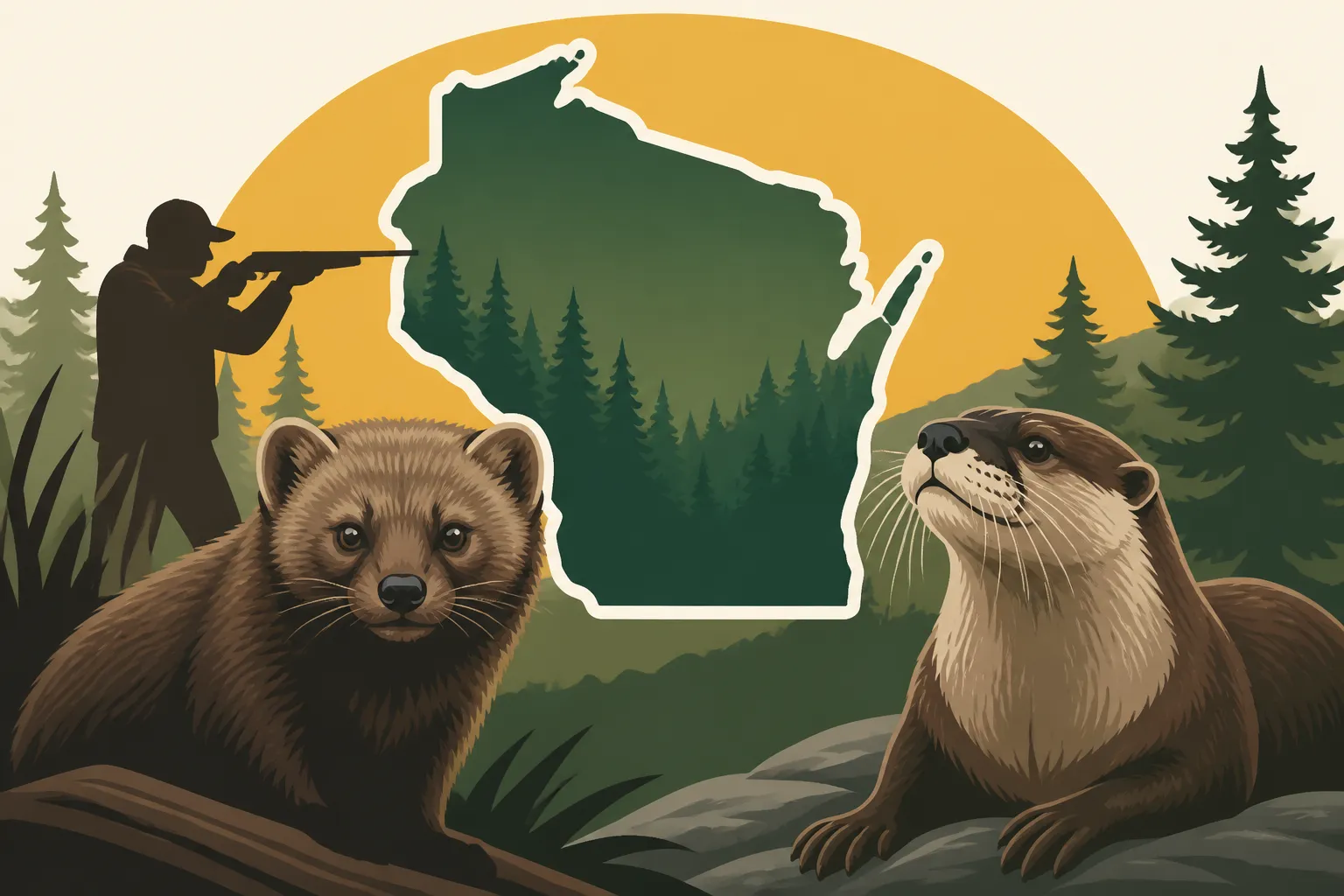
Wisconsin Fisher and Otter Permits
Getting your hands on a Wisconsin fisher or otter permit can feel like winning the lottery, especially with how coveted these furbearers are among trappers and hunters alike. It's a testament to our state's rich wildlife, but it also means a deeply competitive system for those looking to pursue these elusive animals. This guide will walk you through the ins and outs of securing and utilizing Wisconsin's fisher and otter permits, from understanding the draw system to navigating the regulations, so you can increase your chances of a successful season.
Understanding Wisconsin's Fisher and Otter Management
Wisconsin's Department of Natural Resources (DNR) takes a highly structured approach to managing fisher and otter populations, largely due to their historical significance, recovery efforts, and the value of their pelts. Unlike some more common game species, these furbearers are managed through a limited permit draw system, which means you can't just buy a license over the counter and go. This system aims to ensure sustainable populations while still offering opportunities for ethical harvest.
Historical Context and Population Recovery
Both fishers and otters have fascinating comeback stories in Wisconsin. Fishers, primarily denizens of our northern forests, were once nearly extirpated from the state due to unregulated trapping and habitat loss in the late 19th and early 20th centuries. Through reintroduction programs and thoughtful forest management, their numbers have rebounded significantly, allowing for regulated trapping seasons to resume. Similarly, river otters faced challenges but have seen a remarkable recovery across many of Wisconsin's waterways, from major rivers to smaller creeks and extensive marshlands. This history underscores why their permits are so tightly controlled; it’s about respecting their journey back. The success of these programs is a testament to conservation efforts, and it means we as trappers have a responsibility to adhere to the strict guidelines set forth.
Why Permits Are Limited and Zone-Specific
The limited nature of these permits isn't just about managing current populations; it’s about precision. The DNR uses extensive surveys, harvest data, and population models to determine how many permits can be issued for each species in specific management zones without jeopardizing their long-term health. These zones, especially for fishers, often align with major forest blocks in the north, while otter zones can be more widespread, reflecting their distribution along various water bodies. This zone-specific approach is crucial because population densities can vary dramatically from one region to another. What works for managing otters on the Mississippi River might be vastly different from what's needed in the quiet streams of the Kettle Moraine. It also means that a permit for one zone is not valid in another, reinforcing the need to understand your chosen area. The permit allocations are reviewed annually, so what was available last year might shift this year, making it essential to stay updated through resources like the official Wisconsin DNR website or by using planning tools like GoHunt, which can help keep track of such changes.
The Application Process for Fisher and Otter Permits
Navigating the application process for fisher and otter permits can feel a bit like a maze, especially if you're new to the draw system. It's not as simple as purchasing a general trapping license; these require a dedicated application, and success often hinges on understanding how preference points work.
Preference Points and Draw Odds
This is where the game truly begins for many aspiring fisher and otter trappers. Wisconsin employs a preference point system for these permits, similar to what's used for bear and occasionally for turkeys. Every year you apply for a fisher or otter permit and are unsuccessful in the draw, you earn a preference point. The more points you accumulate, the better your odds of drawing a permit in subsequent years. This system is designed to reward persistent applicants, ensuring that those who have waited the longest eventually get a chance.
For example, if you apply for a Zone 2 otter permit for five years straight and don't draw, you'll have five preference points. When the next draw happens, your application (along with others who have accumulated points) will be prioritized over those with fewer or no points. It’s important to remember that applying for a permit in one zone won't earn you points for another species or even a different zone for the same species. Each draw is separate. You lose all your accumulated points for that specific species and zone once you successfully draw a permit. This system is a fair way to distribute limited opportunities, but it does mean that patience is a virtue, and sometimes it can take several years of applying to finally get that coveted tag.
Application Windows and How to Apply
Missing the application deadline for fisher and otter permits means missing out for the entire season, so marking your calendar is absolutely critical. The application period typically opens in late summer, usually around August, and runs through much of September. These exact dates can shift slightly year to year, so always confirm with the Wisconsin DNR's official announcements.
All applications are processed through the Wisconsin Go Wild licensing system. This online portal is your one-stop shop for everything from purchasing your base trapping license to applying for these specialized permits. You'll need an active Go Wild account. During the application period, you'll log in, navigate to the permit application section, and select the species and zone you wish to apply for. There's usually a small, non-refundable application fee. While you're on the Go Wild system, it's also a good idea to ensure your base trapping license is up to date, as you cannot legally participate in the furbearer draw without one. Tools like GoHunt can provide reminders and access to the relevant DNR pages, ensuring you don't miss these critical dates. After applying, you'll typically be notified of the draw results in early October, giving you time to plan your season if you're successful.
Here’s a simplified breakdown of the process:
| Step | Description | Estimated Timeline |
|---|---|---|
| 1. Purchase Base Trapping License | Before you can even think about special permits, you must have a valid Wisconsin trapping license. This is a foundational requirement. | Annually, before application period |
| 2. Apply for Permit (Go Wild) | Log into your Wisconsin Go Wild account. Navigate to the "Permits" or "Drawing Applications" section. Select either the "Fisher Permit Application" or "Otter Permit Application" and choose your desired zone. Pay the non-refundable application fee. | Mid-August to Late September |
| 3. Await Draw Results | After the application period closes, the DNR conducts the random drawing, factoring in preference points. | Early October |
| 4. Check Application Status | You'll be notified via email, or you can check your Go Wild account. If successful, your permit and tag information will be accessible. If unsuccessful, you'll accumulate a preference point for next year. | Early October |
| 5. Receive Physical Tag | For successful applicants, a physical tag (or tags) will typically be mailed to you or available for print/pickup, which must be immediately attached to any harvested animal according to regulations. This is crucial for compliance, similar to how hunters handle their tags during Wisconsin's Nine-Day Gun Deer Season or Bowhunting Wisconsin's Long Archery Season. | Mid-October |
Permit Costs and What They Include
The cost for the actual fisher or otter permit itself is generally quite modest, often just a few dollars, which is separate from the application fee. However, don't forget the underlying cost of your annual trapping license. A successful draw grants you an authorization to harvest one animal of the specified species within your assigned zone during the open season.
Crucially, this permit comes with a physical tag (or tags). This tag is an official document that must be immediately and securely attached to the animal at the point of kill, before you move it from the capture site. The tag usually needs to be visible and attached in a specific manner, often to a leg or through the carcass, as outlined in the current trapping regulations. This tagging requirement is strictly enforced to prevent illegal harvest and ensure proper accounting of the state's furbearer resources. Neglecting to tag an animal immediately or improperly can lead to serious penalties. Always carry your license and proof of your permit when you're out in the field, ready to attach that tag when the opportunity arises.
Regulations and Best Practices for Fisher and Otter Trapping
Successfully drawing a fisher or otter permit is just the first step. The real work, and responsibility, lies in understanding and adhering to the specific regulations and best practices that govern trapping these animals in Wisconsin. This includes everything from legal methods to ethical considerations and safety.
Legal Trapping Methods and Equipment
When pursuing fishers and otters in Wisconsin, trappers are bound by strict regulations regarding legal methods and equipment. For both species, common methods include foothold traps, body-gripping traps, and snares. However, there are very specific size limitations for each type of trap, and these can vary based on the species you're targeting and even the location (e.g., land vs. water sets). For instance, a body-gripping trap of a certain size might be legal for otter in water sets but illegal for fisher on land, or vice-versa. It’s absolutely critical to consult the most current Wisconsin Trapping Regulations pamphlet, available on the DNR website or through the Go Wild app, before setting any traps. This booklet outlines everything from jaw spread maximums to specific trap types that are prohibited.
For otters, water sets are generally the most effective and commonly used, often involving conibear-style traps or snares submerged in runs, channels, or under ice near beaver dams. For fishers, sets are primarily on land, often using cubby sets or baited leaning poles with body-gripping traps or snares. Location is everything, and understanding Running a Trapline in Northern Wisconsin or recognizing prime habitat for these furbearers, like dense northern forests for fishers or marshy river systems for otters, is paramount. Safety is also a huge concern. Body-gripping traps are powerful, and proper setting tools and safety releases are essential to prevent injury to yourself or others.
Season Dates and Zone Boundaries
Just like deer and turkey seasons, fisher and otter trapping seasons have specific opening and closing dates, and these also vary by zone. For fishers, seasons are typically quite short, often opening in late October or early November and running for only a few weeks, almost exclusively in the northern forest counties. Otter seasons usually open at the same time and often extend into early spring, sometimes closing around March, often coinciding with beaver trapping seasons. These dates are meticulously planned by the DNR to align with pelt prime-ness, breeding cycles, and population dynamics.
Knowing your assigned zone is non-negotiable. If you drew a permit for Fisher Zone A, you cannot legally set traps in Fisher Zone B. The zone boundaries are clearly defined on DNR maps, and it's your responsibility to know exactly where they lie. Tools like the Wisconsin Hunt Wild App can be invaluable for pinpointing these boundaries, especially when you're deep in the woods or navigating complex waterways. Trapping outside your designated zone, even inadvertently, is a serious violation. Always double-check your permit and the current regulations to ensure you're trapping in the correct area during the legal season dates. This attention to detail is just as important as knowing Wisconsin Small Game and Furbearer Seasons for other species.
Ethical Trapping and Responsible Practices
Ethical trapping goes beyond simply following the law; it encompasses a commitment to responsible and humane practices. This means checking your traps regularly, often daily, to minimize stress and suffering for captured animals. For otters, this is particularly important due to their semi-aquatic nature. Proper trap placement, ensuring a quick, humane dispatch, and avoiding non-target species are all part of ethical trapping. If you accidentally catch a non-target animal, you must know the regulations for its release or reporting.
It's also about respecting the resource and other outdoor users. Trapping lines should be managed discreetly and professionally. When dealing with fisher and otter, understanding their behavior and habitat is key to success and ethical harvest. For example, fishers are often associated with mature conifer forests and mixed hardwoods, while otters will be found near stable water sources with ample food. Utilizing tools like scouting and trail cameras to identify active areas can help you set traps more effectively and minimize accidental catches. Remember, the goal isn't just to catch an animal, but to do so in a way that upholds the integrity of the sport and respects the wildlife we're privileged to pursue.
Harvesting and Reporting Your Fisher or Otter
Drawing a permit and successfully trapping a fisher or otter is an exciting achievement, but the process isn't complete until you've properly tagged and registered your animal. Wisconsin has very specific requirements for reporting furbearer harvests, which are crucial for wildlife management.
Immediate Tagging and Physical Registration
The moment you harvest a fisher or otter, your first and most critical step is immediate tagging. Your permit will come with one or more physical tags, which must be securely attached to the animal before you move it from the point of kill. The exact placement of the tag (e.g., through the lower jaw, hind leg) will be specified in the current trapping regulations, so make sure you understand these instructions perfectly. This isn't just a suggestion; it's a legal requirement. Failure to tag immediately can result in significant fines and penalties, similar to not properly tagging a deer or bear.
After tagging, the next step is often physical registration at a designated DNR station or an authorized registration depot. This is unlike many deer harvests that can now be Registering a Wisconsin Deer Online. For fishers and otters, the physical check-in allows DNR staff to collect important biological data, such as sex, age, and location of harvest. They might take measurements, extract a tooth for aging, or collect tissue samples for disease monitoring. This hands-on data collection is vital for accurate population assessments and helps inform future permit quotas and management decisions. It’s a direct way that trappers contribute to conservation efforts. You’ll receive documentation of your registration, which should be kept with the pelt until it is processed or sold. Make sure you check the specific deadlines for registration, as there’s typically a short window (e.g., within 48 hours) from the time of harvest to the time of registration.
Salvaging Pelts and Meat
Both fisher and otter pelts are highly valued, and part of responsible harvest includes properly skinning, fleshing, and preparing the pelt for sale or personal use. The quality of your pelt can significantly impact its value, so learning proper techniques for handling and drying is beneficial. There are numerous resources available through trapping associations or experienced trappers that can guide you through this process. Proper handling ensures that the animal's resources are not wasted.
While the pelts are the primary draw for many furbearer trappers, the meat of both fishers and otters can also be salvaged and consumed. Otter meat, for example, is often described as dark and rich, sometimes compared to duck or goose. Fisher meat is also edible, though perhaps less commonly consumed. If you choose to salvage the meat, treat it with the same care and cleanliness you would any other wild game, processing it quickly and keeping it cold. Ensure it's cooked thoroughly. Always check for signs of disease during field dressing; if an animal appears ill, it's best to contact the DNR and Reporting a Sick Animal in Wisconsin, and consider not consuming the meat.
Contributing to Wildlife Data Collection
Every fisher and otter registered contributes directly to Wisconsin's ongoing wildlife research and management. The biological samples and harvest data collected at registration stations are compiled and analyzed to gauge population health, assess reproductive success, and identify trends in disease prevalence. This data is what allows the DNR to make informed decisions about future permit numbers, season lengths, and zone allocations, ensuring these species remain a viable part of Wisconsin's ecosystem for generations to come.
Your participation, from accurate harvest reporting to allowing biological samples to be taken, is a critical component of conservation. It’s a chance for you to directly impact the future of these magnificent furbearers and help preserve the trapping heritage in Wisconsin. Just as hunters contribute to deer management through CWD testing, furbearer trappers provide essential information for their species.
Disclaimer
The information provided in this guide is for general informational purposes only and is subject to change. Hunting and trapping regulations, season dates, and permit requirements are dynamic and can be updated annually by the Wisconsin Department of Natural Resources (DNR). It is always the responsibility of the individual hunter or trapper to consult the most current official Wisconsin DNR regulations and laws before participating in any hunting or trapping activities. Following outdated or incorrect information can result in legal penalties.