Wisconsin Marsh and River Waterfowl Areas
Finding prime waterfowl hunting spots in Wisconsin can feel like deciphering an ancient map, especially if you're new to the state's vast and varied wetlands or if your old honey holes have changed with shifting water levels or hunting pressure. This guide is here to cut through the confusion, offering a comprehensive look at Wisconsin's most productive marsh and river waterfowl areas, helping you understand where to go, what to expect, and how to maximize your success this season.
The Lure of Wisconsin's Waterfowl Habitats
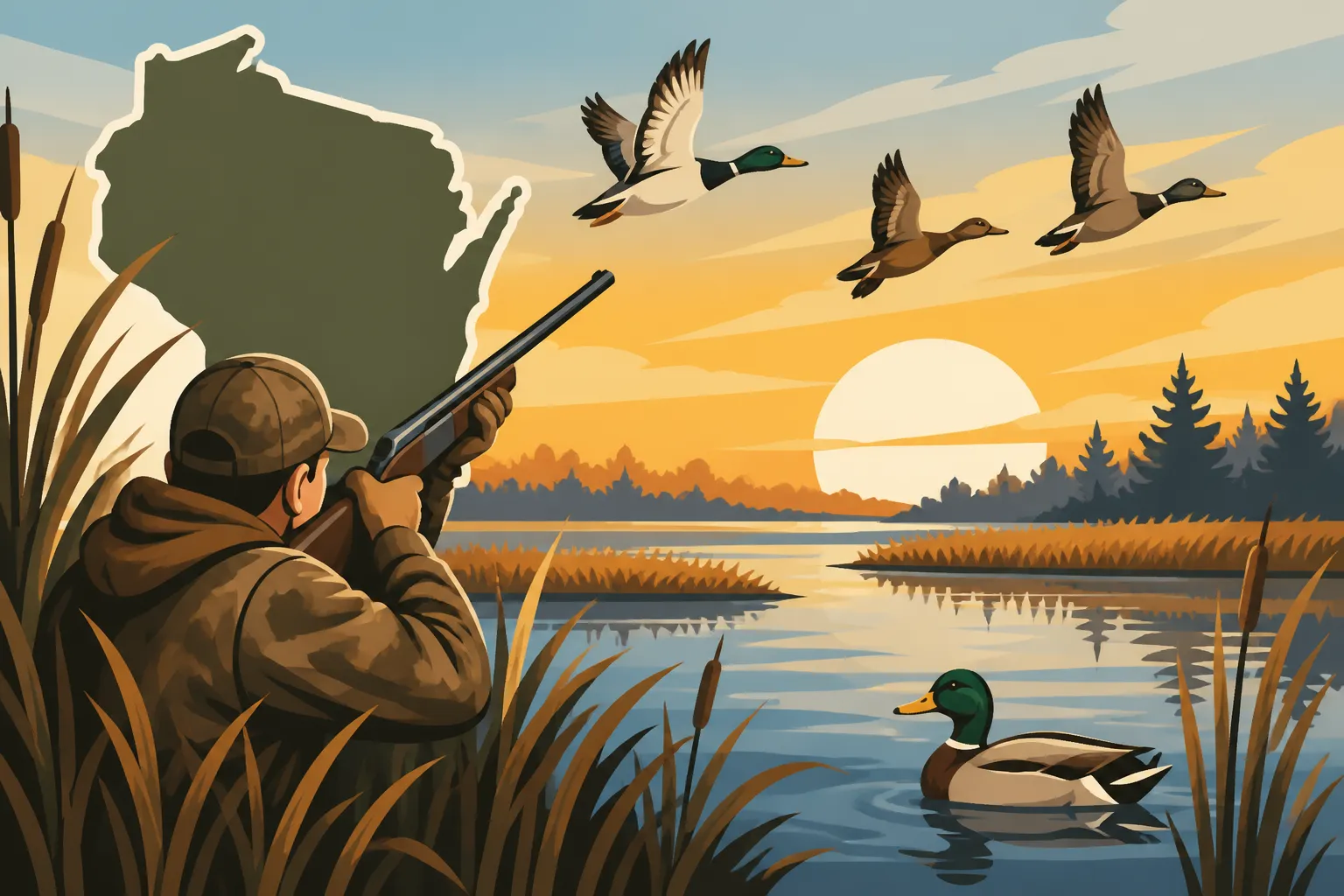
There's something uniquely captivating about waterfowl hunting – the chill of the pre-dawn air, the rhythmic splash of decoys hitting the water, the distant whistle of wings cutting through the mist. In Wisconsin, this passion is deeply rooted, drawing hunters to its diverse landscapes year after year. Our state, strategically positioned along one of North America's most vital migration corridors, offers an incredible array of opportunities for chasing ducks and geese.
Why Wisconsin is a Waterfowler's Paradise
Wisconsin sits squarely within the Mississippi Flyway, a massive aerial highway that funnels millions of waterfowl south from their northern breeding grounds each fall. This geographical advantage means that as the season progresses, our marshes, rivers, and lakes become critical staging and feeding areas for a huge variety of ducks and geese. We're talking about everything from the lightning-fast teal of early season to the big, impressive mallards and pintails of mid-season, and the hardy diver ducks that ride out the colder weather on our larger bodies of water. The sheer volume and diversity of birds passing through or taking up residence here are truly staggering.
Beyond the numbers, Wisconsin's landscape itself is perfectly suited for waterfowl. We have massive freshwater marshes like Horicon, sprawling river systems like the Mississippi, countless smaller wetlands, and a myriad of lakes, both large and small. Each habitat offers a different challenge and a different reward. One day you might be tucked into a cattail marsh, calling in green-winged teal, and the next you could be battling big waves on a large lake, hoping to intercept a flock of bluebills. This variety keeps things exciting and demands a versatile skill set from the dedicated waterfowler. It's not just about one type of hunt; it's about understanding the subtle nuances of each environment and adapting your approach accordingly.
Understanding Marsh vs. River Systems
While both marshes and rivers host abundant waterfowl, they present distinct hunting experiences and require different strategies, gear, and safety considerations. Understanding these differences is key to choosing your hunting ground and preparing effectively.
Marsh Systems: Think of a marsh as a vast, shallow wetland dominated by emergent vegetation like cattails, bulrushes, and sedges. These areas are generally characterized by calm or very slow-moving water, making them ideal feeding and resting grounds for dabbling ducks like mallards, teal, wood ducks, and pintails, as well as geese. Hunting a marsh often involves wading, using layout blinds or portable blinds brushed into the vegetation, or hunting from a small boat or canoe that allows you to navigate the shallow, dense cover. The water depth is typically manageable, though mud can be a significant challenge. Success in marshes often hinges on effective calling, strategic decoy placement, and a thorough understanding of bird loafing and feeding patterns within the specific marsh you're hunting. It's a more intimate experience, often requiring a keen eye for subtle changes in bird behavior and an ability to melt into the natural surroundings.
River Systems: River hunting, particularly on a large system like the Mississippi, is a whole different ballgame. Here, you're dealing with current, potentially deeper water, and often more open spaces interspersed with islands, backwaters, and sloughs. Rivers attract both dabblers, especially in calmer side channels and oxbows, and diver ducks that prefer deeper, moving water. Hunting methods often involve larger, more stable boats, often anchored in main channels or along prominent points where birds are funneling. Layout blinds within larger boats or shore blinds built on islands are common. Safety is paramount on rivers due to currents, commercial boat traffic, and rapidly changing weather conditions. Decoy spreads might need to be heavier to resist current, and retrieves can be more challenging. Understanding river currents, identifying key flight corridors, and being prepared for dynamic conditions are crucial for success. Hunting Mississippi River Backwaters provides excellent insight into this unique style.
Choosing between a marsh and a river system often comes down to personal preference, the type of birds you're targeting, and the gear you have available. Many hunters enjoy both, adapting their approach as the season and conditions dictate.
Horicon Marsh: A Crown Jewel of Wisconsin Waterfowling
When you talk about waterfowl in Wisconsin, Horicon Marsh almost immediately comes to mind. It's a legendary place, an ecological marvel, and a critical stopover for millions of migratory birds. Straddling Dodge and Fond du Lac counties, this vast marshland is divided into two distinct management areas: the northern two-thirds, managed as the Horicon National Wildlife Refuge, and the southern third, managed as the Horicon State Wildlife Area. Both offer incredible, albeit different, hunting opportunities.
Navigating the Horicon National Wildlife Refuge
The Horicon National Wildlife Refuge is an immense tract of wetland, encompassing over 20,000 acres, and it's a critical sanctuary for migratory birds. Because of its designation as a refuge, hunting opportunities are carefully managed to balance wildlife protection with recreational use. This means that while some hunting is permitted, it's highly regulated and often involves special permits or a drawing system, especially for geese. It's not a place you can just show up and expect to hunt without prior planning.
For goose hunting, the refuge often runs a quota-based system, sometimes with specific hunting zones and limited entry through a lottery drawing. This system is designed to control harvest and minimize disturbance to the massive flocks of geese that stage here. Duck hunting within the refuge might be permitted in designated areas, often requiring walk-in access or small, non-motorized boats. Hunters need to be meticulously aware of the specific boundaries, legal shooting hours, and any special regulations that apply to refuge lands. The focus here is often on quality over quantity, with hunters experiencing unique close encounters with birds, but within a highly structured environment. It's crucial to consult the refuge's official publications well in advance of the season to understand the application processes, hunt dates, and specific rules. Failing to do so can lead to a missed opportunity or, worse, a violation.
Hunting the Horicon State Wildlife Area
The southern third of the marsh, the Horicon State Wildlife Area, offers more accessible and varied hunting opportunities for both ducks and geese. While still heavily managed, it provides a more traditional public land hunting experience compared to the strictures of the federal refuge. This area is incredibly popular, especially on opening day and during peak migration, so expect company.
Access to the Horicon State Wildlife Area is possible via multiple public access points, with boat launches available for those wishing to navigate the marsh's extensive channels. You'll find a mix of walk-in hunting opportunities along dikes and roadways, as well as boat-accessible areas that can get you into more secluded spots. Many hunters utilize small jon boats, canoes, or even kayaks to get to their desired locations, pulling them into the cattails or bulrushes and brushing them in to create makeshift blinds. Horicon Marsh Waterfowl Hunting Rules are extensive and absolutely critical to review. These rules cover everything from decoy placement restrictions to motor size limits and specific hunt area boundaries, which can change year to year.
The State Wildlife Area is renowned for its diverse duck hunting, with mallards, wood ducks, green-winged teal, and gadwalls being common targets. Geese are also abundant, particularly during the early and mid-fall migrations. Hunters here often set up large decoy spreads, utilizing spinning wing decoys and a variety of calls to attract passing flocks. Scouting before the season is absolutely essential; understanding where birds are feeding and resting can make all the difference in a marsh this size. The sheer scale of Horicon can be intimidating, but persistent scouting, careful adherence to regulations, and a willingness to adapt to changing bird patterns can lead to truly memorable hunts.
The Mighty Mississippi River Backwaters
Flowing along Wisconsin's western border, the Mississippi River is not just a geographical feature; it's a massive, dynamic ecosystem offering some of the most challenging and rewarding waterfowl hunting in the state. Its vast network of backwaters, sloughs, islands, and main channel areas provides an unparalleled experience for those willing to learn its intricacies.
Exploring the Upper Mississippi River National Wildlife and Fish Refuge
Much of the Mississippi River bordering Wisconsin falls under the umbrella of the Upper Mississippi River National Wildlife and Fish Refuge. This refuge is immense, spanning hundreds of miles and protecting a mosaic of habitats crucial for migratory birds. Unlike the more contained Horicon, the Mississippi is a sprawling, linear system, meaning access points are numerous and varied, stretching across several counties.
Hunting in the refuge is generally permitted, though specific regulations can vary by pool (the river is divided into navigation pools by locks and dams) and by state (Wisconsin, Minnesota, Iowa, Illinois all share borders). Hunters can expect to find abundant dabbling ducks in the calmer backwaters and sloughs, especially wood ducks, mallards, and teal. Diver ducks, such as canvasbacks, redheads, and bluebills, are often found on the larger, more open expanses of water and in main channel areas, particularly as the season progresses and colder weather pushes them south.
The sheer vastness of the Mississippi can be overwhelming for a newcomer. Finding productive spots often involves extensive map study, aerial reconnaissance, and on-the-ground scouting, preferably by boat. Navigating the backwaters requires a good understanding of river charts, as depths can change rapidly, and submerged stumps or wing dams can pose hazards. Many hunters utilize larger, more robust boats capable of handling the river's main channel and then transition to smaller craft, like canoes or sneak boats, to access shallow backwater areas. It's a place where experience truly pays off, but even a novice can find success with careful planning and a healthy respect for the river. Hunting Mississippi River Backwaters details more specific tactics for this unique environment.
Tactics for River Hunting Success
Hunting the Mississippi River requires a specific set of strategies and an unwavering focus on safety. The river's dynamic nature, with its currents, variable depths, and exposure to wind, demands preparation.
Understanding Currents and Water Levels: The Mississippi's water levels fluctuate, influenced by rainfall, upstream dams, and seasonal changes. These changes dramatically impact where birds feed and rest, and how you can access certain areas. A backwater that was easily accessible last week might be bone dry or too shallow this week. Pay close attention to river gauges and forecasts. Currents are always a factor, even in seemingly calm backwaters. Decoy spreads need to be anchored securely, and your boat positioned safely out of strong currents, or in a way that uses the current to your advantage for decoy presentation.
Decoy Spreads for River Birds: River birds, especially divers, are often accustomed to seeing large rafts of ducks. This means larger, more visible decoy spreads are often effective. For dabblers in backwaters, a traditional spread with a mix of mallards and pintails can work well. For divers on open water, long lines or "strings" of decoys, often with a mix of canvasbacks, redheads, and bluebills, are popular. The movement created by the current on your decoys can be a huge asset, making them appear more lifelike. Just make sure they're anchored securely, often with heavy weights or multiple anchors, to prevent them from drifting away. Decoy Spreads for Wisconsin Divers goes into greater detail on this.
Boat Types and Safety: A sturdy, stable boat is almost a necessity for safe and effective river hunting. A flat-bottomed jon boat with a reliable outboard is a common choice for navigating both main channels and backwaters. Airboats are also seen in some areas for traversing vast shallow expanses. Regardless of your vessel, safety should be your top priority. Always wear a PFD, especially when running in colder weather or in rough water. Carry all required safety gear, including navigation lights for pre-dawn and post-dusk travel. Be aware of commercial barge traffic, which has the right of way and can create significant wakes. A good GPS (and paper map backup!) is crucial for navigating the complex network of islands and channels, particularly in low light or fog. Using mapping tools like onX Hunt can be invaluable here, helping you identify channels, depths, and potential hazards before you even launch.
Other Notable Marsh and Wetland Complexes
While Horicon and the Mississippi River get a lot of the spotlight, Wisconsin is dotted with numerous other incredible marsh and wetland complexes, each offering unique hunting experiences. These areas, often managed as State Wildlife Areas, provide diverse habitats for a wide range of waterfowl species and are well worth exploring.
Meadow Valley and Wood County Public Grounds
Heading into central Wisconsin, you'll discover expansive public hunting opportunities across both Meadow Valley Wildlife Area and Wood County Public Hunting Grounds. These areas represent vast tracts of wetlands, pine forests, and interspersed flowages, offering a different flavor of waterfowl hunting compared to the bigger, more well-known marshes.
Meadow Valley Wildlife Area, located in Juneau County, is a prime example of a managed wetland system with a mosaic of habitat types. It features a mix of sedge meadows, shallow impoundments, and scattered upland forests, making it attractive to both dabbling ducks and geese. Access here is often via established dike roads or by small boat/canoe in the flowages. The hunting can be excellent for wood ducks in the timbered wetlands and for mallards and teal in the open water sections. Being a less pressured area than some of the state's larger marshes, it can offer a more tranquil hunting experience, but still demands good scouting to find where the birds are currently concentrated. Meadow Valley and Wood County Ground provides a more in-depth look at these unique central Wisconsin hunting areas.
Similarly, Wood County Public Hunting Grounds, just to the north, offers over 30,000 acres of public land, much of which is wetland and flowage habitat. This area is characterized by vast, open sedge marsh and scattered timber, with numerous small lakes and beaver ponds. It's a fantastic spot for jump shooting ducks, as well as setting up decoys in smaller pockets of water. Hunters here often focus on local birds early in the season, with migratory birds filling in later. The varied terrain means you might transition from wading through a marsh to walking through a pine plantation in search of other game, offering a multi-species experience. Both Meadow Valley and Wood County require hunters to be self-sufficient and prepared for remote conditions, as services can be sparse.
Crex Meadows and Navarino Wildlife Areas
Moving north into the sand country and bordering the northern forests, you'll find Crex Meadows Wildlife Area and Navarino Wildlife Area. These areas represent some of Wisconsin's restored wetlands and barrens, providing crucial habitat for a variety of waterfowl and other wildlife.
Crex Meadows Wildlife Area, located in Burnett County, is a monumental success story in wetland and barrens restoration. This expansive property, covering over 30,000 acres, is a complex tapestry of sedge meadows, shallow impoundments, pine barrens, and oak savannas. Its shallow flowages and extensive wetlands are a magnet for dabbling ducks, especially teal and mallards, and a significant staging area for Canada geese. What makes Crex unique is the blend of waterfowl hunting with opportunities for other upland species that thrive in the barrens habitat. Access is generally good, with numerous roads and dikes providing entry points to different hunting zones. Hunters often use small boats or wade into the various impoundments. Due to its significant wildlife value, Crex has specific regulations that hunters must follow, so checking current rules is essential. Crex Meadows Wildlife Area Hunting details the specifics of hunting this truly special place.
Navarino Wildlife Area, nestled in Shawano County, offers another excellent example of a managed wetland complex designed to support waterfowl and other wetland-dependent species. This area features large tracts of floodplain forest, flowages, and open marsh. It's particularly known for its diverse duck hunting, including good numbers of wood ducks, mallards, and various teal. Navarino's habitat diversity provides opportunities for different hunting styles, from setting up in a permanent blind along a flowage to jump shooting smaller sloughs. Like other managed wildlife areas, Navarino has specific boundaries and potentially special regulations for certain units or periods. Access is typically via parking lots and designated trails or boat launches. It's a fantastic option for hunters looking for quality waterfowl hunting away from some of the more intensely pressured southern Wisconsin marshes. Navarino Wildlife Area Access provides valuable information for planning a hunt there.
These northern and central wetland complexes underscore Wisconsin's commitment to conserving critical waterfowl habitat, providing diverse and rewarding hunting experiences across the state.
Inland Lake and River Systems
Beyond the massive marshes and the mighty Mississippi, Wisconsin boasts an incredible network of inland lakes and smaller rivers that offer distinct, often overlooked, waterfowl hunting opportunities. These areas can provide fantastic action, especially for specific species, and often with less competition than the heavily hunted larger destinations.
Waterfowling on Lake Winnebago and Its Tributaries
Lake Winnebago, the largest inland lake in Wisconsin, and its expansive network of tributaries and adjoining lakes (like Poygan, Butte des Morts, and Winneconne) offer significant opportunities for waterfowl hunters, particularly those targeting diver ducks. This vast body of water acts as a critical stopover for rafts of canvasbacks, redheads, scaup (bluebills), and goldeneyes.
Open Water Hunting: Hunting Lake Winnebago and its larger sister lakes is primarily an open water pursuit. This means stable, seaworthy boats are essential, capable of handling potentially rough conditions. Layout blinds or larger boat blinds are commonly used, often anchored in traditional diver feeding areas or along migration routes. Decoy spreads for diver ducks are typically large, often consisting of dozens, or even hundreds, of decoys strung out in long lines or large rafts to mimic feeding and resting birds. Diver Hunting on Wisconsin Open Water delves deeper into the specifics of this demanding but often highly rewarding style of hunting. The challenges are significant: strong winds can make conditions treacherous, and retrieving downed birds can be difficult in choppy water. However, the reward of a flock of canvasbacks committed to your spread is an experience unlike any other.
Tributaries and Adjoining Lakes: The Fox and Wolf River systems, along with the smaller lakes that connect to Winnebago, offer different hunting scenarios. These areas, with their shallower depths, emergent vegetation, and protected bays, tend to hold more dabbling ducks like mallards, wood ducks, and green-winged teal. Here, hunters might utilize smaller boats or even wade into the cattails, setting up more traditional dabbler spreads. Scouting these areas to find active feeding spots is crucial, as bird patterns can shift rapidly. While less exposed than the main lake, these areas can still be subject to strong currents or wind, so safety remains a primary concern. Lake Winnebago Waterfowl Access provides more detailed information on accessing these diverse hunting grounds.
Jump Shooting Wisconsin's Smaller Rivers
For those who enjoy a more active, spontaneous style of hunting, jump shooting Wisconsin's countless smaller rivers and creeks can be incredibly rewarding. This method involves walking or floating quietly along a waterway, surprising ducks that are resting or feeding, and flushing them into shooting range.
Technique and Scouting: Successful jump shooting relies on stealth, quick reflexes, and a keen eye for reading the water. Hunters typically walk slowly along riverbanks, often using the natural cover of trees and brush to conceal their approach. Floating in a canoe, kayak, or small jon boat offers a different advantage, allowing silent navigation of bends and sloughs. The key is to approach quietly and be ready for a shot when birds flush. Focus on areas with slow-moving water, undercut banks, brushy edges, and small pockets of emergent vegetation where ducks are likely to rest or feed. Wood ducks, mallards, and teal are the most common species encountered.
Ideal River Types and Challenges: The best rivers for jump shooting are typically smaller to medium-sized, with a good mix of bends, oxbows, and varied bankside cover. Rivers like the Wisconsin River's smaller tributaries, the Baraboo River, or various smaller streams in central and northern Wisconsin can be excellent. The challenges include navigating dense bankside vegetation, dealing with varying water depths and currents, and managing to get a clean shot when birds burst from cover. It's a physically demanding style of hunting that often involves walking several miles. However, it's also highly engaging, offering constant movement and the thrill of the unexpected flush. Jump Shooting Wisconsin Rivers further explores this exciting method, providing practical tips for maximizing your success. Remember, even on smaller rivers, safety, including wearing a PFD when floating, is non-negotiable.
These inland systems demonstrate that quality waterfowl hunting in Wisconsin isn't limited to the largest, most famous spots. With a bit of exploration and the right approach, fantastic opportunities abound on waters of all sizes.
Essential Gear and Strategy for Wisconsin Waterfowl
Waterfowl hunting in Wisconsin, with its diverse habitats and often challenging weather, demands a thoughtful approach to gear and strategy. Being prepared for anything the elements or the birds throw at you is key to a successful and enjoyable hunt.
Decoys, Blinds, and Boats for Diverse Habitats
The gear you choose needs to match the environment you're hunting. What works in a sprawling cattail marsh won't necessarily be effective on a windswept lake or a swift-moving river.
Decoys: A diverse decoy spread is often your best asset. For dabbling ducks in marshes and calm backwaters, a mix of mallards, wood ducks, and teal decoys arranged in a loose feeding pattern, often with a "landing zone" in the middle, works wonders. Adding a spinning wing decoy or two can be incredibly effective, especially on calm days, for attracting birds from a distance. On large open water like Lake Winnebago, diver hunters will deploy large rafts of canvasbacks, redheads, and bluebills, often using long lines that create a realistic-looking flock. These require heavier weights to stay put. For river hunting, current-resistant decoys and heavy anchors are non-negotiable. Don't forget confidence decoys like geese or even coots, which can add to the realism of your spread. Decoy Spreads for Wisconsin Divers has a lot more specific advice on this.
Blinds: Your concealment is paramount. In dense marshes, portable blinds brushed in with local vegetation (cattails, bulrushes) or a layout blind tucked into a field edge can be highly effective. Some hunters use small boat blinds that allow them to hunt directly from their vessel, pulling it into cover. On rivers, shore blinds built on islands or prominent points, again, heavily brushed in, are common. For open water diver hunting, specialized layout boats that keep you low to the water or larger boat blinds designed for rough conditions are necessary. Regardless of the type, ensure your blind offers full concealment and breaks up your outline effectively against the background. Birds have incredible eyesight, and even a small patch of exposed hunter can flare an incoming flock.
Boats: Your choice of boat dictates your accessibility and safety. For shallow marshes, a canoe, kayak, or small, light jon boat is often ideal, allowing you to paddle or pole into remote areas. These are also great for jump shooting smaller rivers. For larger rivers like the Mississippi, a sturdier, wider jon boat with a reliable outboard engine is preferred to handle currents and potential boat traffic. For open water hunting on large lakes, a deep-V boat or a larger, purpose-built duck boat is necessary for safety and stability in choppy conditions. Always ensure your boat is well-maintained and carries all required safety equipment.
Weather, Waders, and Water Safety
Wisconsin waterfowl season spans from warm early September days to frigid late December hunts. Being prepared for the full spectrum of weather, having the right waders, and prioritizing water safety are non-negotiable.
Weather Preparedness: Wisconsin weather can change on a dime, especially during the fall. A sunny, calm morning can quickly turn into a windy, rainy, or even snowy ordeal. Layering your clothing is absolutely essential. Start with a moisture-wicking base layer, add insulating layers (fleece or down are excellent), and top it with a waterproof and windproof outer shell. Wool is a traditional favorite for its warmth even when wet. Always pack extra layers, gloves, and hats, even if the forecast looks mild. Hypothermia is a serious risk in cold water environments. Hand warmers that last a full sit are also lifesaesavers.
Waders: Good quality waders are your best friend. Neoprene waders offer excellent insulation for colder temperatures, while lighter, breathable waders might be more comfortable for early season hunts. Ensure they fit well, allowing for full range of motion without being excessively baggy. More importantly, always wear a wader belt cinched snugly. In the event of a fall into deep water, a wader belt can prevent your waders from filling completely with water, making it easier to right yourself and get out. Waders for Wisconsin Marsh Hunting provides excellent advice on choosing and using them effectively.
Water Safety: This cannot be stressed enough. Always wear a U.S. Coast Guard-approved personal flotation device (PFD) when traveling in a boat, especially in cold water or rough conditions. Even strong swimmers can quickly succumb to the effects of cold water immersion. Let someone know where you're going and when you expect to return. Carry a fully charged cell phone in a waterproof bag, and consider a marine radio for larger bodies of water. Be aware of your boat's capacity and don't overload it with gear and hunters. Understand the legal shooting hours and carry proper navigation lights if traveling in low light. Know the signs of changing weather and be prepared to cut your hunt short if conditions become unsafe. A successful hunt is a safe hunt.
Planning Your Wisconsin Waterfowl Adventure
A truly successful waterfowl season in Wisconsin isn't just about showing up with a gun and some decoys; it's about meticulous planning, understanding the regulations, and leveraging modern tools to find those elusive hotspots.
Understanding Seasons, Zones, and Licenses
Wisconsin's waterfowl hunting framework is complex, designed to manage harvest across diverse species and habitats. Before you even think about buying new decoys, make sure you're squared away on the legal requirements.
Seasons and Zones: Wisconsin is divided into multiple waterfowl zones (e.g., Northern, Southern, Mississippi River), each with its own specific opening and closing dates for ducks and geese. These dates are set annually in coordination with federal guidelines and biological data. It's absolutely crucial to consult the current Wisconsin DNR waterfowl regulations pamphlet or website each year, as dates can shift. For instance, the early teal season often starts before the main duck season, and goose seasons often have distinct periods. Wisconsin Waterfowl Seasons and Zones is the definitive resource for this information.
Licenses and Stamps: Beyond your basic Wisconsin hunting license, you'll need a state waterfowl stamp and a federal duck stamp. The state stamp provides funding for wetland conservation, while the federal stamp is a requirement for all waterfowl hunters 16 years of age or older and also contributes significantly to habitat acquisition. Additionally, all migratory bird hunters in Wisconsin must complete the Harvest Information Program (HIP) certification. This is a quick process, often done when purchasing your license, that helps the U.S. Fish and Wildlife Service gather critical harvest data. Wisconsin Federal Duck Stamp Rules and Wisconsin HIP Certification for Bird Hunters are good places to learn more about these requirements. Make sure all your licenses and stamps are current and readily accessible, whether in physical form or on your Carrying Licence Proof on Your Phone via the Go Wild app.
Bag Limits and Species Identification: Pay close attention to daily bag limits and possession limits, which vary by species and sex (e.g., mallard hens versus drakes). Accurate species identification in flight is a fundamental skill for waterfowl hunters, not just for ethical hunting but for legal compliance. Invest time in learning your ducks and geese, both by sight and by call.
Utilizing Mapping Tools for Scouting
In today's hunting world, digital mapping tools have become indispensable for scouting and navigating public lands, especially in complex waterfowl environments. These tools can save you countless hours and significantly boost your success rates.
The Power of Digital Maps: Gone are the days of relying solely on paper maps (though a backup paper map is still a good idea!). Modern apps provide detailed aerial imagery, topographic contours, property boundaries, and often even water depths or wetland classifications. Before you ever set foot in the marsh or launch your boat on the river, you can digitally scout vast areas, identifying potential access points, likely roosting and feeding areas, and escape routes for birds. You can mark waypoints for blinds, decoy spreads, or even hidden obstacles.
Brands like onX Hunt and GoHunt offer robust mapping platforms that are particularly valuable for waterfowlers. onX Hunt, for example, allows you to overlay different layers, showing public land boundaries, private land ownership (which is crucial for avoiding trespass), and various habitat types. You can measure distances, check historical aerial imagery for changes in water levels or vegetation, and even get real-time weather overlays. GoHunt, while often more focused on western big game, also provides excellent mapping capabilities and can be a powerful tool for understanding landscape features. Both allow you to download maps for offline use, which is critical in remote areas where cell service might be spotty or non-existent. Scouting With the Wisconsin Hunt Wild App also offers an excellent, state-specific mapping tool for Wisconsin public lands.
Pre-Season Scouting: Even with the best digital maps, nothing beats on-the-ground scouting. But digital tools streamline this process dramatically. You can identify potential areas from home, then focus your physical scouting efforts on those most promising spots. Look for fresh sign like droppings, feeding activity (muddied water, dabbling marks), and flight patterns. Observe where birds are resting during the day and where they fly to feed in the evenings and mornings. Understanding these patterns is the ultimate key to putting yourself in the right place at the right time. A combination of digital mapping and diligent physical scouting will put you head and shoulders above many other hunters.
| Waterfowl Area | Primary Habitat Type | Key Species Targeted | Typical Access Methods | Challenges |
|---|---|---|---|---|
| Horicon National Wildlife Refuge | Large Managed Marsh | Canada Geese (quota hunt), Dabbling Ducks | Walk-in, small non-motorized boat, controlled draws | Highly regulated, limited access, high pressure |
| Horicon State Wildlife Area | Large Managed Marsh | Dabbling Ducks, Canada Geese | Walk-in, small boat, canoe | High pressure, complex regulations, crowded |
| Upper Mississippi River Refuge | River Backwaters, Sloughs, Main Channel | Dabbling Ducks, Diver Ducks, Geese | Large boat, canoe, walk-in to islands | Strong currents, boat traffic, vastness, safety |
| Meadow Valley Wildlife Area | Flowages, Sedge Meadows, Pine Forests | Wood Ducks, Mallards, Teal | Walk-in, small boat, canoe | Remote, less diverse species, mud |
| Crex Meadows Wildlife Area | Restored Barrens, Impoundments | Dabbling Ducks, Geese | Walk-in, small boat, canoe | Specific regulations, varying water levels |
| Navarino Wildlife Area | Floodplain Forest, Flowages | Wood Ducks, Mallards, Teal | Walk-in, small boat, canoe | Localized pressure, dense cover |
| Lake Winnebago / Tributaries | Large Open Water, River Systems | Diver Ducks, Dabbling Ducks | Large boat, smaller boat | Rough water, cold, safety, large spreads needed |
| Smaller Rivers / Creeks | Moving Water, Bankside Cover | Wood Ducks, Mallards, Teal | Walk-in (jump shooting), canoe, kayak | Stealth required, physical demand, limited shots |
Disclaimer
This article is for general informational purposes only and does not constitute professional advice. Laws, prices and regulations vary by location and change over time. Consult a qualified professional for guidance on your specific situation.