How Big Chequamegon-Nicolet Is
One of the biggest frustrations for Wisconsin hunters, especially those of us who prefer public land, is simply finding enough ground to roam without stepping on another hunter's boots. It often feels like you're constantly looking for those hidden corners or barely-there parcels that don't get hammered. This guide is going to zero in on one of Wisconsin's true gems: the vast expanse of the Chequamegon-Nicolet National Forest, giving you a real sense of its incredible scale and what that means for your hunting adventures.
The Sheer Scale of the Chequamegon-Nicolet National Forest
When we talk about public hunting land in Wisconsin, the Chequamegon-Nicolet National Forest stands as a colossal outlier, a true wilderness behemoth compared to many of our smaller state forests or wildlife areas. This isn't just a big chunk of woods; it's a sprawling mosaic of timber, wetlands, barrens, and waterways that stretches across northern Wisconsin, offering an almost unparalleled opportunity for solitude and diverse hunting experiences. For many, this is the destination when they want to truly get away from the crowds and immerse themselves in a big woods hunt.
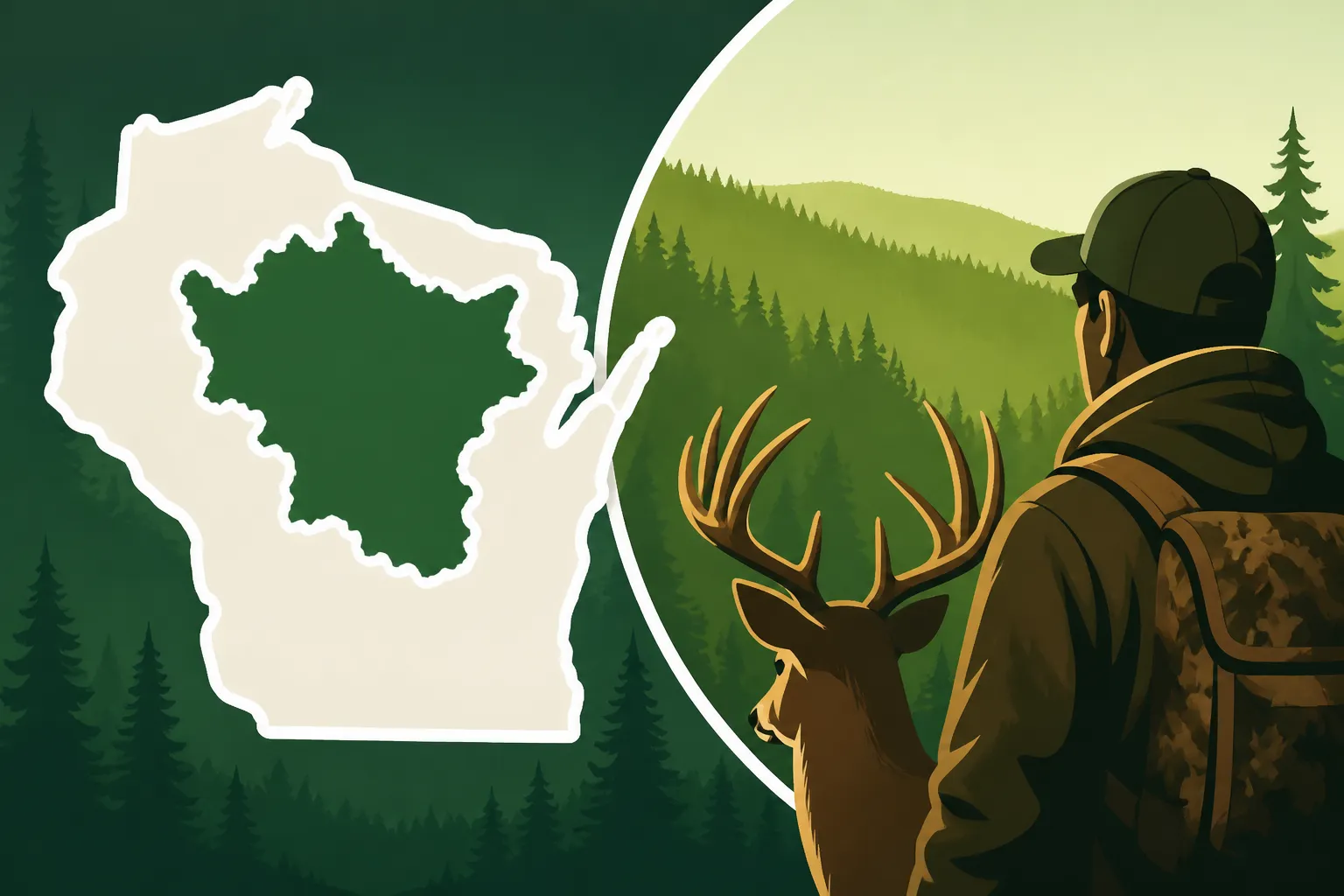
The total size of the Chequamegon-Nicolet National Forest is an astounding figure, encompassing roughly 1.5 million acres of federally managed land. Think about that for a moment. That's an area larger than some entire states, certainly larger than many national parks in other regions. It's a land mass so significant that you could spend a lifetime exploring its corners and still discover new ridges, swamps, and hidden logging roads. This immense scale fundamentally changes how you approach your hunt; it transforms it from a short walk into the woods behind a parking lot to a multi-day expedition into true wild country.
What does 1.5 million acres really mean for the average hunter? It means space. It means the chance to walk for miles and not cut a single human track. It means the opportunity to chase deer, bear, grouse, and even waterfowl in environments that feel genuinely remote. Unlike smaller parcels where deer might move between public and private land frequently, here, many animals live their entire lives within the forest boundaries, providing a consistent habitat to understand and hunt. It’s this expansive, continuous habitat that makes the Chequamegon-Nicolet such a special place for those who seek a genuine big woods experience. It's a place where you can apply a variety of tactics, from still-hunting to setting up treestands, and truly feel like you're deep in the wilderness.
Understanding the Two Halves: Chequamegon and Nicolet
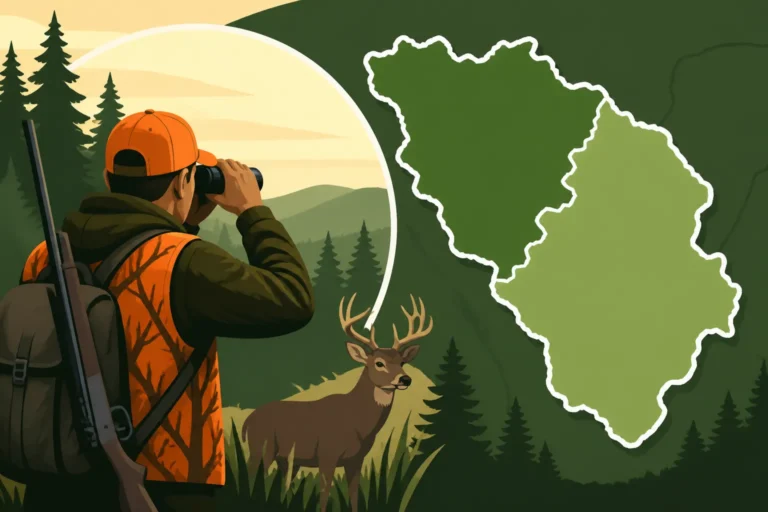
While often spoken of as a single entity, the Chequamegon-Nicolet National Forest is actually comprised of two distinct, non-contiguous halves: the Chequamegon portion to the west and the Nicolet portion to the east. These two vast regions are separated by other land ownerships, including private parcels, county forests, and state lands, but together they form one incredible national forest system. Understanding this division is crucial for planning your hunting trip, as each section has its own unique characteristics, even though they share the overarching "Northwoods" feel.
The Chequamegon portion is primarily located in the northwestern part of Wisconsin, spanning across counties like Bayfield, Ashland, Sawyer, Price, and Taylor. This western half is often characterized by its rolling hills, significant tracts of mixed hardwoods, vast pine plantations, and numerous small lakes and flowages. It's a classic Northwoods landscape, offering fantastic opportunities for chasing ruffed grouse in young aspen cuts, Grouse and Woodcock Hunting in Wisconsin, still-hunting for mature bucks in big timber, or pursuing bear through dense cover. The terrain here can be rugged in places, with elevation changes that, while not mountainous, can certainly test your endurance as you navigate through thick undergrowth and over fallen timber.
On the other side of the state, the Nicolet portion dominates the northeastern Wisconsin landscape, touching counties such as Forest, Florence, Oconto, Langlade, and Vilas. This eastern half tends to be a bit flatter in some areas, with more extensive wetlands, cedar swamps, and large expanses of conifer forests mixed with hardwoods. The Nicolet is renowned for its incredible bear habitat, and its vastness also makes it prime territory for deer, especially those big woods bucks that shy away from human contact. For those interested in Hunting the Nicolet Side for Deer, the challenge and reward are immense. The prevalence of water features also opens up possibilities for waterfowl hunting on its many lakes and rivers, making it a truly diverse hunting grounds.
Each half, while part of the same national forest system, truly offers a distinct flavor of northern Wisconsin hunting. Whether you're drawn to the rolling hills and varied timber of the Chequamegon or the extensive swamps and conifer forests of the Nicolet, the sheer acreage ensures there's always new territory to explore. Utilizing mapping tools like onX Hunt can be incredibly beneficial here, allowing you to seamlessly navigate these different land types and pinpoint public access points, even when you're deep in the woods without cell service.
Practical Implications for Hunters
The immense size of the Chequamegon-Nicolet National Forest translates into several significant practical advantages and unique challenges for hunters. This isn't a place where you can expect to just park your truck and step into a prime hunting spot twenty yards off the road. Its scale demands a different kind of preparation, a deeper commitment, and an understanding of how to leverage its vastness to your advantage.
One of the most immediate benefits of such a massive land base is the potential for reduced hunting pressure in many areas. While popular access points and easy-to-reach timber may see some activity, the further you're willing to walk, paddle, or even bike into the interior, the more likely you are to find solitude. This allows deer and other game to follow more natural patterns, less disrupted by constant human presence. Hunters who are willing to put in the effort to get off the beaten path often discover pockets of undisturbed habitat that can hold mature animals season after season. This is where truly Finding Ground Others Walk Past becomes a tangible strategy rather than just a hopeful dream.
The diverse habitats within the 1.5 million acres also mean a wider variety of hunting opportunities. You're not just limited to one type of terrain or game animal.
For deer hunters, this means the ability to adapt to changing conditions and food sources. If acorns fail in one area, you might find deer congregating in a swamp where conifer browse is abundant, or moving into recent timber cuts where new growth provides both food and cover. Hunting the Wisconsin Northern Forest for Deer can involve everything from still-hunting thick cedar swamps to setting up on ridges overlooking aspen regeneration areas. Bear hunters know the value of vast, untouched areas for their pursuits, and the Chequamegon-Nicolet delivers. Upland bird hunters can spend days covering miles of prime Grouse Hunting Wisconsin Aspen Cover or searching alder thickets for woodcock, experiencing the iconic flush of a ruffed grouse that can truly get your heart pounding.
| Aspect of Hunting | Impact of Chequamegon-Nicolet's Size | Hunter Strategy |
|---|---|---|
| Hunting Pressure | Generally lower away from main roads | Walk further, use remote access points |
| Habitat Diversity | Wide range of ecosystems (forest, swamp, barrens) | Adapt tactics to terrain, scout multiple areas |
| Game Accessibility | Animals have vast, undisturbed refuge | Focus on travel corridors, food, and cover |
| Scouting | Requires extensive mapping and physical exploration | Use digital maps (e.g., onX Hunt), plan multi-day trips |
| Logistics | Potentially long distances from vehicle, remote camping | Pack light, plan for overnight stays, bring recovery gear |
| Solitude | High potential for a truly wild experience | Embrace the challenge, enjoy the quiet |
Navigating the Vastness and Maximizing Your Hunt
Hunting in an area as immense as the Chequamegon-Nicolet National Forest requires a strategic approach to navigation and a commitment to planning. This isn't your backyard woodlot, and getting lost or unprepared can quickly turn a memorable hunt into a challenging ordeal. Thankfully, modern tools and good old-fashioned woodsman skills can help you make the most of this incredible public resource.
First and foremost, digital mapping applications are your best friend here. Services like onX Hunt have revolutionized how hunters can navigate large tracts of public land. You can download maps for offline use, mark waypoints for stands, game sign, or important access points, and always know exactly where you stand in relation to property boundaries and roads. This is absolutely critical when you're miles deep in the timber, trying to connect a series of ridges or follow a faint game trail. Before you even set foot in the woods, spend hours poring over these maps, identifying potential bedding areas, water sources, and travel corridors. Look for features like funnel points between swamps, isolated ridges, or dense cover near old logging roads.
Another crucial aspect is physical scouting. While digital maps are invaluable, nothing replaces boots on the ground. Make a dedicated trip or two before the season opens to explore the areas you've pinpointed on your maps. Look for fresh sign, identify primary food sources, and understand the lay of the land firsthand. This is also a good time to familiarize yourself with Treestand Setups in Wisconsin Hardwoods or identify suitable locations for ground blinds, perhaps even brushing one in ahead of time. During this scouting phase, pay attention to the Trail Camera Rules on Wisconsin Public Land if you plan to use them, as regulations can vary.
Finally, consider the logistics of your hunt, especially if you plan to venture deep into the forest. With such vast distances, camping on Wisconsin public land becomes a very practical option, allowing you to maximize your time in the woods without long drives back and forth. Be sure to check specific camping regulations for the National Forest. Pack adequately for the elements; northern Wisconsin weather can change quickly, especially during hunting season. This includes appropriate clothing for Cold Weather Sitting Strategy, sufficient water, food, a first-aid kit, and reliable navigation tools beyond your phone. Having a way to communicate, such as a satellite messenger, is also a wise precaution given the spotty cell service in many remote areas. The Chequamegon-Nicolet offers an incredible adventure for those willing to embrace its scale and prepare accordingly.
Disclaimer
This article is for general informational purposes only and does not constitute professional advice. Laws, prices and regulations vary by location and change over time. Consult a qualified professional for guidance on your specific situation.