Horicon Marsh Waterfowl Hunting Rules
Hunting Horicon Marsh for waterfowl is a dream for many, conjuring images of skies black with ducks and geese, the air thick with calls. But before you even think about setting out your decoys or blowing a hail call, you're faced with a dizzying array of regulations that can make your head spin. It’s not just one set of rules; it’s a mosaic of state and federal guidelines that often overlap and sometimes contradict, leaving even seasoned hunters scratching their heads. This guide is here to untangle that complexity, giving you a clear roadmap to understanding the essential waterfowl hunting rules for this iconic Wisconsin marsh.
The Dual Nature of Horicon Marsh: Why Rules Are So Specific
Horicon Marsh is a truly special place, a massive wetland that serves as a critical stopover for millions of migratory birds on the Mississippi Flyway. It’s an ecological marvel, but its sheer size and importance mean that managing hunting access and wildlife populations is a delicate balance, leading to a unique regulatory landscape. Understanding this dual nature is the first step to hunting it successfully and legally.
State vs. Federal Control: Two Sets of Regulations
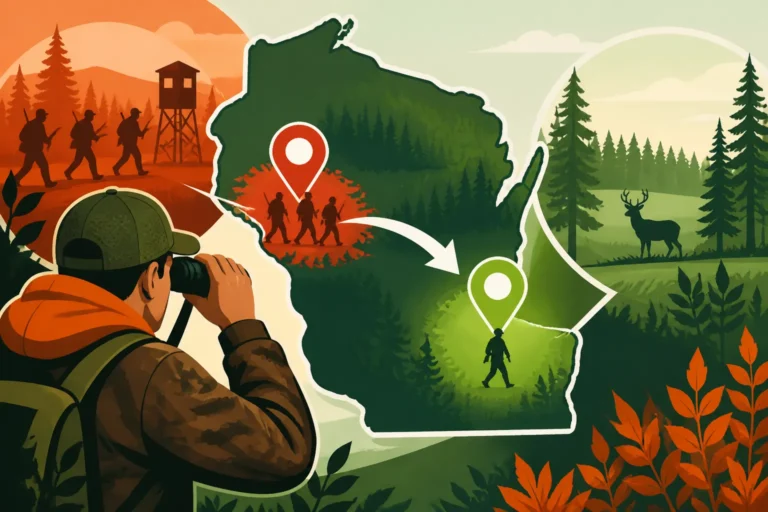
The biggest hurdle for many hunters approaching Horicon Marsh is realizing that it's essentially split into two distinct management areas, each with its own controlling authority and, consequently, its own set of rules. You have the Horicon National Wildlife Refuge (NWR), managed by the U.S. Fish and Wildlife Service, and the Horicon State Wildlife Area, managed by the Wisconsin Department of Natural Resources (DNR). These aren't just invisible lines on a map; they represent completely different philosophies and regulations for hunting.
Imagine a deer hunter trying to navigate a forest that’s half state land and half national forest – you wouldn't expect the same rules for both, would you? The same principle applies here, but with even more nuance due to the intensity of waterfowl management. This means that a blind setup perfectly legal on the state side might be a major violation on the federal side, and vice-versa. It's not enough to know some of the rules; you need to know which rules apply to where you plan to hunt. Using mapping apps like onX Hunt, which clearly delineate federal and state property boundaries, becomes absolutely invaluable here, allowing you to visually understand where one set of rules ends and another begins before you even step foot in the marsh.
The Rationale Behind Strict Rules
Why so many rules, you might wonder? It boils down to conservation, safety, and managing immense hunter pressure. Horicon Marsh is a wildlife magnet, drawing countless hunters each year eager to experience its world-class waterfowl opportunities. Without strict regulations, the marsh could quickly become overcrowded, leading to safety hazards, unethical hunting practices, and unsustainable pressure on bird populations. The rules are designed to distribute hunters, reduce disturbance to wildlife, ensure fair chase, and protect the marsh's delicate ecosystem for future generations of birds and hunters.
Think about it: when hundreds or even thousands of hunters converge on a single, albeit vast, area, without a plan, it's chaos. These regulations, though sometimes cumbersome, are the framework that allows controlled hunting in such a crucial wildlife area. They ensure that everyone has a fair shot, that birds have refuge, and that the marsh remains a vibrant ecosystem capable of supporting millions of waterfowl annually.
Navigating the Managed Hunts: Permits and Application Rules
For many of the prime waterfowl hunting locations within Horicon Marsh, you can't just show up with your shotgun and decoys. Both the federal refuge and parts of the state wildlife area operate under managed hunting systems, often requiring permits obtained through a drawing process. This can be a significant hurdle for newcomers, but understanding the system is key to gaining access.
The Horicon Managed Hunt Drawing Process
Many of the most desirable hunting spots, particularly on the federal refuge and some specific state units, are allocated through a lottery or drawing system. This process is designed to limit hunter numbers, reduce crowding, and provide quality hunting experiences while protecting the resource. Typically, applications for these managed hunts open well in advance of the waterfowl season, often in late spring or early summer, with deadlines usually in August.
Hunters usually apply for specific time periods and hunt zones within the marsh. It’s not a guarantee you'll get drawn, especially for highly sought-after early season dates. Some systems may incorporate a preference point system, rewarding hunters who apply but aren't drawn in previous years with a better chance in subsequent drawings. To participate, you'll need to use the Wisconsin DNR's Go Wild licensing and application system. It's crucial to diligently check the DNR website annually for specific application periods, available zones, and any changes to the drawing rules. Platforms like GoHunt can sometimes offer insights into draw odds or application strategies, though always cross-reference with official DNR publications. Wisconsin Waterfowl Seasons and Zones will give you a general overview of the broader regulatory context for duck and goose hunting across the state, which is a good baseline for understanding Horicon's specific rules.
Understanding Controlled Hunting Zones and Daily Permits
Beyond the initial drawing, some areas of Horicon, particularly certain units within the National Wildlife Refuge, operate as controlled hunting zones. This means that even if you have an authorization, there might be further requirements like daily check-ins and check-outs. These systems often dictate specific entry and exit points, parking areas, and even the exact blind or hunting zone you are assigned for the day. This level of control allows managers to monitor harvest, prevent over-pressuring specific areas, and ensure hunter safety.
In some managed units, particularly on the state side or for certain later season opportunities, leftover permits or daily access might be available on a first-come, first-served basis after the initial draw. This usually involves showing up early to a designated check station or kiosk. It's a game of chance and dedication, often requiring hunters to arrive hours before legal shooting light. Always confirm if the specific area you're targeting requires a daily permit, how to obtain one, and the operating hours for check stations. Understanding these nuances is critical for avoiding a wasted trip and potential fines.
General Hunting Regulations and Specific Unit Rules
While managed hunt permits govern access to many parts of Horicon Marsh, a foundational understanding of universal waterfowl hunting regulations, combined with the specific rules for either the federal or state portions, is absolutely non-negotiable. These are the details that dictate how you hunt, not just if you can.
Universal Waterfowl Regulations at Horicon
Regardless of whether you're on the state or federal side of Horicon, several critical rules apply to all waterfowl hunters. First and foremost, non-toxic shot is mandatory for all waterfowl hunting throughout the marsh. This means no lead shot whatsoever when pursuing ducks, geese, or other migratory game birds. Where Nontoxic Shot Is Required in Wisconsin delves into this important regulation. This is a federal requirement aimed at protecting waterfowl from lead poisoning, and it's strictly enforced.
Secondly, you must abide by the legal shooting hours, which are typically half an hour before sunrise to sunset. However, these times can vary slightly and are published annually in the Wisconsin Waterfowl Regulations pamphlet. Staying current on Wisconsin Duck Season Dates by Zone will give you an idea of when to expect these hours to be in effect. Additionally, all waterfowl hunters over the age of 16 must possess a valid Federal Duck Stamp and have proof of Harvest Information Program (HIP) certification. These are federal requirements that contribute to waterfowl conservation efforts. For more details, consult Wisconsin Federal Duck Stamp Rules and Wisconsin HIP Certification for Bird Hunters. Finally, daily bag limits and possession limits are set annually for different species of ducks and geese. Always check the current year's waterfowl regulations digest to ensure you are compliant, as these numbers can change.
Horicon National Wildlife Refuge Specific Rules
The Horicon NWR, being a federal entity, often has some of the most stringent and unique rules. Access is usually highly restricted, with limited vehicle access to designated parking areas. In many sections, the use of motorized boats might be prohibited entirely, or limited to specific horsepower restrictions or electric motors only. Permanent blinds are generally not allowed; instead, temporary blinds or natural cover are the norm.
Hunting days can also be limited, often to specific days of the week to provide refuge periods for the birds. For example, some units might only allow hunting on Saturdays, Sundays, and Wednesdays. Check-in and check-out procedures for managed hunts on the refuge side are often mandatory, involving physically visiting a check station. There might also be rules regarding the number of decoys you can deploy, the use of retrieving dogs (which are generally allowed but might have specific leashing requirements in certain areas), and even restrictions on scouting activities before the season. Always obtain the specific regulations pamphlet published by the U.S. Fish and Wildlife Service for the Horicon NWR, as these details are critical.
Horicon State Wildlife Area Specific Rules
The Horicon State Wildlife Area, while also heavily managed, can sometimes offer slightly different opportunities and rules compared to the federal refuge. While drawing for managed hunts is still common in some high-demand state units, other areas might offer more open access, operating under general state waterfowl regulations combined with site-specific rules. Boat access might be less restricted in certain areas, though horsepower limits and slow-no-wake zones are common.
Some state zones might have designated public hunting blinds or blind sites available on a first-come, first-served basis, or through an annual drawing. Others might allow for portable blinds. Be aware of any restrictions on leaving equipment overnight, as this is often prohibited to keep the marsh clean and accessible. Like the federal side, specific hunting days may be enforced in certain management units to provide rest periods for waterfowl. The best source for these rules is the Wisconsin DNR's annual waterfowl regulations pamphlet and any specific public notice signs posted at state wildlife area access points. If you're looking for more general information on how public land is managed for hunting, Horicon Marsh Hunting Access provides additional context on navigating access points and general regulations.
Key Considerations for a Successful and Legal Hunt
Understanding the rules is one thing, but applying that knowledge effectively in the field is another. Horicon Marsh presents unique challenges that require diligent preparation, careful planning, and a strong commitment to ethical hunting.
Scouting, Mapping, and Boundary Awareness
Pre-season scouting is absolutely paramount for success at Horicon, perhaps more so than almost anywhere else in Wisconsin. Water levels can fluctuate dramatically, impacting access to traditional hunting spots and changing bird movements. What was a productive pocket last year might be bone dry or flooded beyond reach this season. Spending time before the season opens to observe bird activity, identify travel corridors, and locate potential blind sites is invaluable.
Crucially, this scouting must go hand-in-hand with meticulous mapping. Because the boundaries between the state wildlife area and the federal refuge, as well as specific hunt units within each, can be subtle on the ground, a reliable mapping tool is essential. Applications like onX Hunt can be a lifesaver, clearly showing property lines, unit boundaries, access points, and even water depths in some areas. Trusting your memory or a vague paper map isn't enough; you need precise information to avoid trespassing or hunting in a restricted zone. Familiarity with Scouting Wisconsin Public Land Before Season can help refine your pre-hunt strategy, even in a unique environment like Horicon.
Ethical Hunting and Public Land Etiquette
Horicon Marsh is a high-pressure hunting environment, especially during peak migration and opening weekends. This means you'll likely be hunting in proximity to other waterfowlers. Maintaining ethical standards and good public land etiquette isn't just a suggestion; it's a necessity for everyone's safety and enjoyment. Respect other hunters' space, avoid sky-busting (shooting at birds outside of effective range), and never interfere with another hunter's setup or retrieve. Be aware that Opening Weekend Crowds on Wisconsin Public Land are a reality here, so patience and courtesy are paramount.
Beyond other hunters, always prioritize the welfare of the birds. Only take clean shots within your effective range, and diligently retrieve all downed birds. Leaving cripples or unrecovered birds is not only unethical but also often illegal. Packing out all your trash, including spent shell casings, is also a must. The marsh is a shared resource, and our actions directly impact its health and the quality of the hunting experience for everyone. Dealing with Hunting Pressure on Wisconsin Public Land at Horicon requires an extra dose of mindfulness and sportsmanship.
Here’s a quick overview of key differences between the State Wildlife Area and National Wildlife Refuge at Horicon:
| Feature | Horicon State Wildlife Area | Horicon National Wildlife Refuge |
|---|---|---|
| Managing Authority | Wisconsin Department of Natural Resources (DNR) | U.S. Fish and Wildlife Service (USFWS) |
| Primary Goal | Wildlife management, public recreation (including hunting) | Wildlife conservation, habitat protection, limited public use |
| Managed Hunts | Often draw-based for specific zones/periods | Highly structured draw-based permits for most hunting zones |
| Access | Generally more liberal, but with zoned restrictions | Often restricted to specific entry points and times; check-in/out required for managed hunts |
| Boat Motors | May allow limited gas motors in some zones, electric common | Typically electric motors only, or non-motorized only in many areas |
| Permanent Blinds | Generally not allowed, or by specific permit only | Usually prohibited; temporary blinds/natural cover |
| Hunting Days | Can be specific (e.g., Sat/Sun/Wed in some units) | Often restricted to specific days (e.g., Sat/Sun/Wed) |
| Non-Toxic Shot | Mandatory | Mandatory |
| Federal Duck Stamp/HIP | Mandatory | Mandatory |
Remember, this table is a general guide. Always consult the most current official regulations from both the Wisconsin DNR and the U.S. Fish and Wildlife Service before hunting any part of Horicon Marsh.
Staying Informed: Your Responsibility as a Horicon Hunter
The responsibility for knowing and following the rules ultimately rests with you, the hunter. Ignorance of the law is never an excuse, especially in an area as heavily managed and ecologically significant as Horicon Marsh.
How to Get the Latest Regulations
The most reliable sources for up-to-date regulations are the official government agencies. For the state wildlife area, always download or pick up the current year's Wisconsin Waterfowl Regulations pamphlet from the Wisconsin DNR website. For the national wildlife refuge, you'll need to visit the U.S. Fish and Wildlife Service website or the Horicon NWR visitor center for their specific regulations, which are often published separately. These documents are updated annually, so simply relying on last year's pamphlet or what a buddy told you is a recipe for trouble. Make it a routine to check these sources every single year before the season begins.
Also, pay attention to signs posted at access points and trailheads around the marsh. These often contain critical, site-specific information or temporary closures that might not be in the general pamphlets. Being prepared with the right Waterfowl Gear for Wisconsin Marsh and River, including Waders for Wisconsin Marsh Hunting and Decoy Spreads for Wisconsin Divers, is important, but nothing beats being armed with current knowledge of the rules.
Penalties for Non-Compliance
The penalties for violating hunting regulations at Horicon Marsh can range from hefty fines to the loss of hunting privileges, confiscation of equipment, and even jail time for severe offenses. Violations within a national wildlife refuge can carry federal charges, which often come with more severe consequences. For example, using lead shot, hunting outside designated hours or areas, or exceeding bag limits are taken very seriously. Conservation wardens and refuge officers patrol the marsh diligently, and they are well-versed in the intricate regulations. A mistake born of ignorance can cost you far more than just a ruined hunt; it can impact your ability to hunt in Wisconsin, or even federally, for years to come. Do yourself, the wildlife, and your fellow hunters a favor: read the rules, understand them, and follow them.
Disclaimer
This article is for general informational purposes only and does not constitute professional advice. Laws, prices and regulations vary by location and change over time. Consult a qualified professional for guidance on your specific situation.