Lake Winnebago Waterfowl Access
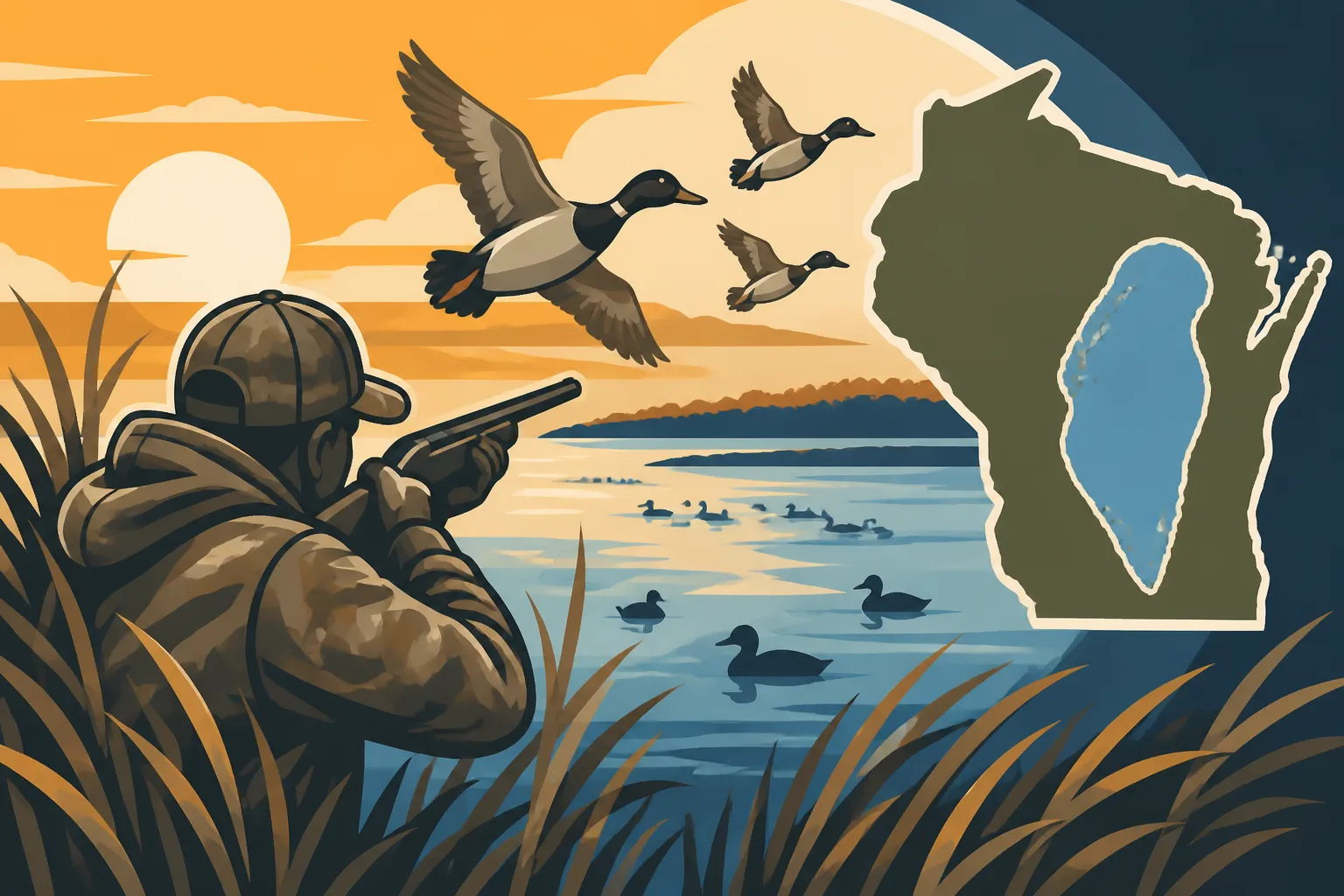
When you dream of waterfowl hunting, images of quiet backwaters or small potholes might come to mind, but chasing ducks and geese on a massive expanse like Lake Winnebago is a whole different ballgame. It can feel daunting to even know where to begin on such a vast body of water, let alone how to find productive spots. This guide is here to unravel the complexities of public access and help you navigate the rich waterfowl hunting opportunities that Lake Winnebago offers Wisconsin hunters.
The Unique Challenge of Hunting Lake Winnebago Waterfowl
Lake Winnebago isn't your typical duck marsh; it's a massive, shallow, inland freshwater lake, part of Wisconsin's largest inland lake system. This sheer size, coupled with its unique geography, presents both incredible opportunities and significant challenges for waterfowl hunters. It's not uncommon to feel overwhelmed just looking at a map of it.
Understanding Lake Winnebago's Vastness and Habitat
With over 130,000 acres of open water, Lake Winnebago can feel like an ocean. Its average depth is relatively shallow, around 15 feet, but it features vast expanses of open water, extensive reed beds, and marshy shorelines, particularly in the northern and western sections. This diverse habitat attracts a wide array of waterfowl. You'll find areas that are relatively protected, offering calmer waters and denser vegetation, contrasting sharply with the wide-open, wind-swept main lake. The sheer scale means that understanding current weather patterns, especially wind direction and speed, is absolutely critical for both safety and successful hunting. A little bit of chop can quickly turn into dangerous waves, making navigation and decoy setting incredibly difficult, if not impossible. The Wisconsin Open Water Duck Zone rules really come into play here, dictating how you can operate on these larger bodies of water.
Key Waterfowl Species and Migration Patterns
Lake Winnebago is a major staging area along the Mississippi Flyway, particularly for diver ducks. You'll often encounter large rafts of bluebills, canvasbacks, redheads, and goldeneyes out on the open water. These birds prefer deep water, feeding on submerged vegetation and invertebrates. However, don't overlook puddle ducks like mallards, wood ducks, and green-winged teal, especially in the shallower bays, river mouths, and along the vegetated edges. Geese, primarily Canada geese, also utilize the lake, often flying from nearby agricultural fields to roost on the open water. The migration timing varies, but October and November are usually prime times for diver activity, while early season in September can offer good opportunities for local puddle ducks and teal. Understanding these patterns, combined with local scouting, is key to being in the right place at the right time. For general waterfowl season info, checking Wisconsin Waterfowl Seasons and Zones is always a good starting point.
Identifying Public Access Points and Zones
Finding a spot to launch your boat or set up a blind can be a puzzle on such a large lake. While the sheer size means plenty of water, knowing where you can legally access and hunt is paramount. Don't just pull off the side of the road and expect to throw out decoys; public access is clearly defined, and respecting private property is crucial.
State-Owned Boat Launches and Public Land Along the Shore
The Wisconsin DNR maintains numerous public boat launches around Lake Winnebago, providing essential access for waterfowl hunters. These launches are often paved, feature ample parking, and can accommodate larger hunting boats. Key access points include launches in cities like Fond du Lac, Oshkosh, Menasha, and Neenah, as well as smaller towns and county parks scattered around the perimeter. While these launches provide easy entry to the water, be aware that they can be bustling during peak hunting days, especially on opening weekend.
Beyond the boat launches, there are segments of public land directly adjacent to the lake or its feeder rivers that offer walk-in opportunities or smaller craft launches. These might be part of state parks (though specific hunting rules apply and often restrict hunting to certain times or areas), wildlife areas, or even county-owned parcels. For example, some sections of the Fox River or the western shore might have smaller public access points where you can launch a canoe or kayak and paddle into a more secluded marshy area. Always look for official signage and consult a map to confirm land ownership before you venture out.
Navigating the Open Water Hunting Zones
Hunting on the vast open water of Lake Winnebago often falls under "open water" regulations, which permit hunting from a boat that is either anchored or adrift, usually a certain distance from shore or permanent blinds. These rules are designed to balance safety with hunting opportunity. It’s a different game than hiding in cattails. For diver hunting especially, this means setting up large decoy spreads well away from land, often in areas where you wouldn't necessarily "hide" but rather position yourself to intercept birds flying over established feeding grounds or travel lanes. These open water areas can be highly productive, but they demand specialized equipment and a keen understanding of boat safety. Always refer to current regulations regarding distance from shore, other hunters, and occupied dwellings. Diver Hunting on Wisconsin Open Water goes into more detail on how this specific type of hunting works.
Using Mapping Tools for Access and Navigation
In today's hunting world, digital mapping applications are indispensable, and Lake Winnebago is no exception. Traditional paper maps can get you started, but an app like onX Hunt or GoHunt truly shines when trying to decipher access on a large, complex water body. These tools allow you to view property boundaries, public land designations, and even lake contours with incredible detail.
Imagine this scenario: you're looking at a potential bay that seems perfect for a shore blind, but you're not sure if the adjacent land is public or private. With onX Hunt, you can instantly see parcel lines and landowner information, preventing accidental trespassing. You can also mark potential boat launch points, track your movements on the water, and identify submerged structure or depth changes that might attract different species of ducks. These apps also allow you to drop pins for successful hunting spots or areas of interest, building a personal database for future hunts. Learning Using the Wisconsin Hunt Wild App or similar platforms can give you a significant advantage in scouting and navigating these waters safely and legally.
| Access Type | Description | Best For | Key Considerations |
|---|---|---|---|
| DNR Boat Launches | Paved ramps, ample parking, direct access to main lake. | Motorized boats, large decoy spreads. | Can be crowded, exposed to wind, limited shore hunting. |
| County Park Access | Some parks offer launches or shoreline access, check local ordinances. | Kayaks, canoes, smaller boats, walk-in hunting. | Rules vary by park, specific hunting zones may apply. |
| River Mouths/Bays | Where rivers like the Fox or Wolf enter the lake; often marshy. | Puddle ducks, smaller boats, jump shooting. | Shallow water, current, can be highly vegetated, private land mix. |
| Designated Open Water | Areas far from shore, typically requiring boat hunting, as per DNR rules. | Diver ducks, large boat-based spreads. | Requires stable boat, advanced safety gear, sensitive to weather. |
| Managed Forest Law (MFL) Open | Private lands along shore, open for public hunting by landowner choice. | Walk-in access, less pressure, shore blinds. | Requires diligent map checking (onX Hunt), may be infrequent. |
Gear and Strategies for Successful Winnebago Waterfowling
Hunting Lake Winnebago is not for the faint of heart or the unprepared. The size and dynamic nature of the lake demand specific gear and well-thought-out strategies to ensure both success and, most importantly, safety. You're dealing with conditions that can change in a heartbeat, and being under-equipped is a recipe for a bad day.
Essential Boats, Blinds, and Decoys for Open Water
When it comes to boats, a stable, seaworthy craft is non-negotiable. Many Winnebago hunters favor larger jon boats, V-hull aluminum boats, or even small duck boats with a decent motor, capable of handling choppy conditions. Layout boats, while specialized, are also popular for diver hunting in the wide-open areas. Your boat isn't just transport; it's often your blind, storage, and lifeline. Don't skimp on safety equipment like life jackets, distress signals, and a good anchor. For blinds, layout blinds are excellent for open water, keeping you low profile. For shore-based hunting in marshier areas, a portable panel blind or even just brushing in an existing hide can work.
Decoys are where many hunters really go big on Winnebago. Large spreads are common, sometimes numbering in the dozens or even hundreds, especially for diver ducks. Big water requires big visibility. Magnum decoys and long lines are your friends. Consider using primarily diver decoys (bluebills, canvasbacks) for open water, and a mix of puddle ducks for the shallower, more protected zones. Decoy Placement for Pressured Birds is a general principle, but on Winnebago, it's often about mass and realism for those weary divers.
Weather Considerations and Safety First
Weather on Lake Winnebago can be brutal and unforgiving. A calm morning can quickly turn into a white-capped nightmare with strong winds. Always check multiple weather forecasts before heading out, paying close attention to wind speed and direction. A southerly wind might create perfect conditions on the north end of the lake, but make the south end a washing machine. Hypothermia is a real danger, so Layering for a Wisconsin Deer Stand principles apply here too, but amplified for wet conditions. Dress in layers, wear waterproof outerwear, and always have extra dry clothes in a dry bag.
Boat safety is paramount. Overloading your boat, operating in unsafe conditions, or neglecting basic maintenance can have dire consequences. Carry a marine radio or a fully charged cell phone (in a waterproof case) for emergencies, and always let someone know your float plan – where you're going and when you expect to return. Never underestimate the power of this lake.
Decoy Spreads and Calling Tactics for Diver Ducks
Successful diver hunting on Lake Winnebago often hinges on your decoy spread. Diver ducks are curious but cautious. They want to see a safe, inviting landing zone. Long lines, sometimes stretching hundreds of feet, create a lifelike raft of birds. Think about "J-hooks" or "U-shapes" with an open landing zone downwind and down-current from your blind. Place your diver decoys in large, consolidated groups, mimicking how these birds naturally raft up.
Calling for diver ducks is generally less aggressive than for puddle ducks. A soft, contented "purr" or subtle whistle can be effective. Less is often more. The visual appeal of your large, realistic spread usually does most of the work. Focus on birds that are already showing interest and coming into range. Practice your calling, but prioritize smart decoy placement and concealment.
Overcoming Common Hurdles on Lake Winnebago
Every hunting area has its challenges, but Lake Winnebago has a few distinct ones that, if not addressed, can quickly spoil a hunt. Being prepared for these common hurdles means you can adapt and increase your chances of success.
Dealing with Hunting Pressure and Finding Seclusion
On a popular lake like Winnebago, especially during peak migration and opening days, you will encounter other hunters. This can lead to competition for prime spots and educate the birds quickly. To counter this, consider scouting on weekdays or during less popular times. Use those mapping apps like onX Hunt or GoHunt to identify less accessible areas – perhaps a bay that requires a longer paddle or a boat launch that's off the beaten path. Sometimes, simply going a little further or working a little harder can get you away from the crowds.
Another strategy is to adapt your hunt to the pressure. If birds are being flared off the main lake, they might seek refuge in shallower, more protected bays or even the river mouths. Being flexible and willing to move can turn a slow morning into a productive one. Observing flight patterns and noting where birds are not being pressured can lead you to untapped opportunities.
Navigating Changing Water Levels and Ice Conditions
Lake Winnebago's water levels can fluctuate throughout the season, influenced by rainfall and dam operations on the Fox River. This can affect boat launch usability, expose new mud flats, or make certain areas too shallow to navigate. Always check current water levels if possible, especially if you plan to hunt areas known for being shallow.
As winter approaches, ice conditions become a major concern. Early ice can create treacherous conditions, making large sections of the lake impassable or extremely dangerous. Hunting during freeze-up or thaw periods is highly risky. Understanding when Wisconsin Duck Season Dates by Zone end is crucial, as is knowing when it's just too cold and icy to safely launch a boat or retrieve birds. Safety should always override the desire to get out, and no duck is worth a life. Be aware of your limits and the lake's power.
Ethical Hunting and Respecting Other Users
As hunters, we share the outdoors with many others – anglers, boaters, bird watchers, and other recreational users. Maintaining a strong ethical standard is vital, especially on a heavily used body of water like Lake Winnebago. This includes respecting established distances from other hunters' spreads, refraining from shooting at low-flying birds over populated areas, and being mindful of noise and commotion.
Always pick up your spent shotshells, retrieve all your decoys, and leave your hunting area cleaner than you found it. Be courteous at boat launches and understand that everyone is out there to enjoy the natural resources. Positive interactions with non-hunters help foster a better public image for hunting and ensure these access points remain open for generations to come.
Disclaimer
This article is for general informational purposes only and does not constitute professional advice. Laws, prices and regulations vary by location and change over time. Consult a qualified professional for guidance on your specific situation.