Crex Meadows Wildlife Area Hunting
For hunters eager to explore Wisconsin's vast public lands, finding an area that truly stands out from the typical hardwood forests or agricultural fields can be a real challenge. Many public tracts offer similar experiences, but if you're looking for something unique—a place where wide-open barrens meet wetlands and pine forests, offering diverse hunting for everything from deer to sharp-tailed grouse—then Crex Meadows Wildlife Area is a destination you absolutely need to discover. This guide will walk you through what makes Crex special and how to make the most of your hunting adventure there.
Understanding Crex Meadows: A Unique Wisconsin Landscape
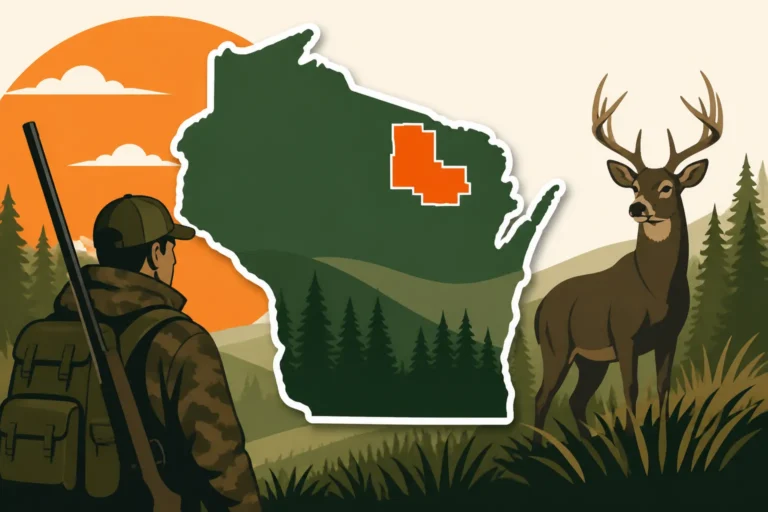
Crex Meadows Wildlife Area, located in Burnett County in northwestern Wisconsin, isn't just another patch of woods. It's a truly unique ecological marvel, a testament to decades of habitat restoration and management, offering a hunting experience unlike almost anywhere else in the state. If you've spent most of your hunting career in the rolling hills of the Driftless Area or the dense timber of the Northern Forest, prepare for a completely different adventure.
What Makes Crex Meadows Special
The history of Crex Meadows is fascinating and directly impacts its current character. Once a vast pine barren and sedge meadow ecosystem, it was heavily logged and then attempts were made to convert it to agriculture in the early 20th century, largely failing. The area was eventually acquired by the state and has undergone extensive restoration efforts since the 1940s to bring back its original "barrens" habitat. This means you'll encounter a mosaic of landscapes: vast expanses of brush prairie, stands of jack pine, small aspen pockets, and numerous flowages and wetlands created to support waterfowl and other marsh species.
This mix of open, scrubby barrens, pine plantations, and wetlands provides an incredible diversity of habitat. It's a place where you can find sharp-tailed grouse booming on their dancing grounds, deer bedding in dense pine cover, and ducks and geese filling the sky over shallow marshes. The active management, including prescribed burns, is crucial for maintaining this rare ecosystem, which in turn provides for the wildlife. It’s a dynamic environment, constantly changing with the seasons and management practices, which keeps hunting interesting and challenging. It’s a far cry from stalking whitetails in an oak ridge or calling turkeys in a woodlot; this is big country hunting.
Key Species to Hunt at Crex Meadows
Crex Meadows is a sportsman's paradise due to the sheer variety of game species that call it home. For many, it's synonymous with sharp-tailed grouse, one of Wisconsin's most unique game birds, found almost exclusively in barrens habitats like this. But the opportunities don't stop there.
Deer hunting at Crex offers a distinct challenge. Whitetails here are masters of navigating the dense jack pine thickets and brushy cover. Don't expect to see them cruising open hardwoods; they'll often be tucked into the thickest stuff, moving silently through the scrub. Early season archery can be productive, and the gun season provides chances to still-hunt or participate in small deer drives through key areas.
Bear hunting is also popular, as Crex Meadows falls within a bear management zone. Drawing a tag for this region can take many years of accumulating preference points, but for those who do, the sprawling wildness of Crex provides excellent habitat for black bears. Whether you're hunting with bait or running hounds, the vastness offers prime bear country.
Waterfowl hunting is a major draw, with numerous managed flowages and wetlands providing critical habitat for migrating ducks and geese. You'll find everything from mallards and wood ducks to various divers and robust populations of Canada geese. Hunting Horicon Marsh Waterfowl is another popular destination, but Crex offers a very different feel, often with less competition if you're willing to walk.
Beyond these, you can pursue ruffed grouse and woodcock in the scattered aspen and alder runs, rabbits and snowshoe hares in dense brush, and coyotes across the open barrens. The sheer acreage means there's almost always an open season for something.
Navigating the Vastness of Crex
Crex Meadows is massive—over 30,000 acres of public land. This vastness is both its greatest asset and its greatest challenge. You can easily get turned around if you don't come prepared. Roads wind through much of the area, but many excellent hunting spots are deep in walk-in only sections.
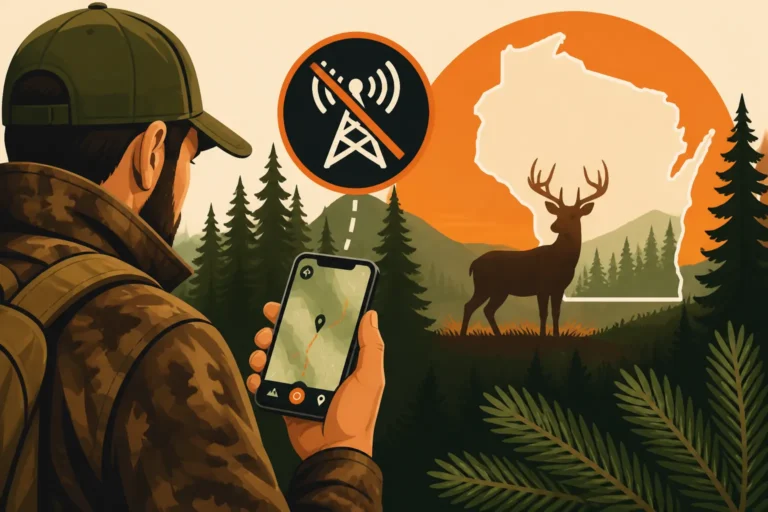
This is where modern mapping technology becomes your best friend. Tools like the onX Hunt app are invaluable for understanding land boundaries, identifying habitat types, and marking your truck or key locations. You can see the network of access roads, the outlines of flowages, and distinguish between pine plantations, brush prairie, and sedge meadows. Without a detailed map, trying to navigate Crex for the first time would be an exercise in frustration. Even traditional paper maps from the Wisconsin DNR are a must-have backup, especially in areas with spotty cell service. Plan your route, mark potential bedding areas or feeding grounds, and understand how to get back to your vehicle. When you're Scouting Wisconsin Public Land Before Season, using these tools to identify areas of interest is paramount.
Planning Your Hunt: Access, Rules, and Regulations
Hunting Crex Meadows requires more than just showing up with your gear; it demands careful planning to ensure you understand the specific nuances of this unique wildlife area. The rules here can differ slightly from general statewide regulations, so a little homework goes a long way.
Access Points and Designated Areas
Crex Meadows has a well-developed network of roads, many of which are open to public vehicle traffic, leading to numerous parking areas. From these parking areas, you'll often find mowed trails or fire lanes that provide access to deeper sections. However, many of the best, least-pressured spots are those that require a significant walk. You'll want to pay close attention to signs that delineate walk-in only areas or specific zones.
For instance, certain units might be managed primarily for sharp-tailed grouse and have specific access points or viewing blinds. Waterfowl hunting often concentrates around designated flowages with established access points. It’s not uncommon for different sections of the property to have slightly different focuses or seasonal access limitations, so knowing your target species and where they are most likely to be found is key. The Wisconsin DNR's website offers detailed maps of Crex Meadows, which you should consult well before your trip. Using an app like GoHunt or onX Hunt can overlay this information on a satellite map, giving you a real-time understanding of your location relative to these boundaries.
Let's look at a general overview of hunting types and potential areas:
| Hunting Type | Primary Habitat | Typical Access | Key Considerations |
|---|---|---|---|
| Deer | Pine thickets, brush prairie, forest edges | Roadside parking, longer walks into dense cover | Still-hunting, finding transition zones |
| Sharp-tailed Grouse | Open brush prairie, managed barrens | Dedicated trails, strategic walking in open areas | Specific permits, habitat management areas |
| Ruffed Grouse/Woodcock | Aspen stands, alder runs, brushy edges | Near roads or along old logging trails | Dog hunting often preferred, identifying specific cover |
| Waterfowl | Flowages, wetlands, shallow marshes | Designated parking, boat launches, walk-in access | Checking water levels, blind sites, decoy use |
| Bear | Dense cover, transition zones, food sources | Back roads, walk-in access for bait sites | Preference points, specific baiting rules |
| Small Game | Brush piles, thickets, field edges | Easily accessible from most roads | High populations of rabbits and squirrels |
Specific Regulations for Crex Meadows
Crex Meadows operates under Wisconsin's general hunting regulations, but like many large wildlife areas, it has specific rules that hunters must be aware of. The most notable might be for sharp-tailed grouse. Hunting these birds almost always requires a special permit, often obtained through an application process due to limited populations. These permits are typically zone-specific, and Crex Meadows falls within one of those zones. Always check the current regulations pamphlet for application deadlines and permit requirements. Wisconsin Sharp-Tailed Grouse Permits are highly sought after.
For waterfowl, certain areas within Crex might be subject to special draw hunts, especially for goose hunting, similar to larger managed marshes. Always check the Wisconsin DNR's waterfowl regulations for specific unit rules, shooting hours, and decoy restrictions. Wisconsin Waterfowl Seasons and Zones will provide the general framework, but local signage and specific Crex Meadows fact sheets are vital.
General rules like blaze orange requirements during gun seasons apply, and it's always wise to wear more than the minimum, especially in an area with diverse hunting pressure. Baiting and feeding bans for deer are often in effect in Burnett County, which covers Crex Meadows. You must always verify the current status of these bans before placing any attractants. How Wisconsin Baiting Bans Are Triggered explains the county-level rules. Treestands and ground blinds also have specific regulations regarding how long they can be left up and if they need to be labeled with your customer ID number. Make sure your gear complies with these regulations to avoid any issues.
Preparing for a Successful Trip
A successful hunt at Crex Meadows starts long before you pull into a parking spot. Scouting is paramount, whether it's through online maps (onX Hunt is excellent for this, showing historical aerials that can reveal past burns or logging activity) or boots on the ground. Look for pinch points, dense cover that deer might use, aspen stands for grouse, or subtle depressions that hold water for ducks. Since this is a unique environment, identifying key habitat features is critical.
Understanding the weather is also crucial. The open nature of Crex can mean strong winds, and the wetlands can quickly become muddy after rain. Proper footwear, layered clothing, and good rain gear are non-negotiable. If you're heading deep into the barrens, bring plenty of water, snacks, a compass (or fully charged phone with a mapping app and backup battery), and a first-aid kit. Being self-sufficient is key, as you might be a long way from help. First Aid Kits for Remote Northwoods Ground is essential reading.
Finally, have a plan B. If your primary spot for sharp-tailed grouse isn't producing, know where you might find ruffed grouse, or have a backup plan for waterfowl. The beauty of Crex is its diversity; if one opportunity dries up, another often presents itself.
Hunting Strategies for Crex Meadows Game
The diverse landscape of Crex Meadows demands adaptable hunting strategies. What works in a typical Wisconsin big woods setting might not be effective here. Let's dive into some specific tactics for key species.
Deer Hunting in the Barrens
Deer in Crex Meadows are masters of using the dense, scrubby cover that defines the barrens. Forget wide-open timber stands; here, the whitetails will often be bedded in thick jack pine plantations, dense brush prairie, or along the edges of small swamps and flowages.
Still-hunting is a highly effective strategy, especially during gun season. Moving slowly and deliberately through the pine thickets, pausing often to scan ahead, can yield results. Focus on areas where the pines offer overhead cover and the understory is thick enough to break up a deer's outline. During archery season, identifying natural funnels where deer transition between bedding areas in dense cover and pockets of food (like oak stands, if present, or areas with specific browse) can be productive. While Still-Hunting Wisconsin Cedar Swamps focuses on a different cover type, the principles of slow, methodical movement and using cover to your advantage are very applicable in Crex's dense pine and brush.
Also, don't overlook the edges. The transition zones between the open barrens, pine stands, and wetlands can be hot spots. Deer will often skirt these edges, especially during low light, providing opportunities for well-placed ground blinds or ladder stands. Using a Ground Blind on Wisconsin Public Land can be a fantastic option here, especially if brushed in effectively along a travel corridor or a subtle food source. With the vastness of Crex, finding ground that others walk past is entirely possible if you’re willing to put in the miles.
Upland Bird Hunting: Sharptails, Grouse, and Woodcock
Crex Meadows is arguably Wisconsin's premier destination for sharp-tailed grouse. These magnificent birds prefer open, brushy barrens and prairies, habitat that Crex actively manages. Hunting sharptails is a unique experience. They often hold tight in the cover but can flush with explosive speed. Walking large swaths of the open prairie, especially areas with a mix of brush and sparse trees, is the primary method. A good bird dog is invaluable for finding these birds and retrieving them in the thick cover. Hunters will want to research Hunting Sharptails on Wisconsin Barrens specifically for tailored advice on this species. Remember to respect observation blinds and designated viewing areas.
While sharptails steal the spotlight, Crex also offers opportunities for ruffed grouse and woodcock. Ruffed grouse will be found in the younger aspen stands and brushy edges, often near the more forested sections of Crex. Look for areas with dense, young timber, which provide both food and cover. Grouse Hunting Wisconsin Aspen Cover details tactics for these pockets. Woodcock, on the other hand, will concentrate in the wetter, alder-choked runs and along the edges of flowages. Woodcock Hunting Wisconsin Alder Runs covers the ideal habitat for these migratory birds, who time their passage through Wisconsin with the fall colors. Both ruffed grouse and woodcock can be hunted effectively with or without a dog, though a good pointing dog certainly increases success and recovery rates.
Waterfowl Opportunities
The numerous flowages and impoundments within Crex Meadows provide excellent waterfowl hunting. This area is a significant stopover for ducks and geese along the Mississippi Flyway. Jump-shooting along the creeks and smaller flowages can be productive, especially if you move quietly and are aware of the wind. For more traditional hunts, setting up a decoy spread on larger flowages or sheet water can draw in passing birds. Early in the season, teal and wood ducks are common, followed by mallards and various diving ducks as the season progresses. Canada geese also utilize the larger marshes and surrounding fields.
Accessing some of these flowages might require a small boat or canoe, while others are walk-in only. Always check water levels, as they can fluctuate and impact access and bird behavior. Knowing Wisconsin Waterfowl Hunting on Marsh and River will help you understand the general techniques, but specifically scouting Crex's numerous water bodies beforehand is crucial for success. Look for areas with good emergent vegetation for cover, or open water that birds prefer for resting.
Bear and Predator Hunting
Crex Meadows falls within a prime black bear management zone, and for those who draw one of Wisconsin's coveted bear tags, it can be an exceptional hunting destination. Most bear hunting in the region is done using bait or running hounds. If you plan to bait, ensure you understand all the specific regulations regarding baiting dates, quantities, and types of bait allowed. Baiting Bears in Wisconsin provides general rules, but always confirm the current year's specifics. Running hounds for bear is also a significant tradition in this part of Wisconsin, and the vastness of Crex provides ample room for dogs to work. Running Bear Hounds in Northern Wisconsin covers the methods and excitement of this hunt.
Coyotes are abundant throughout Crex Meadows, especially in the more open barrens. Calling coyotes, either with electronic callers or mouth calls, can be very effective, particularly in late fall and winter when their fur is prime and cover is sparse. The sprawling landscape allows for long shot opportunities, so a flat-shooting rifle is often preferred.
Staying Safe and Respectful in a Unique Ecosystem
Hunting at Crex Meadows is a privilege, offering access to a truly wild and special part of Wisconsin. With that privilege comes the responsibility to recreate safely and to be a good steward of this unique ecosystem.
Public Land Etiquette and Safety
Crex Meadows is a multi-use property. While hunting is a primary activity, you'll also encounter hikers, birdwatchers, photographers, and other outdoor enthusiasts. Practicing good public land etiquette is paramount. This means giving others space, being aware of your surroundings, and minimizing your impact. During gun seasons, especially, extra vigilance is required. Wearing more blaze orange than the minimum requirement, making your presence known, and always being absolutely sure of your target and what lies beyond it are critical safety measures. How Much Blaze Orange Wisconsin Requires is a good baseline, but consider more in busy areas.
If you encounter another hunter in your chosen area, a friendly conversation can often resolve potential conflicts. Sometimes, simply walking a bit further or shifting your plans can prevent issues. Remember that everyone is out there to enjoy the outdoors. Retrieving game ethically and efficiently is also part of being a respectful hunter. Know your capabilities for Dragging a Deer Up a Coulee Wall or through heavy cover, and be prepared for the work involved.
Environmental Stewardship and Preservation
The "barrens" habitat of Crex Meadows is maintained through active management, including prescribed burns. These burns are vital for preventing the landscape from reverting to dense forest and for encouraging the specific vegetation that benefits species like sharp-tailed grouse. Be aware of any current or recent burn areas, as they can impact game movement and access.
As hunters, we have a direct stake in environmental stewardship. Pack out everything you pack in—and then some. Leave no trace of your presence. Respect designated refuge areas or areas closed for wildlife management purposes. This fragile ecosystem supports unique plants and animals, and our actions directly impact its health. Avoid disturbing sensitive nesting areas, especially during spring and early summer. By acting responsibly, we help ensure that Crex Meadows remains a fantastic hunting and wildlife viewing area for generations to come.
Leveraging Resources: DNR and Local Knowledge
Before any trip to Crex Meadows, your first stop should always be the Wisconsin DNR website. They maintain detailed pages for Crex Meadows, including up-to-date information on special regulations, seasonal closures, specific hunt dates, and permit requirements. They often publish maps that highlight different habitat types, access roads, and areas of specific interest. This information is the most reliable source for current rules and conditions.
Additionally, don't underestimate the value of local knowledge. A quick stop at a bait shop or a conversation with a local ranger (if available) can provide invaluable, real-time insights into game movement, recent weather impacts, or current conditions. While digital mapping tools like onX Hunt and GoHunt provide incredible detail from satellite imagery and property lines, combining that with ground-level observations and local expertise is the ultimate strategy for success at Crex Meadows Wildlife Area.
Disclaimer
This article is for general informational purposes only and does not constitute professional advice. Laws, prices and regulations vary by location and change over time. Consult a qualified professional for guidance on your specific situation.