Wisconsin Licence Year Dates
It's easy to get tangled up in the details of hunting and fishing regulations here in Wisconsin, and one of the most common questions that trips up even experienced outdoors enthusiasts is about the actual lifespan of their licenses. You bought it, you paid good money for it, but when does it actually expire? This confusion often leads to uncertainty, a frantic last-minute check of your wallet, or worse, unintentionally being out in the field without valid paperwork. This comprehensive guide is designed to cut through that fog, clearly laying out the Wisconsin license year dates so you can focus on the hunt or the cast, not the calendar.
Understanding Wisconsin's Annual Licensing Cycle
Unlike many other annual subscriptions or memberships you might hold, Wisconsin hunting and fishing licenses don't typically run on a calendar year. This is a crucial distinction that can often catch people off guard, especially if they're used to things resetting on January 1st. Instead, the Wisconsin Department of Natural Resources (DNR) operates on a fiscal year that is specifically tailored to encompass the state's diverse hunting and fishing seasons.
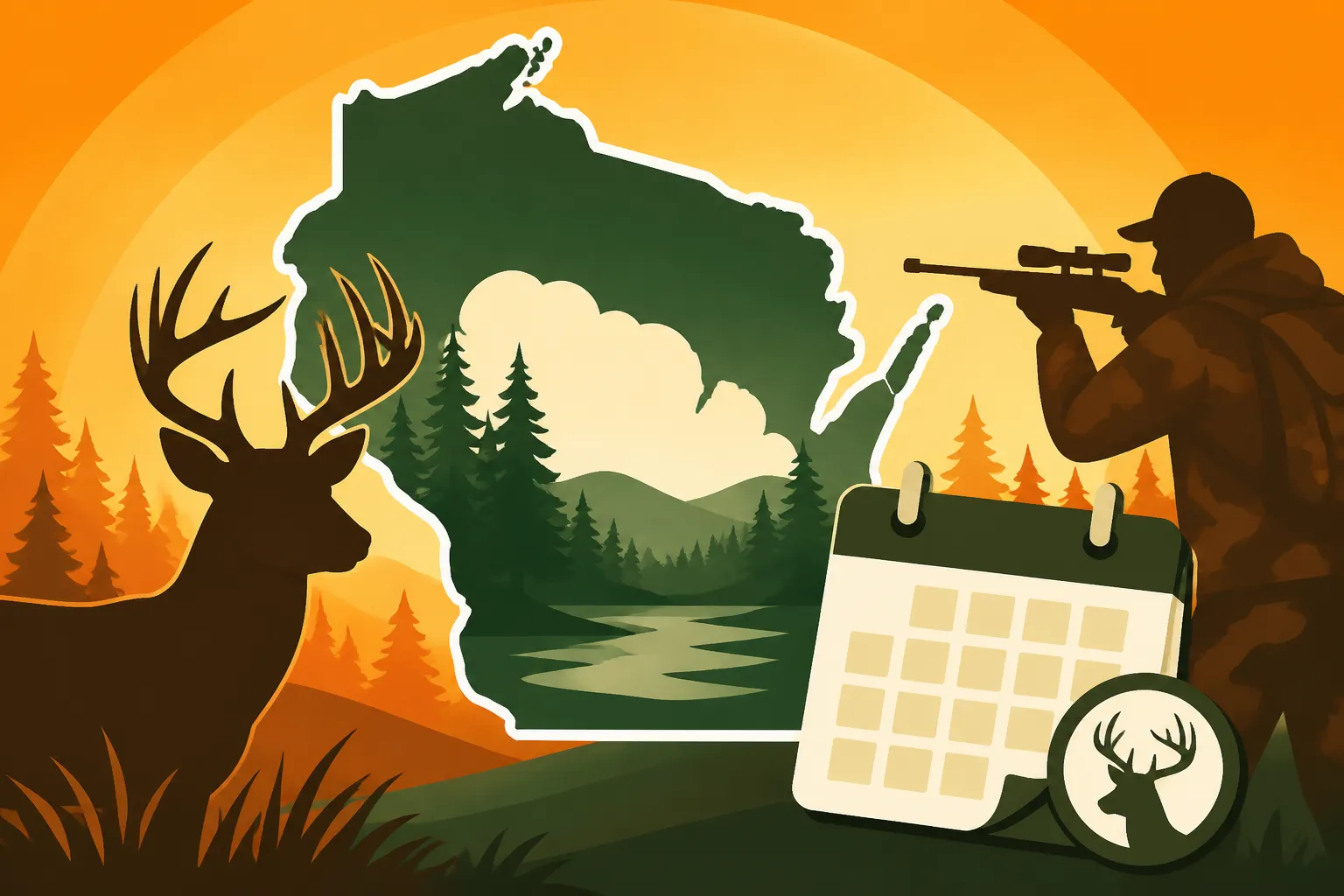
The standard license year in Wisconsin begins annually on March 1st and extends all the way through the following February 28th (or February 29th in a leap year). This cycle is intentionally designed to bridge across seasons, ensuring that a single annual license covers everything from the tail end of ice fishing to the spring turkey hunts, throughout the summer fishing, fall deer and bird seasons, and back to winter trapping and late-season opportunities. It's a system built for continuity, allowing most hunters and anglers to purchase one primary annual license that will carry them through the majority of their outdoor pursuits within that 12-month period.
This March 1st start date is strategic. It neatly precedes the opening of major spring activities like general fishing, trout seasons, and the always-anticipated spring turkey periods. By making the renewal date here, it prompts hunters and anglers to get their affairs in order before the busiest times of the spring and summer get into full swing. Imagine trying to manage a January 1st renewal when you're still chasing late-season deer or enjoying some hard-water action; it just wouldn't make as much sense with our seasonal flow. This structure is meant to simplify, even if the non-calendar year aspect initially seems a bit counterintuitive.
Practical Implications for Hunters and Anglers
Knowing these dates isn't just about memorizing trivia; it has real, tangible impacts on how you plan your outdoor adventures and manage your responsibilities as a Wisconsin hunter or angler. The March 1st renewal date means you need to be proactive, especially if you have specific hunts or fishing trips planned around that time.
For instance, if you're an avid ice angler, your fishing license purchased the previous spring will carry you through February. But if you plan to hit the open water as soon as the ice melts in early March, you absolutely need to ensure your new license for the upcoming year is secured. The same goes for our dedicated spring turkey hunters. The application period for the highly competitive spring turkey permits often falls before March 1st, but your general hunting license needs to be valid for the season you intend to hunt, meaning you'll need the new license for the year beginning March 1st, even if you applied with your old license. Missing this crucial detail could lead to being cited for hunting or fishing without a valid license, a situation no one wants to find themselves in. This period is also when many begin to think about their Wisconsin Hunting Licences and What They Cost for the upcoming year.
Another significant implication is the timing for renewing your various stamps and endorsements. Whether it's the inland trout stamp, waterfowl stamp, or the pheasant stamp, these are also tied to the same March 1st to February 28th/29th license year. It's not enough to just buy your general hunting or fishing license; you need to ensure all the necessary endorsements for your specific activities are also current. Many hunters find it easiest to simply renew everything at once around mid-to-late February or early March, treating it as an annual ritual to avoid any oversight. This helps ensure continuity whether you're planning for Wisconsin Spring Turkey Zones and Periods or gearing up for the general fishing opener. The DNR and platforms like GoWild are designed to help you streamline this, but ultimately, the responsibility falls on us as individual outdoorspeople to stay on top of our documentation.
Navigating License Purchases and Renewal with GoWild
In today's digital age, managing your Wisconsin hunting and fishing licenses has become incredibly streamlined, thanks to the state's online licensing system, GoWild. This platform is your one-stop shop for purchasing, renewing, and even looking up your past license history. It’s a huge improvement over the days of paper applications and hoping the mail arrived on time. The beauty of The Wisconsin Go Wild Licence System is its accessibility, allowing you to manage your licenses from anywhere with an internet connection.
When it comes time to renew your licenses for the new year, starting March 1st, the process through GoWild is quite intuitive. You simply log into your customer account, navigate to the "Buy Licenses" or "Renew Licenses" section, and the system will often prompt you with the licenses you held the previous year, making renewal a breeze. It’s also where you'll find options for new licenses, special permits, and applying for controlled hunts. For example, when applying for bear or elk permits, or even entering the lottery for various turkey periods, you’ll interact with this system. Many hunters also find platforms like GoHunt incredibly useful for tracking upcoming deadlines, preference point accruals, and even getting reminders about license renewals, acting as a personal assistant to ensure you never miss a beat. GoHunt provides personalized dashboards that can really simplify the otherwise complex world of season dates and license requirements.
It’s important to remember that once you’ve completed your purchase through GoWild, you don’t necessarily need a physical paper copy in hand anymore, though many prefer one. Wisconsin allows hunters and anglers to carry proof of their license electronically, often right on their smartphone. This means you can keep a digital copy of your current license on your phone, making it easily accessible if a warden requests to see it. Just make sure your phone is charged! For detailed guidance on this, you can check out the information on Carrying Licence Proof on Your Phone. Whether you're purchasing your initial Wisconsin Resident Licence Options or exploring Wisconsin Nonresident Licence Options, the GoWild system simplifies the entire process. GoHunt can even help you organize these digital proofs and ensure they’re readily available when you’re out in the field.
Important Considerations Beyond the Standard Year
While the March 1st to February 28th/29th cycle is the backbone of Wisconsin's licensing, it's crucial to understand that certain permits, applications, and processes operate on their own distinct timelines or have specific rules that don't neatly fit into this annual cycle. This is where it's vital to stay informed and pay close attention to specific regulations.
One of the most prominent examples involves specific drawing permits, such as bear and elk permits. While you need a valid general hunting license for the year you intend to hunt these species, the application period for these highly sought-after tags often occurs months in advance, and the preference points system for species like bear has its own multi-year accumulation and expiration rules. For instance, you might apply for a bear permit in December or January, long before your new general hunting license for the next year is active. But if you draw a tag, you will need that current year's valid hunting license when you go afield. Understanding Wisconsin Bear Preference Points and Zones is a whole other layer of planning that extends beyond the simple annual license renewal. GoHunt offers excellent tools for tracking your preference points and upcoming application deadlines, making it much easier to manage these long-term hunting goals.
Furthermore, regulations concerning things like Wisconsin Baiting and Feeding Bans are often county-specific and can change based on CWD detections. While not directly tied to your license year, staying updated on these rules is an annual responsibility, and they are critical for compliance, regardless of when you bought your license. Similarly, the rules around Wisconsin Hunter Safety and Mentored Hunting are foundational requirements that, once met, are valid indefinitely, but the mentored hunter still needs a current, valid license for their participation, and their mentor must also have a current license.
It’s also worth noting that while your general hunting or fishing license carries you through the year, specific harvest authorizations, particularly for deer, might have unique allocations or purchase periods. For example, bonus antlerless tags often go on sale at various times throughout the summer and fall, independent of your initial license purchase, and they are specific to certain units and public/private land designations. These authorizations still operate within the framework of the larger deer seasons, which are tied to the license year, but their availability and purchase dates require separate attention. Always keep an eye on the DNR's official season date publications for things like Wisconsin Deer Seasons and Zones and waterfowl seasons, which define when and where you can actually use your license. Failing to keep all your paperwork current, including all necessary tags and stamps, can unfortunately lead to stiff Wisconsin Wildlife Violation Penalties, so a thorough annual review of your license portfolio is always a smart move.
| License Type | Validity Period | Key Actions Needed |
|---|---|---|
| General Hunting/Fishing | March 1st – February 28th/29th (Annual) | Renew annually by March 1st |
| State Stamps (Trout, Waterfowl, etc.) | March 1st – February 28th/29th (Annual) | Renew with general license |
| Spring Turkey Permits | Specific period within March-May | Apply for draw (Nov-Dec), buy authorization (March) |
| Bear/Elk Permits | Specific season dates (Sept-Oct) | Apply for draw (Dec-Jan), need current hunting license |
| Bonus Antlerless Tags | Specific season dates (Fall) | Purchase when available (Summer-Fall) |
Disclaimer
The information provided in this guide is intended for general informational purposes only and is subject to change. While we strive to offer accurate and up-to-date details, hunting and fishing regulations are complex and frequently updated by the Wisconsin Department of Natural Resources (DNR). It is always the hunter's and angler's responsibility to consult the most current official Wisconsin DNR regulations, pamphlets, and website before participating in any hunting or fishing activity. Compliance with all state and federal laws is essential.