Wisconsin Muzzleloader and Holiday Hunts
The late season in Wisconsin can feel like a completely different hunting experience, a true test of grit and planning. Many hunters get a bit confused by the various tags, weapon restrictions, and season dates that pop up after the main gun deer season wraps. It's easy to get lost in the details, wondering if your efforts are even worth it with the cold setting in. This comprehensive guide is here to untangle the nuances of Wisconsin's Muzzleloader and Holiday Antlerless Hunts, giving you the insights and strategies to extend your season successfully.
Understanding Wisconsin's Muzzleloader Season
There's something incredibly appealing about hunting with a muzzleloader—it's a nod to tradition, a challenge, and a unique way to extend your time in the deer woods. But it also comes with its own set of rules and considerations that you absolutely need to understand before you head out.
When the Smoke Poles Come Out: Dates and Duration
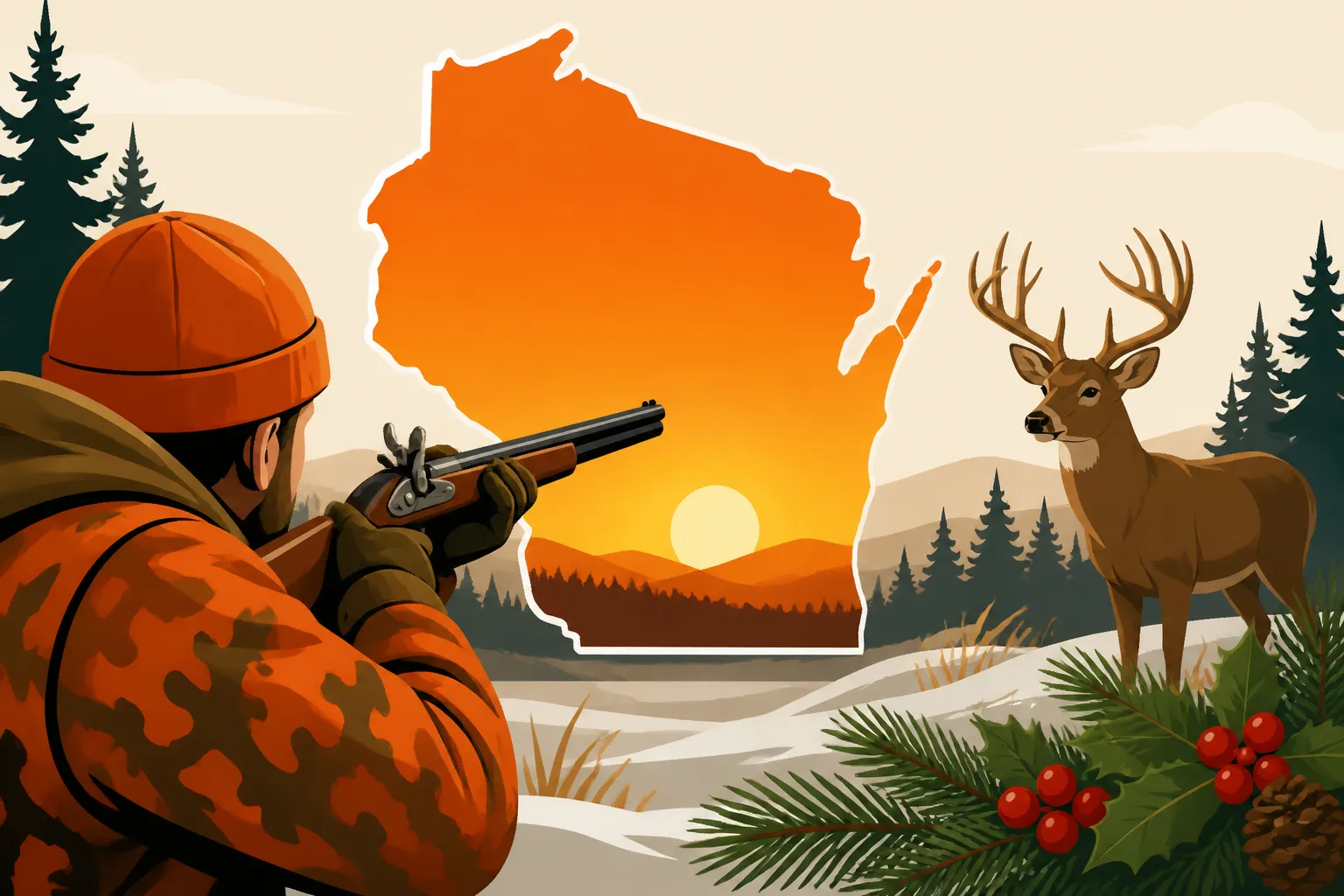
The Wisconsin Muzzleloader Season typically kicks off right after the nine-day gun season, usually falling in late November and running into early December. It's a relatively short window, often lasting about ten days, giving hunters a dedicated period to pursue deer with these classic firearms. This season is a fantastic opportunity for those who might not have filled their tags during the earlier gun seasons, or for those who simply cherish the distinct challenge and camaraderie of muzzleloader hunting. It’s also a time when many of the leaves have fallen, offering different visibility and movement patterns for deer, often pushing them closer to cover and concentrated food sources as winter approaches. Understanding the specific dates is critical, and a quick check on the Go Wild platform or the Wisconsin DNR website for "When Wisconsin's Muzzleloader Hunt Runs" will always provide the most current information.
Legal Firearms and Ammunition for Muzzleloaders
This isn't just about grabbing any old muzzleloader. Wisconsin has specific rules about what constitutes a legal muzzleloader for deer hunting. We're talking about muzzle-loading rifles, shotguns, and handguns that are loaded from the muzzle and use black powder or a black powder substitute. You can't just throw any bullet down the barrel either; projectile types are often restricted. For instance, typically, you'll be using a single projectile, like a saboted bullet or a patched round ball. Scopes are generally allowed, which helps with precision in those low-light, late-season conditions. The goal is to ensure fair chase and safety, so familiarize yourself with the nuances. You also need to be mindful of ignition types. Most modern in-line muzzleloaders are perfectly fine, but check for any specific cap or primer restrictions if you’re using an older model.
Licensing and Tagging Requirements
To participate in the muzzleloader season, you'll need a valid Wisconsin hunting license. Your standard deer hunting license, which includes a "gun buck" tag (if hunting bucks), will cover you. However, the most common scenario for muzzleloader hunters is using an antlerless tag. If you're hoping to fill a specific antlerless tag, you'll need to make sure you have the appropriate "Bonus Antlerless Tag" for the correct deer management unit. These bonus tags are usually purchased separately and are crucial for the late season. It's worth noting that if you drew a specific tag for a different zone or period, double-check its validity for the muzzleloader season. Always carry your license and tags, and be ready to register your harvest as soon as possible, often through the "Wisconsin Deer Registration Rules" system online or by phone.
Navigating the Wisconsin Holiday Antlerless Hunt
Just when you think the deer season is truly over, Wisconsin often offers another chance to fill the freezer and manage deer populations with the Holiday Antlerless Hunt. This hunt is a unique opportunity that typically takes place in late December, bridging the gap between Christmas and New Year's Day.
Key Dates and Participating Counties
The Holiday Antlerless Hunt is a short, sharp season designed to specifically target antlerless deer. It usually runs for a few days, typically between Christmas Eve and New Year's Day. Not all counties participate, and the specific counties that do are announced by the Wisconsin DNR closer to the season. This hunt is primarily focused in the Farmland Zone, where deer populations can be higher and agricultural damage is a greater concern. Before making any plans, it is absolutely essential to check the official DNR regulations for the precise "Wisconsin Holiday Antlerless Hunt Dates" and the list of eligible counties. Don't assume your favorite hunting spot will be open; a quick look on the Go Wild site or the DNR's specific hunting regulations page will save you a wasted trip.
Permitted Weapons and Hunter Orange Rules
During the Holiday Antlerless Hunt, the rules regarding legal weapons can be a bit more flexible than during the muzzleloader season, but they are still precise. Generally, all legal firearms for deer hunting are permitted, which includes rifles, shotguns, and handguns. Archery equipment (vertical bows and crossbows) is also allowed, offering versatility for hunters who prefer a quieter approach in potentially more populated areas. However, one rule remains steadfast: hunter orange or fluorescent pink requirements are in full effect. Just like the regular gun season, you'll need to wear a minimum amount of blaze orange or fluorescent pink, visible from all directions. This is for everyone's safety, especially as many people might be out enjoying other winter activities in public land areas.
Tagging and Registration for the Holiday Hunt
Similar to other deer seasons, successful hunters during the Holiday Antlerless Hunt must tag their deer immediately after the kill and before moving it. This is typically done by attaching your "Bonus Antlerless Tag" to the deer's ear or leg. The next crucial step is registration. Wisconsin has an online and phone-in registration system, making it convenient no matter where you are. You need to register your deer by 5:00 PM the day after it was harvested. This data is vital for wildlife managers to assess deer populations and adjust future quotas. Make sure you understand how to "Filling a Wisconsin Antlerless Tag" properly and precisely to avoid any issues. Keep your license number handy, as you'll need it for the registration process.
Strategic Considerations for Late Season Deer
Hunting in late November and December in Wisconsin presents a unique set of challenges and opportunities. The deer have been pressured for months, and the changing landscape forces them into different patterns. Success in these later hunts hinges on understanding these shifts.
Finding Late-Season Food Sources
As the season progresses and temperatures drop, food becomes the number one driver for deer movement. Gone are the lush green fields and abundant acorns of early fall. Now, deer are actively seeking calorie-rich, easily accessible forage to build and maintain fat reserves for the harsh winter ahead. Your scouting should heavily focus on identifying these crucial "Late-Season Food Sources for Whitetails". Think about standing cornfields that haven't been harvested yet, or fields of brassicas like turnips and radishes, often planted specifically for late-season hunting. Browse, like young aspen shoots or dogwood, can also be critical in heavily forested areas, especially after a fresh snow reveals what deer are actually munching on. Don't overlook food plots; even if they're picked over, deer will often still check them, especially during low-pressure periods.
Understanding Winter Bedding Areas
Along with food, secure bedding areas are paramount for late-season deer. With leaves off the trees, thick cover becomes incredibly important for thermal regulation and protection from predators (including hunters). Deer will seek out dense conifer stands, like cedar swamps or pine plantations, that offer a canopy to break the wind and snow. South-facing slopes that catch more sun are also favored, allowing deer to warm up throughout the day. In the agricultural areas, thickets, brushy creek bottoms, and even unharvested pockets of standing corn can serve as prime bedding. Hunting the edges of these bedding areas, particularly in the mornings as deer move from food to cover, or in the late afternoons as they reverse course, can be highly productive. A little-known trick is to use mapping tools like GoHunt to identify these thick, dark timber patches on aerial photos, often revealing overlooked bedding spots.
Tactics for Pressure and Cold Weather
By late season, deer have encountered plenty of human activity. They're wary, and their patterns are tight. This means you need to adjust your tactics. Long, quiet still-hunts, focusing on moving slowly into the wind through known travel corridors between bedding and feeding, can be effective. Consider elevated stands on the downwind side of known trails, especially if you can get in and out undetected. "Hunting Deer in Deep Northern Wisconsin Snow" brings its own set of challenges, often requiring tracking skills and patience. Cold weather also demands more from you as a hunter; every movement creates scent, every rustle of clothing can give you away. Minimize unnecessary movement, use good scent control, and plan your entry and exit routes meticulously to avoid educating deer. This is also a great time for small, organized deer drives, especially on larger public parcels where deer can hide out.
Gear and Preparation for Cold Weather Success
The late seasons in Wisconsin are no joke when it comes to weather. You’ll often be facing freezing temperatures, snow, and biting winds. Being properly equipped isn't just about comfort; it's about safety and your ability to stay in the stand long enough for an opportunity to arise.
Layering for Extreme Cold
Successful late-season hunting starts with proper clothing. Forget cotton; it holds moisture and will leave you shivering. The key is layering, beginning with a good moisture-wicking base layer against your skin. Next, add insulating layers like fleece or wool, building up to a heavy outer layer that breaks the wind and repels moisture. Wool is a traditional favorite for its warmth even when wet and its quiet movement, essential when "Cold Weather Sitting Strategy" demands silence. Don't forget your extremities: a warm hat (you lose a significant amount of heat from your head), insulated gloves or mittens (with finger access for shooting), and heavy-duty, waterproof boots are non-negotiable. Chemical hand warmers and foot warmers can be a game changer, allowing you to endure longer sits comfortably.
Keeping Muzzleloaders Dry and Functional
Muzzleloaders are notoriously sensitive to moisture. Black powder and its substitutes can clump, and primers can fail if exposed to wet conditions. "Keeping a Muzzleloader Dry in Wet Snow" is paramount. Invest in a good waterproof case or muzzle cover for transport and while in the stand. Many hunters use electrical tape to seal off the muzzle and the breech area around the primer, providing an extra layer of protection. When you’re ready to shoot, simply remove the tape. Carry extra primers in a waterproof container and keep your powder dry at all costs. A small plastic baggie over the breach can also offer protection from falling snow or drizzle. A fouled barrel can also lead to misfires, so consider a quick cleaning rod to swab the barrel with a dry patch every few shots if you're practicing, and always ensure a clean, dry bore before heading out to hunt.
Optics and Other Essential Equipment
Good optics are always important, but in the low light of late fall and early winter, they become even more critical. Binoculars with good light-gathering capabilities (e.g., 8×42 or 10×42) will help you pick out deer details in shadowed timber or at dawn and dusk. A reliable rangefinder is also key, especially when judging distances in open fields or across wide coulees where snow can play tricks on your perception. Beyond your weapon and optics, consider a comfortable, insulated seat cushion for your stand, as a cold butt can quickly end a hunt. A quality headlamp with a red light option (to preserve night vision) is a must for walking in and out in the dark. Don't forget a sharp knife, game bags (even in cold weather, they help keep meat clean), and a means to "Getting a Deer Out of a Wisconsin Swamp" or up a steep ridge, like a deer cart or sled if snow conditions allow. Tools like those found on GoHunt can help you scout routes that avoid deep swamps or overly steep terrain.
Public vs. Private Land Opportunities
Wisconsin offers a vast amount of hunting land, both public and private, and each presents different scenarios for the late-season hunter. Understanding where to focus your efforts can make a big difference in your success.
Targeting Public Land in December
Wisconsin boasts an impressive amount of "Public Hunting Land in Wisconsin," including state forests, county forests, and national forests like the Chequamegon-Nicolet. For the muzzleloader and holiday hunts, these areas can offer excellent opportunities, but they often require more effort. Deer on public land are typically more pressured and will gravitate towards the thickest, most difficult-to-access cover. This means you might need to walk further, deeper, and into areas that other hunters avoid. Look for isolated pockets of cover, steep terrain in the "Driftless Area Deer Hunting in Wisconsin," or dense swamps in the Northern Forest. Using mapping apps to scout for these remote sanctuaries from home can give you a significant advantage. Focus on transition areas where deer move from these bedding areas to food sources. Remember, public land rules often have specific regulations regarding stand placement and removal, so always check local guidelines.
Seeking Private Land Access for Late Season
If you're finding public land too pressured, or if you simply prefer a more controlled environment, seeking private land access can be highly rewarding for the late season. Landowners, especially farmers, might be more amenable to granting permission for antlerless hunts during the Holiday season, particularly if they are experiencing crop damage or simply want to reduce the deer population on their property. Being polite, respectful, and offering to help with other tasks can go a long way when "Asking a Wisconsin Farmer for Permission." Clearly communicate your intentions—that you are targeting antlerless deer during a specific late-season hunt. Private land often provides access to prime food sources like unharvested crops, which can concentrate deer significantly, offering less scattered patterns than vast public timberlands.
Specific Regional Challenges and Opportunities
Wisconsin's diverse landscape means late-season hunting varies greatly by region. In the northern forests, deep snow can severely limit deer movement and access, but it can also make tracking easier and push deer into accessible wintering yards. "Hunting Deer in Deep Northern Wisconsin Snow" requires different tactics than hunting the more open, agricultural landscapes of the southern counties. In the Driftless Area, the steep coulees and ridge tops provide excellent thermal cover and natural funnels, but recovering a deer from a deep coulee bottom can be a challenge. The Farmland Zone, while offering abundant food, also presents unique challenges with dense populations and fragmented cover. Each region demands a tailored approach, so understanding your specific hunting area’s terrain, cover types, and typical deer behavior is crucial for late-season success. Tools like the Wisconsin Hunt Wild App can provide invaluable data specific to your chosen region.
| Feature | Wisconsin Muzzleloader Season | Wisconsin Holiday Antlerless Hunt |
|---|---|---|
| Dates | Late Nov – Early Dec (approx. 10 days) | Late Dec (approx. 7 days, incl. Christmas/NYE) |
| Primary Target | Deer (antlered/antlerless per tag) | Antlerless Deer only |
| Weapon Types | Muzzle-loading rifles, shotguns, handguns | All legal firearms, bows, crossbows |
| Blaze Orange/Pink | Required | Required |
| Licensing | Valid deer license + specific tags (e.g., Bonus Antlerless) | Valid deer license + Bonus Antlerless Tags |
| Participating Areas | Statewide where deer season is open | Specific counties (check DNR for list) |
| Focus | Traditional hunt, extending season | Population management, fill freezer |
Disclaimer
Please note that hunting regulations, season dates, and specific rules are subject to change. Always consult the official Wisconsin Department of Natural Resources (DNR) regulations and publications for the most current and accurate information before planning your hunt. Your safety and adherence to the law are paramount.