Trempealeau Refuge Hunting Access
Navigating public hunting lands can sometimes feel like trying to read a treasure map written in a foreign language, especially when it comes to national wildlife refuges. These special areas, like the Trempealeau National Wildlife Refuge, often have their own unique set of rules, access points, and permitted activities that can be confusing for even seasoned Wisconsin hunters. This guide is here to untangle that complexity, offering a clear path to understanding and successfully accessing the Trempealeau Refuge for your next hunting adventure.
The Unique World of Trempealeau National Wildlife Refuge
The Trempealeau National Wildlife Refuge isn't just another patch of public land; it's a vital ecosystem with a specific conservation mission, nestled right along the mighty Mississippi River. Understanding its purpose and unique characteristics is the first step to a successful and respectful hunt.
A Haven for Wildlife on the Mississippi River
Imagine a landscape where the river's slow dance creates a mosaic of backwaters, sloughs, dense wetlands, and bottomland forests – that's the heart of the Trempealeau National Wildlife Refuge. Established in 1936, its primary goal is to provide critical habitat for migratory birds, especially waterfowl, as they navigate the Wisconsin Waterfowl Migration Timing along the Mississippi Flyway. This means that while it's a fantastic place for hunters, it's first and foremost a sanctuary for the incredible diversity of wildlife that calls this river valley home, or uses it as a vital stopover. The refuge spans thousands of acres, a significant portion of which is wetland and floodplain, making it a truly special place for those who appreciate both its ecological value and its hunting opportunities.
Why Refuge Hunting Differs from State Land
Hunting on a National Wildlife Refuge like Trempealeau often comes with a distinct set of rules that you might not encounter on typical state forests or wildlife areas. While state lands are generally managed under a broader set of statewide regulations, refuges have their own specific management plans tailored to their unique conservation objectives. This often means stricter regulations regarding permitted species, hunting methods, designated access points, hunting hours, and even the type of equipment you can use. For instance, some areas within a refuge might be completely closed to hunting, while others might have very specific season dates that differ from the statewide calendar. It's not about making things harder; it's about balancing recreational use with the refuge's primary mission of protecting wildlife. Always remember that the refuge staff are there to enforce these rules, and knowing them beforehand will save you a lot of headache and potential fines.
Habitat and Key Features of the Refuge
The Trempealeau Refuge is characterized by a rich variety of habitats that attract diverse wildlife. You'll find extensive wetlands, including marshes and shallow water impoundments, which are magnets for ducks and geese. Interspersed are tracts of bottomland hardwood forests, providing cover and food for deer and other small game. Prairie remnants also dot the landscape, offering different ecological niches. The refuge is fundamentally shaped by the Mississippi River, with its fluctuating water levels and network of sloughs and channels creating a dynamic environment. These features are crucial to remember when planning your hunt. If you're targeting waterfowl, understanding the water levels and preferred feeding areas is key. For deer, focusing on the edges of the timber and areas bordering wetlands can be productive. The diversity means you're not just hunting; you're experiencing a vibrant, functioning ecosystem.
Permitted Hunting Opportunities at Trempealeau
While the refuge is a haven for all sorts of wildlife, hunting access is carefully managed. It's vital to know exactly what species you can pursue and under what conditions to ensure you're hunting legally and ethically.
Waterfowl Hunting: A Primary Focus
Without a doubt, waterfowl hunting is one of the premier attractions at the Trempealeau National Wildlife Refuge. Sitting squarely in the Wisconsin Waterfowl Seasons and Zones of the Mississippi Flyway, the refuge draws an incredible number of ducks and geese during migration. Hunters regularly target mallards, wood ducks, teal, divers, and various goose species. The extensive marshlands, impoundments, and river backwaters provide ideal habitat for these birds. However, this popularity also means regulations are often precise. Expect specific shooting hours, designated hunting zones, and potentially daily bag limits that might vary slightly from statewide norms. Many hunters will utilize decoys, calls, and layout blinds, but always double-check the refuge's specific rules on these items. Success often hinges on scouting before the season, understanding bird movements, and adapting to changing weather and water conditions. Hunters often find excellent opportunities for Hunting Mississippi River Backwaters as well, making the refuge a prime destination for waterfowlers.
Deer Hunting: Archery and Muzzleloader Considerations
Deer hunting is also permitted at Trempealeau, though typically with more restrictive seasons and methods than statewide regulations. Generally, archery and muzzleloader seasons are offered, aligning with the refuge's objective of minimizing disturbance during peak wildlife activity. Rifle hunting is usually not permitted. This means hunters must be prepared for close-range encounters and stealthy tactics. The bottomland forests and edges of the wetlands provide good cover for whitetails, but deer density can vary. Bowhunting Wisconsin's Long Archery Season and Muzzleloader Deer Hunting in Wisconsin are popular methods, and applying those skills on the refuge means paying extra attention to scent control, quiet movement, and patience. Always verify the specific dates and antlerless opportunities, as refuge permits often dictate these details. Hunters often find success by focusing on areas where timber transitions into marsh or along natural funnels created by the varied terrain.
Small Game and Furbearer Prospects
Beyond deer and waterfowl, the Trempealeau Refuge may offer limited opportunities for certain small game and furbearers. Species like squirrels and rabbits might be present in the bottomland timber, and depending on refuge-specific regulations, they could be open for harvest during designated seasons. However, these opportunities are often secondary to waterfowl and deer, and hunters should consult the refuge's annual hunting brochure for definitive information. Predator and furbearer hunting, such as for coyotes or raccoons, is sometimes permitted, often with specific restrictions on methods or times. For anyone interested in Wisconsin Small Game and Furbearer Seasons, it's crucial to confirm that these species are indeed open for hunting on the refuge and to adhere to all bag limits and methods of take. Always prioritize safety and be aware of other hunters, especially during busy waterfowl or deer seasons.
Navigating Regulations, Permits, and Access
This is where many hunters hit a roadblock with refuges. Forget what you know about simply buying a state license and heading out; Trempealeau often requires additional steps. Getting this right is crucial to avoid a frustrating day or, worse, a violation.
Understanding Special Refuge Regulations
The Trempealeau National Wildlife Refuge operates under federal regulations, which are then supplemented by specific refuge rules. This means you need to be familiar with not only Wisconsin's general hunting laws but also the additional layers of rules enforced by the refuge. These can include:
- Designated Hunting Zones: Not all areas of the refuge are open to hunting. Some might be closed for sanctuary purposes, while others are designated for specific types of hunting.
- Permitted Weapons: Restrictions on certain firearms (e.g., no rifles) are common, even for deer. Always check for specific shot requirements (e.g., non-toxic shot for waterfowl and sometimes even for upland birds).
- Vehicle Access: Roads may be closed or restricted, requiring foot access for considerable distances. ATVs are almost universally prohibited outside of designated parking areas.
- Blind and Decoy Rules: There might be rules about when you can put out or leave decoys, or what kind of blinds are permitted.
- Hunter Orange/Pink: While Wisconsin has its own How Much Blaze Orange Wisconsin Requires, refuges might have additional requirements or exemptions in certain areas.
It's absolutely essential to obtain and meticulously read the current hunting brochure issued by the Trempealeau National Wildlife Refuge directly. This document is your bible for hunting on that specific piece of land.
Securing Your Hunting Permit and Check-in Procedures
Unlike many state public lands where your Wisconsin Hunting Licences and What They Cost is all you need, hunting on Trempealeau often requires an additional refuge-specific permit. This permit is usually free but serves as a way for the refuge to track hunter numbers, harvest data, and ensure everyone understands the unique rules.
- Application Process: Permits are typically acquired through an online system or by mail, sometimes with specific application periods. Don't assume you can just show up and get one.
- Check-in/Check-out: Many refuges require hunters to check in before hunting and check out afterward, reporting any harvest. This provides valuable data for wildlife management and helps ensure hunter safety. This could be a physical check station or an online/phone reporting system.
- Drawing vs. Over-the-Counter: For popular hunts, like specific waterfowl opportunities, there might be a drawing or limited entry system. For general seasons, permits might be available over-the-counter or through a simple registration process.
Always confirm the specific permit requirements well in advance of your planned hunt. There’s nothing worse than arriving ready to hunt only to find you missed a crucial deadline or step.
Finding Your Way: Maps and Access Points
Once you have your permits sorted, knowing where you can actually go is the next challenge. Trempealeau, with its complex waterways and varied terrain, can be disorienting without proper mapping.
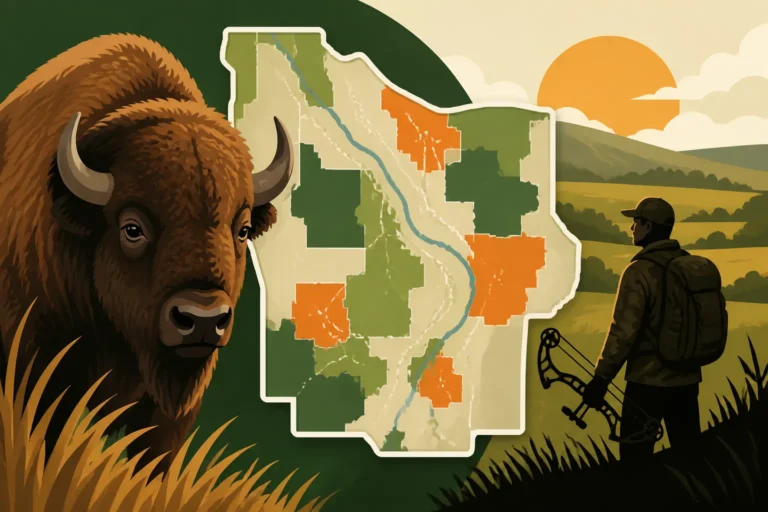
Understanding the refuge boundaries and designated hunting zones is paramount. Official refuge maps, often available with your permit or from their website, are your best starting point. These maps will typically highlight open areas, closed areas, parking lots, and walking trails. However, these can sometimes be a bit basic.
This is where modern hunting apps like onX Hunt become absolutely invaluable. Platforms like onX Hunt offer detailed satellite imagery overlaid with public land boundaries, including National Wildlife Refuges, and often highlight specific refuge hunting zones, access roads, and even topographic features. You can use it to pinpoint parking areas, scout potential game travel routes, and ensure you stay within legal hunting zones, especially when navigating complex areas like the Upper Mississippi Refuge Hunting. It's a game-changer for understanding the lay of the land and confidently planning your approach, even showing where vehicle access is permitted or restricted.
Planning Your Successful Trempealeau Hunt
Hunting on a refuge is an experience unto itself. Proper planning, the right gear, and a solid strategy will make all the difference between a frustrating day and a memorable hunt.
Essential Gear for Marsh and River Hunting
Given the wetland-heavy nature of Trempealeau, your gear choices are critical. For waterfowl, quality waders are non-negotiable. Whether you opt for chest waders or even a full dry suit depends on the depth of water you anticipate and the time of year. Waders for Wisconsin Marsh Hunting should be durable and warm for cold Wisconsin mornings. A dependable shotgun suitable for Waterfowl Loads for Wisconsin Divers is essential, and remember that non-toxic shot is usually mandatory for all waterfowl hunting and often for other species on federal lands. Decoys, calls, and a reliable dog (if permitted and trained) will enhance your waterfowl success. For deer hunters, quiet, layered clothing is key. The weather can be unpredictable, especially near the river, so waterproof outer layers and insulation are a must. A good pair of waterproof boots, a sharp knife for field dressing, and a sturdy pack are universal requirements. Consider a portable blind or camouflage netting if hunting deer or small game, as natural cover might be sparse in certain areas.
Scouting and Strategy for Refuge Game
Pre-season scouting is always important, but it takes on a heightened significance at Trempealeau. Because access might be limited to foot traffic or specific boat launches, knowing exactly where you want to go and how to get there efficiently can save you hours of wasted effort.
- Waterfowl: Look for areas with current food sources (like smartweed or millet), sheltered pockets of water, and natural flight corridors. Observe bird movements from afar if possible. Water levels can change dramatically, so pay attention to forecasts and recent rainfall. Consider setting up Layout Blinds and Marsh Boats for effective concealment.
- Deer: Focus on edges where different habitats meet – where the bottomland timber transitions to marsh, or along ridges that offer higher ground. Look for sign like rubs, scrapes, and trails, especially near dense cover. Pay attention to wind direction and thermals, which can be tricky near waterways.
- Utilize Technology: Apps like
onX Huntare perfect for virtual scouting, identifying pinch points, and mapping out your entry and exit routes. You can drop pins for potential stand locations or decoy spreads before you even set foot on the ground. This also helps with knowing specific features and finding Wisconsin Public Access Lands Maps.
Remember that hunting pressure can shift game patterns. If a particular area is getting hit hard, consider moving to less accessible spots.
Respecting the Refuge and Other Users
Hunting on a National Wildlife Refuge is a privilege, and it comes with the responsibility to be a good steward of the land and respectful of others. This means following all rules, both state and refuge-specific, to the letter. Pack out everything you pack in, including spent shell casings and trash. Be mindful of other hunters, birdwatchers, photographers, and other recreational users. Share information about your hunt only after the season to protect honey holes.
Familiarize yourself with Wisconsin's Wisconsin Federal Duck Stamp Rules and Wisconsin HIP Certification for Bird Hunters if pursuing waterfowl. These are federal requirements that apply directly to refuge hunting. If you harvest an animal, handle it quickly and ethically, ensuring you adhere to any refuge-specific tagging or check-out procedures. Your responsible behavior helps ensure that hunting opportunities remain available at Trempealeau National Wildlife Refuge for future generations.
| Permitted Hunting Activity | Common Species | Typical Season Timing (Check Refuge-Specific Rules!) | Key Considerations |
|---|---|---|---|
| Waterfowl | Ducks, Geese | Fall (October-December) | Non-toxic shot, waders, decoys, specific zones |
| Archery Deer | Whitetail Deer | Fall (Mid-September – January) | Muzzleloader-only often, no rifles, foot access only |
| Small Game | Squirrel, Rabbit | Fall | Limited opportunity, confirm species/methods |
Disclaimer
This article is for general informational purposes only and does not constitute professional advice. Laws, prices and regulations vary by location and change over time. Consult a qualified professional for guidance on your specific situation.