Governor Knowles and the St. Croix
Many of us yearn for that perfect hunting spot—a place with abundant game, diverse habitat, and perhaps most importantly, enough elbow room to feel like you're truly out in the wild. But let's be honest, finding such a gem on public land in Wisconsin can feel like searching for a needle in a haystack, especially in popular, scenic areas. The St. Croix River Valley, with its stunning beauty and rich wildlife, is one such place that beckons, yet leaves many wondering how to navigate its complex landscape for a successful hunt. This guide is here to unravel the mysteries of hunting in the Governor Knowles State Forest and the broader St. Croix River Valley, offering practical insights to help you unlock its potential.
Discovering Governor Knowles State Forest
The Governor Knowles State Forest, stretching along the beautiful St. Croix River for roughly 50 miles in Burnett and Polk Counties, is a unique ribbon of public land. It’s not your typical block of northern forest; rather, it’s a linear landscape, hugging the river and offering a diverse mix of habitats. This long, narrow shape presents both challenges and opportunities for the Wisconsin hunter. Many folks drive right past it, thinking it’s just a park or a place for canoeing, but beneath that surface lies some truly fantastic hunting.
The Landscape and Its Wildlife Offerings
Imagine walking through towering pines that transition into dense stands of oak and maple, then suddenly opening up into a marshy wetland teeming with life, all within a short distance. That's the Governor Knowles experience. The forest itself is characterized by a mix of mature hardwoods, pine plantations, and scattered aspen stands, particularly beneficial for upland birds. Along the river, you'll find extensive floodplain forests, sloughs, and backwater areas that hold a different kind of wildness. This mosaic of habitat is precisely what makes it such a rich area for a variety of game.
For deer hunters, these areas provide excellent cover and food sources. The hardwood ridges offer acorns in good years, drawing deer in, while the thick pine plantations provide thermal cover during colder months. The river bottoms act as natural travel corridors, funnels, and bedding areas. You might find yourself still-hunting through a pine stand in the morning, only to set up on the edge of a mature oak forest in the afternoon. White-Tailed Deer Across Wisconsin are certainly at home here.
Upland birds thrive in the varied cover. You'll find good numbers of ruffed grouse in the younger aspen stands and woodcock in the wetter, alder-choked bottoms near the river. Squirrels are abundant in the oak and hickory groves, offering a fun, active hunt. And yes, wild turkeys are present, particularly in the areas with a good mix of timber and agricultural edges outside the immediate forest boundaries. The sheer diversity means you might transition from deer hunting to flushing grouse within the same half-mile walk.
Access Points and Navigating the Forest
Because Governor Knowles is a linear forest, access isn’t always straightforward. You'll find numerous small parking lots and access points along County Roads G, H, and others that parallel the St. Croix River. These typically lead to foot trails, old logging roads, or sometimes directly into the timber. The key is often to get off the beaten path a bit. Many hunters will simply pull into the first parking lot they see, walk a quarter-mile, and feel they've explored the area. But the real opportunities often lie deeper.
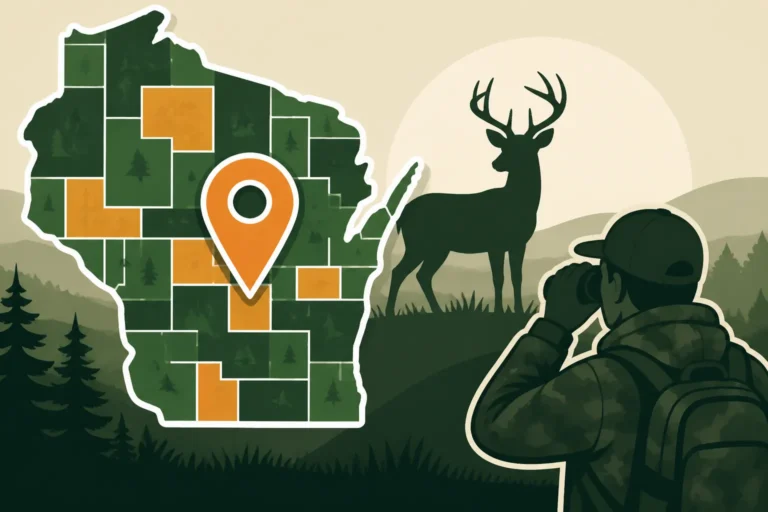
One of the greatest frustrations can be figuring out exactly where state forest land ends and private property begins, especially when the forest is so fragmented in places. This is where modern mapping applications become an absolute game-changer. Tools like onX Hunt are invaluable here. You can literally see property boundaries, identify public land pockets, and locate access points that might not be obvious from a road map. I’ve personally used it to pinpoint obscure walk-in access points that led to some incredibly quiet and productive hunting spots, far from the road warriors. Similarly, GoHunt offers robust mapping features that can help you scout from your couch, identifying potential bedding areas, travel corridors, and bottlenecks before you even step foot in the woods. These apps aren't just for checking where you can legally step; they're for strategic planning, helping you visualize the terrain and potential animal movement.
Another unique access option is by canoe or kayak on the St. Croix River itself. This can unlock vast stretches of river frontage that are inaccessible by vehicle and rarely touched by other hunters. Imagine floating downriver, quietly scouting the banks for deer sign or potential waterfowl hideouts. Just remember to be mindful of private land along the riverbanks and only access public portions. Scouting Wisconsin Public Land Before Season becomes even more crucial when using river access.
Specific Hunting Regulations and Considerations
Like all public lands in Wisconsin, Governor Knowles State Forest has specific regulations that hunters need to adhere to. It's always wise to double-check the current Wisconsin hunting regulations pamphlet for any updates, but generally, here's what you'll encounter:
- Blaze Orange/Pink: During specific gun seasons, blaze orange or fluorescent pink requirements are in effect. Make sure you know when these apply and wear the correct amount.
- Treestand Rules: You can put up portable treestands, but they need to be removed daily from most state forests. Check the specific rules for any long-term placement. Treestand Setups in Wisconsin Hardwoods are a common sight, but respecting the rules is key.
- Baiting and Feeding: Burnett and Polk Counties, like many in Wisconsin, can be subject to baiting and feeding bans due to Chronic Wasting Disease (CWD) concerns. These bans can change, so always verify the current status before planning your hunt around bait. If a ban is in place, you’ll need to adapt your strategies and focus on natural food sources and travel routes. Hunting Deer Without Bait in Wisconsin is a skill worth honing.
The linear nature of Governor Knowles means you're often hunting quite close to roads or private property. Situational awareness is paramount. Know your shooting lanes, be absolutely sure of your target and what lies beyond it, and always treat every piece of land with respect.
The St. Croix River Valley's Wider Hunting Canvas
While the Governor Knowles State Forest forms a significant part of the hunting narrative in this region, the St. Croix River Valley as a whole offers a much broader and more complex hunting experience. This is a region defined by water, rolling hills, and a mix of timber and agricultural lands, making it a true cross-section of southern and northern Wisconsin hunting.
River Corridor as a Wildlife Highway
The St. Croix River isn't just a scenic waterway; it's a vital artery for wildlife. The river itself and its immediate floodplain act as a natural highway for deer, bear, furbearers like otter and beaver, and, of course, countless waterfowl. Deer will often travel parallel to the river, using the dense cover of the river bottoms for concealment and accessing agricultural fields that might be just a short distance away. Think about how deer often follow natural contours—a river is one of the biggest contours there is.
This means that scouting along the river's edge, looking for rub lines, scrape lines, and well-worn trails, can be incredibly productive. Bucks, especially during the rut, will use these corridors to scent check does that might be bedding in the dense thickets near the water or crossing the river itself. Knowing When the Wisconsin Rut Peaks can help you time your hunts effectively along these riverine highways.
Beyond deer, the river also dictates the movement of smaller game and furbearers. The backwaters and sloughs are perfect for muskrats and mink, while raccoons will patrol the banks looking for food. Even coyotes use the river corridors for travel, making it a prime location for calling tactics, particularly during the winter months.
Integrating State and Federal Lands
The St. Croix River Valley isn't just about Governor Knowles. It's a patchwork of different public and private land ownerships, including segments of the St. Croix National Scenic Riverway managed by the National Park Service, smaller state-managed wildlife areas, and even some county forests or utility lands that might offer public access. This fragmented nature can be a headache for hunters, but it also creates opportunities if you do your homework.
Using mapping apps like GoHunt or onX Hunt to visualize these different land designations is non-negotiable here. You might find a small, overlooked parcel of Bureau of Land Management (BLM) property tucked between private fields and the river, offering a quiet sanctuary where animals feel safe. These smaller parcels often receive less pressure because they're not obvious blocks of "state forest" or "wildlife area." This is where the ability to interpret property lines and land ownership layers on a map truly pays off. Wisconsin Public Access Lands Maps are a great starting point, but the detailed layers of a good app make all the difference.
Understanding the specific rules for each type of land is crucial. National Scenic Riverway lands, for instance, might have different regulations than state forests, especially concerning camping, vehicle access, or even specific hunting methods. Always verify before you head out, and remember that hunting is often permitted in these areas, but with certain stipulations.
Beyond Deer: Waterfowl and Small Game Hotspots
While deer hunting is popular, the St. Croix River Valley truly shines for waterfowl and small game. The river itself, with its numerous backwaters, oxbows, and sloughs, is a magnet for ducks and geese during migration.
For waterfowl hunters, the St. Croix offers diverse opportunities. You can jump-shoot ducks from a canoe or kayak along quieter stretches, set up a spread of decoys in a secluded backwater, or even hunt geese in cut cornfields adjacent to the river if you can secure permission. Key species include mallards, wood ducks, and various diving ducks, especially as the season progresses. Scouting is paramount to identify active feeding and loafing areas. Understanding Wisconsin Waterfowl Seasons and Zones is crucial, as the St. Croix River often falls within specific zone regulations.
Small game hunting, particularly for squirrels and rabbits, is also excellent in the mixed hardwood and brushy areas along the river. Squirrels love the mature oaks and hickories, while rabbits will utilize the dense brush piles and thickets that line the riverbanks and old farmsteads. These hunts offer a great way to introduce new hunters to the sport or just enjoy a more relaxed day afield.
Strategic Hunting Approaches for the Region
Hunting in the St. Croix River Valley and Governor Knowles State Forest requires a flexible and adaptable approach. The diverse terrain and game species mean that a one-size-fits-all strategy simply won't cut it. You need to be ready to change tactics based on the weather, the time of year, and the specific piece of ground you're on.
Whitetail Deer Tactics: Adapting to River Bottoms and Timber
Deer hunting here is a blend of traditional timber hunting and river-influenced strategies. In the dense timber of Governor Knowles, still-hunting can be incredibly effective, especially after a fresh snow. The quiet crunch of leaves underfoot allows you to move slowly, pausing often to scan for deer movement or subtle signs. Focus on areas where different habitat types converge—like where a pine plantation meets an oak ridge, or a hardwood draw spills down into a wetland. These transition zones are often high-traffic areas.
When hunting the river bottoms, stand placement becomes critical. Look for funnels created by the river and high bluffs, or pinch points where deer are forced to travel through a narrow strip of cover. Thermal currents also play a significant role here; understanding Wind and Thermals in a Coulee or river valley can help you predict how your scent will move, especially during morning and evening hours when air currents can be tricky near water.
Consider setting up near natural food sources. If acorns are plentiful, focus on oak ridges. If it's a lean acorn year, deer will shift to other mast crops, browse, or nearby agricultural fields. This adaptability is key for consistent success. During the gun season, organizing a small, quiet Deer Drives With Three or Four Hunters in specific blocks of cover can also be an effective strategy for moving deer towards waiting standers, especially on days when deer are bedded tight.
Upland Birds and Small Game: Walk-In Opportunities
For upland bird enthusiasts, Governor Knowles and the wider St. Croix Valley offer fantastic walk-in hunting. Ruffed grouse thrive in younger aspen cuts, which are often interspersed within the state forest. Identifying these cuts, sometimes only a few acres in size, is the first step. Walk them thoroughly, paying attention to thick edges and areas with good ground cover. A good bird dog can dramatically increase your success, but flushing grouse without a dog is certainly possible with patience and a systematic approach. Grouse Hunting Wisconsin Aspen Cover provides more detailed strategies.
Woodcock, the often-overlooked cousin of the grouse, are also plentiful in the alder runs and wet, brushy areas along the river and its smaller tributaries. They prefer moist soil where they can probe for worms. Timing your hunt with the fall migration can lead to incredible days afield. Look for their distinct splashes of white droppings ("chalk") on the forest floor, indicating recent feeding. Finding Woodcock in Alder Runs is a skill that comes with practice.
Squirrel hunting is often about finding the food. In areas with abundant oak, hickory, or even black walnut trees, you’ll find squirrels. Walk quietly, listen for their chatter and the sound of falling cuttings. Still-hunting or sitting patiently near a productive mast tree can yield good results. It’s a great way to enjoy the woods on a crisp autumn day, and the table fare is excellent.
Waterfowl Hunting: River Blinds and Backwater Layouts
Waterfowl hunting on the St. Croix River can be incredibly rewarding, but it demands knowledge of the water and bird behavior. Depending on the conditions, you might be setting up a portable blind on a secluded island, hiding among cattails in a backwater slough, or even employing layout blinds in a field after geese.
Scouting is paramount. Drive the roads that parallel the river and observe bird activity. Look for areas where ducks are loafing during the day or where geese are feeding in adjacent fields. Early morning reconnaissance can give you a crucial edge. Accessing these spots can be a challenge, sometimes requiring a small boat, canoe, or even just waders and a determined hike.
Decoy spreads should reflect the birds you're targeting. For dabblers like mallards and wood ducks in backwaters, a smaller, more natural spread is often effective. For divers on larger stretches of the river, a longer line or "J" spread might be more appropriate. Always consider currents and wind when setting your decoys. Wisconsin Waterfowl Hunting on Marsh and River has further insights into these techniques. Remember, the St. Croix River is a major migratory corridor, so paying attention to weather patterns and migration reports can greatly improve your chances.
Planning Your Hunt: Resources and Ethical Considerations
A successful hunt isn't just about knowing where the game is; it's about preparation, utilizing the right tools, and approaching the experience with respect for both the land and your fellow hunters. The St. Croix River Valley, with its blend of natural beauty and hunting opportunities, deserves a thoughtful approach.
Leveraging Mapping Technology and Scouting
In an area as intricate as the St. Croix River Valley and Governor Knowles State Forest, digital mapping tools are no longer a luxury—they're a necessity. I can't stress this enough: invest in a reliable mapping app like onX Hunt or GoHunt. These apps provide invaluable layers of information, including:
- Property Boundaries: Essential for knowing exactly where public land ends and private land begins. This prevents accidental trespassing and helps you identify unpressured corners.
- Habitat Types: Many apps show different vegetation types, helping you pinpoint aspen cuts for grouse, oak ridges for deer, or wetlands for waterfowl.
- Topography: Understanding elevation changes and contours helps identify potential funnels, bedding areas on high ground, or low-lying thermal pockets.
- Access Roads and Trails: While physical scouting is always best, e-scouting can save you countless hours by identifying potential parking areas, old logging roads, or foot trails before you even leave your living room.
Before you go, spend time e-scouting from home. Identify a few potential access points and areas you want to explore. Then, when you're on the ground, use the app to confirm your findings and adjust your plan as needed. The Wisconsin DNR's Scouting With the Wisconsin Hunt Wild App also offers valuable information, often integrated into these commercial apps.
Managing Hunter Pressure on Public Lands
Let's be realistic: the St. Croix River Valley is a beautiful and accessible area, which means it sees its fair share of hunter pressure, especially during opening weekends of deer or waterfowl seasons. This can be frustrating when you're looking for that pristine, untouched experience. However, smart hunters know how to mitigate this.
- Go Deeper: Most hunters don't venture more than a half-mile from a road or parking area. By being willing to walk a mile or more into public land, you dramatically increase your chances of finding unpressured game and solitude. This is where those obscure walk-in access points you found with your mapping app really shine.
- Hunt Mid-Week: If your schedule allows, hunting on Tuesday, Wednesday, or Thursday can mean significantly fewer hunters in the woods compared to the weekend rush.
- Hunt "Unattractive" Cover: Sometimes, the thickest, nastiest, hardest-to-navigate cover is exactly where the deer are hiding from pressure. Don't be afraid to push into dense swamps or brushy clearcuts that other hunters avoid.
- Adjust Your Hours: Many hunters head back to the truck mid-morning. If you can stay on stand or keep still-hunting through the middle of the day, you might catch deer moving during a lull in human activity.
Recognizing that Hunting Pressure on Wisconsin Public Land is a reality helps you develop strategies to outsmart both the game and other hunters.
Respecting the Land and Fellow Hunters
The St. Croix River Valley is a shared resource, and ethical behavior is crucial for ensuring its long-term health and access for all.
- Leave No Trace: Pack out everything you pack in, including spent shell casings, food wrappers, and any other trash. Leave your hunting spot cleaner than you found it.
- Know Your Regulations: Always carry your license and proof of any required authorizations. Understand and abide by all season dates, bag limits, and method-specific rules. Ignorance of the law is never an excuse.
- Be Considerate: If you encounter another hunter, a friendly nod or a quiet wave is usually sufficient. Avoid walking directly into someone else's established hunting area. Share information responsibly, and foster a positive hunting community.
- Safety First: Beyond blaze orange, always practice safe firearm handling. Know your target and what is beyond it, especially in areas with varied terrain or limited visibility.
- Report Violations: If you witness poaching or other illegal activity, report it to the Wisconsin DNR. Protecting our wildlife resources is everyone's responsibility.
Hunting the Governor Knowles State Forest and the broader St. Croix River Valley can be an incredibly rewarding experience. It offers a chance to connect with a truly wild part of Wisconsin, test your skills against diverse game, and create lasting memories. By combining careful planning, smart tactics, and a deep respect for the resource, you can unlock the full potential of this exceptional hunting region.
Disclaimer
This article is for general informational purposes only and does not constitute professional advice. Laws, prices and regulations vary by location and change over time. Consult a qualified professional for guidance on your specific situation.