Upper Mississippi Refuge Hunting
For many Wisconsin hunters, the vast expanse of the Upper Mississippi River National Wildlife and Fish Refuge represents both an incredible opportunity and a daunting challenge. The sheer scale, dynamic water levels, and intricate patchwork of federal and state regulations can make planning a hunt feel overwhelming. This comprehensive guide will help you navigate the complexities of hunting this iconic waterway, uncovering its rich potential for waterfowl, deer, and small game.
Understanding the Upper Mississippi River National Wildlife and Fish Refuge
The Upper Mississippi River National Wildlife and Fish Refuge is not just another piece of public land; it's a massive, linear system stretching for hundreds of miles along the Mississippi River, encompassing parts of Wisconsin, Minnesota, Iowa, and Illinois. For Wisconsin hunters, this means focusing on the segments of the refuge that border our state, particularly from the southern reaches of Lake Pepin down through the La Crosse area and beyond. This refuge was established primarily to protect and restore migratory bird habitat, but it also provides incredible recreational opportunities, including hunting.
The refuge is a complex mosaic of diverse habitats, from deep main channels to shallow backwaters, sloughs, sandbars, and islands carpeted with timber. These dynamic environments are constantly shaped by the river's flow, seasonal floods, and ice conditions. Understanding this ever-changing landscape is the first step to successful hunting here. It's not uncommon for a prime hunting spot one year to be completely altered by a major flood event the next, shifting channels or creating new islands. This constant flux means that adaptability and thorough scouting are not just good ideas, they are absolutely essential.
One of the biggest frustrations for new hunters here is grappling with the different layers of management. Because it's a national wildlife refuge, federal regulations apply, often overlaying or interacting with state-specific Wisconsin hunting laws. For instance, while Wisconsin generally has certain rules for treestands on public land, the refuge might have its own additional stipulations. Lead shot is a prime example: while legal for some upland hunting in parts of Wisconsin, it's generally prohibited for waterfowl hunting across the entire refuge. Always double-check both federal refuge regulations and specific Wisconsin rules for the area you intend to hunt. This can feel like navigating a legal minefield, but resources are available, and a little homework can save you a lot of grief.
A Sanctuary for Migratory Birds and More
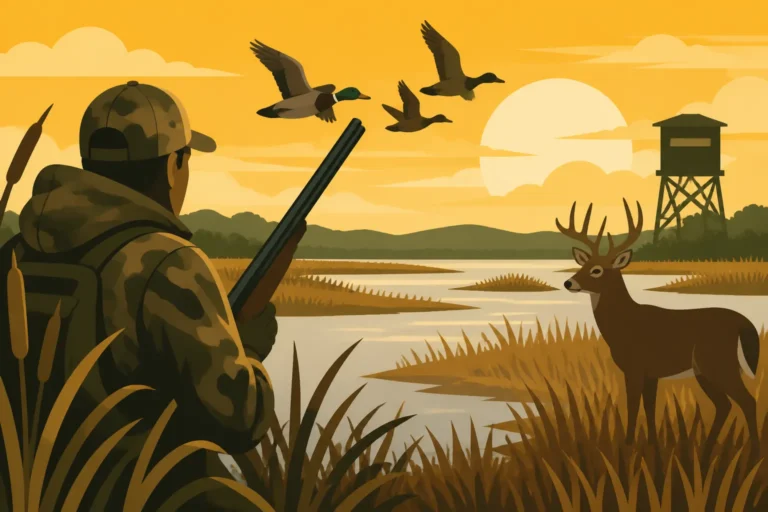
The primary mission of the refuge revolves around migratory birds, making it a waterfowl hunter's paradise, especially during the fall migration. Ducks and geese utilize the vast network of backwaters, sloughs, and flooded timber for feeding and resting. Species like mallards, wood ducks, teal, and various divers are common. Beyond waterfowl, the refuge also supports a robust population of white-tailed deer, particularly on the numerous islands and riverine timber stands. These deer can be surprisingly large due to the rich habitat and relative isolation of some areas.
Small game like squirrels and rabbits also thrive in the timbered islands and along the riverbanks. The unique nature of river hunting means that access is often boat-dependent, which naturally reduces hunting pressure in some of the more remote pockets. This can lead to a more "wilderness" feel than you might expect for a public land area relatively close to populated regions. However, this also means you need to be self-sufficient and prepared for serious river conditions.
Navigating the Maze: Federal and State Regulations
The complexity of regulations stems from the dual management. The U.S. Fish and Wildlife Service manages the refuge, but hunters must also comply with all Wisconsin DNR hunting regulations. This means that license requirements, season dates, and bag limits generally follow state law, but specific methods of take, access restrictions, or equipment rules might be unique to the refuge.
For example, certain areas within the refuge might be designated as "no hunting" zones or "closed areas" to provide undisturbed sanctuary for wildlife, particularly during sensitive periods. These are crucial to identify before you even launch your boat. Many sections also have strict rules regarding the construction and placement of blinds, often prohibiting permanent structures or requiring them to be removed at the end of the season. Always consult the official refuge hunting brochure, available on the USFWS website, in addition to the Wisconsin hunting regulations.
Gaining Access to the River's Riches
Hunting the Upper Mississippi River Refuge is fundamentally a water-based endeavor. While some areas might offer limited walk-in access from shorelines or islands connected to the mainland, the vast majority of prime hunting spots are only reachable by boat. This means that your success and safety are intrinsically linked to your vessel and your ability to navigate the river system.
Your Essential Vessel: Boats for River Hunting
Choosing the right boat for Mississippi River hunting is crucial. You're not dealing with a calm lake; this is a powerful, dynamic river system. Most hunters opt for aluminum jon boats ranging from 14 to 18 feet, powered by outboard motors that can handle shallow water but also punch through current. A jet drive motor can be a huge advantage for accessing extremely shallow backwaters and running over sandbars, though they come with their own learning curve. Standard prop motors work well, but you'll want a jack plate or a way to raise your motor to navigate skinny water and avoid prop damage from submerged stumps and rocks.
A reliable motor is non-negotiable. Many hunters carry a small kicker motor or at least a powerful set of oars as a backup, because getting stranded on a sandbar or having engine trouble in a strong current can quickly turn dangerous. When considering your boat, think about stability for shooting, capacity for decoys and gear, and durability to withstand occasional bumps with logs or debris. Remember, Hunting Mississippi River Backwaters often means dealing with currents, submerged hazards, and sometimes swift flow.
Public Access Points and Boat Ramps
Along the Wisconsin side of the Upper Mississippi, there are numerous public boat ramps and access points. These are managed by a mix of local municipalities, county parks, and state agencies. Key towns and cities like Prescott, La Crosse, Prairie du Chien, and Genoa all offer access to various pools of the refuge. It’s vital to know which pool you'll be hunting, as conditions and specific regulations can vary between them.
Before your trip, identify your launch point and research its amenities. Are there docks? Is there ample parking for your truck and trailer? Are there any specific launch fees? Some ramps can be busy, especially on opening weekend of waterfowl season or during the gun deer season if there's mainland access. Having a detailed map, whether paper or digital, is indispensable for locating these ramps and plotting your course. For detailed ramp locations and conditions, checking local county parks and recreation websites or state DNR resources is a good starting point.
Mastering River Navigation
The Mississippi River is a maze, even for experienced boaters. The main navigation channel is typically marked with buoys and lights, indicating deeper water. However, hunting often takes you out of this main channel and into the complex system of backwaters, sloughs, and islands. This is where navigation gets tricky. Shifting sandbars, submerged wing dams, hidden stumps, and ever-changing water levels mean you need to be constantly aware of your surroundings.
Utilizing modern mapping applications like onX Hunt or GoHunt is a game-changer for navigating the refuge. These apps overlay land ownership and water depths (where available) onto satellite imagery, allowing you to identify channels, sloughs, islands, and potential hazards. You can mark waypoints for your chosen hunting spots, boat runs, and even potential decoy setups. Understanding the river's contours and where the deeper channels lead into shallow feeding areas is critical for waterfowl. For deer hunting, identifying islands or high ground that provide sanctuary can be the key. Remember, cell service can be spotty, so ensure your maps are downloaded for offline use before you head out. Using Hunt Wild Without Cell Service is a skill worth developing for any remote hunting.
Hunting Opportunities and Regulations within the Refuge
The Upper Mississippi River National Wildlife and Fish Refuge offers diverse hunting opportunities, but each comes with its own set of challenges and specific regulations. Understanding these nuances is key to a successful and legal hunt.
Waterfowl Hunting: The River's Prime Attraction
Without a doubt, waterfowl hunting is the most popular pursuit on the refuge. The sheer volume of ducks and geese moving through the Mississippi Flyway makes this a world-class destination. Hunters target ducks in the myriad backwaters, sloughs, and shallow flooded timber areas. Geese often use the larger open water areas or feed in nearby agricultural fields, but river blinds can still intercept them.
Blind Types and Placement: You'll see a variety of blinds on the refuge. Some hunters use natural cover, brushing in along cattail edges or fallen timber. Others construct temporary blinds from local vegetation or bring in portable layout blinds and boat blinds. Permanent blinds are generally prohibited or require specific permits and removal by year-end. Always check the refuge's specific rules on blind construction, materials, and removal dates. Decoy spreads can range from small puddler spreads in tight timber to large diver rigs on open water. Hunting Mississippi River Backwater Sloughs often requires careful consideration of current and water depth for decoy placement.
Nontoxic Shot: A critical regulation to remember is the requirement for nontoxic shot for all waterfowl hunting on federal refuges. Steel, bismuth, or tungsten-based shot are acceptable, but lead shot is strictly forbidden for waterfowl, coot, and snipe hunting. This is a federal rule, regardless of what state regulations might say for private land.
Deer Hunting: Island Whitetails
Deer hunting on the refuge, particularly for archery, can be an incredibly rewarding experience. The islands and river bottomlands provide excellent habitat and often hold mature bucks. Access is typically by boat, and many of the islands are only accessible when water levels are cooperative.
Archery and Gun Seasons: Archery season often provides excellent opportunities due to less competition and more predictable deer movement. Gun hunting may be permitted on specific islands or designated land portions, but hunters must adhere to both state and federal regulations concerning firearm types and blaze orange requirements. Always verify the specific boundaries for gun hunting, as they can be quite detailed and vary between different refuge pools or management units. Hunting the Wisconsin Rut in November can be especially productive on these isolated islands, as bucks cruise for does.
Treestand and Ground Blind Rules: Federal regulations for treestands and ground blinds on the refuge might differ from general Wisconsin public land rules. Most often, stands must be temporary and removed daily, or by a specific date after the season concludes. Attaching stands with nails or screws is almost always prohibited to prevent tree damage. Using a sturdy portable stand or a saddle system, combined with Climbing Sticks for Rough Bark, is a common approach. Ground blinds, especially portable ones, can be effective in areas with good cover. Be sure to check rules regarding leaving anything on the refuge overnight.
Small Game Hunting: Squirrels and Rabbits
While not as prominent as waterfowl or deer, small game hunting for squirrels and rabbits can be a fun and productive way to explore the refuge, especially for newer hunters or those looking for additional opportunities. The timbered islands and dense brush along the riverbanks provide excellent habitat for these species.
Methods and Seasons: Standard small game seasons and bag limits apply per Wisconsin regulations. A .22 rifle, shotgun, or even a bow can be effective. Again, remember that access is largely boat-dependent, and being prepared to navigate the river is paramount. Always be aware of other hunters, especially during busy waterfowl or deer seasons, and ensure you have clear lanes of fire.
Planning Your Hunt for Success and Safety
Hunting the Upper Mississippi River Refuge isn't just about finding game; it's about respecting the power of the river, understanding its ever-changing moods, and prioritizing safety above all else. A well-planned trip can make all the difference.
The Importance of Scouting
Scouting is paramount for successful hunting on the refuge. Because the river is so dynamic, what was a hotspot last year might be completely different this year due to floods, erosion, or vegetation changes.
Off-Season Exploration: The best time to truly understand the refuge is during the off-season. Take your boat out in late summer or early fall (before hunting season begins) to explore backwaters, locate potential blind sites, identify boat runs, and scout for deer sign on islands. Pay attention to water levels and how they affect access. Use your onX Hunt app to mark all potential spots, hazards, and safe travel routes. This reconnaissance can save you precious hunting time and prevent dangerous situations during the season. Look for areas described in Scouting Wisconsin Public Land Before Season for general tips, but adapt them to the unique river environment.
Water Level Awareness: Water levels are perhaps the most critical factor on the Mississippi River. They can dictate access, hide or reveal hazards, and dramatically affect game movement. Low water can strand you on a sandbar, while high water can make areas inaccessible or create strong currents that are dangerous. Always check river gauges for your specific pool before heading out. Websites and apps dedicated to river navigation often provide real-time data.
Essential Gear for River Hunting
Beyond your hunting weapon and ammunition, several items are absolutely essential for safe and successful river hunting:
- Personal Flotation Devices (PFDs): One for every person on board, easily accessible or worn. It's the law and good common sense.
- Anchors: A heavy anchor with plenty of rope is crucial for holding position in current or wind. Many hunters carry two.
- Paddles/Oars: Even with a motor, a reliable set of oars or a heavy-duty paddle is a lifesaver if your engine fails or you get stuck in shallow water.
- Navigation Aids: A waterproof GPS unit or a fully charged smartphone with offline maps (like GoHunt) is non-negotiable. A compass and paper map are good backups.
- Communication: A marine band radio for emergencies, plus a fully charged cell phone in a waterproof case. Tell someone your float plan.
- Dry Bags: Keep extra clothing, electronics, and valuables dry. The river is wet.
- First-Aid Kit: Comprehensive and easily accessible.
- Safety Kit: Whistle, flares, bailing bucket, flashlight/headlamp, knife.
- Layered Clothing: Wisconsin weather can change rapidly, especially on the water. Layering for a Wisconsin Deer Stand offers great general advice that applies to duck blinds too.
- Waders: Good quality, chest-high waders are often necessary for setting decoys or retrieving game in shallow backwaters. Waders for Wisconsin Marsh Hunting goes into detail on what to look for.
- Push Pole: In very shallow areas, a push pole is invaluable for silently maneuvering your boat without spooking game or getting stuck.
- Decoys and Calls: Appropriate for the game you're targeting.
Weather and Water Conditions: Your Constant Companions
Never underestimate the Mississippi River. High winds can whip up dangerous waves, making even small boats vulnerable. Strong currents, especially after heavy rains, can make navigating difficult and retrieving game challenging. Fog can roll in quickly, reducing visibility to mere feet. Always check the marine forecast in addition to the standard weather forecast.
Ice is another major consideration for late-season hunting. Freezing conditions can form dangerous skim ice in backwaters or along shorelines, making boat travel impossible or extremely hazardous. Be aware of fluctuating temperatures and the potential for ice formation. Always err on the side of caution; a missed hunt is better than a tragic accident.
Respecting the Resource and Other Users
The Upper Mississippi River Refuge is a shared resource. You'll encounter other hunters, anglers, boaters, and wildlife watchers. Showing respect and courtesy is essential. Maintain safe distances, avoid disturbing others' hunts, and be mindful of your wake when passing other boats. Follow all refuge rules diligently, clean up after yourself, and leave no trace. This ensures that this incredible hunting area remains vibrant for future generations.
| Game Species | Typical Habitat | Primary Hunting Method | Key Regulations / Considerations |
|---|---|---|---|
| Waterfowl | Backwaters, sloughs, flooded timber, open water | Boat blind, layout blind, natural cover | Nontoxic shot required, temporary blinds, decoys, boat access critical |
| White-tailed Deer | Islands, river bottomlands, timbered banks | Archery, limited gun (check zones) | Temporary treestands/blinds, boat access, blaze orange for gun |
| Squirrels | Timbered islands, mature hardwoods | Small caliber rifle, shotgun | Standard state small game rules, boat access, be aware of other hunters |
| Rabbits | Dense brush, thickets on islands/banks | Shotgun, .22 rifle | Standard state small game rules, boat access |
Disclaimer
This article is for general informational purposes only and does not constitute professional advice. Laws, prices and regulations vary by location and change over time. Consult a qualified professional for guidance on your specific situation.