Sharp-Tailed Grouse Range in Wisconsin
Wisconsin sharp-tailed grouse range details, habitat needs, and historical decline explain where hunters find these rare birds today.
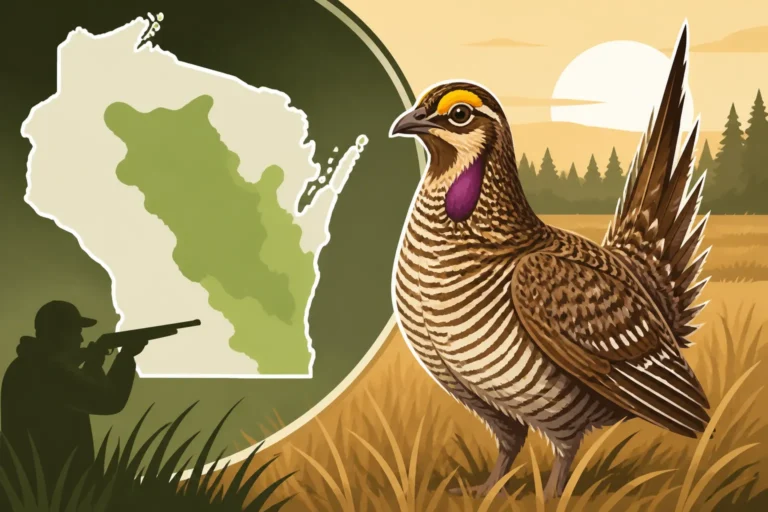
Wisconsin sharp-tailed grouse range details, habitat needs, and historical decline explain where hunters find these rare birds today.
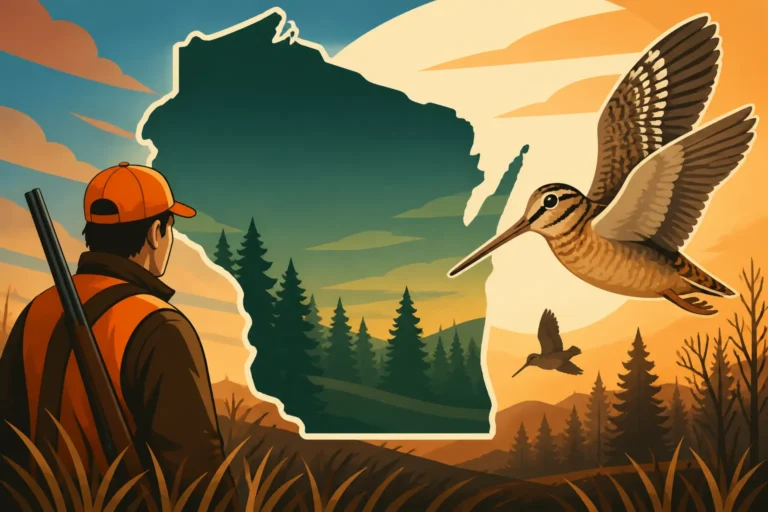
Wisconsin provides critical habitats and migratory corridors for the American woodcock, a secretive shorebird traveling south.
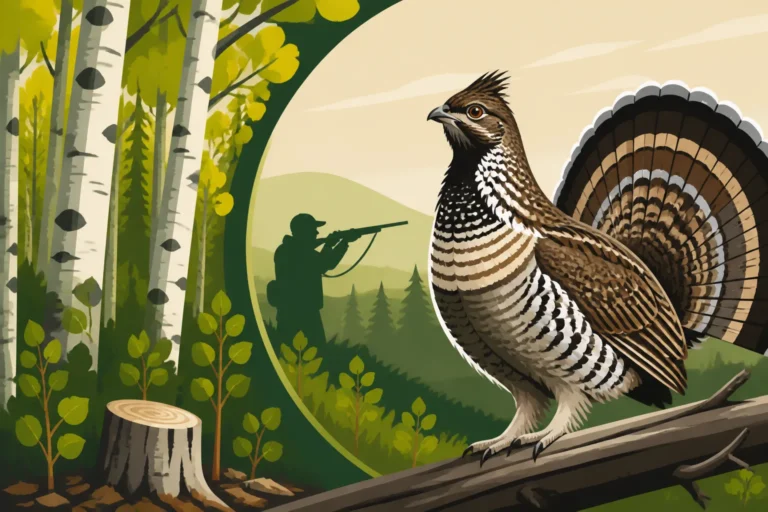
Wisconsin aspen management creates young forest habitats that supply ruffed grouse with critical food and predator shelter.
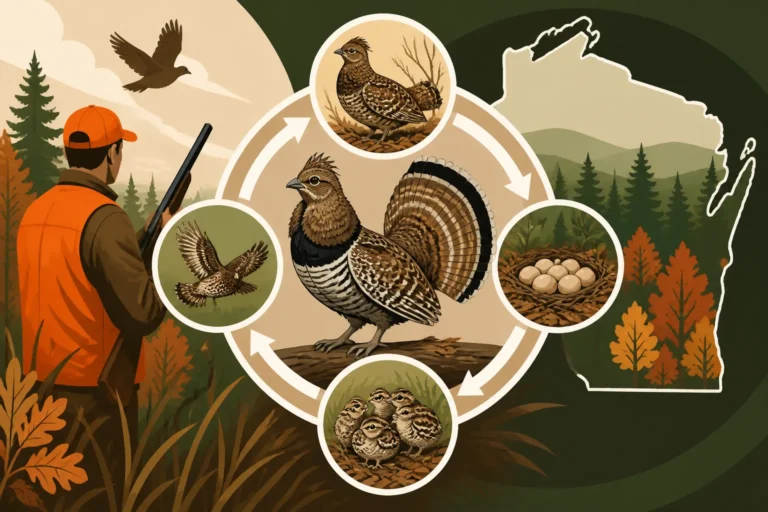
Wisconsin ruffed grouse populations follow a predictable multi-year cycle lasting eight to eleven years, averaging ten years.
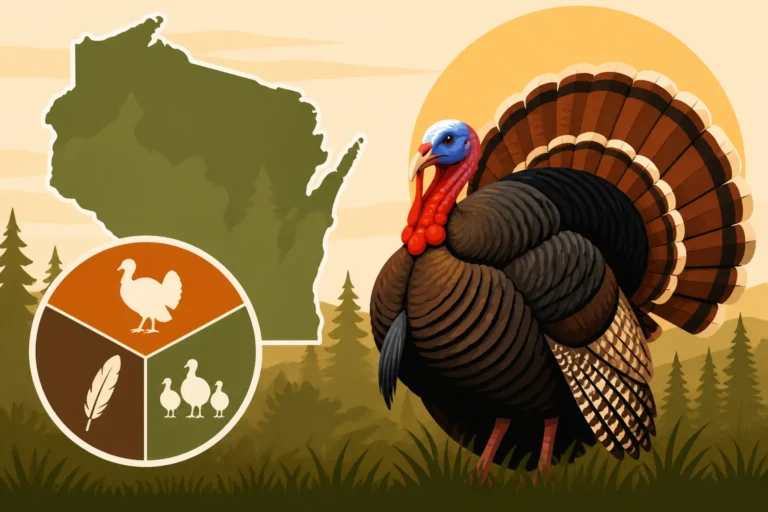
Wisconsin turkey harvest numbers and annual summer brood surveys help hunters understand population trends and plan future hunts.
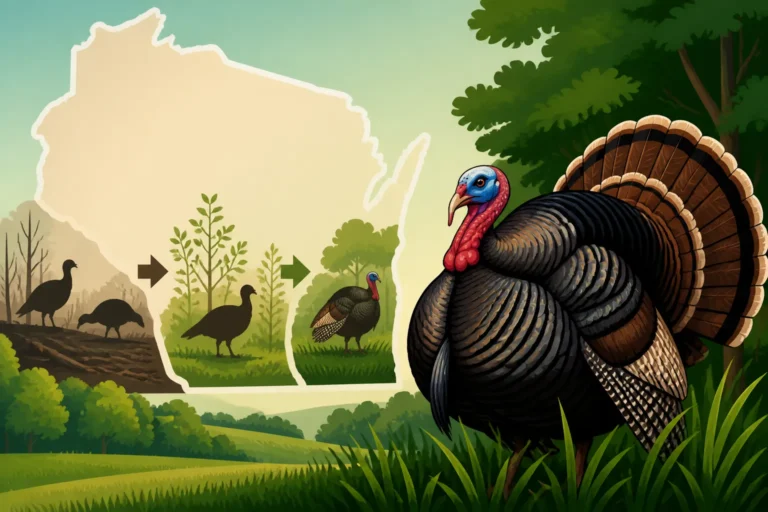
Wild turkey restoration in Wisconsin involved overcoming massive habitat loss and unregulated market hunting during the twentieth century.
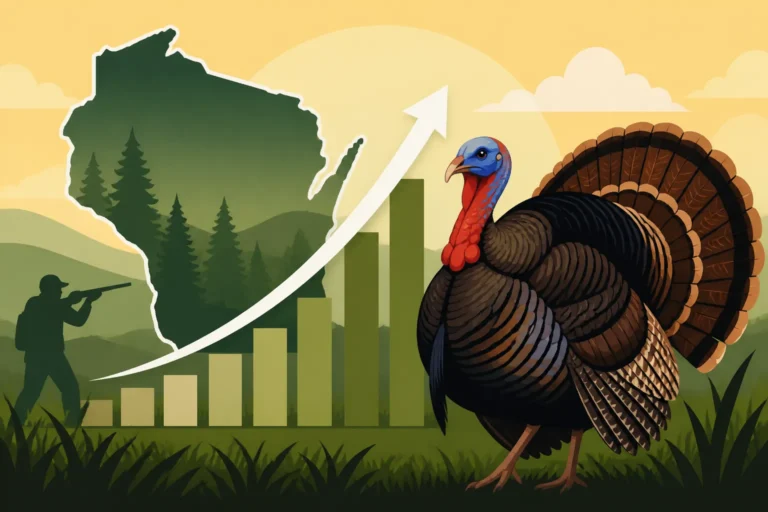
Wisconsin wild turkey population numbers show a modest decline from early 2000s peaks following a massive 1970s reintroduction program.
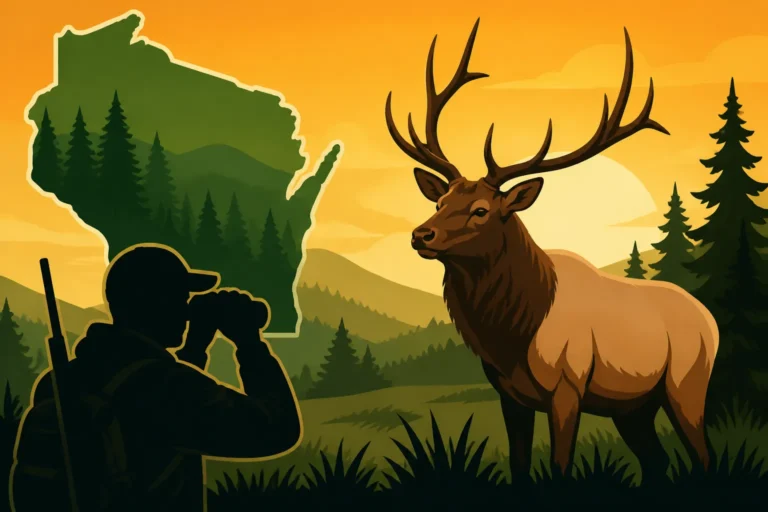
Wisconsin elk viewing locations, seasonal behavioral patterns, and the history of northern and central herd reintroduction efforts.
The Clam Lake and Black River elk herds detail the historical disappearance, 1995 reintroduction, and habitats of Wisconsin elk.
Wisconsin elk extinction details and conservation efforts explain how the native population disappeared by eighteen sixty six and returned.