When the Wisconsin Rut Peaks
Wisconsin deer hunting timing and photoperiod science explain the biological peak of the whitetail rut across late October and November.
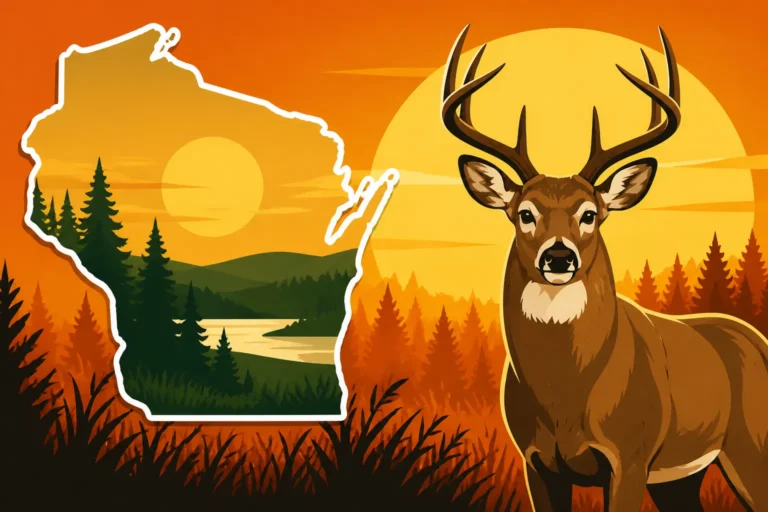
Wisconsin deer hunting timing and photoperiod science explain the biological peak of the whitetail rut across late October and November.
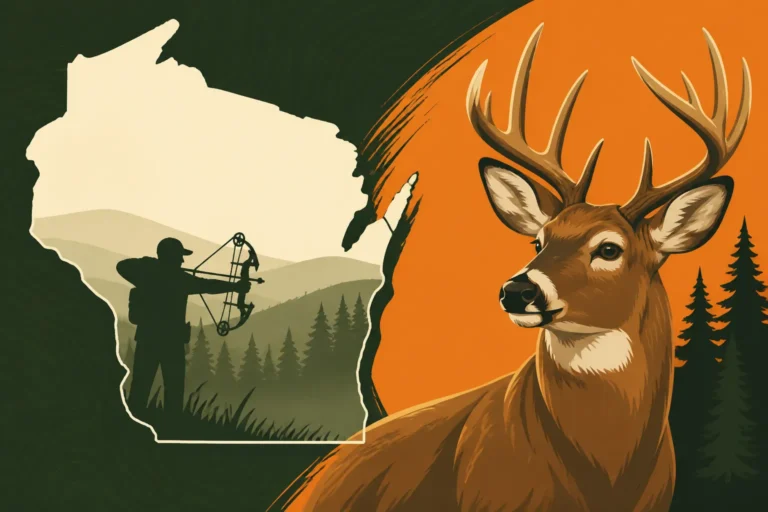
Wisconsin deer record book scoring systems, official entry processes, and minimum size requirements for whitetail bucks.
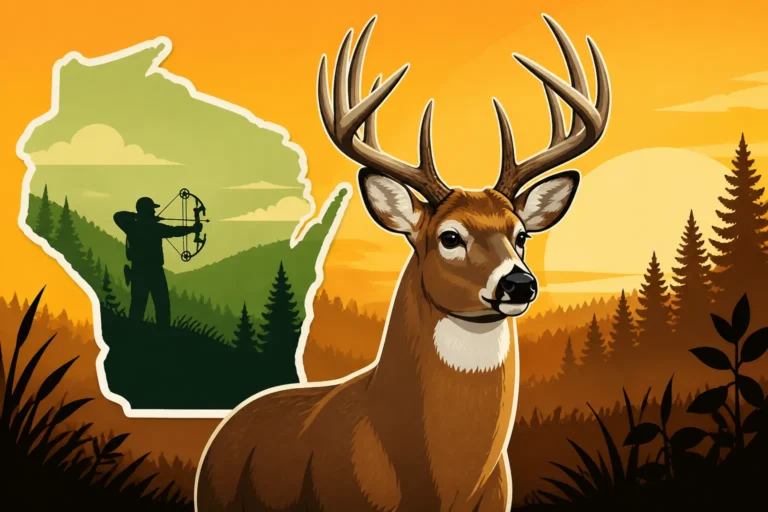
Wisconsin whitetail deer hunting strategies explain how to find record book bucks meeting the 170-inch Boone and Crockett standard.
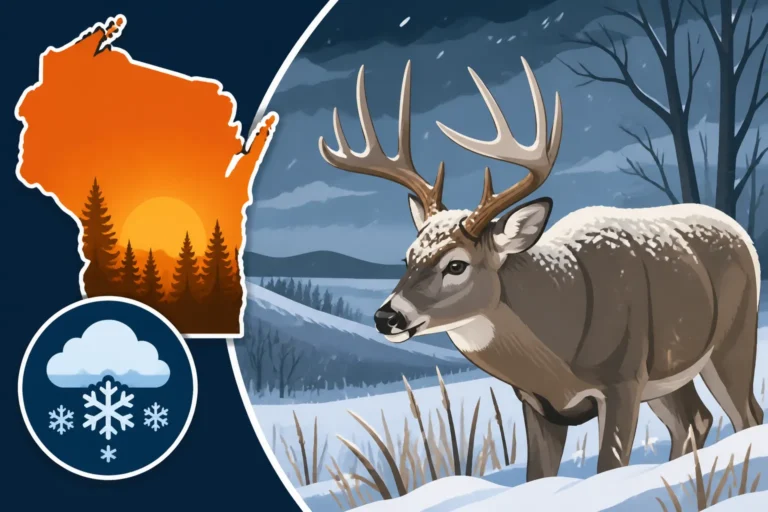
Northern Wisconsin winters and deep snow restrict deer movement, deplete energy reserves, and threaten wildlife health and populations.
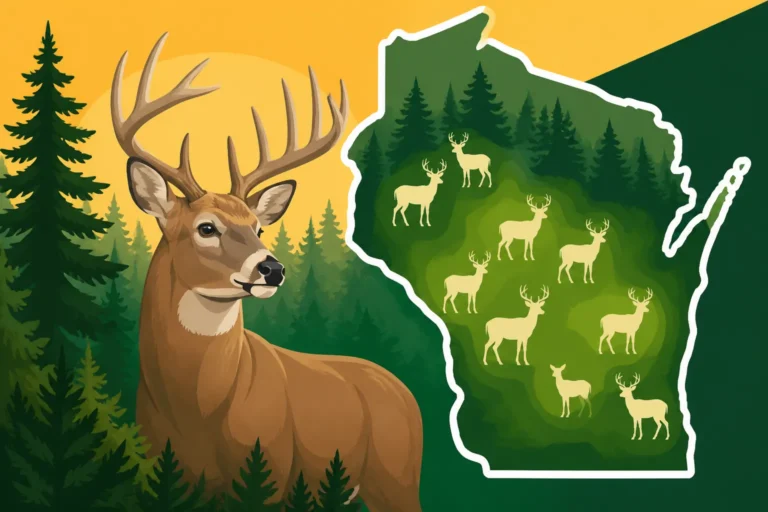
Northern Forest deer density in Wisconsin features lower populations, sparse herds, harsh winters, predators, and limited natural forage.
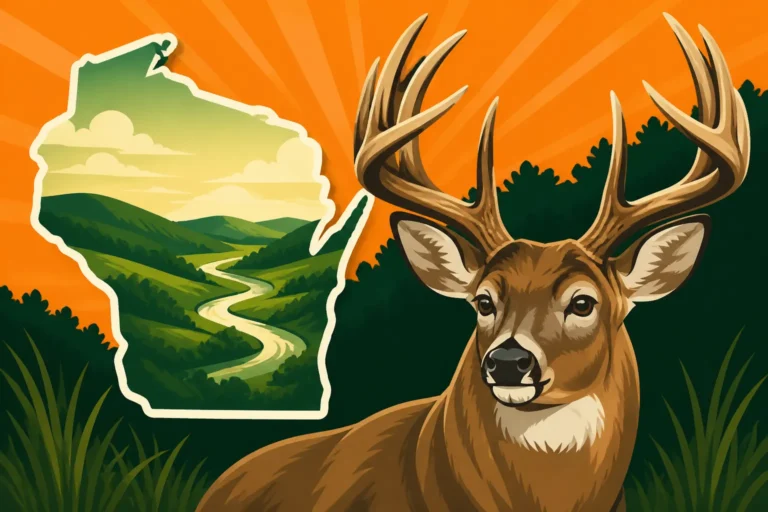
Wisconsin Driftless Area topography, agriculture, and rugged terrain create natural sanctuaries that grow massive whitetail deer.
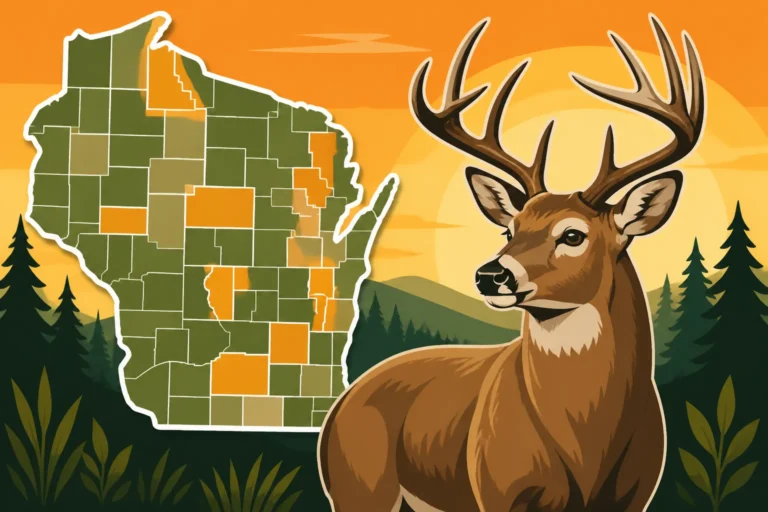
The unglaciated Driftless Area, with steep coulees, farm fields and dense cover, lets bucks age to trophy size, and other farmland and timber areas produce too.
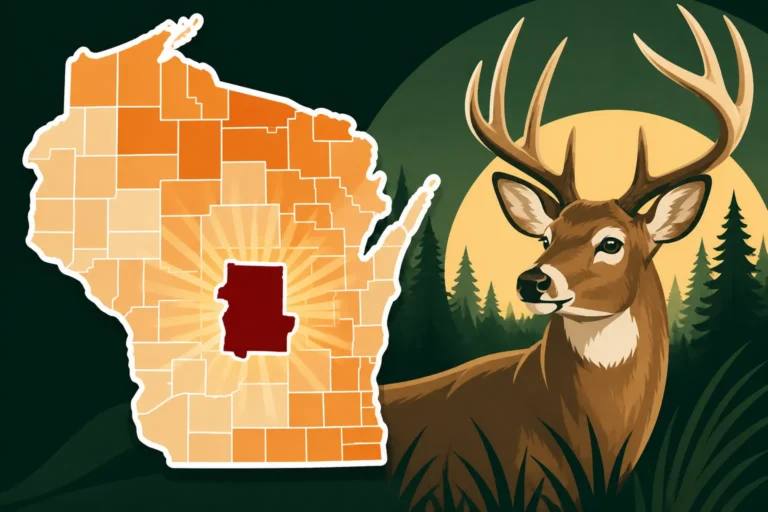
Wisconsin deer harvest data reveals which counties lead in total animal numbers based on habitat capacity and hunter access.
Wisconsin annual deer harvest numbers explain population health, management success, regional differences, and future hunting opportunities.
Wisconsin deer herd size estimates help hunters understand population trends, regional densities, and harvest quotas across the state.