Locator Calls for Wisconsin Gobblers
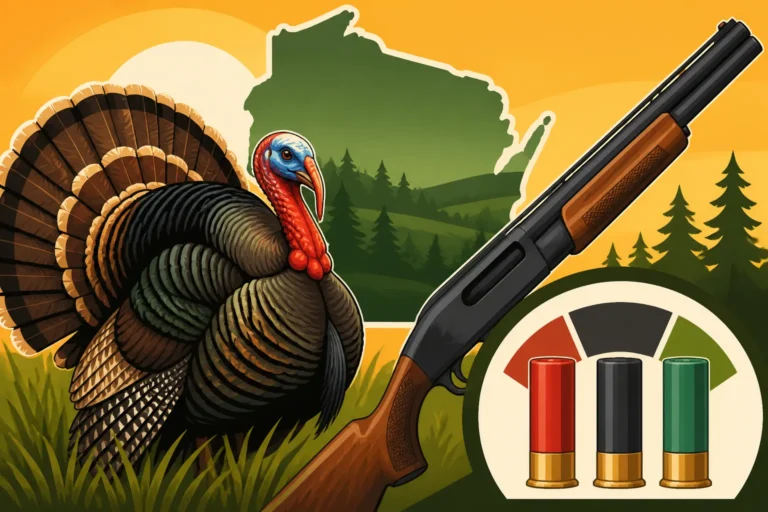
There are few things more frustrating in the spring woods than not being able to locate a gobbler. You've hiked miles, the sun is rising, and silence hangs heavy, leaving you wondering if there are even any birds around. This guide is all about equipping you with the knowledge and tactics to effectively use locator calls, transforming those silent mornings into thrilling hunts by making those elusive Wisconsin gobblers give away their position.
What Are Locator Calls and Why Are They So Important for Wisconsin Turkey Hunters?
Locator calls are essentially tools that mimic various wildlife sounds, designed with one primary goal: to elicit a "shock gobble" from a wild turkey. Unlike true turkey calls that aim to attract a bird, a locator call simply wants a turkey to respond out of instinct, often surprising them into sounding off. That surprise gobble gives away their location without them necessarily thinking it's another turkey they need to approach or be wary of.
Think about it this way: a tom turkey is a proud creature, and when he hears another loud, sudden sound in his territory, his natural inclination is often to gobble back, essentially saying, "Hey, I'm here! This is my roost, this is my field, stay out!" It's a territorial response, a challenge, or sometimes just an involuntary reaction to a sharp noise. This is absolutely critical in Wisconsin, where public land birds can be cagey, and even private land turkeys get smart fast. Being able to pinpoint exactly where a gobbler is roosted before first light, or where he's strutting in the mid-morning, is an enormous advantage, saving you wasted time and allowing you to set up strategically for a successful approach.
The real benefit comes when those gobblers are "henned up" or just not very vocal. Sometimes, they'll gobble only a few times a morning, or only to a very specific sound. By having a repertoire of locator calls, you increase your chances of hitting on that one sound that will make them shock gobble. It's not about making them come to you with these calls, but rather getting them to reveal their presence so you can then apply your more traditional Turkey Calls Worth Carrying in Wisconsin.
Different Types of Locator Calls for Wisconsin Gobblers
While almost any loud, sudden noise can theoretically make a turkey gobble, certain calls are consistently more effective. These mimic sounds that are common in the Wisconsin woods and often trigger that involuntary "shock gobble" response.
Owl Hooter Calls
Owl hooters are perhaps the most classic and widely used locator calls, especially for pre-dawn and early morning situations. Great horned owls are natural predators and their calls are a common sound across Wisconsin's timbered landscapes. A tom on the roost, hearing a dominant owl hooting nearby, will often gobble back, whether out of territoriality, annoyance, or just a reflexive response.
These calls are fantastic because they sound natural to the woods at a time when turkeys are most likely to gobble from their roosts. You can use them effectively in both open hardwoods and thicker, swampier areas. The deep, resonant "who cooks for you, who cooks for you all" pattern is instantly recognizable and often gets a quick response. The key is to deliver these hoots with confidence and realism. Practice them to get the cadence and tone right; a drawn-out, nasal tone often works wonders. It's a crucial tool for any hunter looking to locate those birds before they fly down, giving you a head start on your approach. You'll often find that the first few hoots in the dark can make or break your morning setup.
Crow Calls
Crow calls are another staple in the locator call arsenal, and for good reason. Crows are ubiquitous across Wisconsin, from the deepest forests to the most open farmlands. Their harsh, loud caws can carry a long distance and are incredibly effective at making turkeys gobble, especially later in the morning once birds have flown down and are on the ground.
The sound of a crow is naturally loud and disruptive, often triggering that shock gobble. Turkeys seem to associate crow caws with general woodland activity and aren't typically alarmed by them in the same way they might be by a direct turkey yelp from an unknown source. When the woods have quieted down after fly-down, and you're covering ground, a series of aggressive crow caws can often spark a gobble when other calls fail. These calls come in various forms, from handheld diaphragm calls to more traditional open-reed or tube calls. Mastering a series of varied caws – short, sharp ones, and longer, drawn-out ones – can make your calling sound more realistic and enticing for a gobbler to respond.
Coyote Howler Calls
While not as commonly used as owl or crow calls, a coyote howler can be an incredibly potent locator, especially if you're hunting in areas with high coyote populations, which is most of Wisconsin. The loud, piercing howls of a coyote are a significant presence in the woods, and a tom turkey, hearing one close by, might gobble in response to assert its dominance or just out of a startled reaction.
Coyote calls are particularly effective in areas where turkeys might be more call-shy to traditional turkey or even crow calls. It's a sound they hear regularly, but it's not directly associated with another turkey, so it can often draw a response when other calls fail. These calls are typically used with a bit more discretion, as they can also alert other predators. You wouldn't want to overdo it, but a well-timed series of howls, especially at dawn or dusk, can certainly make a distant gobbler reveal his position. Consider using this call when you've exhausted other options or when you're covering large tracts of timber where sound needs to carry far.
Hawk and Pileated Woodpecker Calls
These are often considered specialty locator calls, but they can be surprisingly effective, especially on pressured birds or during specific times of the day. The piercing cry of a red-tailed hawk or the loud, rhythmic drumming and calls of a pileated woodpecker are natural sounds of the Wisconsin wilderness.
A hawk scream, in particular, can be very sharp and attention-grabbing, perfect for cutting through timber and eliciting a shock gobble. These calls often come as small, handheld friction calls or specialized mouth calls. Pileated woodpecker calls, which mimic their loud "kuk-kuk-kuk" series or drumming, are also a unique sound that can sometimes spark a response from a tight-lipped tom. The advantage of these less common calls is that turkeys may not associate them with hunters, making them potentially more effective on birds that have heard every crow and owl call in the book. It adds another layer to your strategy, especially when you're hunting areas that see a lot of foot traffic or during mid-day lulls when birds are less inclined to gobble.
When and How to Use Locator Calls Effectively in Wisconsin
Knowing which call to use is only half the battle; knowing when and how to deploy them is where the real skill comes in. Timing and technique are paramount to turning a silent morning into a successful hunt.
Pre-Dawn and Fly-Down Tactics
The period just before and after legal shooting hours, as turkeys are still on the roost or just flying down, is prime time for locator calls. This is when birds are most vocal, often gobbling to establish their presence.
- Pre-Dawn Roosting: Your best bet here is an owl hooter. As you sneak into your chosen spot in the dark, well before first light, pause every 150-200 yards and let out a series of convincing owl hoots. Listen intently. Even a faint gobble can give away a roost tree. This allows you to adjust your approach and get into a prime Setting Up Against a Big Oak before the bird hits the ground. Don't be afraid to try multiple sets of hoots from different spots. The goal is to get as close as possible without bumping the bird, so you can transition to more traditional turkey calls once it's light enough to see. Calling a Wisconsin Gobbler Off the Roost relies heavily on accurately locating them in the dark.
- Fly-Down Period: As light breaks and birds are stretching on the limb, they often gobble on their own. However, if they're quiet, a well-timed crow call can often do the trick. A sharp, loud series of caws as the birds are contemplating leaving the roost can trigger a shock gobble, confirming their exact position as they prepare to hit the ground. During this crucial time, silence and careful listening are as important as the calling itself. Use your
GoHuntapp or a physical map to mark where you hear the gobble, giving you a reference point for your approach.
Mid-Morning and Later in the Day
Once turkeys are on the ground and moving, their behavior changes. They might be henned up, feeding, or just covering ground. Locator calls still have a place, but the strategy shifts.
- Covering Ground: If you're employing a Run-and-Gun Turkey Tactics on Public Land approach, locator calls are your best friend. As you move through timber, clearings, or along field edges, stop periodically and let out a series of crow calls, hawk screams, or even a coyote howl. Give it a minute or two of intense listening. The sound might carry further than you think, especially on a calm day. Pay attention not just to gobblers, but also to hen yelps or even distant crow responses that might lead you to a different group of birds.
- Breaking a Lull: Sometimes, after the initial morning frenzy, birds go quiet. This is where a varied locator call strategy shines. If crow calls aren't working, try a hawk scream. If that fails, a pileated woodpecker call might just be the oddball sound that elicits a response. Don't overcall; give each series of calls time to work and listen for responses, even faint ones. Turkeys often travel with hens during the mid-day, so they might not be actively looking for another turkey to gobble at, but that shock gobble instinct can still be strong. Understanding When Wisconsin Gobblers Go Quiet can help you determine when these calls might be most beneficial.
Weather and Terrain Considerations
Both weather and terrain significantly impact how far and how effectively your locator calls will travel and how turkeys will respond.
- Wind: Wind is the enemy of sound. On windy days, you'll need to call louder, more frequently, and be more attentive to any distant responses. Strong winds can also make turkeys less vocal naturally. Try to use terrain to your advantage, calling from ridge tops or clearings where the sound might carry better. However, calling from a sheltered area might be better to hear subtle responses.
- Rain/Drizzle: Light rain or drizzle can dampen sound, but it can also make turkeys more vocal as they try to re-establish contact. Heavy rain will often shut them down. On drizzly days, use loud, sharp calls like crow or hawk calls. Keeping your calls dry is important; some friction calls, like slate or glass calls, can be affected by moisture, so consider waterproof options or protected placements in your vest.
- Fog/Mist: Fog can play tricks on sound, making it hard to pinpoint direction, but it doesn't necessarily inhibit sound travel. Use sharp, distinct calls and listen for direction carefully.
- Terrain: Open hardwood ridges, like those found in the Driftless Area Deer Hunting in Wisconsin, can allow sounds to travel a long way. Conversely, thick cedar swamps or dense pine plantations will muffle sound, requiring you to get closer or call more frequently. Understanding the topography of your hunting area, perhaps through a mapping tool like
GoHunt, can help you predict how sound will carry and where a gobble might originate from. A tom in a coulee bottom might not hear your call from the opposite ridge, for example. Reading Aerial Photos for Coulee Deer can give you insights into how sound travels in varied terrain.
Common Mistakes and Advanced Tips for Using Locator Calls
Even with the right calls and timing, it's easy to fall into habits that reduce their effectiveness. Let's look at some pitfalls to avoid and some seasoned strategies to boost your success.
Avoiding Common Mistakes
One of the biggest mistakes hunters make with locator calls is over-calling. The goal is to get a response, not to have a conversation. A few well-placed calls, followed by intense listening, are far more effective than blasting away constantly.
- Calling Too Much: If a gobbler responds to your first or second series of calls, stop calling. Your objective is accomplished: you know where he is. Now, the focus shifts to moving into position quietly. Continue calling with a locator, and you might spook him, or he might just ignore you. Over-calling can also alert other hunters to your presence and the bird's location.
- Not Listening Enough: After each series of locator calls, put the call down and listen. Really listen. Sometimes a gobble will be faint and distant. Hold your breath, cup your ears, and try to pinpoint the direction. Distant birds might gobble once and then shut up, so if you're already blowing your next series of calls, you'll miss them. Patient listening for a solid minute or two after each sequence is crucial.
- Giving Up Too Soon: Just because a gobbler doesn't respond to an owl hoot doesn't mean he's not there. He might just not like owl hoots today. Try a crow call. If that fails, move 100-200 yards and try again. Sometimes, a bird needs a different trigger or to hear the call from a slightly different angle. Especially when hunting Wisconsin Public Land Before Season, it's important to experiment with different calls and locations.
- Making Too Much Noise During the Approach: Once a bird gobbles, your next moves need to be silent and deliberate. Dropping calls, rustling through leaves loudly, or snapping branches will instantly put a wary gobbler on alert. Stow your calls carefully and focus entirely on a quiet stalk to your setup position.
Advanced Tips for Locator Call Success
To truly elevate your locator calling game, consider these more nuanced approaches.
- Vary Your Calls: Don't just stick to one type of locator call all morning. If an owl call doesn't get a response, switch to a crow call. If the crow call is ignored, try a hawk scream or a coyote howl. Turkeys, especially on public land or later in the season, can become accustomed to certain sounds. A fresh, unexpected call might be just what it takes to break their silence. This is particularly true if you're hunting during Hunting a Late Wisconsin Turkey Period when birds are often more pressured.
- Use Topography to Your Advantage: As mentioned, terrain impacts sound. If you're trying to locate birds on a frosty morning, head to the highest points in your hunting area—a ridge, a knob, a cleared field edge. Your calls will carry further, and you'll be able to hear responses from a greater distance. Conversely, if you've located a bird in a low-lying area, understanding how sound will travel to him will inform your approach.
- Listen for Follow-Up Calls: Sometimes, a tom won't gobble to your locator, but a hen will yelp, or other crows will start cawing in response. Pay attention to all sounds. Other wildlife reacting to your locator can often indicate the general area where a gobbler might be, even if he didn't gobble himself.
- The Power of Silence: After a series of locator calls, if you hear nothing, don't immediately blast another one. Sometimes, a tom might take a moment to react, or he might be moving slightly before gobbling. Give it a minute or two of absolute silence before deciding to move on or try another call. This patience is often rewarded. For those scouting public ground, tools like
GoHuntcan provide maps that show topography and forest types, helping you predict sound travel and optimal calling locations.
Locator calls are a fundamental part of a successful turkey hunter's toolkit in Wisconsin. They're not just for beginners; even the most seasoned hunters rely on them to quickly assess an area, pinpoint a bird, and make those crucial early-morning or mid-day adjustments. By understanding the different types of calls, when and how to use them effectively, and avoiding common pitfalls, you'll significantly increase your chances of putting a longbeard on your shoulder.
| Call Type | Primary Use | Best Time | Advantages | Considerations |
|---|---|---|---|---|
| Owl Hooter | Roosting Birds | Pre-dawn, early morning | Natural sound, carries well, common trigger | Can be less effective after fly-down |
| Crow Call | Covering Ground, Post-Roost | Mid-morning, all day | Loud, natural, covers large areas | Turkeys might become accustomed to it if overused |
| Coyote Howler | Specialized Situations | Dawn/Dusk, pressured birds | Unexpected, can shock silent birds | Can alert other predators, less common response |
| Hawk Scream | Mid-Day, Pressured Birds | All day | Sharp, piercing, good for cutting timber | Can be less versatile, requires precise delivery |
| Pileated Woodpecker | Specialized, Pressured Birds | Mid-Day, wooded areas | Unique, unexpected, subtle | Less common, may not carry as far |
Disclaimer
This article is for general informational purposes only and does not constitute professional advice. Laws, prices and regulations vary by location and change over time. Consult a qualified professional for guidance on your specific situation.