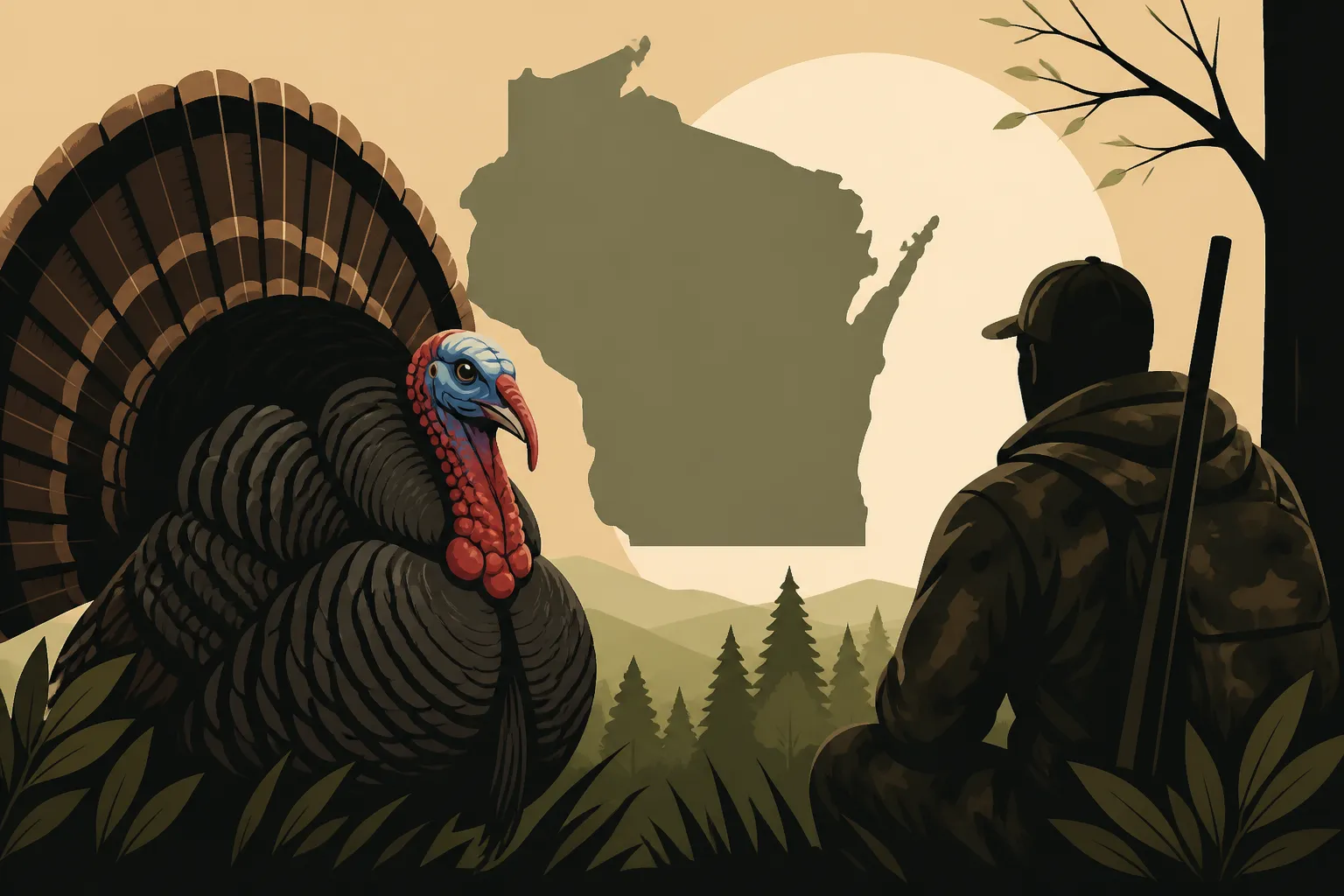
When Wisconsin Gobblers Go Quiet
It's happened to every turkey hunter in Wisconsin. You spend weeks scouting, dreaming of those booming morning gobblers, maybe even get a few hot responses on opening weekend. Then, suddenly, silence. The woods that once echoed with vibrant calls become frustratingly quiet. It feels like the gobblers just vanished into thin air, leaving you wondering if you've done something wrong or if the season is just over for actively calling birds. This isn't just a fleeting moment; it's a real and often disheartening phase of the spring turkey season, especially here in Wisconsin with our varied terrain and hunting pressure. This guide is here to shed some light on why those Wisconsin gobblers go quiet, when you can typically expect it, and, most importantly, how to adapt your strategies to punch that tag even when the woods seem dead silent.
Understanding the Silence: Why Gobblers Go Quiet
The shift from a cacophony of gobbling to eerie silence isn't random; it's a natural progression tied to both turkey biology and external factors. Understanding these reasons is the first step to overcoming the quiet.
Post-Peak Breeding Season Dynamics
In the early stages of Wisconsin's spring turkey periods, gobblers are absolutely fired up. Their sole mission is to find and breed as many hens as possible, which means a lot of gobbling to announce their presence and attract mates. It's a high-energy, high-stakes game for them, and hunters often capitalize on this intense desire by drawing them in with aggressive calling. This is the "glory days" of early spring turkey hunting.
However, as the breeding season progresses, more and more hens get bred and begin the nesting process. When a gobbler has a receptive hen or a small harem of hens already with him, he has far less incentive to gobble constantly and broadcast his location. Why risk drawing in competition if he's already got what he's looking for? He might still gobble a bit on the roost, but once he flies down and links up with his hens, he's often content to just strut silently with them for the rest of the morning. This "henned up" behavior is a primary reason for the sudden drop in vocalizations, and it's something you'll notice pretty consistently through the different periods of Wisconsin Spring Turkey Zones and Periods.
Later in the season, you might find that the remaining unbred hens are fewer, or some hens that had failed nests are re-nesting. This can create small windows where gobblers might pick up their calling again briefly, but usually, they've been pressured, and their overall enthusiasm for public declarations wanes. The dynamic shifts from seeking to maintaining, and that means a quieter woods.
Weather and Environmental Factors
Weather plays a huge, often underestimated, role in a gobbler's willingness to vocalize. Think about it from their perspective: if it's pouring rain, strong winds are whipping through the timber, or the temperature has plummeted overnight, are they really going to be standing on a limb booming their heads off? Probably not. Heavy rain can dampen sound, making gobbling less effective for attracting hens. Strong winds make it difficult for turkeys to hear, and for hunters to pinpoint gobblers, so birds tend to remain quieter and more secluded.
Sudden temperature drops, especially after a warm spell, can make turkeys less active overall. They might spend more time feeding or simply hunkering down, rather than strutting and gobbling. Foggy or heavily overcast mornings can also influence their mood, sometimes making them hesitant to fly down from the roost or to gobble as enthusiastically. While a little bit of weather can sometimes trigger a good gobble, persistent harsh conditions often mean quiet birds. It's not just about comfort; it's about efficiency and survival.
Beyond immediate weather, environmental factors like food availability and predator presence can also indirectly lead to quieter birds. If a gobbler feels exposed or knows there's increased predator activity, he'll be less inclined to draw attention to himself. Similarly, if his preferred food sources are scarce, he might be more focused on foraging than on vocal displays.
Hunting Pressure and Adaptation
This is a big one, especially in Wisconsin's more accessible public hunting areas. Turkeys, particularly gobblers, are incredibly intelligent and quickly learn when human activity poses a threat. After the first few days, or even hours, of a hunting period, those loud, aggressive gobblers that were so willing to come to a call often "wise up." They associate truck doors slamming, human voices, and even certain calling sequences with danger.
On public lands, where multiple hunters might be working the same birds, the pressure can build exponentially. A gobbler that gets called in aggressively, only to see a hunter or have a close encounter, is unlikely to fall for the same trick again. He might start to gobble only once or twice on the roost, then fly down and simply slip away silently with his hens. Or, he might stop gobbling entirely, relying on visual cues and simply observing his surroundings before making a move.
This adaptation to pressure is why Decoy Placement for Pressured Birds becomes so critical and why many hunters find themselves shifting from run-and-gun tactics to more patient, ambush-style hunting as the season wears on. The birds are still there; they're just not advertising their presence, forcing hunters to become more adept at finding and intercepting them without relying solely on vocalizations.
When the Silence Falls: Typical Wisconsin Timing
While every season and every bird is different, there are noticeable patterns in Wisconsin's spring turkey seasons when the woods tend to go quiet. Knowing these general timeframes can help you mentally prepare and adjust your strategies.
The Post-Opener Lull
The first few days of any given Wisconsin turkey period can be electric. Birds are fresh, eager, and often haven't encountered much pressure. Gobblers are frequently heard on the roost and are usually willing to come to a call. Hunters who draw one of the early periods, like A or B, often experience this exciting, vocal phase. There's a palpable anticipation in the woods, and it often pays off with a quick, successful hunt.
However, almost like flipping a switch, a distinct lull often follows this initial surge of activity. By the time the first weekend is over, or sometimes even by mid-week, the persistent gobbling can significantly taper off. This "post-opener lull" is a direct result of several factors converging: many of the most vocal gobblers have either been harvested, successfully bred hens and are now "henned up," or have become educated to hunting pressure. The easily fooled birds are gone, and the remaining ones are far warier. If you've been Hunting the Pre-Rut in Late October for deer, you'll recognize a similar shift in animal behavior after an initial peak of activity.
During this lull, you'll still hear gobblers, but they'll often be less frequent, less enthusiastic, and much more challenging to coax into range. They might gobble once or twice on the roost, fly down, and then go completely silent, often joining up with hens or simply moving quietly through their territory.
Mid-Season Blues (Periods C & D)
As Wisconsin moves into its mid-season periods (C and D), the quiet can become even more pronounced. By this time, a substantial portion of the hen population has been bred and is actively nesting. This means fewer receptive hens for gobblers to pursue, which in turn reduces their need to gobble aggressively. Many gobblers will be found with small groups of the remaining unbred hens, or they might be completely solitary, simply moving silently through the woods.
This mid-season can feel like the toughest stretch. The initial excitement of the season has worn off, and the birds that are left are often the wiliest, having survived multiple periods of hunting pressure. The weather can also be more stable during these periods, which, while comfortable for hunters, sometimes doesn't provide the kind of dramatic temperature swings that can occasionally spur a forgotten gobble. This is often when hunters really need to dig deep into their bag of tricks, moving away from pure calling and towards more strategic hunting. If you're used to the more active Hunting the Wisconsin Rut in November, this quiet period can feel quite stark in comparison.
It's during periods like C and D that scouting for fresh sign becomes paramount. Forget listening for gobbling; focus on finding tracks, dusting bowls, and feather beds in areas where turkeys are actively feeding and strutting, even if they're doing it silently.
Late Season Resurgence (Periods E & F) and "Ghost Birds"
Just when you think all hope is lost and the gobblers have permanently sealed their lips, Wisconsin's late season (Periods E and F) can sometimes offer a glimmer of renewed gobbling activity. This can happen for a couple of reasons: some hens might have failed their first nests due to predation or disturbance and are now re-nesting, making them receptive to gobblers again. Other, late-hatched hens from the previous year might be reaching breeding maturity later in the season. This creates a small, secondary window of breeding activity.
However, don't mistake this for a return to early-season fireworks. The gobblers during these late periods are what many hunters affectionately (or frustratingly) call "ghost birds." They've seen it all. They've dodged hunters for weeks, maybe even months, and are incredibly wary. While they might let out a gobble or two, especially on the roost, they are notoriously difficult to call into range. They'll often approach silently, circle wide, or hang up frustratingly out of range, just out of sight. They know the game, and they're playing it extremely cautiously.
Hunting these Hunting Gobblers Late in May requires an entirely different mindset: extreme patience, impeccable camouflage, and often, less calling rather than more. These birds are a true test of a hunter's skill, proving that even a quiet gobble can lead to a challenge.
Breaking the Silence: Tactics for Quiet Gobblers
When Wisconsin gobblers go quiet, it's a clear signal that your tactics need to shift. Aggressive calling and hoping for a booming response won't cut it. Instead, you need to become a stealthier, more observant, and infinitely more patient hunter.
The Art of Still-Hunting and Scouting
Since the gobblers aren't announcing their presence, you need to go find them. This means embracing the art of still-hunting, a slow, deliberate method of moving through the woods that prioritizes observation over speed. Instead of crashing through the timber, take five to ten steps, then stop, scan, and listen intently for five to ten minutes. Use your binoculars to pick apart every shadow, every stump, and every patch of cover. Look for subtle movements, the flick of a tail, a patch of red head, or the shimmer of a strutting gobbler.
Your focus shifts from listening for gobbling to looking for fresh turkey sign. Keep an eye out for tracks in soft dirt or mud, particularly large gobbler tracks. Look for droppings – j-shaped droppings indicate a gobbler, while more globular ones point to hens. Dusting bowls, where turkeys wallow in dirt to clean their feathers, are also excellent indicators of active turkey areas. Feather beds, especially in strut zones, confirm consistent presence. Using a hunting app like GoHunt can be incredibly helpful here. You can mark down every piece of sign you find, observe patterns over time, and use the aerial imagery to identify potential travel corridors, strutting grounds, or feeding areas where a silent gobbler might be passing through. This kind of detailed digital scouting, combined with boots-on-the-ground observation, will give you a significant edge when birds aren't vocalizing.
During these quiet periods, I'll still use locator calls like an owl hoot or a crow call, but sparingly and strategically. The goal isn't to start a conversation, but to illicit a shock gobble that merely tells you a bird's general vicinity without giving away your exact location. Once you get a response, back off, circle around, and try to get ahead of him or set up on a known travel route.
Decoy Strategies for Shy Birds
When a gobbler isn't gobbling, calling alone often isn't enough to draw him in. This is where visual cues, like decoys, become absolutely invaluable. For quiet, pressured birds, less is often more. Forget the full fan and multiple hen setup; a single, realistic hen decoy, or a submissive jake paired with a hen, can be incredibly effective. The visual of another turkey can pique a silent gobbler's curiosity or challenge, even if he's not vocalizing.
The key to success with decoys for shy birds lies in their placement and your setup. Place your decoy in a spot where it's highly visible from a distance, perhaps on a field edge or in an open timber stand where a gobbler can see it from a natural travel corridor. Always set your decoy up so the gobbler approaches it from the direction you want him to come, ideally presenting a broadside shot. Ensure you are completely concealed, either in a ground blind or well-brushed natural cover, because that silent gobbler will be intensely scrutinizing the area before he commits. Using a ground blind, especially on Using a Ground Blind on Wisconsin Public Land, can give you that critical edge of concealment and allow for slight movements without being detected.
For the extremely aggressive (but silent) gobbler that you might spot strutting in a field, the tactic of "fanning" or "reaping" can be incredibly effective, albeit high-risk. This involves using a full fan or gobbler decoy to mimic a challenging tom and slowly advancing on the bird. It requires extreme caution and awareness of your surroundings, as it can draw a bird in very quickly and very aggressively. Always be sure of your target and what's beyond it, and never use this tactic if you suspect other hunters are in the area.
Soft Calls and Patience
This might sound counterintuitive when you're desperate to hear a gobble, but when gobblers are quiet, loud, aggressive calling often does more harm than good. It sounds unnatural and can spook wary birds that have learned to associate such calls with danger. Instead, dial back your calling intensity dramatically. Think soft, subtle, and infrequent.
Focus on soft yelps, clucks, and purrs – the sounds a contented hen makes. Mimic a hen that's just going about her business, not one frantically searching for a mate. Space your calls out, sometimes waiting 15-20 minutes between sequences, or even longer. The idea is to create just enough sound to let a passing gobbler know there's a hen in the area, but not so much that you make him suspicious. Many times, a quiet gobbler will approach silently, trying to pinpoint the source of the soft sounds. Your job is to be incredibly patient, staying absolutely still, and letting him come to you. Setting up against Setting Up Against a Big Oak or any wide tree provides excellent back cover and limits your silhouette, a crucial factor when a silent bird is trying to pick you out.
This is a game of patience and perseverance. You might sit for hours without hearing a sound, only for a gobbler to materialize seemingly out of nowhere. Trust your scouting and your setup. The more patient you are, the less movement you make, and the softer your calls, the better your chances are of intercepting one of these elusive "ghost birds."
Roosting and Ambushing
If gobblers are consistently quiet during the day, the best time to catch them still vocalizing is often right before they fly up to roost in the evening, or just as they fly down from the roost at dawn. This tactic, known as roosting, is about pinpointing exactly where they spend the night and setting up for an ambush.
In the late afternoon, find a good listening point overlooking potential roosting areas (often tall, mature trees near water sources or along ridge lines). Use a locator call sparingly, or simply listen intently for the subtle tree yelps and soft gobbles that turkeys make as they prepare to fly up. Once you hear a bird fly up and gobble from its roost, mark that location mentally or on your GoHunt app. The following morning, arrive well before first light, using the data you collected. Move silently and set up within 100-150 yards of the roost tree, positioning yourself for a shot when the bird flies down. You'll want to be hidden impeccably.
At dawn, as the woods begin to lighten, listen for the first gobble from the roost. This is your chance. A subtle tree yelp from your call, immediately followed by another gobble from the bird, might be all you need. Resist the urge to call too much. When the gobbler flies down, he's often looking for the source of that sound. This early morning window, before the birds have a chance to link up with hens or encounter other hunters, is often your best bet for a quick, successful hunt when birds are otherwise quiet. This method aligns well with traditional Calling a Wisconsin Gobbler Off the Roost strategies, adapting them for these more challenging conditions.
Comparison of Tactics for Loud vs. Quiet Gobblers
| Tactic Category | Loud Gobblers (Early Season/High Activity) | Quiet Gobblers (Mid/Late Season/Pressured) |
|---|---|---|
| Calling Intensity | Aggressive yelps, cuts, excited sequences | Soft yelps, clucks, purrs; long silences |
| Movement | Run-and-gun, aggressive pursuit (Run-and-Gun Turkey Tactics on Public Land) | Still-hunting, slow methodical movement |
| Decoy Use | Multiple hens, jake/tom challenges | Single hen, jake/subordinate, fanning (cautious) |
| Locator Calls | Frequent shock gobbling (owl, crow) | Infrequent, subtle shock gobbling (less pressure) |
| Patience | Moderate, willing to move to find birds | Extreme patience, extended sits, minimal movement |
| Scouting Focus | Listening for distant gobblers | Finding fresh sign, tracks, dusting areas |
| Setup | Can be less critical due to bird's aggression | Absolute concealment, ground blinds (Using a Ground Blind on Wisconsin Public Land), natural cover |
Ultimately, success when Wisconsin gobblers go quiet boils down to adaptability and a deep understanding of turkey behavior. The "silent treatment" isn't a sign of failure, but rather an invitation to become a more complete, skillful hunter. Embrace the challenge, modify your approach, and you'll find that even the quietest woods can yield a thrilling hunt. You might be interested in exploring Roost Hunting Wisconsin Gobblers or perhaps even Fall Turkey Tactics in Wisconsin if you want to explore different seasonal approaches to these intelligent birds. The good news is, there's always a way to get on them, even if they're not talking.
Disclaimer
Hunting regulations and season dates in Wisconsin can change. Always consult the most current Wisconsin Department of Natural Resources (DNR) regulations and guidelines before planning any hunting trip. This article is for informational purposes only and does not supersede official DNR publications.