How Wisconsin Baiting Bans Are Triggered
There's nothing quite as frustrating as planning your deer hunt, only to realize the rules have changed, especially when it comes to baiting. Many of us have come to rely on baiting or supplemental feeding to draw deer in, especially in certain areas, and then suddenly, a ban is in place, leaving us scrambling to adapt. This guide is here to unravel the complex web of Wisconsin's baiting and feeding regulations, specifically focusing on how these bans are triggered, so you can understand the "why" behind the rules and adapt your hunting strategies effectively.
Understanding Wisconsin's Baiting and Feeding Regulations
Wisconsin's approach to baiting and feeding deer has evolved significantly over the years, largely in response to the detection and spread of Chronic Wasting Disease (CWD). It's not just about what you can or can't put out; it's deeply tied to wildlife health management, aiming to reduce the risk of disease transmission among deer. For many hunters, these rules can feel like a moving target, adding another layer of complexity to an already challenging pursuit.
The Core Rules: Baiting Versus Feeding
First, let's clear up some common confusion. In Wisconsin, "baiting" and "feeding" are actually distinct concepts under the law, though they often get lumped together and are frequently banned simultaneously in affected areas.
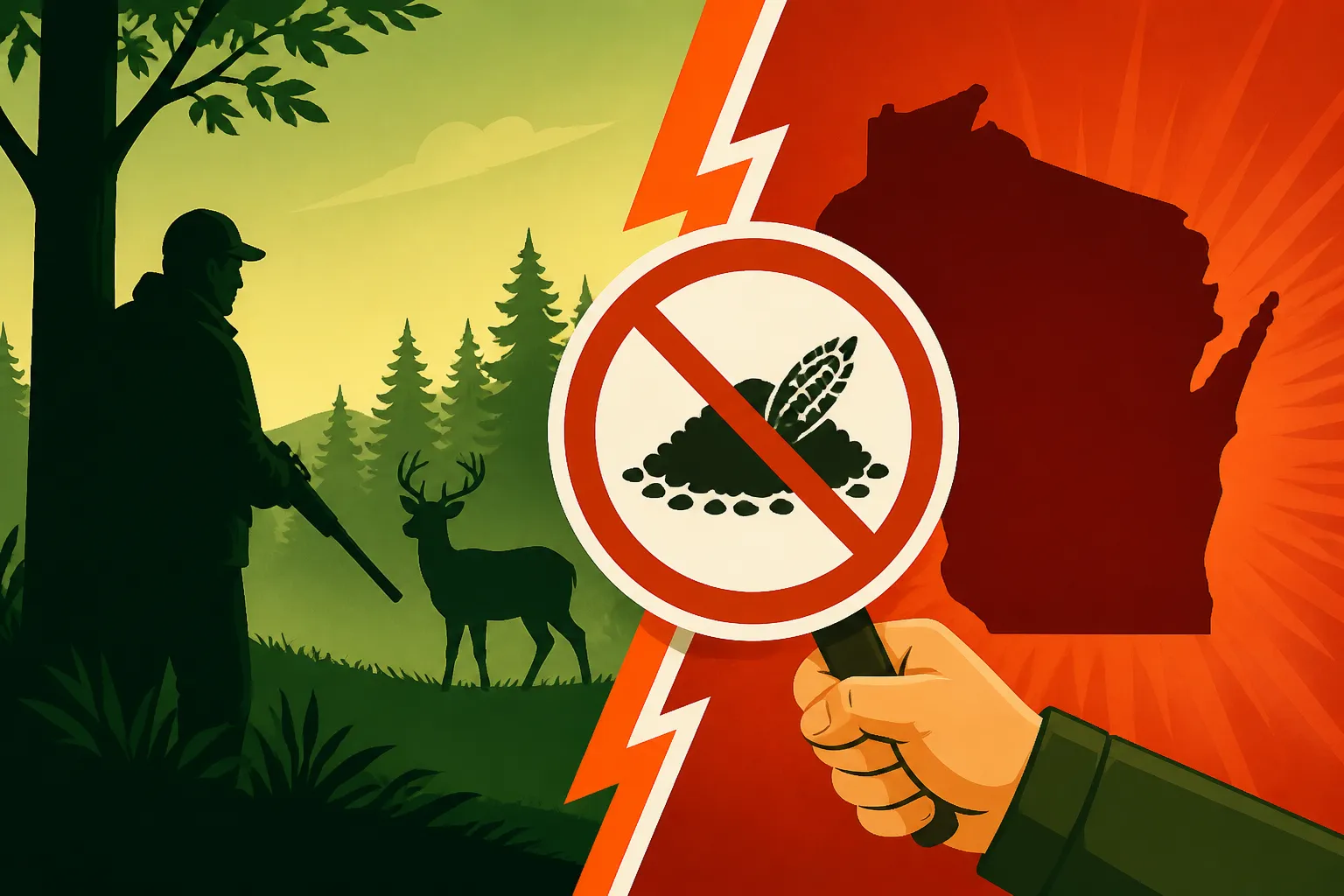
- Baiting specifically refers to placing food, salt, minerals, or other attractants to lure wild animals for the purpose of hunting. This means if you're putting out corn, apples, or a mineral block with the intention of shooting a deer over it, that's baiting. It’s a direct tactic to make an animal more accessible for harvest. The ban on baiting is directly linked to hunting activities.
- Feeding, on the other hand, refers to placing any material that consists of grain, fruit, vegetables, nuts, hay, or other food for consumption by wild animals, but not necessarily for hunting purposes. This might be someone putting out corn for wildlife viewing, or simply because they enjoy seeing deer in their yard. While seemingly innocuous, feeding can concentrate deer and other wildlife in close proximity, increasing the potential for disease spread, just like baiting.
The key distinction is often intent and timing, but in CWD-affected areas, both activities are typically prohibited because their biological impact on deer concentration and disease transmission risk is fundamentally similar. Hunters often feel a pinch here because even if they aren't hunting over a "feed pile," the presence of one nearby can draw deer away or alter their natural movement patterns.
Why the DNR Implemented Bans
The Wisconsin Department of Natural Resources (DNR) didn't implement these bans lightly; they are a direct response to the persistent and concerning threat of Chronic Wasting Disease. CWD is a fatal, neurological disease that affects deer, elk, and moose. It's caused by abnormal proteins called prions, which can be shed by infected animals through saliva, urine, and feces. These prions can persist in the environment for years, contaminating soil and vegetation.
The primary reason for the baiting and feeding bans is simple: disease mitigation. When deer gather in unnaturally high concentrations around a bait or feed site, the risk of CWD transmission skyrockets. An infected deer might rub its nose on a pile of corn, depositing infectious prions. Another deer then comes along, sniffs or eats that corn, and can contract the disease. This congregation also increases nose-to-nose contact, which is another known transmission route.
The DNR's goal is to reduce these high-concentration areas, thereby slowing the spread of CWD and protecting the overall health of Wisconsin's deer herd. It's a tough pill for many hunters to swallow, especially those in areas where baiting has been a long-standing tradition. However, the scientific consensus supports these measures as crucial tools in managing a disease that, currently, has no cure or vaccine. Understanding this underlying biological imperative helps explain why the rules are so strict and why they can change based on new CWD detections.
How a CWD Detection Triggers a Baiting Ban
The process by which a baiting ban is triggered in Wisconsin is quite specific and directly linked to the detection of Chronic Wasting Disease. It's not a random decision; it follows a defined protocol designed to contain and manage the disease's spread. This is often where hunters feel the most confusion, as a positive test in one area can have ripple effects far beyond that initial spot.
The Initial Detection: A Game-Changer for a County
The whole process kicks off with the detection of a CWD-positive wild deer. Most often, this happens when a hunter harvests a deer and voluntarily submits a sample for CWD testing at one of the designated CWD sampling and test sites across the state, or at a self-service kiosk. Sometimes, a deer showing symptoms of the disease might be reported by the public or collected by the DNR.
Once a positive test result comes back from the lab, that specific county is immediately declared a CWD-affected county. This detection triggers a mandatory baiting and feeding ban within its borders. This isn't a temporary measure; once CWD is detected in a wild deer within a county, the baiting and feeding ban becomes permanent. This means for counties like Dane, Iowa, and Sauk, which have had CWD for years, the ban is a constant reality. For hunters in these areas, adjusting to these rules has become part of their regular hunting practice. The immediate impact is that any bait piles, mineral blocks, or feed stations previously legal must be removed, and no new ones can be established. This shift often forces hunters to rethink their entire strategy, moving away from static ambush points to more dynamic still-hunting or scouting for natural food sources.
The "Two-Year Rule" for Adjoining Counties
One of the most impactful and often frustrating aspects of Wisconsin's baiting ban policy is the "two-year rule" for adjoining counties. This rule acknowledges that CWD prions don't respect county lines, and deer move between territories.
Here's how it works: If a CWD-positive deer is detected in a county, then all counties that directly border that CWD-affected county also become subject to a baiting and feeding ban. This ban in the adjoining counties lasts for a minimum of two years from the date of detection in the neighboring county. The logic is to create a buffer zone, preventing the potential spread of the disease from the known infected area into new, currently CWD-negative territories.
For instance, if CWD is detected in Columbia County, not only does Columbia County get a permanent ban, but its neighbors like Dodge, Dane, Green Lake, Marquette, and Sauk counties would all be subject to a two-year ban, unless they already have a permanent ban due to their own CWD detections. This can lead to a lot of head-scratching among hunters, especially if their county has no known CWD, but they suddenly find themselves under a ban because a deer turned up positive a county over. It highlights the interconnectedness of wildlife populations and the proactive, albeit sometimes inconvenient, nature of disease management. The challenge for hunters here is that these bans can pop up with relatively little advance warning if a new detection occurs, requiring quick adaptation.
What Happens After a Ban Is Triggered
Once a baiting and feeding ban is triggered, either permanently in a CWD-positive county or for two years in an adjoining county, the DNR works to inform the public. This typically involves updating the official DNR website, issuing press releases, and sometimes sending direct notifications to license holders in affected areas if they have opted for email alerts.
Hunters are then legally obligated to cease all baiting and feeding activities. Any existing bait or feed must be removed. This change often forces hunters to develop new strategies, focusing more on scouting, understanding deer travel patterns, and identifying natural food sources like acorns, brassicas, or late-season food sources for whitetails. For many, this means a return to more traditional hunting methods, which can be a steep learning curve but also incredibly rewarding. Tools like the Wisconsin Hunt Wild App become invaluable for checking current regulations and finding public land that might still be open to different strategies.
The goal is to prevent further congregation of deer around artificial attractants, thereby limiting the opportunities for CWD prions to spread. While challenging, this adaptive approach is crucial for maintaining a healthy deer herd in the long run.
| County Name | CWD Detection Status | Baiting/Feeding Ban Status | Primary Reason for Ban |
|---|---|---|---|
| Iowa County | CWD Positive | Permanent Ban | Direct CWD Detection |
| Dane County | CWD Positive | Permanent Ban | Direct CWD Detection |
| Sauk County | CWD Positive | Permanent Ban | Direct CWD Detection |
| Richland County | CWD Positive | Permanent Ban | Direct CWD Detection |
| Lafayette County | CWD Positive | Permanent Ban | Direct CWD Detection |
| Green County | CWD Positive | Permanent Ban | Direct CWD Detection |
| Columbia County | CWD Positive | Permanent Ban | Direct CWD Detection |
| Marquette County | CWD Negative (Currently) | 2-Year Ban Triggered | Borders Columbia & Dane Counties |
| Green Lake County | CWD Negative (Currently) | 2-Year Ban Triggered | Borders Columbia County |
| Dodge County | CWD Negative (Currently) | 2-Year Ban Triggered | Borders Columbia & Dane Counties |
| Jefferson County | CWD Negative (Currently) | 2-Year Ban Triggered | Borders Dane & Rock Counties |
| Rock County | CWD Positive | Permanent Ban | Direct CWD Detection |
Note: This table provides a generalized example based on the typical spread of CWD and associated bans. Actual current county statuses can vary and are regularly updated by the Wisconsin DNR. Always check the official DNR website for the most up-to-date information regarding your specific county.
Navigating Baiting Bans and Still Finding Success
When a baiting ban hits your hunting area, it can feel like someone just pulled the rug out from under your feet. Many hunters, myself included, have relied on baiting as part of their strategy, especially on smaller parcels or in areas where natural food sources are unpredictable. But here's the thing: deer were hunted successfully for centuries before baiting became common, and you absolutely can still find success without it. It just requires a shift in mindset and a renewed focus on fundamental hunting skills.
Adapting Your Hunting Strategy to Bait-Free Zones
The first step in a bait-free zone is to put away the corn and apples, and instead, pick up your binoculars and your understanding of deer behavior. Instead of waiting for deer to come to a pile, you need to go to where the deer naturally are.
This means a greater emphasis on:
- Scouting: This becomes paramount. Get out into the woods, especially before the season, but also during it. Look for fresh tracks, rub lines, scrape lines along a logging road, and bedding areas. Understanding the terrain and how deer move through it is critical. Consider scouting with the Wisconsin Hunt Wild App to identify potential hotspots on public land or areas with good cover and food.
- Reading the Landscape: Deer are creatures of habit and efficiency. They'll use natural funnels between two swamps, ridge points for deer movement, and dense cover for bedding. Instead of bait, focus on these natural choke points and travel corridors.
- Understanding Food Sources: What are deer eating naturally right now? Is it acorns, various forbs, agricultural crops like alfalfa or soybeans, or browse? As seasons change, so do a deer's dietary preferences. For example, during the late archery season, identifying late-season food sources for whitetails can be a game-changer. What replaced bait piles for Wisconsin hunters often boils down to a deep understanding of natural forage and transition areas.
- Still-Hunting and Drives: Without static bait sites, mobile hunting methods like still-hunting become much more effective. This involves moving slowly and deliberately through cover, looking for deer rather than waiting for them. For larger groups, carefully planned deer drives with three or four hunters can be incredibly successful, pushing deer towards standers.
It's a more active, engaging style of hunting, and while it demands more effort, the satisfaction of outsmarting a deer on its own terms is immense.
Utilizing Alternative Attractants and Scouting Techniques
While bait (food placed for hunting) is out, other methods of attracting or locating deer are often still permitted, depending on the specific regulations and the intent. You need to always double-check the current Wisconsin Baiting and Feeding Bans to be certain.
- Mineral Sites (Check Regulations Carefully): In some areas where only baiting is banned and not general feeding, certain mineral blocks might be allowed, but this is a gray area you need to verify with the DNR. Many bans cover both. If CWD is present, all types of attractants that concentrate deer are generally prohibited. Always assume mineral blocks are out unless explicitly stated otherwise for your specific zone.
- Food Plots Instead of Bait: This is a fantastic alternative for private land hunters. Establishing food plots, whether small kill plots or larger agricultural fields, provides natural, nutrient-rich forage that attracts deer and spreads them out, reducing congregation compared to a single bait pile. This is a long-term habitat management strategy that benefits the deer herd and your hunting success.
- Scents and Calls: Scent lures (doe estrus, buck urine, curiosity scents) and calls (rattling and grunting in Wisconsin) are generally legal and can be highly effective. During the rut, using a grunt call or rattling antlers can simulate deer interactions and draw in curious bucks. Just be mindful of how you handle scents to avoid direct contamination of the environment.
- Advanced Mapping and GPS Tools: Modern technology is your friend here. Apps like GoHunt or onX Hunt are invaluable for identifying property lines, topography, potential funnels, bedding areas, and access points on public land. You can mark sign, plan your approach, and minimize human disturbance. This digital scouting allows you to understand vast tracts of land before ever stepping foot in them, giving you a huge advantage in a bait-free environment. For instance, in the Driftless Area, understanding the entry routes on steep driftless ground and how wind and thermals in a coulee affect deer movement is crucial.
Staying Informed About Current Ban Status
The CWD situation in Wisconsin is dynamic, and consequently, so are the baiting and feeding regulations. What was allowed last year might not be this year, or a neighboring county might suddenly fall under a two-year ban.
- Official DNR Website is Your Bible: The absolute best source for the most up-to-date information is the Wisconsin DNR's official website. They maintain an interactive map and a list of all counties currently under baiting and feeding bans. Before every season, and even during, make it a habit to check the current status for your specific hunting county and any adjacent areas.
- Sign Up for Alerts: The DNR often offers email or text alerts for significant regulation changes. Signing up for these can provide timely updates directly to your inbox or phone.
- Understand Your Wisconsin Deer Management Zones: Familiarize yourself with the overall deer management zones and units, as these can influence how regulations are applied. A ban triggered in one area of a zone can impact the entire zone or adjacent units.
Staying proactive about understanding these regulations will save you from potential violations and ensure you're hunting ethically and legally. The DNR is trying to protect the herd, and by understanding and adhering to the rules, we as hunters play a vital role in that effort.
Disclaimer
The information provided in this article is intended for general guidance and informational purposes only. Hunting regulations in Wisconsin are subject to change by the Wisconsin Department of Natural Resources (DNR). It is the hunter's responsibility to consult the most current official Wisconsin hunting regulations and local ordinances before engaging in any hunting activities. Always verify specific rules and boundaries for baiting and feeding bans with the Wisconsin DNR directly to ensure compliance.