Meat Care Gear for Wisconsin Hunters
Many Wisconsin hunters feel the real work truly begins after the shot. The adrenaline rush of a successful harvest quickly gives way to the critical and sometimes daunting task of preserving your hard-earned venison, often under challenging conditions. From sweltering early archery days to frigid late-season sits, ensuring your meat makes it from the field to your freezer in prime condition requires not just effort, but the right gear and knowledge. This guide will walk you through everything you need to know about essential meat care gear for Wisconsin's diverse hunting seasons and environments.
The Unseen Hunt: Why Meat Care is Crucial for Wisconsin Hunters
Let's be honest, the moment you make that ethical shot, a new clock starts ticking. It's not just about getting the animal out of the woods anymore; it's about honoring the life taken by ensuring every ounce of usable meat is handled with the utmost care. This isn't just a suggestion; it's a fundamental part of responsible hunting, especially here in Wisconsin where conditions can change on a dime and regulations are in place to protect both public health and the deer herd itself.
From Field to Table: The Ultimate Respect for Your Harvest
For most of us, hunting isn't just a sport; it's a way to put natural, organic protein on the family table. That connection, from the wild landscape to your plate, is incredibly powerful. Proper meat care is the bridge that maintains that connection. Imagine the disappointment of putting in countless hours scouting, enduring cold mornings, and making a perfect shot, only to have the meat spoil due to improper handling. It’s a gut-wrenching feeling, and it’s entirely preventable. We strive for clean kills, and that commitment should extend all the way through to the freezer. It’s a testament to our respect for the animal and the resource.
This journey from field to table isn't just practical; it's deeply symbolic. It represents self-sufficiency, skill, and an appreciation for nature's bounty. When you meticulously care for your harvest, you're not just preserving food; you're preserving a memory, a story, and the essence of your hunting experience. The gear we discuss here isn't just a collection of tools; it's an investment in ensuring that every hunt culminates in delicious, wholesome meals that nourish your family and friends.
Think about the conversations around the dinner table, sharing a venison roast or a platter of backstrap with loved ones. Those moments are made possible by the care taken in the field. When you understand the "why" behind proper meat care, the "how" becomes much clearer and more purposeful. It's about maximizing yield, ensuring food safety, and upholding the integrity of the entire hunting process.
Wisconsin's Variable Weather: A Hunter's Biggest Challenge
Anyone who hunts in Wisconsin knows that the weather is a fickle beast. Early archery season in September and October can feel like a summer day, with temperatures soaring into the 70s or even 80s. These are the days when meat care becomes an urgent race against time. Bacteria multiply rapidly in warm conditions, and if you don't act fast, your hard-earned venison can be compromised before it even leaves the woods. This is where having a plan and the right gear, like specialized game bags and plenty of ice, is absolutely non-negotiable.
Then, just a few weeks later, you might be sitting in a treestand during the gun season with snow on the ground and temperatures hovering around freezing, or even dipping into the single digits. While cold weather offers a natural refrigeration benefit, it presents its own set of challenges. Hands get numb quickly, making delicate field dressing tasks difficult. Snow, ice, and wet conditions can also complicate the process, and protecting your meat from contaminants is still paramount. The extreme cold, however, is a huge advantage for delaying spoilage and allowing for proper aging.
The late archery and muzzleloader seasons can bring brutal cold, but also unexpected thaws. You need to be prepared for anything, from a warm, rainy November day to a deep freeze in December. This variability is why a comprehensive approach to meat care gear is so vital for Wisconsin hunters. You can't just have a "one-size-fits-all" solution; your kit needs to be adaptable to whatever Mother Nature throws your way. Being prepared for these fluctuations means less stress and a higher quality product at the end of your hunt.
Understanding Disease Prevention and Regulations
Beyond temperature concerns, Wisconsin hunters must also be mindful of wildlife diseases, most notably Chronic Wasting Disease (CWD). The presence of CWD in certain parts of the state means that specific precautions and regulations apply, particularly regarding carcass movement and testing. While CWD isn't known to be transmissible to humans through consumption, many hunters choose to have their deer tested, and proper handling reduces the risk of spreading the disease to new areas.
The Wisconsin DNR provides detailed guidelines on Wisconsin Carcass Movement Restrictions and encourages Wisconsin CWD Testing for Hunters. This means your meat care practices extend beyond basic hygiene to include strategies for minimizing the spread of potential pathogens. For example, if you harvest a deer in a CWD-affected county and plan to transport it across county lines, specific parts of the carcass must be removed before transport. This makes tools like bone saws and even specialized methods like the "gutless method" incredibly important for compliance and responsible hunting.
Understanding these regulations and incorporating them into your meat care routine isn't just about avoiding fines; it's about being a responsible steward of Wisconsin's deer herd. Your gear should facilitate these practices, allowing you to comply with regulations while still efficiently processing your animal. A well-equipped hunter is a responsible hunter, ensuring the long-term health of our wildlife and the integrity of our hunting traditions.
Essential Field Dressing Kit: Tools for the Moment of Truth
The moment your deer hits the ground, the clock starts. Having the right tools immediately at hand can make all the difference in preserving the quality of your meat. A well-prepared field dressing kit is indispensable for any Wisconsin hunter. This isn't a collection of luxuries; it's a necessity for ethical and efficient meat handling, allowing you to perform the initial, most critical steps quickly and cleanly, regardless of where your animal falls.
Knives and Sharpening Systems: The Foundation
A sharp knife is not just a preference; it's a safety and efficiency requirement. Trying to field dress an animal with a dull blade is frustrating, dangerous, and makes for a messy job. You'll want at least one good, fixed-blade knife with a comfortable grip. Many hunters prefer a blade length between 3 and 5 inches, offering a good balance of control and reach. Some opt for specialized gut-hook knives or caping knives, but a single, well-designed drop-point or skinning knife can handle most tasks. Make sure it's easy to clean, as sanitation is paramount.
Carrying a portable sharpening system is just as crucial as the knife itself. Whether it's a small ceramic stick, a diamond sharpening card, or a pull-through sharpener, being able to touch up your blade in the field will save you immense frustration. A truly sharp knife glides through hide and tissue, reducing strain and the risk of accidental cuts. Many experienced hunters will perform a quick touch-up even before heading out, ensuring their primary blade is razor-sharp from the start.
Beyond your primary knife, some hunters also carry a smaller utility knife or even a replaceable-blade utility knife like those offered by brands such as Havalon or Outdoor Edge. These offer surgical precision for tasks like caping or removing silver skin, and the ability to simply swap a dull blade for a new one saves time and hassle in the field. Ultimately, invest in quality blades that hold an edge, and always, always keep them sharp. Check out our guide on Field Dressing Knives Worth Carrying for more detailed recommendations.
Gloves and Sanitation Supplies: Staying Clean and Safe
This might seem obvious, but you’d be surprised how many hunters overlook the importance of proper hand protection and hygiene in the field. Carrying several pairs of disposable, non-latex gloves (the longer, shoulder-length obstetrical gloves are fantastic for keeping your arms clean) is absolutely essential. Not only do they protect your hands from blood and other bodily fluids, but they also prevent the transfer of bacteria from your hands to the meat. This is particularly important if you're working on an animal in a CWD zone, as it helps minimize contact with potentially infectious materials.
Beyond gloves, a small bottle of hand sanitizer or even some antiseptic wipes should be part of your kit. After field dressing, you’ll want to clean up your hands before handling other gear or food. Some hunters also carry a small spray bottle with a diluted bleach solution or a specialized game cleaning spray for quick tool sterilization in the field, though a thorough cleaning will happen later. The goal here is simple: keep yourself and your meat as clean as possible from the very first cut.
A roll of paper towels or a dedicated small rag can also be incredibly useful for wiping down knives, hands, or even the inside of the body cavity. This attention to cleanliness, while perhaps not glamorous, directly impacts the quality and safety of your venison. It's a small investment in supplies that yields significant returns in terms of hygiene and peace of mind.
Bone Saws and Gutting Tools: Making the Job Easier
While a good knife handles most tasks, a compact bone saw can be a game-changer, especially for larger deer or specific processing methods. A small hand saw allows you to easily cut through the sternum for easier access to the internal organs, and it's indispensable if you plan on quartering your animal in the field. This is particularly relevant if you're deep in public land, far from your vehicle, or if you're subject to CWD carcass movement restrictions that require you to de-bone an animal before leaving the county.
Beyond traditional saws, some hunters swear by specialized gutting tools that aid in opening the abdominal cavity without puncturing intestines, or tools designed for pelvic bone splitting. These can speed up the process and reduce the risk of contamination from stomach or intestinal contents. While not strictly necessary for every field dress, they can certainly simplify the task for those who prefer them or are working on large-bodied deer.
For those venturing into very remote areas, or those committed to the gutless method, a dedicated bone saw or even a small hatchet can make quick work of breaking down an animal into manageable pieces. This strategic use of tools ensures that you’re not over-exerting yourself or making compromises on meat quality simply because you lack the right equipment for a particular situation. Consider these specialized tools as an upgrade to your basic kit, designed to tackle more demanding scenarios.
| Item | Purpose | Notes |
|---|---|---|
| Fixed Blade Knife | Primary cutting, skinning, initial breakdown | 3-5 inch blade, easy to clean, durable |
| Sharpening System | Maintain blade sharpness in the field | Portable ceramic rod, diamond plate, or pull-through |
| Disposable Gloves | Hygiene, prevent contamination | Non-latex, shoulder-length preferred for full protection |
| Hand Sanitizer/Wipes | Quick cleanup for hands and small tools | Alcohol-based sanitizer or antiseptic wipes |
| Bone Saw (folding) | Sternum splitting, quartering, pelvic bone | Compact, sturdy, sharp teeth for bone |
| Game Bags (ventilated) | Protect meat from dirt, insects, and drying out | Breathable, washable, essential for cooling |
| Rope/Paracord | Hanging game for cooling, dragging assistance | Strong, lightweight, useful for a variety of tasks |
Transporting Your Game: Getting it From the Woods to Your Vehicle
You’ve successfully field dressed your deer; now comes the equally important task of getting it out of the woods and into your vehicle. This can be one of the most physically demanding parts of the hunt, especially if you’re hunting remote sections of the Chequamegon-Nicolet National Forest Hunting or navigating the steep ridges and coulees of the Driftless Area Deer Hunting in Wisconsin. Proper transportation gear not only saves your back but also continues the critical process of protecting and cooling your valuable meat.
Deer Sleds, Carts, and Game Carriers: Hauling Heavy Loads
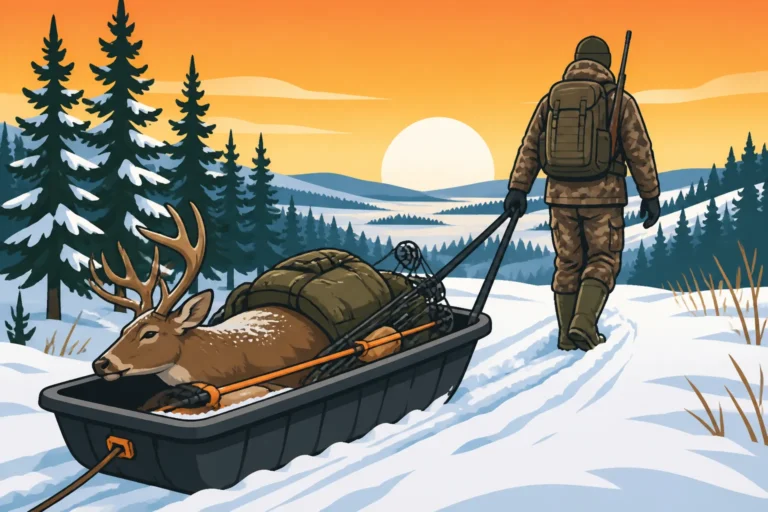
Dragging a whole deer, especially a mature Wisconsin buck, can be an exhausting endeavor, particularly over long distances or challenging terrain. This is where a quality deer sled or game cart truly shines. A durable plastic deer sled allows the animal to slide more easily over snow, leaves, or even rocky ground, reducing friction and making a two-person drag much more manageable. They're lightweight, relatively inexpensive, and can be a lifesaver in dense cover or across vast tracts of public land.
For those hunting flatter ground, like much of Hunting Wisconsin Farmland Deer country, a sturdy game cart with pneumatic tires can haul a whole deer with surprising ease. These carts typically feature a strong frame, large wheels that can navigate bumps and mud, and straps to secure the animal. They keep the carcass off the ground, reducing contamination, and can be easily pulled by one or two hunters. The larger, sturdier models can handle multiple animals or even quartered game along with your packs.
More advanced options include specialized game carriers or even ATV/UTV attachments for those with motorized access on permitted trails. The key is to choose equipment that matches the terrain you hunt most often and the distance you typically need to transport your animal. Investing in a good hauling solution minimizes physical strain and helps maintain the integrity of your harvest by getting it out of the field quickly and efficiently. Our guide on Deer Sleds for Snow Country or Deer Carts on Forest Roads might offer more specific advice.
Game Bags and Quartering Gear: Protecting Your Meat
Once you’ve field dressed your animal, especially in warmer weather, getting air to the carcass is paramount for cooling. But you also need to protect the meat from insects, dirt, and debris during transport. High-quality, breathable game bags are absolutely essential. These aren't just glorified pillowcases; they are typically made from a durable, lightweight, breathable fabric that allows air circulation while keeping flies and other contaminants off the meat. They also help prevent a hard crust from forming on the surface, which can lead to unnecessary trim loss during butchering.
If you’re hunting deep in the backcountry or targeting a large animal like a bear, quartering the animal in the field might be your best option. This means breaking the animal down into its primal cuts – typically the two front shoulders, two hind quarters, and the backstraps and tenderloins. Each of these sections then goes into its own game bag. This not only makes the load much lighter and easier to carry out on your back, potentially with a frame pack, but it also allows the individual meat sections to cool much faster.
Having a dedicated "quartering kit" – which would include your sharpest knives, a bone saw, and plenty of game bags – is a smart move for longer excursions or when hunting in unseasonably warm conditions. Good game bags, often reusable and washable, are a cornerstone of effective meat care, providing protection and promoting rapid cooling from the moment the animal is broken down. Read more about Game Bags for Warm September Days.
Vehicle Preparation: Keeping it Clean and Cool
The final leg of transportation, getting your deer from the field to your processing area, usually involves your vehicle. This step is often overlooked, but proper vehicle preparation is crucial to keeping your meat clean and cool, and your vehicle from becoming a bloody mess. First, lay down a heavy-duty tarp or plastic sheeting in the bed of your truck or the cargo area of your SUV. This creates a barrier that contains blood and fluids, making cleanup infinitely easier. You absolutely do not want blood soaking into your vehicle's carpet or upholstery.
If temperatures are warm, even for the short drive home, having a cooler packed with ice ready to go is vital. For a whole deer, this might mean simply placing bags of ice directly into the body cavity, ensuring it's not sealed up, to allow cold air to circulate. For quartered game, you can pack the bagged meat directly into large coolers, layering it with ice. Remember, ice doesn't just chill; it actively pulls heat out of the meat. Ensure any drain plugs are open on your coolers to prevent the meat from sitting in icy water, as this can degrade its quality.
Before loading the animal, ensure any remaining debris or dirt is brushed off the hide. If using a truck bed, consider having a mesh tarp to cover the deer during transport. This prevents road grime, dust, and any other contaminants from settling on your prize. This attention to detail during vehicle transport completes the initial phase of meat care, setting you up for successful processing at camp or home.
Processing and Initial Storage at Home or Camp
Once your harvest is out of the woods and back to your base of operations, the next critical phase begins: proper processing and initial storage. This is where you transform the field-dressed carcass into usable cuts of meat ready for the freezer, and it demands its own set of specialized gear to ensure efficiency, cleanliness, and quality. Whether you’re at a rustic deer camp or your garage at home, having the right setup makes all the difference.
Coolers and Ice Management: Crucial for Early Season
When the temperatures are mild during early archery season or even a warm gun season opener, rapid and sustained cooling of your deer is paramount. While field dressing and hanging are good first steps, simply relying on ambient air might not be enough. This is where a strategic approach to coolers and ice management comes into play. For quartered deer, large coolers become your temporary refrigerators. Pack the bagged meat tightly with plenty of ice, ensuring that the meat isn't submerged in water by either opening the drain or using ice packs that don't melt into liquid.
If you've brought the deer back whole, and especially if you plan to hang it for a day or two to cool, you'll still need to manage its internal temperature. Bags of ice placed inside the chest cavity can help drive down the core temperature, especially in the thickest parts of the animal. Just ensure there's still airflow if it's hanging. For longer-term cooling or larger animals, some hunters will even pack large commercial coolers full of ice and submerge quartered or deboned meat (still in game bags) for several days. This is an excellent method for rapid cooling and can buy you precious time, particularly if you can't immediately proceed to butchering.
Investing in quality coolers that hold ice for extended periods, like those from popular brands, will pay dividends. This isn't just about keeping beer cold; it's about preserving hundreds of dollars worth of organic protein. A detailed plan for Coolers for an Early Archery Kill is a must for any hunter venturing out in September or October.
Hoists and Gambrels: Making the Hang Easier
Unless you’re exclusively processing deer using the gutless method right there on the ground, you'll likely want to hang your animal for skinning, butchering, and often, initial cooling or aging. Trying to hoist a heavy deer manually is not only difficult but also risky. A sturdy gambrel and a reliable hoisting system are essential pieces of gear. A gambrel is a spreader bar, typically metal, that hooks into the deer's hindquarters (usually the Achilles tendons), allowing the animal to hang upside down. This position makes it far easier to work on, from skinning to evisceration, allowing gravity to assist.
To get the deer up, a simple rope and pulley system can work wonders. Many hunting camps have a dedicated tree or a sturdy beam in a shed with a pulley already rigged. Portable gambrel and hoist kits are also available, often including a rope, pulleys, and a gambrel, making them perfect for hunters who process at home or move between different camps. The mechanical advantage of a pulley system means even a single hunter can often hoist a substantial deer with relative ease.
Properly hanging the deer promotes better cooling as air can circulate around the entire carcass. It also keeps the animal off the ground, reducing contamination. Whether you're skinning immediately or allowing the animal to hang for a few days to age (which we’ll discuss later), a reliable hoist and gambrel system is fundamental for ergonomic and hygienic processing. It minimizes strain and maximizes efficiency.
Butchering Kits and Workspaces: Breaking Down the Carcass
Once your deer is cooled, it's time to transform it from a carcass into freezer-ready cuts. While some hunters send their deer to a professional processor, many prefer the satisfaction and control of doing it themselves. For this, a dedicated butchering kit and a clean, organized workspace are essential. A good butchering kit often includes a variety of specialized knives: a skinning knife, a boning knife (flexible blade for separating meat from bone), and a larger breaking knife for primal cuts. Again, sharpness is paramount, and a good steel or sharpening stone should be part of the kit.
Beyond knives, you’ll need a large, clean cutting surface. Food-grade plastic cutting boards or stainless steel tables are ideal, as they are non-porous and easy to sanitize. Avoid using porous wood surfaces that can harbor bacteria. Other useful tools include a meat saw (often larger than a field saw) for cutting through bone, a meat grinder for making burger or sausage, and proper packaging materials like butcher paper, freezer bags, or a vacuum sealer.
Setting up an efficient workspace involves good lighting, easy access to water for cleaning, and enough room to move around the carcass and cutting table comfortably. Many hunters convert a garage or shed into a temporary processing area, laying down tarps to contain mess and having designated bins for trim, bones, and finished cuts. Taking the time to set up a clean, organized, and well-equipped butchering station makes the process smoother, safer, and ultimately more rewarding. Our guide on Butchering a Deer at Camp can provide even more detail.
Conquering the Elements: Meat Care in Tough Wisconsin Conditions
Wisconsin's diverse climate, from humid early autumn to bitter late-season cold, means hunters must be prepared for a variety of challenges in meat care. The methods and gear you deploy will drastically change depending on the weather conditions and the remoteness of your hunting spot. Being proactive and having a contingency plan for difficult situations can salvage a hunt and ensure your meat remains top quality.
Warm Weather Strategies: Beating the Heat
This is arguably the most critical scenario for meat care in Wisconsin. Early archery season can present daytime temperatures that climb into the 70s or 80s, creating an ideal environment for bacterial growth. If you harvest an animal on a warm day, speed is your number one priority. Field dress immediately and thoroughly. Remove all internal organs, and if possible, wipe out the cavity with a clean cloth. Getting the hide off as quickly as possible is the next crucial step, as the hide acts as an insulator, trapping heat.
After field dressing and possibly skinning, focus on cooling. If you're near a vehicle, pack the body cavity with ice, ensuring good airflow around the animal if it's whole, or quarter the animal and place bagged meat into coolers filled with ice. Don't let the meat sit in melted ice water. Some hunters even carry a small, battery-operated fan to place near the hanging carcass to aid air circulation and cooling. Think proactive—the moment the animal is down, the clock is ticking, and every minute counts towards preserving quality. The "gutless method," where the deer is deboned in the field without opening the body cavity, can be particularly effective in warm weather if you plan to pack the meat out immediately into ice-filled coolers.
Remember that muscle meat cools faster when it's broken down into smaller pieces. If you're far from your vehicle and the temperature is high, seriously consider quartering your deer and getting those individual, bagged pieces into a cooler with ice as soon as possible. This rapid heat extraction is vital to prevent spoilage and souring.
Remote Backcountry Hunts: Planning for the Deep Woods
Hunting the vast tracts of the Northern Forest Deer Density in Wisconsin or deep in county forests often means you'll be miles from your truck. Hauling a whole deer out of these remote areas is a monumental task, especially if the terrain is rugged. This is where the concept of a field-quartering kit becomes essential. Your pack should include robust game bags, a sharp boning knife, a bone saw, and perhaps a lightweight frame pack. The goal is to debone the animal and pack out the meat, leaving the hide and skeletal structure behind (check local regulations on leaving carcasses).
When field-quartering, sanitation is still paramount. Lay a clean tarp or plastic sheet on the ground to place your meat on as you work, keeping it off the dirt and debris. Bag each quarter separately, and be sure to collect all the valuable cuts like backstraps and tenderloins. Once bagged, these smaller, lighter packages are much easier to carry out on foot. The lighter load reduces your exertion, allowing for a quicker exit from the woods, which in turn benefits meat quality. Using a GPS mapping app like GoHunt's robust platform can also help you navigate back to your vehicle efficiently, further saving critical time.
Upon reaching your vehicle, immediately transfer the bagged meat into coolers packed with ice. Having a pre-staged cooler in your truck is a smart move for any remote hunt. The strategy here is about minimizing time between harvest and active cooling, making a remote harvest just as successful in terms of meat quality as one closer to home. Planning for this level of detail before you even step foot in the woods can make or break a remote hunt.
Handling CWD Concerns: Specific Precautions
Chronic Wasting Disease (CWD) is a serious concern for Wisconsin hunters, particularly in affected counties. While not known to be transferable to humans, many hunters choose to take precautions and comply with specific regulations regarding carcass handling. If you're hunting in a CWD-affected area, your meat care gear and practices need to reflect this. The primary goal is to minimize the spread of CWD prions and to comply with DNR rules on carcass movement.
One common precaution is to minimize the removal of the brain and spinal column from the carcass in the field, as these are the tissues with the highest concentration of CWD prions. This often means employing the "gutless method" to debone the animal in the field, leaving the skull and spine intact at the kill site (again, verify local regulations regarding this practice). If you do need to remove the head, ensure you have appropriate bags and knowledge of where to dispose of it safely or take it for CWD testing. Your Wisconsin CWD Testing for Hunters options are important here.
For hunters who transport the whole carcass, understanding Wisconsin Carcass Movement Restrictions is critical. You may need to remove all brain and spinal column material before crossing county lines. This requires having a bone saw capable of cutting through the spine or hip bones, and a clean, designated area for doing so. Even your gloves and tools should be cleaned and sanitized thoroughly after handling a CWD-positive animal, or any animal from a CWD zone, to prevent accidental transfer of materials. Taking these steps demonstrates responsibility and contributes to the ongoing management of this disease in Wisconsin’s deer herd.
Beyond the Basics: Advanced Preservation and Storage
While the initial field care and basic processing are vital, truly maximizing the quality and longevity of your venison often involves more advanced preservation and storage techniques. These methods not only ensure your meat stays fresh longer but can also enhance its flavor and tenderness, making those hard-earned meals even more enjoyable throughout the year.
Vacuum Sealers and Freezing Techniques
Once your venison is cut and trimmed, how you package it for the freezer significantly impacts its quality over time. The biggest enemy of frozen meat is freezer burn, which occurs when air comes into contact with the meat, causing dehydration and a degradation of flavor and texture. This is where a good vacuum sealer becomes an invaluable tool. By removing all the air from the package, a vacuum sealer creates an airtight seal that dramatically extends the freezer life of your meat, often for well over a year without any noticeable loss of quality.
When freezing, aim for rapid freezing. Place smaller, flatter packages in the coldest part of your freezer, allowing them to freeze quickly. This helps prevent large ice crystals from forming, which can damage meat fibers and lead to a mushy texture upon thawing. Label every package with the type of meat (e.g., "backstrap," "ground deer"), the date, and the year of harvest. This helps you rotate your stock and ensures you’re eating the freshest meat first.
While vacuum sealing is highly recommended, if you don't have a sealer, wrap your meat tightly in plastic wrap, then an outer layer of freezer paper or heavy-duty freezer bags. The goal is to minimize air exposure. Double-wrapping can significantly help in this regard. Properly packaged and frozen venison is a gift that keeps on giving, allowing you to enjoy the fruits of your labor long after the hunting season has ended.
Dehydrators and Smokehouses: Adding Flavor and Longevity
Beyond freezing, there are other fantastic ways to preserve venison that also impart incredible flavor. Dehydrators are excellent for making venison jerky, a lean, protein-packed snack perfect for future hunts or just for enjoying at home. The process involves slicing lean meat thin, seasoning it, and slowly drying it at a low temperature until it's pliable but firm. This removes moisture, making the meat shelf-stable for long periods. You can experiment with various marinades and spice rubs to create your signature jerky.
Smokehouses, whether a dedicated outdoor unit or a smaller electric smoker, open up a world of possibilities for venison. Smoking not only adds a rich, savory flavor but also acts as a preservative. You can smoke venison roasts, sausage, or even create smoked snack sticks. Cold smoking, where the meat is exposed to smoke but not heat, can be used to preserve certain cuts, while hot smoking cooks and flavors simultaneously. Ensure you understand proper smoking techniques, especially regarding internal temperatures, to ensure food safety.
These methods are an investment in time and equipment, but they offer delicious rewards. Processing your own game allows for incredible culinary creativity, turning simple venison into gourmet treats. It's another way to show respect for the animal and make the most of every ounce of meat. Consider experimenting with these techniques to expand your repertoire beyond just freezing.
Aging Venison: Enhancing Tenderness and Taste
Aging venison is a practice that can significantly enhance its tenderness and flavor, much like aging beef. The process involves hanging the field-dressed (and preferably skinned) carcass in a controlled environment – typically between 34 and 40 degrees Fahrenheit (1-4 degrees Celsius) – for a period of several days to two weeks. During this time, natural enzymes within the meat begin to break down connective tissues, leading to a more tender product. It's a delicate balance, as too long or too warm an environment can lead to spoilage.
Successful aging requires consistent cold temperatures and good air circulation. Many hunters use a walk-in cooler, a dedicated climate-controlled shed, or even a garage during consistently cold weather (think late November through December in Wisconsin). The exterior of the meat will form a "crust" during aging, which should be trimmed off during butchering. The longer you age, the more pronounced the tenderness and often a richer flavor. However, the exact duration depends on the animal's age, the initial health of the animal, and the precise temperature and humidity of your aging environment.
For those who don't have ideal aging conditions, even a few days of proper cooling and hanging can make a difference. If you can't control the temperature precisely, it's safer to process quickly rather than risk spoilage. But for those with the means, exploring Aging Venison in Cold Weather can elevate your venison to another level of culinary excellence. It's a rewarding extra step for the dedicated hunter.
Keeping Your Gear Ready: Maintenance and Organization
Having the right gear is only half the battle; keeping it clean, sharp, and organized ensures it's ready when you need it most. After all the effort put into harvesting and processing, neglecting your meat care tools would be a shame. Proper maintenance not only prolongs the life of your equipment but also guarantees hygiene and efficiency for every future hunt.
Cleaning and Sanitizing Your Tools
Immediately after use, every piece of your meat care gear needs thorough cleaning. Blood and meat residue, if left to dry, become incredibly difficult to remove and can harbor bacteria. Start by rinsing all knives, saws, and other tools under cold water to remove the bulk of organic material. Hot water can "cook" the blood onto the surface, making it harder to clean initially. Once the visible residue is gone, wash everything with hot, soapy water, scrubbing thoroughly.
For an extra layer of sanitation, especially for knives and cutting surfaces, a diluted bleach solution (about 1 part bleach to 10 parts water) or a food-grade sanitizer can be used. Allow tools to air dry completely or dry them with a clean cloth before storing. Game bags should be washed separately, preferably on a sanitize cycle in your washing machine, then air-dried. Cooler interiors should be scrubbed with soap and water, rinsed, and left open to air dry to prevent mold and mildew growth.
This diligent cleaning routine isn't just about aesthetics; it's about food safety. Contaminated tools can transfer bacteria to fresh meat, undoing all your hard work. Establish a cleaning ritual after every use, and your gear will always be ready for the next successful hunt.
Sharpening and Repairing for Next Season
A dull knife is a dangerous knife, and a broken tool is useless. As part of your post-season maintenance, inspect all your meat care gear for wear and tear. Are knife blades chipped or dull? Does your bone saw have any bent teeth? Are your game bags torn? Address these issues promptly. Take the time to properly sharpen all your knives, ensuring they're razor-sharp before putting them away for the off-season. This way, you're not scrambling to sharpen them the night before opening day.
Check your hoist and gambrel system for any frayed ropes, rusted pulleys, or bent metal. Replace or repair components as needed. Lubricate any moving parts to prevent corrosion. Inspect your deer sled or cart for cracks, broken wheels, or worn straps. Proactive repairs save you from frustrating breakdowns in the field when you least expect them. Consider Field Dressing Knives Worth Carrying for tips on maintaining their edge.
Even items like tarps and cutting boards need inspection. A small crack in a cutting board can harbor bacteria. Addressing these minor repairs and performing preventative maintenance ensures your entire meat care system is in top working order, ready to perform flawlessly when the time comes. This dedication to gear care is an extension of your commitment to ethical hunting and responsible meat handling.
Storing Gear Safely and Systematically
Once clean, sharp, and repaired, proper storage is the final step in maintaining your meat care gear. Store knives in sheaths or knife blocks to protect their edges and prevent accidental injury. Keep smaller items like gloves, sharpening stones, and sanitizers in a dedicated, easily accessible kit or box. A large plastic tote is often ideal for storing all your meat care essentials together, protecting them from dust, moisture, and pests.
Ensure that all gear is stored in a dry, cool place. Humidity can lead to rust on metal components, and extreme heat can degrade plastics or rubberized grips. Organize your gear logically. Perhaps one tote for field dressing tools, another for butchering and packaging, and larger items like sleds or coolers in their designated spots. This systematic approach saves you time and frustration when you're preparing for a hunt. When you’re packing for the first hunt of the year, knowing exactly where everything is and that it's in perfect condition brings immense peace of mind.
By dedicating a bit of time to maintenance and organization, you're not just caring for your gear; you're investing in the success and enjoyment of all your future Wisconsin hunts. It's about respecting the process, from the first shot to the last meal, and ensuring that every part of the hunting experience is as rewarding as possible.
Disclaimer
This article is for general informational purposes only and does not constitute professional advice. Laws, prices and regulations vary by location and change over time. Consult a qualified professional for guidance on your specific situation.