Why CWD Prevalence Keeps Climbing
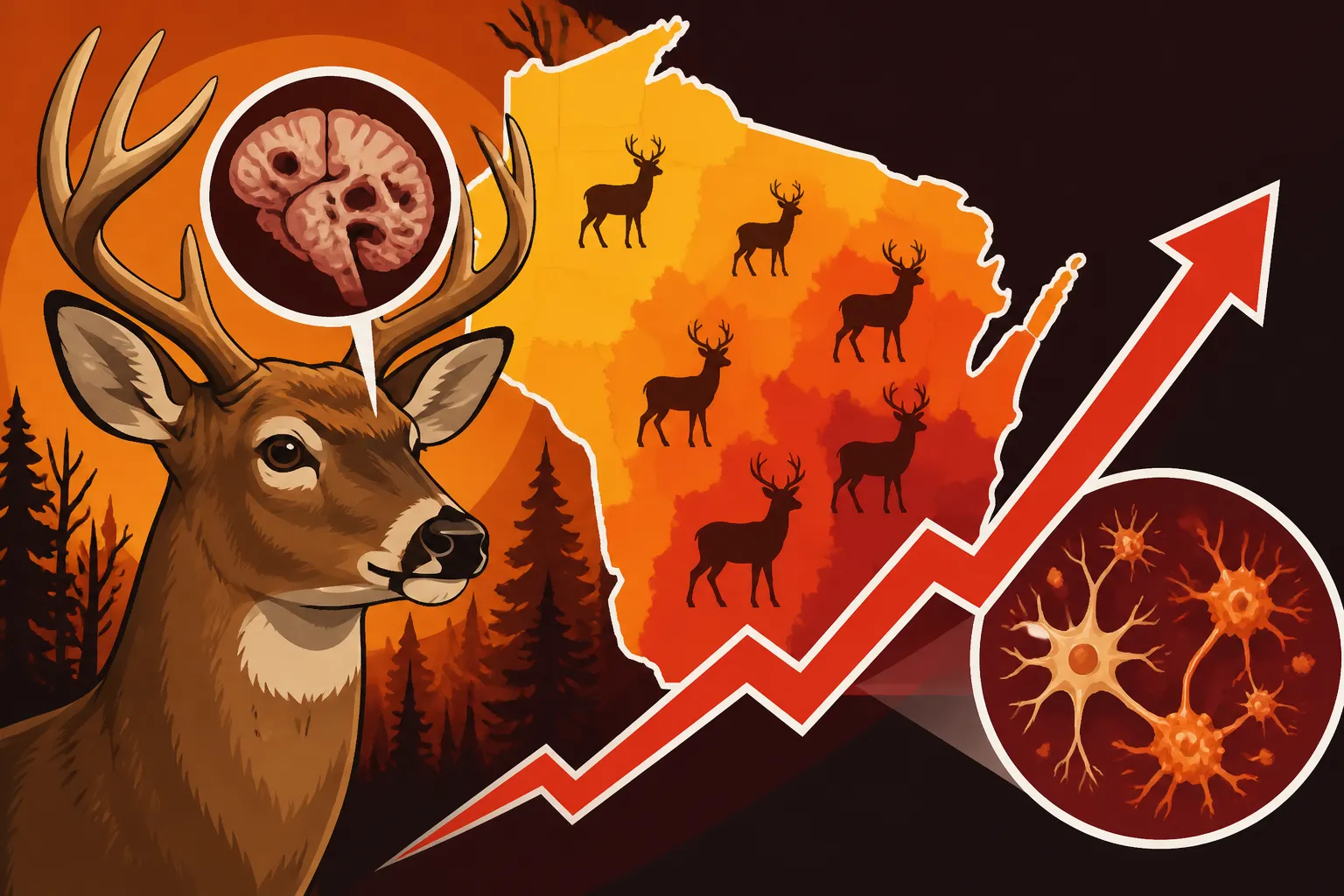
It's a frustrating reality for many Wisconsin hunters: despite years of effort, the shadow of Chronic Wasting Disease (CWD) seems to be growing longer, not shorter. The question on everyone's mind is, "Why?" This guide aims to delve into the complex, often disheartening reasons behind the climbing prevalence of CWD in our cherished Wisconsin deer herd, offering a clearer picture of this persistent challenge and what it means for the future of hunting in our state.
Understanding CWD: A Persistent Threat
For over two decades, Chronic Wasting Disease has been a specter haunting Wisconsin's deer woods. It's a topic that brings out a mix of concern, confusion, and sometimes, a bit of despair among hunters and wildlife managers alike. Understanding this insidious disease is the first step in grappling with its increasing presence.
What Exactly is CWD?
CWD is a neurological disease affecting deer, elk, and moose. It's caused by abnormal proteins called prions, which are highly resistant to degradation and cause progressive degeneration of the brain. Think of it like a slow, irreversible wasting away. Deer infected with CWD might appear healthy for a long time, but eventually, they show classic symptoms like drastic weight loss, stumbling, drooling, and a general lack of fear of humans. It's truly a heartbreaking sight to witness. The scary part is that it's always fatal, and there is no known cure or vaccine. This unique nature of prions – not being a living organism like a virus or bacteria – makes it incredibly difficult to combat, leaving many hunters feeling a profound sense of helplessness. It's not just a deer dying; it's a fundamental threat to the health of the herd and, potentially, the future of deer hunting as we know it.
Where CWD Was First Detected in Wisconsin
The discovery of CWD in Wisconsin back in 2002 sent shockwaves through the hunting community. It was first identified in the southwestern part of the state, specifically in Dane, Iowa, and Rock counties. Before that, it felt like something distant, a problem for other states out west. Suddenly, it was on our doorstep. The initial response was intense, with widespread testing and drastic measures aimed at containment. Over the years, despite significant efforts and resources poured into surveillance and management, the disease has continued its slow, relentless march, spreading to more counties and increasing in prevalence within established zones. If you've been a hunter in Wisconsin for a while, you remember the fear and uncertainty that came with those early reports, and unfortunately, that feeling hasn't entirely faded as we learn more about How CWD Spread Across Southern Wisconsin and beyond.
The Complex Factors Driving CWD's Spread
It's not just one thing. The climbing prevalence of CWD in Wisconsin is a multifaceted problem, a perfect storm of biological realities, environmental challenges, and even human actions, both intentional and unintentional. It's a tough pill to swallow, but facing these factors head-on is crucial for understanding why we're in this situation.
Deer Density and Movement
One of the most significant drivers of CWD spread is simply the number of deer we have and how they interact. When deer densities are high, especially in areas with abundant food sources, there's more direct deer-to-deer contact. Think of it like a crowded room where a cold can spread rapidly. Infected deer shed prions through saliva, urine, and feces. More deer in close proximity means more opportunities for these prions to be transmitted directly or indirectly.
Furthermore, deer are not static creatures; they move. Bucks travel extensively during the rut, often covering miles to find does. Does also have home ranges, but populations can expand, and individual deer can disperse, especially younger animals seeking new territories. While tools like the Wisconsin Hunt Wild App can help us understand land boundaries and features, and even sophisticated mapping services from providers like GoHunt give us an incredible advantage in scouting terrain, they can't track every individual deer's movement or predict exactly where prions might be deposited. This natural movement acts as a slow, biological conveyor belt, gradually introducing the disease to new areas, even if only a few deer carry it initially. Understanding Wisconsin Deer Population Estimate and density in your hunting area is vital for appreciating this aspect of CWD spread.
Environmental Persistence of Prions
This is perhaps the most frustrating and challenging aspect of CWD. Unlike viruses or bacteria, prions are incredibly resilient. They aren't living organisms that can be killed. Instead, they are misfolded proteins that are extremely stable and resistant to heat, cold, desiccation, and even common disinfectants. This means that once an infected deer sheds prions into the environment – through saliva on browse, urine in the soil, or feces in a bedding area – those prions can remain infectious in the soil for years, possibly even decades.
Imagine a deer dying of CWD in a specific bedding area or near a favorite food plot. Even after the carcass is gone, the soil can become contaminated with infectious prions. Other deer can then pick up these prions simply by foraging in that area, ingesting contaminated soil, or eating plants that have absorbed prions. This environmental reservoir is what makes CWD so incredibly difficult, if not impossible, to truly eradicate once it takes hold. It's like trying to sweep up invisible dust that never quite goes away, leaving many hunters with a feeling of fighting an invisible, relentless enemy.
Human-Assisted Spread (Baiting, Carcass Movement)
While natural deer behavior and environmental persistence are huge factors, we as hunters also play an unwitting role in the spread of CWD. One of the most contentious issues in Wisconsin hunting has been baiting and feeding. When deer congregate at bait piles or feeding stations, they are in close contact, sharing saliva and increasing the chances of direct transmission. Additionally, any prions shed at these sites can contaminate the ground, creating a hot zone that persists long after the bait is gone. This is precisely why Wisconsin has implemented strict Wisconsin Baiting and Feeding Bans in affected counties, a move that, while unpopular with some, is a direct response to the scientific understanding of CWD spread.
Another significant vector for human-assisted spread is the movement of deer carcasses. A hunter might harvest an infected deer in one county, process it, and dispose of the remains (bones, hide, brain, spinal cord) in another county, perhaps at their cabin or home. If these remains contain prions, they can introduce the disease to a previously unaffected area. This is why strict Wisconsin Carcass Transport Rules are in place, limiting which parts of a deer can be moved out of CWD-affected counties. It's a significant ask for hunters who are used to processing their deer wherever they choose, but it's a critical measure to prevent accelerating the disease's geographical expansion. It feels like every aspect of traditional hunting has to be re-evaluated, and that can be a tough adjustment for many of us.
Challenges in Detection and Management
The very nature of CWD makes it incredibly hard to detect and manage. As mentioned, deer can be infected for a long time before showing any visible symptoms. This "incubation period" means that seemingly healthy deer can be shedding prions and spreading the disease without anyone knowing. It makes active surveillance challenging, as testing every deer is simply not feasible.
Furthermore, managing a disease in a wild, free-ranging population is vastly different from controlling an outbreak in a confined livestock setting. We can't simply fence off infected areas or vaccinate every deer. Management strategies often involve reducing deer numbers in affected areas to limit transmission, encouraging hunters to submit deer for Wisconsin CWD Testing for Hunters, and enforcing carcass movement and baiting bans. These measures require cooperation from thousands of hunters and often face resistance due to perceived inconvenience or skepticism. The sheer scale of the Wisconsin deer herd and its vast habitat make any widespread intervention incredibly complex, leading to a feeling that we're constantly a step behind the disease. Even with advancements in technology that GoHunt and similar services provide for mapping and identifying optimal hunting grounds, the invisible threat of CWD adds a layer of uncertainty that no digital tool can fully resolve.
The Impact on Hunters and Hunting Culture
The rising CWD prevalence isn't just an ecological problem; it's deeply impacting the culture and traditions of Wisconsin hunting. Many of us have hunted this state our entire lives, and watching these changes unfold can be disheartening, even frustrating.
Shifting Hunting Practices and Regulations
The presence and spread of CWD have necessitated significant changes in how hunting is regulated and, consequently, how many of us hunt. The most obvious shifts include the aforementioned baiting and feeding bans, which have forced hunters to adapt their scouting and hunting strategies. For generations, placing out a few apples or a bag of corn was a common practice, a way to draw deer in for a better shot. Now, in large parts of the state, that's simply not an option. Hunters are forced to rely more on natural food sources, observation, and understanding deer movement patterns, leading to more emphasis on methods like Hunting Deer Without Bait in Wisconsin.
Beyond baiting, there's the increased emphasis on CWD testing. While voluntary, hunters are strongly encouraged to submit their harvested deer for sampling, particularly in CWD-affected zones. This adds an extra step to the post-harvest process, often involving a trip to a CWD kiosk or a designated sampling station. Then there are the carcass movement restrictions, which can make it complicated if you hunt in a CWD-affected county but live or process your deer elsewhere. These regulations, while vital for disease management, undeniably add layers of complexity and cost to an activity that many cherish for its simplicity and tradition.
Concerns About Deer Health and Herd Management
Beyond the immediate regulatory changes, CWD casts a long shadow over the long-term health of Wisconsin's deer herd. Hunters worry about the vitality of the population, the potential for reduced antler growth, and the overall impact on deer numbers in heavily infected areas. While some studies suggest CWD can significantly reduce local deer populations, especially adult bucks, the exact long-term ecological impacts are still being fully understood.
This concern naturally extends to herd management strategies. How do we ensure a healthy, sustainable deer population when an incurable disease is slowly but surely taking its toll? It's a question that weighs heavily on the minds of both wildlife managers and concerned hunters. The discussions around antlerless harvest quotas, for instance, become even more complex when CWD prevalence is factored in, forcing difficult decisions that aim to balance hunter opportunity with disease mitigation. We want healthy deer and healthy hunting, and sometimes it feels like these two goals are at odds in the face of CWD.
Utilizing Resources for Informed Hunting
In this era of CWD, staying informed and making responsible choices has become more important than ever. Hunters have a range of resources at their disposal to understand the disease's status in their area, including maps of CWD-affected counties, testing station locations, and up-to-date regulations. The DNR website is always the first stop for official information, but supplemental tools and knowledge can also be incredibly useful.
Many hunters are now more diligent than ever in their scouting and planning. They use various mapping applications, including the excellent data available from services like GoHunt, to analyze habitat, identify travel corridors, and understand potential deer concentrations. While these tools are invaluable for general hunting strategy, they also indirectly support CWD awareness by allowing hunters to better understand the landscape where deer live and interact. Participating in voluntary CWD sampling, adhering to baiting and carcass movement rules, and being aware of Wisconsin Wildlife Disease Monitoring efforts are all ways hunters can contribute positively to the challenge. It’s about adapting, learning, and continuing to be good stewards of our wildlife resources, even when the path forward feels uncertain.
Here's a quick overview of key factors contributing to CWD's increasing prevalence:
| Factor | Description | Impact on Spread |
|---|---|---|
| High Deer Density | More deer in close proximity, particularly in areas with concentrated food sources. | Increases direct deer-to-deer contact, facilitating easy transmission of prions. |
| Natural Deer Movement | Bucks covering large areas during the rut; young deer dispersing to new territories. | Spreads prions geographically to new areas, establishing new foci of infection. |
| Environmental Prion Persistence | CWD prions are extremely resistant and can remain infectious in soil, water, and plants for many years. | Creates persistent environmental reservoirs of infection that can infect deer long after an infected animal is gone. |
| Baiting and Feeding | Artificial aggregation of deer at specific sites. | Concentrates deer, leading to increased saliva, urine, and feces exchange, contaminating the site with prions. |
| Carcass Movement | Transporting deer carcasses, especially brain and spinal column material, from CWD-affected areas to unaffected ones. | Introduces prions to new geographical areas, potentially starting new outbreaks. |
| Long Incubation Period | Deer can be infected and shedding prions for months or years before showing any visible symptoms. | Makes early detection and removal of infected animals difficult, allowing silent spread. |
| Challenges in Management | Difficulty of large-scale testing, managing free-ranging populations, and gaining universal hunter compliance with regulations. | Limits the effectiveness of control measures and allows the disease to gain further traction. |
Disclaimer
This article is for general informational purposes only and does not constitute professional advice. Laws, prices and regulations vary by location and change over time. Consult a qualified professional for guidance on your specific situation.