How Many Wisconsin Counties Have CWD
The growing concern over Chronic Wasting Disease (CWD) casts a long shadow over Wisconsin's deer hunting traditions, leaving many of us wondering just how widespread this disease has become. It's a frustrating and often confusing topic, with the map of affected areas seemingly always changing. This guide will walk you through understanding CWD's presence in Wisconsin, clarifying which counties are impacted, and what that means for your hunting plans.
Understanding Chronic Wasting Disease in Wisconsin
Chronic Wasting Disease (CWD) isn't just a scientific term; it's a harsh reality that has deeply impacted deer populations and hunter regulations across Wisconsin. Many of us remember when it first emerged, a new and alarming threat to the herds we cherish.
What is CWD and How Did it Arrive?
At its heart, CWD is a neurological disease that affects cervids – that's deer, elk, and moose, among others. It's caused by abnormal proteins called prions, which accumulate in the brain and other tissues, slowly degenerating the animal's nervous system. Think of it like a slow, debilitating illness that ultimately leads to death. It's not bacterial or viral, which makes it particularly challenging to combat.
The disease was first detected in Wisconsin in 2002 in both wild and captive deer in the southwestern part of the state. If you're a long-time hunter, you'll recall the immediate shockwaves this sent through our communities. It wasn't something any of us wanted to hear, especially in a state so proud of its deer hunting heritage. The initial discovery, as discussed in Where CWD Was First Found in Wisconsin, really changed the game for wildlife management here. Before that, it felt like something that happened "out west," not in our own backyards.
How CWD Spreads and Its Impact
CWD spreads through direct contact between animals, but also indirectly through contaminated environments. Deer shed these prions through saliva, urine, and feces, meaning even if a CWD-positive deer is long gone, the prions can remain in the soil or plants, infecting other deer for years. This environmental persistence is one of the most insidious aspects of the disease, making eradication incredibly difficult.
For the deer, the impact is fatal. They gradually lose weight, stumble, drool excessively, and exhibit behavioral changes until they succumb to the disease. For hunters, the impact is multi-faceted. There's the understandable concern about the health of the herd, the changes to hunting regulations, and the anxiety about whether venison from an infected area is safe to consume. These are not minor worries; they cut to the core of why many of us hunt. It forces us to adapt and to be more vigilant than ever before, participating in testing and staying informed about the health of the local herd.
The Evolving Map: Which Wisconsin Counties Have CWD
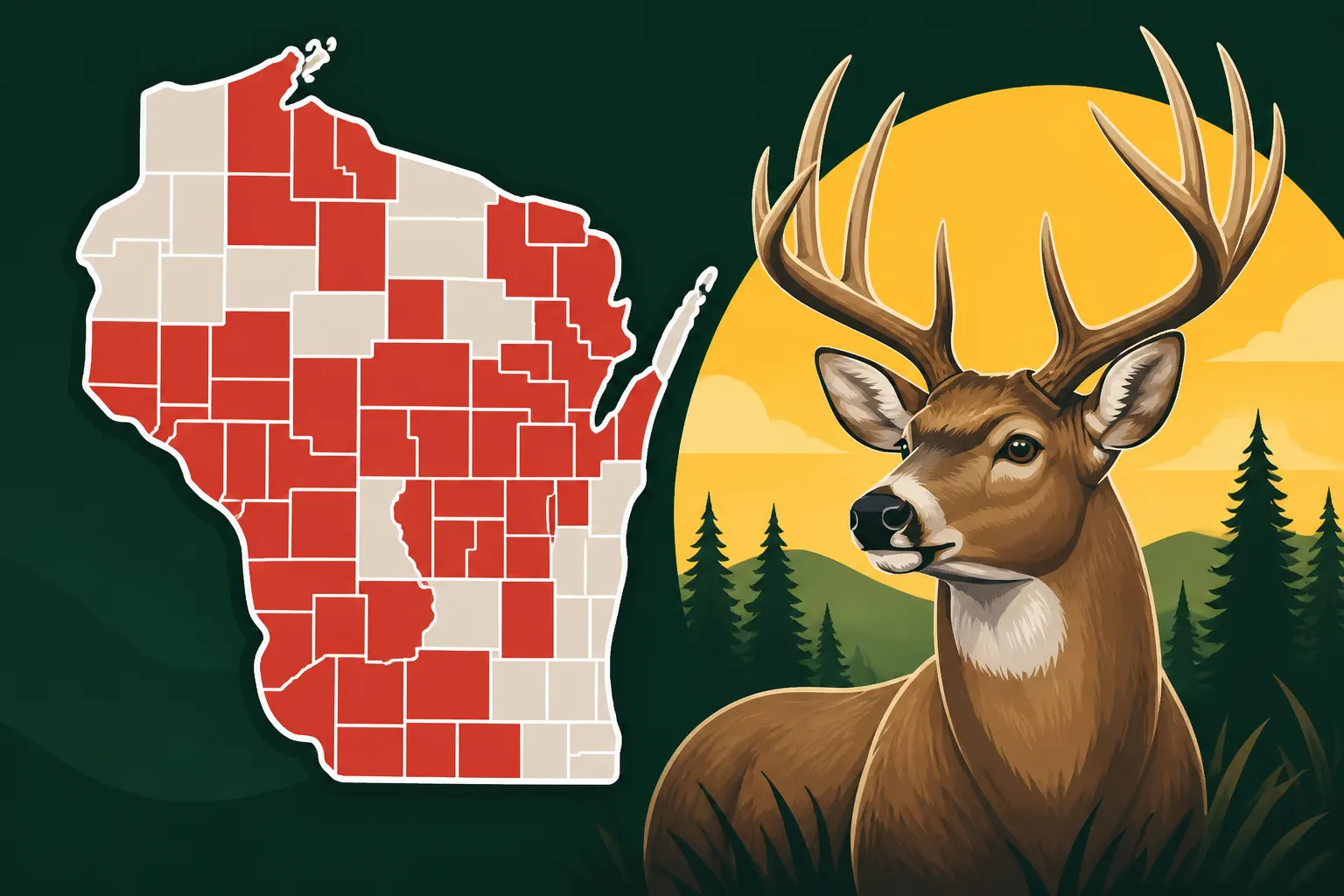
It's common to feel overwhelmed trying to keep up with the CWD situation. One year a county is clear, the next it has a detection, and then adjacent counties are suddenly under new rules. It's a constantly moving target, and for a hunter trying to plan their season, it can be downright maddening. The simple answer to "How many Wisconsin counties have CWD?" is: it's a dynamic number, but a significant portion of the state has been affected, especially in the central and southern regions.
Tracking CWD-Affected and CWD-Positive Counties
When we talk about CWD in Wisconsin, it's important to differentiate between a county where CWD has been detected in wild deer (a "CWD-positive" county) and a county that is affected by CWD regulations due to its proximity to a positive case (an "CWD-affected" county). A county might be considered CWD-affected, leading to baiting and feeding bans, even if a positive wild deer hasn't been found within its specific borders yet. These regulations are designed as a buffer, aiming to slow the potential spread of the disease.
The Wisconsin Department of Natural Resources (DNR) maintains maps and lists that are updated frequently as new positives are confirmed through their extensive testing program. These maps typically highlight areas with confirmed positives and then indicate the surrounding counties that fall under CWD-related rules. Hunters often find themselves checking these maps religiously before the season, perhaps using tools like the GoHunt platform to quickly cross-reference their hunting locations with the latest CWD status. This information is critical because it dictates everything from whether you can bait to where you can transport a deer carcass.
The Ongoing Nature of Detections and Monitoring
CWD is a persistent adversary, and its spread is a slow but steady creep. New detections can and do occur in counties where it hasn't been found before, or in counties where it seemed to have a low prevalence. This is largely due to expanded testing efforts and increased hunter participation, which is a good thing – it means we're getting a clearer picture. However, it also means the landscape of CWD management is always evolving. For those interested in the broader picture, exploring Wisconsin CWD Prevalence Rates offers insight into how widespread the disease is within the tested populations.
For instance, a county might have had an isolated CWD detection years ago, prompting initial management, and then experience a cluster of new cases, leading to a re-evaluation of its status. This fluid situation requires constant vigilance from the DNR and ongoing cooperation from hunters. Keeping an eye on the official DNR CWD surveillance maps is the only way to get the most current information. Many hunters rely on digital resources, including detailed mapping provided by services like GoHunt, to layer this vital CWD data onto their scouting efforts. It helps to understand that a "clean" county today might have a detection tomorrow, underscoring the importance of staying current.
Navigating the Landscape: Hunting in CWD-Affected Areas
Hunting in CWD-affected areas requires a different mindset and adherence to specific regulations. It's not just about the hunt itself anymore; it's about being a responsible steward of the herd and contributing to disease management. This often means making adjustments to how we prepare for, execute, and conclude our hunts.
Carcass Movement Restrictions and Testing
One of the most significant rules hunters encounter in CWD-affected counties relates to carcass movement. To prevent the spread of prions, hunters are often restricted from moving certain parts of a deer carcass out of a CWD-affected county, especially the brain and spinal column, where prions concentrate. This means if you harvest a deer in a CWD-positive county and plan to take it home to another part of the state, you'll likely need to either debone it or have it processed by a certified facility within that county before leaving. These rules are detailed in Wisconsin Carcass Movement Restrictions and are non-negotiable for good reason.
Beyond movement restrictions, testing is a crucial component of CWD management. While testing might not be mandatory in all areas, it is strongly encouraged, and in some specific CWD management zones, it might be required. The DNR provides CWD sampling stations and kiosks, making it easier for hunters to submit samples. This participation is vital for wildlife biologists to monitor the disease's spread and prevalence. For specific details on where and how to test, you should consult Wisconsin CWD Testing for Hunters. It's a small but impactful step we can all take to help the long-term health of the deer herd.
Baiting and Feeding Bans
Another immediate impact of CWD detections in a county is the implementation of baiting and feeding bans. These bans are put in place to reduce unnatural concentrations of deer at a single location, which can increase the likelihood of CWD transmission through direct contact or shared contaminated materials. When a CWD-positive deer is found in a county, that county, and often its adjacent neighbors, will be subject to a baiting and feeding ban. This often means that if your hunting land falls into one of these zones, your traditional bait pile setup is no longer allowed.
This can be a tough adjustment for many hunters who have relied on baiting as part of their strategy for years. The rules for how these bans are triggered and their duration are important to understand, as outlined in How Wisconsin Baiting Bans Are Triggered. It’s not just about stopping baiting; it's about adapting your hunting strategy to focus on natural food sources, funnels, and travel corridors. This often means spending more time scouting and learning deer movement patterns without the aid of attractants. Utilizing up-to-date maps from the DNR or platforms like GoHunt that integrate baiting ban information can be invaluable for staying legal and effective.
Here's a representative table showing how different counties might be classified under CWD regulations. Please remember, this is for illustrative purposes only, and you must check the latest Wisconsin DNR maps for current, official information for any specific hunting season.
| Region | County (Illustrative) | CWD Status (Illustrative) | Regulations Impacted (Illustrative) |
|---|---|---|---|
| Southwest | Iowa County | CWD-positive (High Prevalence) | Carcass Movement, Baiting/Feeding Ban, Voluntary Testing Highly Encouraged |
| Central | Portage County | CWD-positive (Low Prevalence) | Carcass Movement, Baiting/Feeding Ban, Voluntary Testing Recommended |
| Southeast | Jefferson County | CWD-positive (Medium Prevalence) | Carcass Movement, Baiting/Feeding Ban, Voluntary Testing Highly Encouraged |
| Northeast | Marinette County | CWD-detected (Isolated) | Carcass Movement (for positive DMU), Baiting/Feeding Ban (for positive DMU and adjacent) |
| Northwest | Barron County | CWD-adjacent (No Wild Detection) | Baiting/Feeding Ban |
| Northwoods | Vilas County | Not Currently CWD-affected | Standard Hunting Regulations Apply |
Note: This table is a simplified example. Official CWD maps and regulations from the Wisconsin DNR are the definitive source for hunters.
Adapting Your Hunting Strategies
Facing CWD regulations often means re-evaluating long-held hunting practices. If baiting is banned, you'll need to shift your focus to understanding natural deer behavior. This could involve scouting natural food plots like acorn flats, identifying bedding areas, and understanding how deer use terrain features like ridgelines and creek bottoms. For a better understanding of deer habits, consider research on Wisconsin Deer Population Estimate and Finding Your Wisconsin Deer Management Unit.
Many hunters find this shift challenging but also rewarding, as it deepens their connection to the landscape and the animals. It’s about becoming a better hunter, not just a successful one. Tools like the GoHunt app can provide detailed satellite imagery and land ownership maps that help identify these natural features and public access points, allowing you to scout and plan effectively even in CWD-affected zones. Knowing the Wisconsin Deer Management Zones is also key to understanding the specific CWD management strategy in your hunting area.
Looking Ahead: The Future of CWD in Wisconsin and Hunter Responsibility
The battle against CWD in Wisconsin is a long-term endeavor, and it relies heavily on the continued efforts of wildlife managers and, critically, the participation and understanding of the hunting community. It's a collective responsibility to manage this disease and protect our deer for future generations.
Ongoing Management Efforts and Challenges
The Wisconsin DNR, in conjunction with local County Deer Advisory Councils (CDACs), is constantly refining its CWD management strategies. This includes surveillance, research into new detection methods, and public education. The goal is not necessarily eradication, which is largely considered impossible given the nature of prions and their environmental persistence, but rather to control the spread and minimize the impact on deer populations. This is a tough reality to face, but it's where we stand.
However, challenges remain. Why CWD Prevalence Keeps Climbing in some areas highlights the difficulty in reversing trends once the disease takes hold. Factors like deer density, environmental contamination, and hunter compliance all play a role. There's also the concern about potential impacts on other cervids, such as the state's growing elk herds, as detailed in CWD Risk to the Wisconsin Elk Herd. This means management is a continuous, evolving process, often requiring tough decisions and significant resources.
The Hunter's Role in CWD Management
As hunters, we are on the front lines of CWD management. Our actions, from submitting samples for testing to adhering to baiting and carcass movement restrictions, directly contribute to the overall effort. It's not just about following the rules; it's about being informed and acting as responsible conservationists. The more data the DNR collects through hunter-submitted samples, the clearer picture they have of the disease's distribution and prevalence, which in turn informs better management decisions.
Staying informed means regularly checking the DNR's official CWD status updates and using reliable resources. While it can feel like a burden at times, our participation is invaluable. We are the eyes and ears in the field, and our willingness to adapt and cooperate is what will ultimately shape the future of deer hunting in Wisconsin. Platforms like GoHunt become even more essential here, providing a convenient way to access updated information and tailor hunting plans according to the latest CWD zones and regulations.
Disclaimer
This article is for general informational purposes only and does not constitute professional advice. Laws, prices and regulations vary by location and change over time. Consult a qualified professional for guidance on your specific situation.